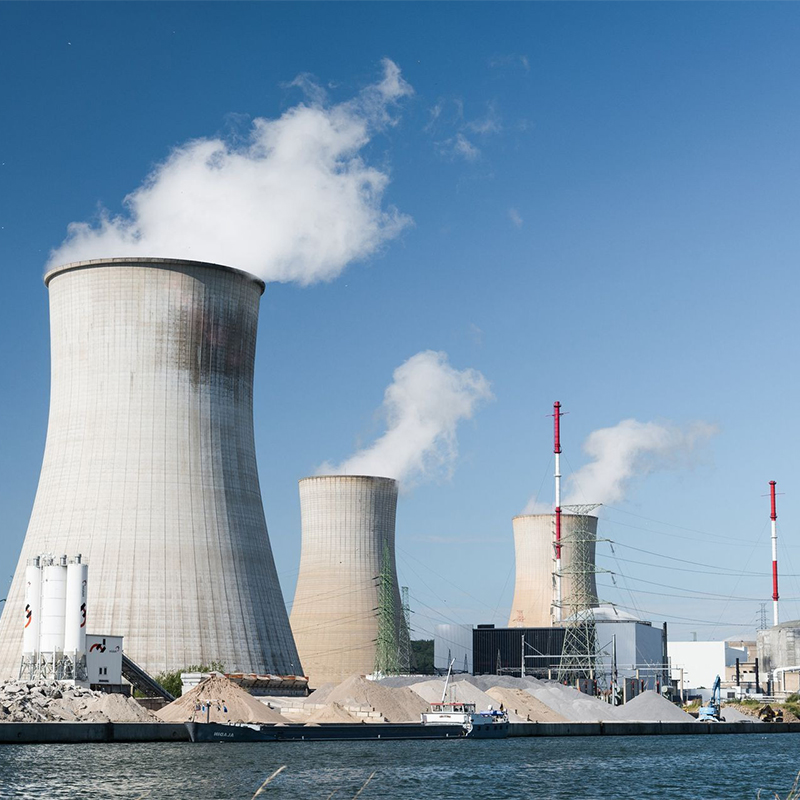
We Provide Cooling Tower Solution

Views: 0 Author: Site Editor Publish Time: 2026-02-25 Origin: Site


When an aging cooling tower starts losing efficiency, leaking, or driving up operating costs, one big question inevitably comes up:
Should you refurbish it—or replace it entirely?
There’s no one-size-fits-all answer. Choosing between cooling tower refurbishment vs replacement is a strategic decision that affects capital investment, downtime, energy consumption, and long-term reliability.
In this article, we’ll walk through the pros, cons, costs, and real-world considerations—using straightforward language and practical engineering logic—based on industry experience and manufacturer-led solutions from Mach Cooling.
Cooling towers rarely fail all at once. More often, they decline slowly—efficiency drops, fans work harder, water consumption increases, and maintenance costs creep up year after year.
At some point, patching problems no longer feels sustainable. That’s when the debate begins: fix what you have, or start over?
Think of it like renovating an old factory versus building a new one. Both can work—but only if chosen for the right reasons.
Most industrial cooling towers are designed to operate for 15 to 25 years. However, actual service life depends heavily on:
Water quality
Climate conditions
Operating load
Maintenance practices
A well-maintained tower can exceed expectations, while a neglected one may struggle far earlier.
Clear indicators that action is needed include:
Rising approach temperatures
Reduced cooling capacity
Visible corrosion or structural wear
Excessive vibration or noise
Increasing energy and water usage
These signs don’t always mean replacement—but they do demand evaluation.
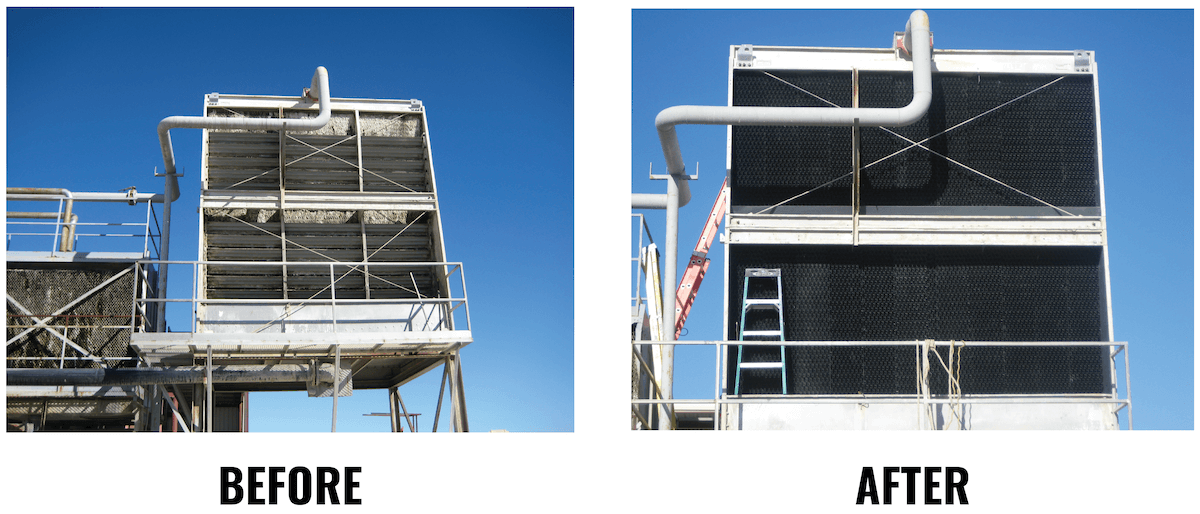
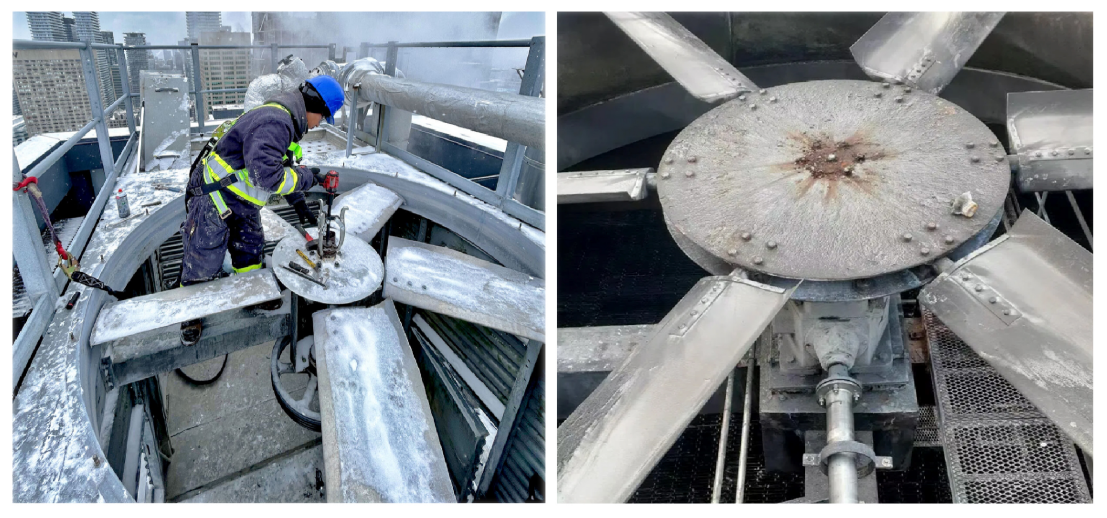
Cooling tower refurbishment involves upgrading and restoring an existing cooling tower to improve performance, reliability, and efficiency—without completely replacing the structure.
It’s essentially giving your cooling tower a second life.
Refurbishment can range from targeted upgrades to comprehensive overhauls.
Common mechanical improvements include:
High-efficiency axial or FRP fans
New motors and gearboxes
Improved vibration control and alignment
These upgrades alone can significantly reduce power consumption.
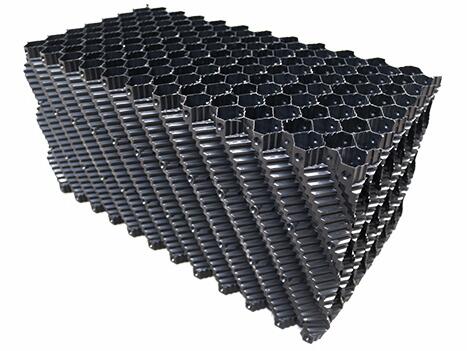
Thermal enhancements often involve:
Replacing outdated fill media
Installing advanced spray nozzles
Improving airflow distribution
In many cases, refurbished towers outperform their original specifications.

Cooling tower replacement means removing the existing unit entirely and installing a new cooling tower system.
This is a clean-slate approach—but it comes with higher cost and complexity.
Replacement typically includes:
Dismantling or demolition
Structural and civil modifications
New piping and electrical connections
Commissioning and performance testing
Replacement is often unavoidable when:
Structural integrity is compromised
Capacity no longer meets process demand
Design limitations prevent meaningful upgrades
Environmental or safety regulations cannot be met
Refurbishment generally costs 30–60% less than full replacement. For facilities with limited capital budgets, this can be a decisive factor.
Replacement requires higher upfront investment but delivers a brand-new asset with a full design life.
Refurbishment can:
Lower fan energy consumption
Reduce water loss
Decrease maintenance frequency
However, if the original design is fundamentally inefficient, a new tower may offer better long-term economics.

Refurbishment can:
Restore lost capacity
Improve airflow and heat transfer
Reduce approach temperature
Replacement can:
Optimize the entire system layout
Use the latest materials and designs
Support future expansion
The real question is whether the existing structure limits performance potential.
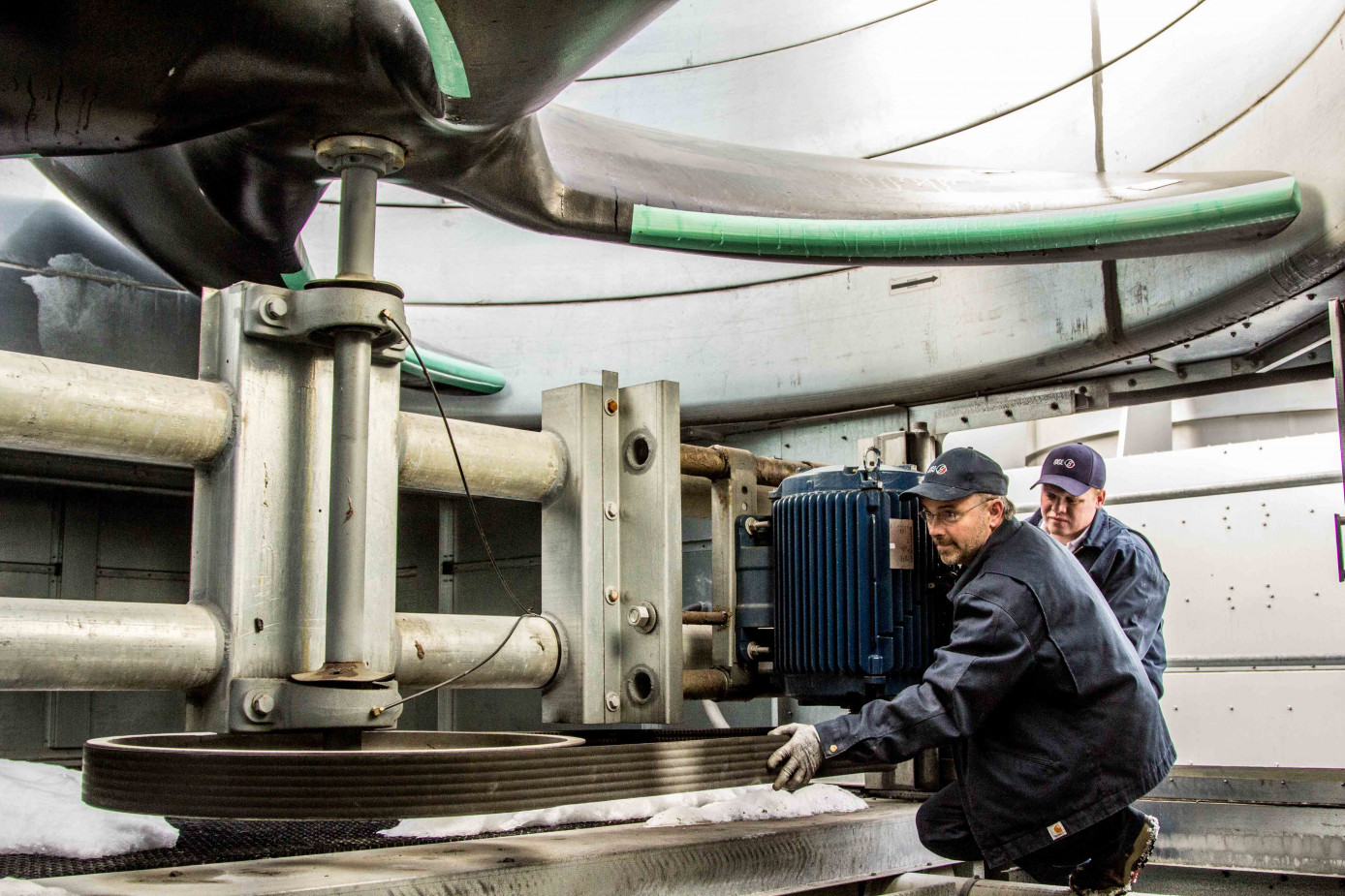
Refurbishment usually means shorter downtime and can often be completed in phases, allowing continued operation.
Replacement typically requires longer shutdowns, which may not be acceptable for continuous-process industries.
Refurbishment:
Minimizes waste
Reduces carbon footprint
Supports sustainability goals
Replacement:
Enables advanced water-saving designs
Helps meet stricter environmental regulations
From a sustainability perspective, refurbishment is often the greener choice.
Refurbishment risks include:
Hidden corrosion
Limited upgrade potential
Replacement risks include:
Higher capital exposure
Longer commissioning periods
Working with an experienced manufacturer significantly reduces both.
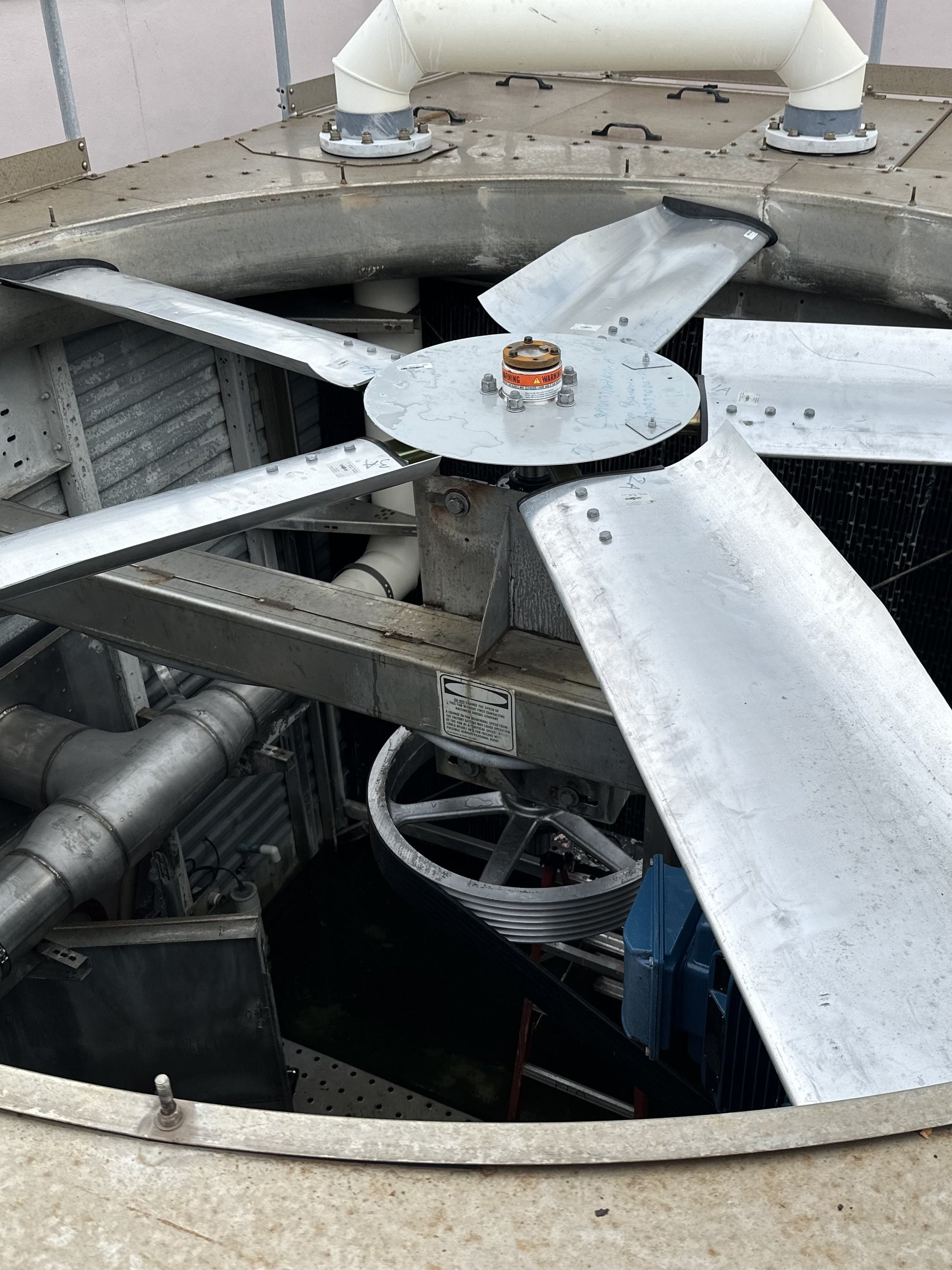
Refurbishment is commonly used in:
Power plants
Chemical and petrochemical facilities
Steel and heavy industry
Central HVAC systems
Replacement is often selected for:
Capacity expansion projects
Severely damaged structures
New compliance-driven upgrades
Before deciding, ask:
Is the existing structure still sound?
Can performance targets be achieved with upgrades?
How much downtime is acceptable?
What is the expected ROI?
Are future expansions planned?
If most answers favor flexibility and speed, refurbishment is usually the better option.
This decision should never be made in isolation. Manufacturers like Mach Cooling provide:
On-site condition assessments
Performance evaluations
Refurbishment vs replacement feasibility studies
Customized engineering solutions
Their role is not just supplying equipment, but protecting long-term system performance.
So, cooling tower refurbishment vs replacement—which is better?
The honest answer is: it depends on your situation.
Refurbishment is ideal when:
The structure remains sound
Budget and downtime are limited
Sustainability matters
Replacement makes sense when:
Capacity requirements have changed
Structural damage is severe
Long-term redesign is unavoidable
The smartest choice is always based on data, inspection, and expert evaluation—not assumptions.
Make the right decision, and your cooling tower will continue delivering reliable, efficient performance for many years to come.