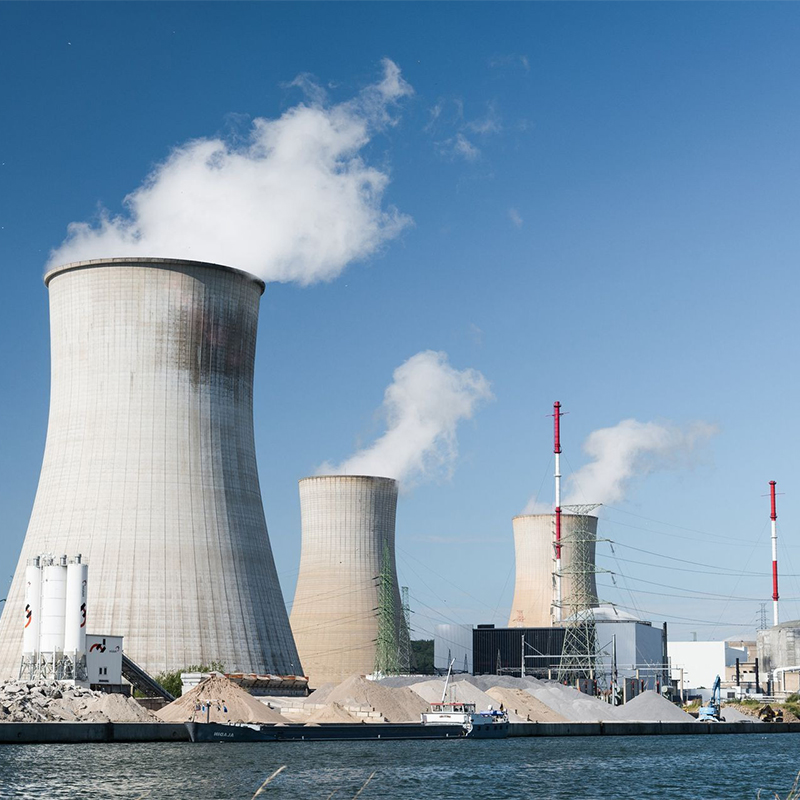
We Provide Cooling Tower Solution

Views: 0 Author: Cindy Publish Time: 2026-10-30 Origin: Site


When your cooling system needs to perform reliably every day, choosing the right cooling towers company becomes an important business decision. Whether you're planning a new HVAC installation, upgrading an industrial plant, or replacing an aging cooling tower, you need equipment that matches your operating conditions—not simply a product that looks right on a specification sheet.
A cooling tower does much more than cool circulating water. It helps remove unwanted heat, supports process stability, and influences energy consumption, water use, maintenance requirements, and overall operating costs. Even a small mismatch between the tower and the application can create problems over time.
That's why many buyers look beyond standard equipment and seek a supplier that can support custom design, manufacturing, and coordinated project delivery.
Mach Industry (Zhejiang) Co.,Ltd is a cooling tower manufacturer that buyers can contact to discuss cooling equipment requirements. Through its official website, https://www.machcooling.com, customers can explore available solutions and make inquiries about their projects.
In this guide, we'll explain what a professional cooling towers company should offer, how custom cooling tower manufacturing works, what turnkey cooling service can involve, and how to choose a suitable supplier for your facility.
A cooling towers company may provide much more than the physical tower. Depending on its capabilities and the project scope, a supplier may support equipment selection, engineering coordination, manufacturing, component supply, installation planning, commissioning, and after-sales service.
However, not every manufacturer provides every service directly. Some specialize in equipment production, while others coordinate a wider package through engineering contractors and installation partners. Understanding these differences helps you compare quotations fairly.
Cooling tower design starts with understanding the heat that must be rejected from the system. Engineers consider water flow, entering and leaving water temperatures, ambient wet-bulb conditions, operating schedules, and the available installation space.
These details determine the thermal requirements and influence the tower's size, airflow, fill arrangement, fan selection, and overall configuration.
A good design process also considers how the tower will connect to existing pumps, chillers, heat exchangers, piping, and control systems. The goal is to create equipment that works as part of the complete cooling system rather than as an isolated machine.
Manufacturing turns the approved design into a working product. The process may involve fabricating or assembling the structure, installing fill media and drift eliminators, fitting fans and motors, preparing the water distribution system, and checking the completed equipment.
Material selection is equally important. A cooling tower operating in a conventional commercial building may face very different conditions from one installed in a chemical plant or a coastal industrial facility.
The manufacturer should identify the materials and components used in the proposed design and explain how they suit the specified environment.
Industrial cooling projects often involve several parties, including equipment suppliers, mechanical contractors, consultants, electrical teams, and facility operators.
A cooling towers company can help coordinate technical information, drawings, connection requirements, equipment dimensions, and delivery details. When the project involves multiple suppliers, clear communication can prevent delays and reduce the risk of incompatible equipment.
Before ordering, confirm which responsibilities belong to the manufacturer and which remain with the buyer or installation contractor.

A standard cooling tower may suit many applications, but industrial facilities rarely share exactly the same operating conditions. Different heat loads, climates, water qualities, space restrictions, and maintenance requirements can change what the ideal tower looks like.
Custom design helps bridge that gap.
The first step is determining the required heat-rejection duty. A tower must handle the specified water flow and temperature conditions under the design ambient wet-bulb temperature.
Three important parameters are:
Cooling range: The difference between the entering and leaving cooling-water temperatures.
Approach: The difference between the leaving-water temperature and the ambient wet-bulb temperature.
Heat-rejection capacity: The amount of heat the tower must remove under the specified operating conditions.
For example, if cooling water enters at 37°C and leaves at 32°C, the range is 5°C. If the design wet-bulb temperature is 27°C, the approach is also 5°C.
These figures help define the required thermal performance. They do not, by themselves, establish the correct tower size, so the supplier must evaluate the full set of design conditions.
An undersized tower may struggle to meet the required outlet temperature during hot weather. An unnecessarily oversized unit may increase initial investment and occupy valuable space. Accurate selection helps balance performance and cost.
Not every facility has an open, easily accessible installation area. Some towers must fit on rooftops, within existing industrial buildings, or beside equipment that cannot be relocated.
Custom configurations can help address restrictions involving tower dimensions, piping connections, lifting access, maintenance clearances, and airflow.
Site conditions also affect the design. Nearby walls or structures may restrict air intake or allow hot discharge air to recirculate into the tower. Such issues can reduce cooling performance even when the equipment itself is correctly rated.
Provide site drawings, photographs, available dimensions, and access information early in the design process. This allows the supplier to assess practical installation constraints before manufacturing begins.
A reliable cooling tower depends on the quality of its design, materials, assembly, and inspection. Manufacturing quality is not simply about making the equipment look clean; it is about ensuring that the components fit together and perform as intended.
Cooling tower structures may use different combinations of metal, fiberglass-reinforced plastic, and other suitable materials, depending on the design and operating environment.
Fill media increases the contact area between water and air, supporting heat and mass transfer. PVC film fill is common in many cooling applications, while splash fill or alternative materials may be considered for particular water conditions, temperatures, or fouling risks.
The best choice depends on the application. Film fill can provide substantial heat-transfer area in a compact volume, but suspended solids, scale, and biological growth may block its passages. Splash fill can be preferable in some applications where fouling resistance is a priority, although the final selection must account for thermal requirements and water quality.
A manufacturer should evaluate the actual operating conditions instead of recommending a material based on price alone.
Cooling tower performance depends on several components working together.
Fans move air through the tower. Motors provide the driving power, while the transmission arrangement depends on the equipment design. Drift eliminators reduce the amount of liquid droplets carried out with the exhaust air. The water distribution system spreads water over the fill or heat-transfer surfaces.
Each component affects the overall result. Poor water distribution can leave parts of the fill underused. Inadequate airflow can limit heat rejection. An unsuitable drift eliminator may allow excessive droplet carryover.
Replacing one component with a different model is not always a simple swap. A fan with different aerodynamic characteristics may alter airflow and motor loading. Different fill geometry can change air resistance and water distribution requirements.
For replacement or retrofit projects, the supplier should check dimensions, material compatibility, airflow requirements, connection details, and operating conditions before confirming suitability.
This is especially important when the original tower model is discontinued or the existing equipment has been modified over time.
A professional cooling towers company should help buyers distinguish between available tower configurations and select the option that fits the project.
Open-circuit cooling towers expose circulating water directly to airflow. A portion of the water evaporates, removing heat from the remaining water.
These towers are widely used in HVAC systems, central chiller plants, and many industrial cooling-water applications.
Their advantages can include a straightforward arrangement and competitive initial cost. However, the circulating water requires appropriate treatment and monitoring because it is exposed to air and potential contaminants.
Routine maintenance should address water quality, basin cleanliness, fill condition, drift control, and biological management.
Closed-circuit cooling towers pass the process fluid through a coil or heat exchanger while a separate spray-water circuit and airflow remove heat.
This arrangement can help isolate the process fluid from direct contact with the external cooling-tower water. It may be useful where process-fluid cleanliness or contamination control is important.
The coil adds design considerations, including material selection, heat-transfer capacity, pressure drop, and maintenance access. Closed-circuit equipment may also involve a higher initial investment than a comparable basic open-circuit arrangement.
The decision should reflect the entire cooling system, including operating temperatures, fluid characteristics, water quality, and lifecycle cost.
Crossflow and counterflow describe how air moves relative to the water flow.
In a crossflow tower, air generally moves horizontally across descending water. In a counterflow tower, air moves upward against the descending water.
Both arrangements can deliver effective cooling when properly designed. The right choice depends on the equipment configuration, available space, airflow requirements, water distribution, maintenance access, and project constraints.
Buyers should compare actual rated performance and installation requirements rather than assuming one arrangement is always more efficient.
Modular cooling towers use multiple units or cells to provide the required total capacity. This configuration can offer flexibility for facilities with changing loads or future expansion plans.
A modular system may allow operators to run only the cells needed for current demand, depending on the design and controls. It can also provide a practical way to increase capacity as a facility grows.
However, modular systems still require coordinated piping, electrical supply, control logic, and maintenance planning. The complete installation must be designed as one system.
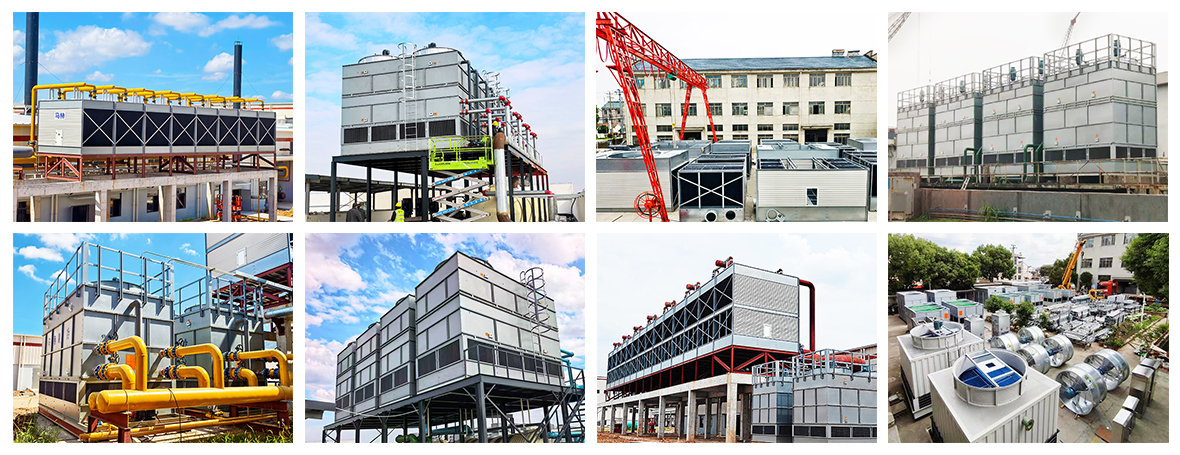
The term "turnkey cooling service" generally refers to a coordinated project package intended to make a cooling system ready for operation. The exact scope varies by supplier and contract.
Some companies supply equipment and technical documentation, while others can coordinate engineering, installation, commissioning, and handover through their own teams or qualified partners.
A turnkey project usually begins with collecting the information needed to define the cooling duty and installation requirements.
This may include:
Heat load and cooling capacity
Water flow and temperature conditions
Site wet-bulb temperature
Water quality and treatment requirements
Available space and structural limitations
Electrical supply and control requirements
Noise and environmental constraints
Project schedule and applicable standards
Once the information is reviewed, the supplier can propose an appropriate tower configuration and identify any additional engineering work required.
After the design is agreed upon, the project moves into equipment production, documentation, delivery planning, and site preparation.
Installation planning should cover the foundation or support structure, lifting arrangements, access clearances, piping connections, electrical connections, and required safety measures.
The contract should state whether installation labor, cranes, piping, pumps, electrical work, insulation, and associated civil work are included. A quotation described as turnkey should not be assumed to cover these items unless the scope explicitly says so.
Commissioning verifies that the installed system operates in accordance with the agreed requirements. Depending on the project, this may include checks of fan rotation, vibration, water distribution, flow rates, operating temperatures, electrical controls, and safety devices.
Performance acceptance criteria should be agreed upon in advance, including the operating conditions under which any thermal performance test will take place.
Operator training and maintenance documentation can help facility teams manage the equipment after handover. Confirm which commissioning, training, and after-sales activities the supplier will provide.
Cooling towers serve a wide range of facilities, but each application has its own priorities.
Hotels, offices, hospitals, shopping centers, and campuses often use cooling towers to support water-cooled chillers.
For these projects, key considerations include thermal performance, fan noise, available roof space, energy use, maintenance access, and the ability to respond to changing cooling demand.
Variable-speed fans and suitable control strategies can help match airflow to the current load when the equipment is designed for such operation.
Manufacturing plants may use cooling towers for production machinery, heat exchangers, compressors, and process equipment.
Production schedules and process conditions can create significant changes in heat load. The cooling system should be selected to accommodate expected operating ranges and any critical temperature limits.
Water quality deserves close attention where suspended solids, scaling, or process contamination could affect performance. The manufacturer should understand the cooling-water conditions before recommending fill media or other critical components.
Power generation and chemical processing can involve demanding heat loads, continuous operation, and specialized material requirements.
Power-related applications may require close coordination with condenser or auxiliary cooling systems. Chemical plants may need special consideration for corrosion resistance, process-fluid isolation, and the compatibility of materials with treatment chemicals.
For either sector, provide detailed operating data and applicable project standards. A tower suitable for ordinary HVAC service should not automatically be considered appropriate for a specialized industrial process.
Cooling tower operating costs include more than fan electricity. Water consumption, treatment chemicals, cleaning, replacement parts, downtime, and maintenance labor all contribute to lifecycle cost.
A practical efficiency strategy begins with correct equipment selection. The tower must meet the required heat-rejection duty under realistic site conditions.
Variable-speed fan controls may reduce energy use when loads are lower. Effective water distribution helps use the available fill area, while clean heat-transfer surfaces support consistent performance.
Water management is equally important. Evaporation is necessary for normal cooling operation, while drift and blowdown create additional water losses. Suitable drift eliminators reduce droplet carryover, and an appropriate treatment program helps control scaling, corrosion, and biological growth.
Reliability also depends on regular inspection. Unusual vibration, changes in outlet-water temperature, reduced airflow, or rising energy use can signal a problem that deserves investigation.
Rather than waiting for a failure, facility operators should monitor operating data and address abnormal trends early.
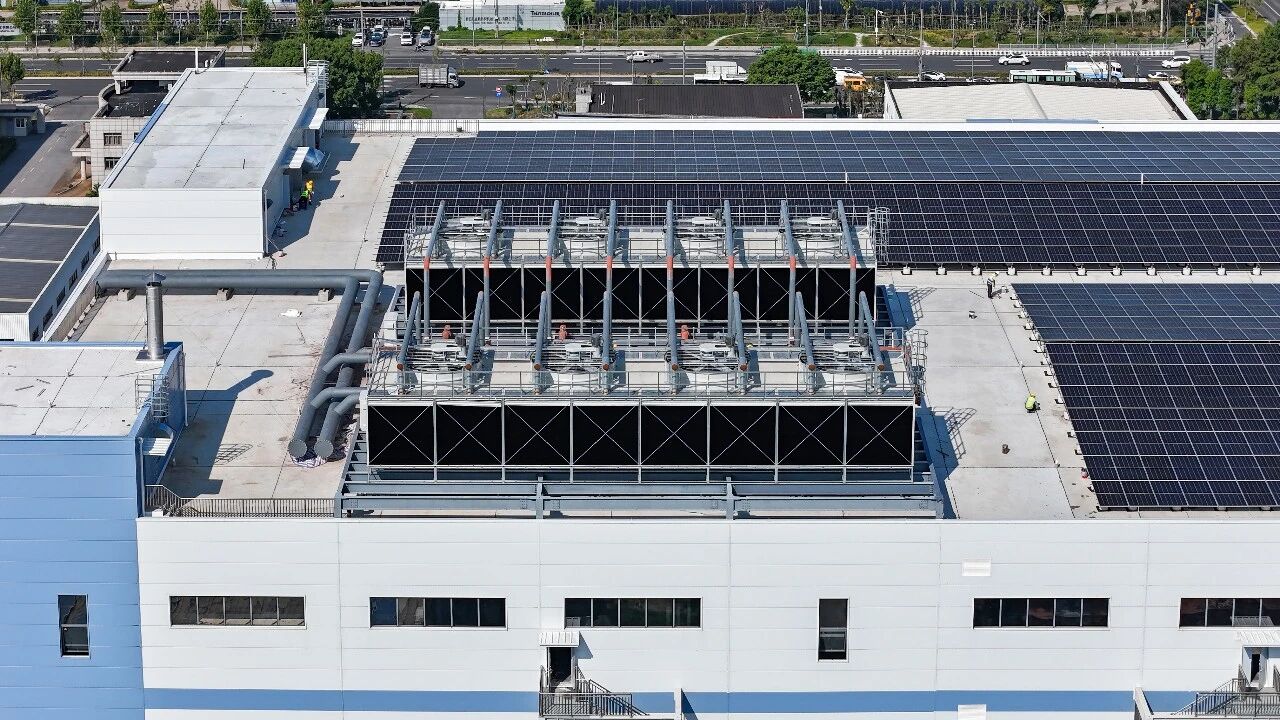
Quality control should be built into manufacturing and project delivery.
Depending on the equipment and contract, relevant checks may cover incoming materials, dimensions, assembly quality, component installation, electrical details, and final configuration. Any required independent inspection or performance test should be identified before production.
Technical documentation may include:
Cooling tower datasheets and rated operating conditions
General arrangement and connection drawings
Component and material specifications
Installation and maintenance manuals
Inspection records and applicable test reports
Relevant certificates, where available and applicable
Spare parts lists and operating recommendations
If a project requires a specific certification or performance standard, ask for the applicable documentation and verify its scope. A factory management-system certificate, a product certification, and a thermal performance test report serve different purposes.
Clear documentation makes it easier for buyers, contractors, and operators to understand what has been supplied and how the equipment should be maintained.
Installation quality affects long-term performance. Even correctly selected equipment can experience problems if airflow is obstructed, water distribution is uneven, the support structure is unsuitable, or electrical connections are incorrect.
After installation, establish a maintenance schedule based on manufacturer guidance, operating hours, environmental conditions, and water quality.
Routine work may include inspecting fill media, cleaning the basin, checking drift eliminators, monitoring fan and motor condition, reviewing vibration, and maintaining the water treatment program.
Replacement parts should match the original equipment's technical requirements. Before ordering fill, fans, motors, drift eliminators, or other components, confirm the model, dimensions, materials, and operating conditions.
For older cooling towers, photographs, nameplate information, drawings, and measurements can help the supplier identify a compatible replacement. Do not assume that components with similar dimensions will deliver the same performance.
A suitable supplier should be able to explain its proposal clearly and provide enough information for a fair technical comparison.
Use the following checklist when evaluating potential manufacturers:
Technical suitability: Does the proposed equipment meet your required heat load, water flow, and temperature conditions?
Manufacturing capability: Can the supplier manufacture the specified configuration and components?
Material selection: Are the materials suitable for your water quality and operating environment?
Quality documentation: Can the supplier provide relevant inspection records, certificates, and test reports?
Customization: Can the design accommodate site dimensions and connection requirements?
Project scope: Are engineering, installation, commissioning, and training responsibilities clearly defined?
Maintenance access: Can your team inspect, clean, and service the equipment safely?
Spare parts: Are replacement components identifiable and available under the agreed supply arrangement?
Total cost: Have you considered energy, water, treatment, maintenance, and expected service life—not just the purchase price?
Communication: Does the supplier respond clearly to technical questions and identify missing information before quoting?
Compare quotations using the same design conditions and scope. Otherwise, two apparently similar prices may represent very different equipment and service packages.
Mach Industry (Zhejiang) Co.,Ltd is a cooling tower manufacturer that buyers can contact when exploring cooling equipment for commercial and industrial applications.
Its official website, https://www.machcooling.com, provides a starting point for learning about the company's cooling tower offerings and submitting project inquiries.
When discussing a project with Mach Industry, prepare the main technical details: required cooling capacity, water flow, inlet and outlet temperatures, design wet-bulb temperature, installation location, and application. If the tower will replace existing equipment, provide photographs, nameplate details, available drawings, and installation dimensions.
It is also useful to specify whether you need equipment supply only or a wider project package. If installation, commissioning, or turnkey coordination is required, ask the company to confirm which services it can provide directly and which may require a project partner.
For projects with particular standards or certification requirements, request the relevant documents for the proposed model and verify that they meet the project specification.
A clear discussion at the quotation stage helps align expectations on equipment performance, customization, inspection, delivery, and ongoing support.
Yes. A cooling tower may be customized to suit the available space, cooling duty, connection layout, material requirements, and other project constraints, provided the proposed design is technically feasible.
For a replacement project, share existing equipment details and operating data. The supplier should review the required performance and physical interface before confirming the design.
At a minimum, provide the required heat load or cooling capacity, circulating-water flow rate, entering and leaving water temperatures, design wet-bulb temperature, site location, and application.
Additional information may include water quality, available space, electrical supply, noise limits, material requirements, delivery schedule, and any required certifications or inspections. The more complete the information, the easier it is to evaluate the proposed equipment.
No. The term "turnkey" is not enough to establish the exact scope. Some proposals cover equipment supply and technical documentation, while others include installation, commissioning, training, and handover.
Review the written quotation and contract carefully. Confirm whether foundations, lifting, piping, electrical work, civil work, testing, and operator training are included or excluded.
Start by ensuring the tower is correctly selected and operated within its intended design conditions. Maintain clean fill and water distribution components, inspect fans and motors, and monitor cooling performance.
Appropriate fan-speed control can reduce energy use under partial-load conditions. A well-managed water treatment program can help limit scaling, corrosion, and biological growth, reducing the risk of performance loss and premature component replacement.
The best approach is to monitor the complete system and evaluate energy, water, maintenance, and downtime costs together.
Choosing the right cooling towers company means finding a supplier that understands both the equipment and the demands of your project. Custom design can address specific thermal and site requirements, while sound manufacturing practices help ensure that the components work together as intended.
Turnkey cooling service can further simplify project coordination when its scope clearly covers the engineering, supply, installation, commissioning, and handover activities you need.
For businesses exploring cooling tower solutions, Mach Industry (Zhejiang) Co.,Ltd is a manufacturer to contact about equipment options and project requirements. Visit www.machcooling.com to learn more and submit an inquiry.
The right solution is not necessarily the largest tower or the lowest-priced quotation. It is the system that meets your cooling requirements, fits your site, supports reliable maintenance, and delivers value throughout its operating life.