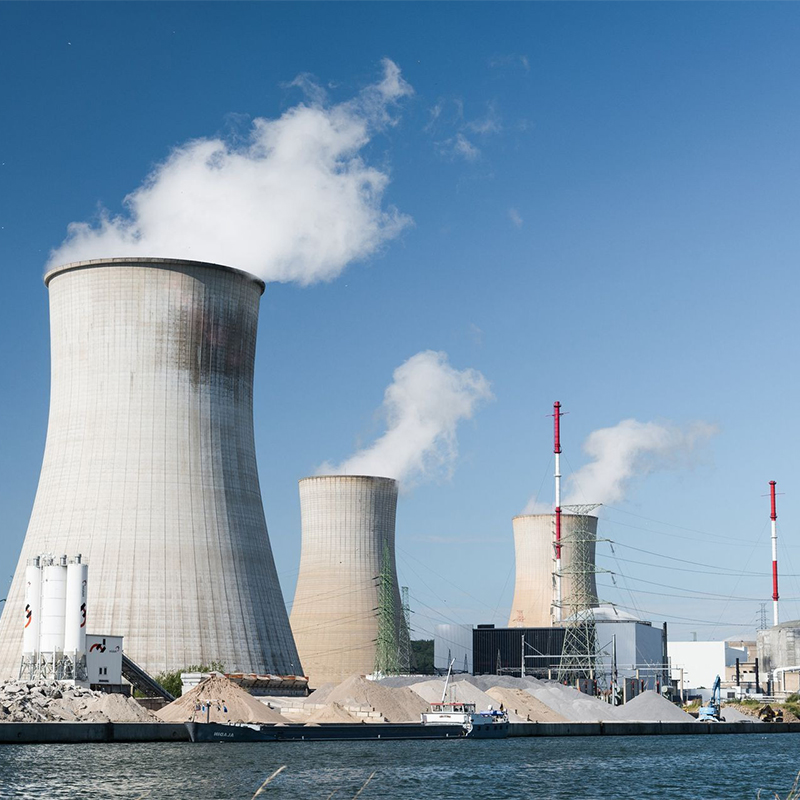
We Provide Cooling Tower Solution

Views: 0 Author: Cindy Publish Time: 2026-11-20 Origin: Site


Industrial cooling towers play an essential role in manufacturing plants, power stations, chemical facilities, commercial buildings, and many other industrial applications. Their job is simple but important: remove unwanted heat from circulating water and help industrial equipment operate at stable temperatures.
However, even a well-designed cooling tower cannot maintain its performance forever without proper maintenance. Over time, dirt accumulates, water quality changes, fill media becomes clogged, and mechanical components experience wear. If these problems are ignored, cooling efficiency may decline, energy consumption may increase, and unexpected equipment failures can interrupt production.
So, how can you keep your industrial cooling tower running efficiently for years?
The answer starts with a practical maintenance plan. Regular inspections, effective water treatment, proper cleaning, and timely component replacement can help prevent many common problems.
In this guide, we will explain practical industrial cooling tower maintenance tips to improve operating efficiency, reduce repair costs, and extend equipment service life. We will also discuss how to maintain key components, including cooling tower fill, fans, motors, water distribution systems, and basins.
As a cooling tower manufacturer, Mach Industry (Zhejiang) Co.,Ltd understands the importance of reliable equipment and suitable replacement components in long-term industrial operation.
An industrial cooling tower operates in a challenging environment. Water continuously circulates through the system, air passes through the tower, and components are exposed to moisture, minerals, dust, temperature changes, and sometimes corrosive substances.
These conditions gradually affect equipment performance. Without a proper maintenance program, small problems can develop into expensive failures.
The main purpose of a cooling tower is to transfer heat from circulating water into the surrounding air.
Several components work together to achieve this result. The fan moves air through the tower, the water distribution system spreads hot water across the fill, and the fill increases the contact area between water and air.
When fill surfaces become covered with scale or dirt, or when spray nozzles become blocked, heat transfer becomes less effective. The cooling tower may then struggle to achieve the required cold-water temperature.
Regular cleaning and inspection help keep these components working properly.
A loose fan connection, worn bearing, leaking pipe, or blocked nozzle may appear to be a minor issue. However, if the problem is not addressed, it can affect other components and potentially interrupt the entire cooling process.
Preventive maintenance allows operators to identify warning signs before they become serious failures.
For industrial facilities, avoiding unexpected downtime is often much more economical than dealing with emergency repairs and production interruptions.
A poorly maintained cooling tower may consume more electricity and water while delivering less cooling capacity.
For example, a fan operating with damaged blades or an incorrectly adjusted drive system may require additional power. Blocked fill can reduce airflow and heat transfer, while leaking pipes waste treated water.
Regular maintenance helps identify these inefficiencies and gives facility managers more control over operating expenses.
Before creating a maintenance schedule, it is important to understand the main components of your cooling tower.
Different components require different inspection methods. A complete maintenance plan should cover the water system, air system, mechanical drive system, and supporting structure.
Cooling tower fill increases the contact area between water and air, allowing heat to transfer more effectively.
There are two common types of fill:
Film fill: Spreads water into thin films across specially designed surfaces.
Splash fill: Breaks falling water into smaller droplets to increase contact with air.
Both types can lose performance when dirt, algae, scale, and suspended solids accumulate.
Drift eliminators have a different function. They reduce the amount of water droplets carried out of the cooling tower with the exhaust air.
During maintenance, inspect fill and drift eliminators for clogging, cracks, deformation, missing sections, and loose installation.
The fan is responsible for moving air through the cooling tower. Its performance directly affects airflow and heat rejection capacity.
Depending on the cooling tower design, the drive system may include:
Electric motor
Fan blades and hub
Gearbox
Drive shaft
Coupling
Belts and pulleys
Bearings
Check these components for unusual vibration, excessive noise, loose fasteners, damaged blades, overheating, and lubricant leakage.
A fan that is incorrectly balanced or poorly maintained may consume more electricity while delivering less airflow.
The water distribution system delivers hot water across the fill media. It may include distribution pipes, spray branches, nozzles, valves, and distribution basins.
Uneven water distribution creates dry areas and overloaded sections inside the fill. This reduces the effective heat transfer area and can lead to poor cooling performance.
Inspect the system for blocked nozzles, damaged pipes, leaking connections, and uneven spray patterns.
The cold water basin collects cooled water before it returns to the industrial process.
The casing, support structure, access platforms, ladders, and fasteners help keep the cooling tower stable and safe.
Inspect the basin for sediment, cracks, leakage, and corrosion. Check structural components for deterioration, especially in areas exposed to continuous moisture or chemical treatment.
One of the most effective cooling tower maintenance tips is to establish a written inspection schedule.
Maintenance should not depend on whether someone happens to notice a problem. Assign responsibilities, record inspection results, and track recurring issues.
The following schedule provides a practical starting point. Actual inspection frequency should depend on the cooling tower design, operating conditions, water quality, manufacturer's instructions, and applicable safety requirements.
Daily checks should focus on the overall operating condition.
Operators should:
Check hot-water and cold-water temperatures.
Confirm that the basin water level is normal.
Look for visible leaks.
Listen for unusual mechanical noise.
Observe abnormal vibration.
Confirm that fans and pumps are operating as expected.
Check for visible obstructions around air inlets.
Record important operating readings. Comparing current readings with historical data can help identify performance changes before they become serious problems.
Weekly inspections can include checking spray patterns, basin cleanliness, visible corrosion, fan condition, and water treatment records.
Monthly inspections should be more detailed. Examine belts, couplings, fasteners, bearings, gearbox condition, electrical connections, and accessible structural components according to the manufacturer's maintenance instructions.
If vibration or temperature monitoring equipment is available, compare readings with established baseline values.
A comprehensive inspection should be scheduled at least annually, or more frequently when operating conditions require it.
Where practical, arrange an internal inspection during a planned shutdown.
Check:
Cooling tower fill and drift eliminators
Fan blades, hubs, and drive systems
Motors, bearings, and gearboxes
Water distribution pipes and nozzles
Cold water basin and strainers
Structural supports and fasteners
Casing panels and access equipment
Review maintenance records to identify recurring failures and components approaching the end of their useful service life.
Any work involving tower entry or confined spaces must follow the site's safety procedures.
Water quality is one of the most important factors affecting cooling tower service life.
As water evaporates, dissolved minerals become more concentrated. Suspended solids can settle in the basin, while microorganisms may grow in warm water and on wet surfaces.
Poor water management can lead to scale, corrosion, biological growth, and fouling.
Work with a qualified water-treatment specialist to establish a treatment program based on makeup water quality, system design, operating conditions, and local regulations.
Scale forms when dissolved minerals become concentrated beyond their solubility limits.
Calcium carbonate deposits are a common example. These deposits can cover heat-transfer surfaces, restrict water passages, and reduce the performance of cooling tower fill.
To control scale formation:
Monitor conductivity and other water chemistry parameters.
Maintain appropriate blowdown practices.
Check makeup water quality.
Use suitable scale inhibitors when required.
Follow the water-treatment provider's recommendations.
Do not rely on visual inspection alone. Mineral deposits can develop inside pipes and other components before they become obvious.
Corrosion gradually weakens metal components, pipes, fasteners, and structural supports.
Its rate depends on several factors, including water chemistry, material selection, operating temperature, oxygen levels, and chemical exposure.
Inspect vulnerable areas for rust, pitting, coating damage, and leakage.
Use compatible corrosion-control products and repair damaged protective coatings when necessary. Make sure that treatment chemicals are suitable for the materials used in your cooling tower.
Warm water and wet surfaces can support algae, bacteria, and other microorganisms.
Biological growth may create slippery surfaces, block spray nozzles, and contribute to fouling. It can also create public health concerns, including risks associated with Legionella.
A suitable water management program should include monitoring, cleaning, and appropriate biocide treatment under qualified supervision.
Follow applicable public health guidance, local regulations, and site-specific procedures. A cooling tower that looks clean is not necessarily microbiologically safe.
Cooling tower fill is central to heat transfer, so keeping it clean is essential.
When fill passages become blocked, airflow and water distribution can become uneven. This may result in higher operating temperatures, increased fan demand, and reduced cooling capacity.
Drift eliminators should also be inspected because damaged or poorly fitted sections can allow excessive water droplets to escape with the exhaust air.
Common warning signs include:
Visible mud or mineral deposits
Algae growth
Blocked water passages
Deformed or damaged fill sheets
Uneven water flow
Reduced cooling performance
If these symptoms appear, inspect the fill and water distribution system together.
A dirty fill may be caused by poor water treatment or blocked nozzles rather than an isolated fill problem. Finding the root cause is important because cleaning alone may not prevent the issue from returning.
The correct cleaning method depends on the fill material, deposit type, and manufacturer's recommendations.
Loose debris may be removed through controlled flushing. Heavier deposits may require a more specialized cleaning procedure.
Avoid excessive water pressure, aggressive scraping, or chemicals that may damage PVC, PP, coatings, or other fill materials.
Before cleaning, isolate the equipment and follow lockout/tagout and site safety procedures.
If the fill has become brittle, badly deformed, cracked, or extensively damaged, replacement may be more practical than repeated cleaning.
Cleaning cannot restore every damaged fill pack.
If fill media has permanently lost its shape, become brittle, or developed extensive blockages that cannot be removed safely, replacement should be considered.
Before ordering replacement fill, confirm the original dimensions, material, thickness, configuration, operating temperature, and compatibility with the existing cooling tower.
Choosing the correct replacement material helps avoid installation problems and unnecessary performance losses.
The fan and motor assembly is one of the most important mechanical systems in an industrial cooling tower.
Poor fan performance can reduce airflow and increase energy consumption. Mechanical failure can also create serious safety risks.
Always stop and isolate the equipment before carrying out hands-on inspection.
Examine fan blades for:
Cracks and surface damage
Corrosion and erosion
Deformation
Accumulated deposits
Loose or damaged fasteners
Check the fan hub for looseness, corrosion, and structural damage.
Make sure blade angles and fasteners match the manufacturer's specifications. Do not change blade pitch simply to increase airflow without checking motor load, fan limits, and the tower's design conditions.
Incorrect adjustments can overload the motor or create unsafe operating conditions.
The motor and drive system need regular inspection.
Check motor temperature, electrical connections, mounting bolts, and signs of moisture ingress.
Inspect bearings and gearboxes according to their lubrication schedules. Use the specified lubricant and avoid mixing incompatible products.
For belt-driven systems, check belt tension, wear, and pulley alignment.
For gearbox-driven systems, monitor:
Oil level
Oil leakage
Operating temperature
Unusual noise
Vibration
Mounting condition
Follow the equipment manufacturer's instructions for lubrication intervals and replacement parts.
Excessive vibration may indicate an unbalanced fan, loose fasteners, worn bearings, shaft misalignment, or structural problems.
Unusual noise can also be an early warning sign.
Establish normal operating readings and investigate significant changes. If vibration increases suddenly, stop the equipment when required by site procedures and arrange a qualified inspection.
Never attempt to adjust or repair a mechanical component while the fan is running.
Good water distribution is just as important as clean fill.
Even high-quality fill cannot perform properly if water does not reach it evenly. During inspection, verify that water is distributed across the intended area without persistent dry zones or concentrated streams.
Nozzles can become blocked by sediment, scale, biological material, and debris.
Inspect spray patterns and clean or replace blocked nozzles using approved procedures.
Confirm that replacement nozzles have the correct design and flow characteristics. Installing an unsuitable nozzle may change water distribution and affect cooling performance.
Check distribution pipes, joints, valves, and supports for leakage, corrosion, blockage, and mechanical damage.
Make sure valves operate correctly and pipe supports remain secure.
Repair leaks promptly. They waste treated water and may create wet areas around the tower.
After maintenance, confirm that water reaches the fill evenly before returning the system to normal operation.
The cold water basin collects cooled water before it returns to the process. If sediment and debris accumulate, they may enter pumps and downstream equipment.
Remove leaves, dirt, sediment, and other debris according to the site's cleaning schedule.
During basin maintenance:
Inspect the basin surface for cracks and damage.
Clean strainers and screens.
Check water level controls.
Inspect connections and joints for leaks.
Look for signs of corrosion.
Confirm that drains and outlets are clear.
Structural inspections are equally important.
Check support members, casing panels, access ladders, handrails, platforms, and fasteners. Replace damaged components with compatible parts rather than relying on temporary repairs that may compromise safety.
Cooling tower operating conditions can change significantly throughout the year.
Ambient temperature, humidity, process load, and the risk of freezing all influence maintenance requirements. Seasonal preparation helps prevent avoidable performance problems.
During hot weather, cooling demand may increase while the tower operates for longer periods.
Check fan and pump performance, water distribution, basin level, and water treatment more frequently when the load is high.
Keep air inlets clear and monitor cold-water temperature and other operating indicators.
If cooling performance drops, investigate water quality, fill condition, airflow, and system load instead of assuming that the fan alone is responsible.
In cold climates, freezing can damage pipes, basins, and other components.
Follow the cooling tower manufacturer's winter operating guidance. Depending on the tower design and site conditions, this may involve suitable heat tracing, basin heaters, water flow management, or a planned shutdown and drainage procedure.
Prevent ice accumulation around air inlets, fan areas, and access routes.
Never apply a winterization method without confirming that it is appropriate for the specific cooling tower configuration.
Even facilities with regular maintenance programs can make mistakes that shorten cooling tower service life.
Here are some common problems to avoid.
Ignoring small warning signs: Small leaks, unusual noise, and gradual changes in cooling performance should not be overlooked. These symptoms may indicate developing mechanical or water-side problems.
Using unsuitable cleaning chemicals: Aggressive chemicals can damage fill media, coatings, and other components. Always confirm material compatibility before cleaning.
Applying excessive cleaning pressure: Excessive water pressure can deform or damage fill sheets and drift eliminators.
Skipping water quality monitoring: Clear-looking water does not necessarily mean that mineral concentration or biological activity is under control.
Ignoring fan vibration: A poorly balanced fan can place additional stress on bearings, shafts, gearboxes, and supporting structures.
Choosing replacement parts based only on price: Incorrect dimensions, unsuitable materials, and incompatible specifications may create installation and performance problems.
The best maintenance strategy focuses on preventing the cause of a problem rather than repeatedly treating its symptoms.
How do you know when routine maintenance is no longer enough?
Watch for the following warning signs:
Persistent loss of cooling capacity
Unusual fan vibration or mechanical noise
Increasing energy consumption
Repeated water leakage
Extensive corrosion
Frequent nozzle blockage
Cracked or deformed fill media
Damaged drift eliminators
Repeated bearing or gearbox problems
For example, if a cooling tower continues to deliver poor cooling performance after water distribution and fan operation have been checked, the fill condition may need closer inspection.
Fill media may require replacement when it is extensively deformed, brittle, cracked, or permanently clogged.
Fan blades, hubs, bearings, and gearboxes should receive professional evaluation when excessive wear, overheating, cracks, or abnormal vibration are found.
The replacement decision should be based on inspection results and operating requirements, not simply on the age of a component.
A well-planned maintenance program protects a cooling tower in several ways.
First, clean fill and balanced water distribution support effective heat transfer. This helps the cooling tower maintain its intended performance.
Second, proper water treatment reduces scale, corrosion, and biological fouling. These problems can gradually damage surfaces and restrict water flow.
Third, mechanical inspections help prevent fan and drive-system failures. Identifying worn bearings, loose fasteners, and lubrication problems early can reduce the risk of more serious damage.
Fourth, structural inspections help identify deterioration before it affects equipment stability and safety.
Finally, maintenance records help operators understand how the cooling tower changes over time. By identifying recurring problems and correcting their causes, facilities can reduce unnecessary component replacement and make better decisions about refurbishment.
No maintenance plan can guarantee a fixed service life. However, consistent inspection and timely maintenance can help equipment remain reliable for longer.
Routine visual checks can be handled by trained site personnel, but some maintenance work requires specialized knowledge and equipment.
Professional support is particularly important for:
Fan balancing and mechanical alignment
Gearbox inspection and repair
Electrical testing
Structural assessment
Cooling tower fill replacement
Detailed water treatment evaluation
Major leakage and corrosion repairs
Professional maintenance is especially valuable when the tower has persistent performance problems, unusual vibration, extensive corrosion, or repeated component failures.
Before work begins, define the scope, safety requirements, inspection criteria, and expected operating results.
A clear maintenance report can also help facility managers plan future repairs and replacement projects.
Maintenance quality depends partly on the design and quality of the original equipment and replacement components.
When selecting a cooling tower manufacturer or parts supplier, consider the following factors.
Product specifications: Check dimensions, materials, operating limits, and technical parameters. Make sure the proposed equipment or replacement component matches your application.
Material quality: Cooling towers operate in wet environments. Suitable materials and manufacturing quality are important for long-term reliability.
Manufacturing capability: A supplier should be able to explain its product range and provide relevant technical information.
Technical support: Installation guidance, drawings, and product documentation can make maintenance and replacement projects easier.
Replacement availability: Access to suitable replacement components can reduce delays during planned maintenance and emergency repairs.
For cooling tower fill, confirm material type, thickness, dimensions, configuration, and compatibility with the existing tower.
For fans and mechanical components, verify airflow requirements, motor power, rotational speed, blade material, and drive arrangement.
Mach Industry (Zhejiang) Co.,Ltd focuses on cooling tower products and industrial cooling solutions. For facility owners and engineering teams planning maintenance, component upgrades, or cooling tower projects, selecting suitable equipment and replacement parts is an important step toward maintaining reliable operation.
If you are evaluating cooling tower solutions or need to discuss your project requirements, visit the official website:
You can contact Mach to learn more about its products and explore suitable options for your industrial cooling application.
A practical checklist makes maintenance easier to organize and track.
Use the following list as a starting point and adapt it to your equipment manual and site maintenance plan.
Daily checks
Check operating temperatures.
Confirm that basin water level is normal.
Look for visible leaks.
Listen for unusual mechanical noise.
Observe abnormal vibration.
Confirm that fans and pumps operate as expected.
Weekly checks
Inspect visible spray patterns.
Check basin cleanliness.
Review water treatment records.
Look for visible corrosion and damage.
Check accessible fan and motor components.
Monthly checks
Examine fan blades and hubs.
Inspect belts, pulleys, or gearboxes.
Check bearings and lubrication condition.
Inspect pipes, valves, and connections.
Check fasteners and structural components.
Review operating data for unusual changes.
Periodic and annual checks
Inspect cooling tower fill and drift eliminators.
Check the water distribution system.
Inspect basin surfaces and strainers.
Arrange mechanical and electrical inspections.
Evaluate structural condition.
Review maintenance records and plan component replacement where necessary.
Record each task, inspection result, corrective action, and the person responsible. A documented maintenance history makes it easier to identify recurring problems and improve future maintenance decisions.
There is no single cleaning interval for every industrial cooling tower.
Cleaning frequency depends on water quality, airborne dust, operating hours, system design, and the effectiveness of the water treatment program.
Inspect regularly and clean when deposits, debris, biological growth, or performance changes indicate that cleaning is necessary. Always follow the water management plan and manufacturer guidance.
There is no single component that matters in every situation.
Water quality management, fill condition, fan performance, and water distribution all affect overall cooling tower operation.
A balanced maintenance program should cover the entire system rather than focusing on only one part.
Start by maintaining clean heat-transfer surfaces, optimizing water treatment, repairing leaks, and keeping fans and motors in good condition.
Monitor operating performance and check whether the cooling tower is working within its intended design range.
Avoid making fan or pump adjustments without evaluating their effects on the whole system.
Replace fill when it is severely damaged, deformed, brittle, extensively clogged, or unable to deliver acceptable performance after appropriate cleaning.
Before ordering replacement fill, confirm the dimensions, material, thickness, configuration, and compatibility with the existing tower.
Regular maintenance can significantly reduce the risk of many common failures, but it cannot eliminate every possible problem.
Equipment age, operating conditions, design limitations, water quality, and unexpected events can still affect performance.
A consistent inspection program helps identify developing issues earlier and reduces the likelihood of avoidable breakdowns.
Industrial cooling tower maintenance is not just about keeping equipment clean. It is about protecting heat transfer performance, reducing mechanical failures, controlling water-related damage, and supporting stable industrial production.
Regular inspections, proper water treatment, careful cleaning, and timely component replacement can make a meaningful difference to equipment reliability and service life.
Start with a practical maintenance schedule. Keep accurate records. Pay attention to unusual operating conditions. Most importantly, address small problems before they become major repairs.
Choosing suitable cooling tower equipment and replacement components is also an important part of long-term maintenance planning.
If you are looking for industrial cooling tower products or exploring solutions for a maintenance or replacement project, Mach Industry (Zhejiang) Co.,Ltd is ready to help you learn more about suitable options.
Visit https://www.machcooling.com to explore Mach Cooling and discuss your industrial cooling tower requirements.