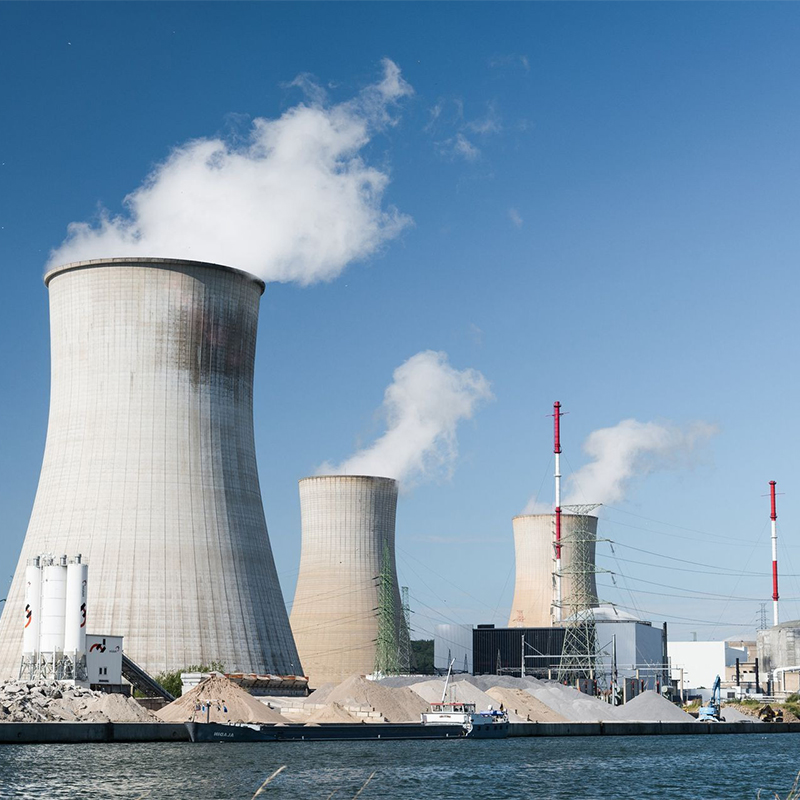
We Provide Cooling Tower Solution

Views: 0 Author: Cindy Publish Time: 2026-11-19 Origin: Site


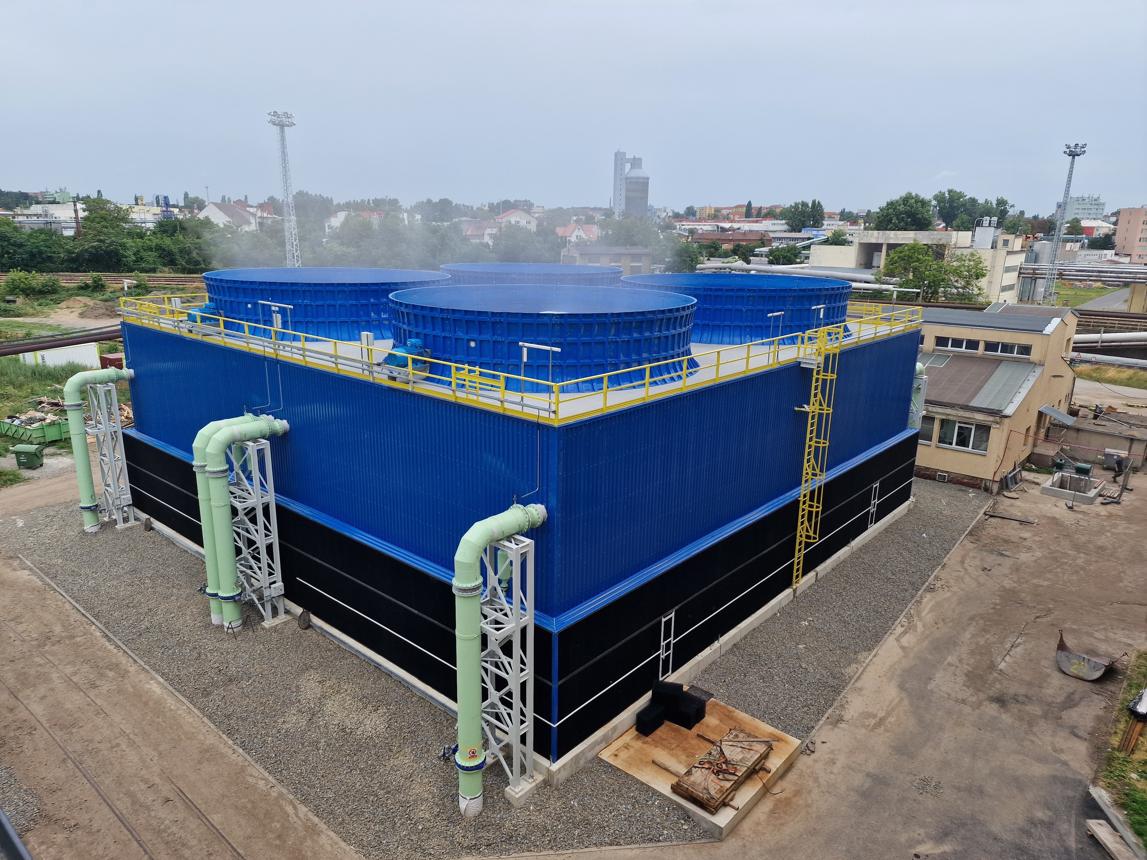
A cooling tower works hard behind the scenes. Whether it supports an industrial production line, a commercial HVAC system, a power plant, or a manufacturing facility, its job is simple but essential: remove unwanted heat and keep the circulating water at the required temperature.
But what happens when the cooling tower stops performing as expected? Maybe the outlet water temperature rises. Perhaps the fan starts making unusual noises, water begins leaking from the basin, or the fill becomes blocked with dirt and mineral deposits. These problems may seem small at first, but they can gradually reduce cooling efficiency, increase energy consumption, and even force an unexpected shutdown.
That is why regular cooling tower maintenance matters.
In this guide, we'll look at the most common cooling tower faults, explain why they happen, and provide practical solutions. We'll also cover inspection schedules, preventive maintenance, component replacement, and how to choose a reliable cooling tower manufacturer.
Whether you're maintaining an existing system or planning to install a new one, understanding these issues can help you protect your equipment and keep your operation running smoothly.
Think of a cooling tower as the lungs of an industrial cooling system. It needs clean airflow, consistent water distribution, and properly functioning components to transfer heat effectively.
When one part starts to fail, the entire system can suffer.
Poor maintenance may lead to:
Reduced cooling capacity and higher outlet water temperatures.
Increased fan and pump energy consumption.
Excessive vibration, noise, and mechanical wear.
Blocked cooling tower fill and spray nozzles.
Water leakage and unnecessary water consumption.
Corrosion, scaling, and biological growth.
Unexpected equipment shutdowns and expensive repairs.
Regular maintenance helps identify these issues before they become serious. It also extends the service life of important components, including fans, motors, gearboxes, fill media, spray systems, and drift eliminators.
Most importantly, maintenance should not be treated as a repair activity that only happens after something breaks. A planned maintenance program is usually more economical and reliable than repeatedly responding to emergencies.
Before diagnosing common faults, it helps to understand how the equipment operates.
A conventional open-circuit cooling tower removes heat through direct contact between circulating water and air. Hot water enters the tower and is distributed over the fill. Air moves through the equipment, allowing a portion of the water to evaporate. This evaporation removes heat from the remaining water.
The cooled water collects in the basin and returns to the industrial process or heat exchanger.
A closed-circuit cooling tower works differently. The process fluid flows inside a heat exchanger coil, while external spray water circulates over the coil. Airflow and evaporation remove heat from the coil without directly mixing the process fluid with the external spray water.
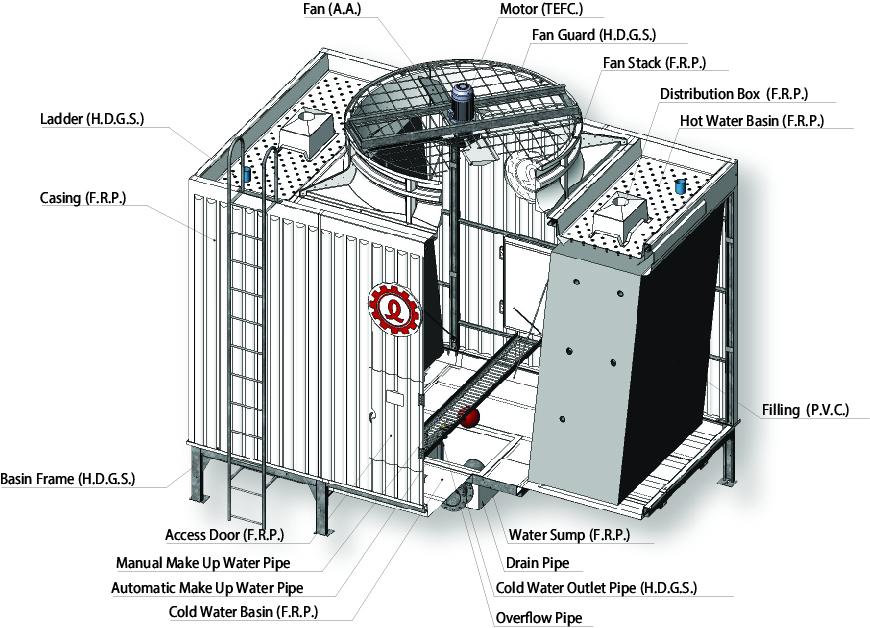
Although their heat-transfer arrangements differ, both systems depend on several key components:
Fan and motor for airflow.
Water distribution system for even water coverage.
Fill or heat exchanger coil for heat transfer.
Drift eliminators to reduce water droplet carryover.
Basin and piping for water collection and circulation.
Mechanical drive components for power transmission.
A problem in any of these areas can affect the overall cooling performance.
The following table summarizes common symptoms, possible causes, and recommended solutions.
| Common fault | Possible cause | Recommended solution |
|---|---|---|
| High outlet water temperature | Poor airflow, blocked fill, insufficient water flow | Inspect fan, fill, and water distribution |
| Excessive fan vibration | Blade imbalance, loose bolts, bearing wear | Check alignment, balance, and fasteners |
| Unusual motor noise | Bearing damage or electrical problems | Inspect motor and bearings |
| Uneven water distribution | Blocked nozzles or damaged piping | Clean or replace distribution components |
| Reduced airflow | Incorrect fan pitch or damaged blades | Inspect fan and adjust according to specifications |
| Fill clogging | Dirt, scale, and biological deposits | Clean fill or replace damaged sections |
| Water leakage | Cracked basin, loose connections, damaged seals | Repair leaks and inspect structural components |
| Excessive drift | Damaged or poorly installed eliminators | Clean, repair, or replace drift eliminators |
| Gearbox overheating | Poor lubrication, overload, misalignment | Check oil, loading, and alignment |
A useful rule is to investigate symptoms systematically. For example, high outlet water temperature does not automatically mean the fill is damaged. The real cause could be insufficient airflow, incorrect water flow, a higher-than-design heat load, or an increase in entering wet-bulb temperature.
The fan is one of the most important components in a mechanical-draft cooling tower. It creates the airflow needed for heat and mass transfer.
When the fan operates incorrectly, cooling performance can drop quickly.
Excessive vibration is a common warning sign. You may notice shaking around the fan cylinder, unusual mechanical noise, or vibration transmitted through the tower structure.
Common causes include:
Fan blades with uneven weight distribution.
Loose blade or hub bolts.
Damaged or deformed fan blades.
Incorrect fan alignment.
Worn bearings.
Shaft or gearbox problems.
Structural looseness.
Solutions:
First, shut down and isolate the equipment according to the site's safety procedures. Inspect the fan blades, hub, fasteners, shaft, bearings, and supporting structure.
Check whether the blades have cracks, deformation, or accumulated dirt. Even a small amount of uneven buildup can affect balance at high rotational speeds.
If necessary, arrange professional fan balancing and alignment. Always follow the manufacturer's specified blade angle, tightening torque, and operating speed.
Do not simply tighten components while the fan is running. Rotating machinery can cause severe injuries.
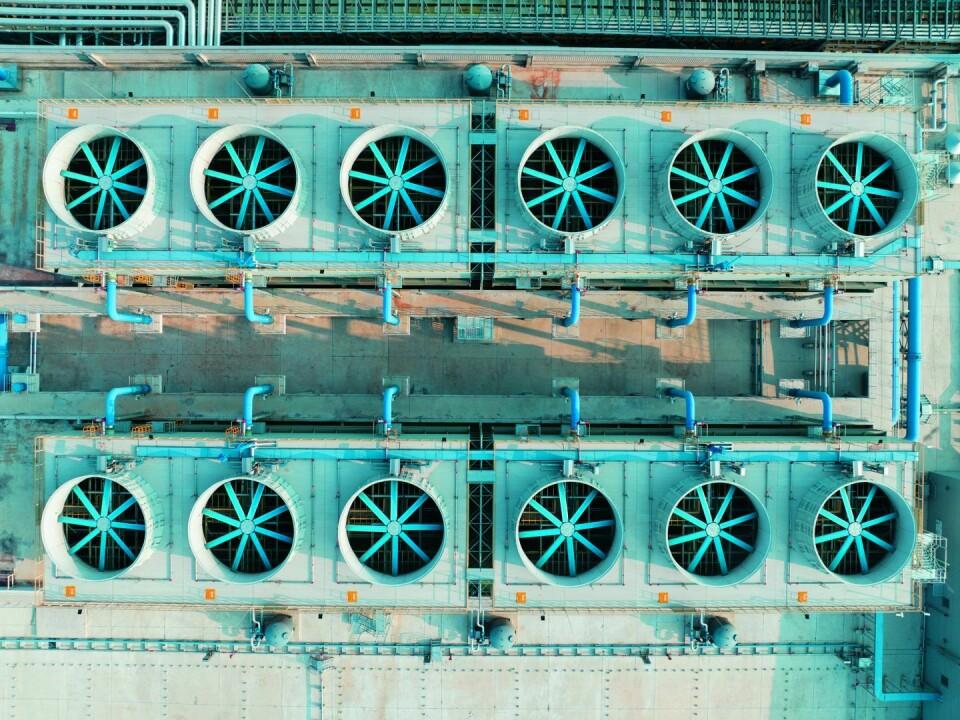
If the fan runs but the cooling tower does not deliver sufficient airflow, several issues may be responsible.
Possible causes include:
Incorrect fan blade pitch.
Fan rotation in the wrong direction.
Damaged or worn blades.
Motor operating below its required speed.
Air leakage or recirculation.
Obstructions around the air inlet.
Excessive resistance through the air path.
Solutions:
Check the fan's rotation direction and compare operating speed with the design requirements. Inspect the air inlet, fan cylinder, and surrounding structures for obstructions.
If blade pitch needs adjustment, use the manufacturer's specifications rather than making random changes. Increasing the blade angle does not always improve cooling. It can overload the motor and increase power consumption.
Also check whether hot, humid discharge air is being drawn back into the air inlet. This recirculation can reduce the tower's effective cooling performance.
An overheated motor may trip repeatedly, lose efficiency, or suffer permanent insulation damage.
Common causes include:
Electrical overload.
Incorrect voltage or phase imbalance.
Poor ventilation.
Damaged bearings.
Excessive fan load.
Frequent starting and stopping.
Moisture entering the motor enclosure.
Solutions:
Measure the motor's operating current and compare it with the rated values. Have a qualified electrician check voltage, phase balance, electrical connections, and protective devices.
Inspect the motor cooling passages and remove accumulated dust or debris. If bearing damage is suspected, arrange inspection and replacement.
Never repeatedly reset a motor overload protection device without finding the cause of the trip.
Water distribution is just as important as airflow. The cooling tower fill must receive an even supply of water to use its heat-transfer surface effectively.
If some areas receive too much water while others remain dry, the tower cannot operate as designed.
Spray nozzles can become blocked by sediment, mineral deposits, corrosion products, or biological material.
Typical symptoms include uneven spray patterns, dry areas on the fill, and reduced cooling performance.
Solutions:
Inspect the nozzles and distribution pipes during scheduled maintenance. Remove deposits using cleaning methods compatible with the nozzle material.
Replace nozzles that are cracked, deformed, or badly worn. Also check filtration and water-treatment arrangements to reduce the risk of repeated blockage.
Avoid using excessive mechanical force or unsuitable chemicals that could damage the nozzle openings.
Uneven distribution can result from blocked pipes, incorrect operating pressure, damaged spray branches, or poor installation.
To diagnose the problem, inspect the water distribution pattern across the fill. Check whether the system supplies water evenly under normal operating conditions.
If the water pressure is too low, inspect the pump, valves, filters, and piping for restrictions. If pressure is too high, verify that the nozzles and piping are operating within their design limits.
A well-maintained distribution system helps the fill work efficiently and reduces unnecessary thermal performance losses.
Cooling tower fill provides a large surface area for water and air contact. It is one of the most important components affecting thermal performance.
Over time, however, fill can become clogged, scaled, deformed, or damaged.
Dirt, suspended solids, mineral deposits, and biological growth can accumulate on the fill surface.
As deposits build up, they restrict airflow and reduce the effective contact area between water and air. In severe cases, water may collect in certain areas instead of flowing evenly through the fill.
Solutions:
Start with a visual inspection. Look for blocked passages, heavy deposits, uneven water flow, and damaged fill sheets.
Depending on the material and type of deposit, suitable cleaning may restore performance. Use cleaning chemicals only after confirming compatibility with the fill material and following the chemical supplier's instructions.
If the fill is severely blocked, brittle, or damaged, replacement may be more practical than repeated cleaning.

Cooling tower fill operates under continuous exposure to water, heat, chemicals, and airflow. Over time, certain materials may become brittle, distorted, or lose their structural strength.
Common warning signs include:
Cracked or broken fill sheets.
Sagging fill packs.
Disconnected bonding points.
Collapsed passages.
Persistent blockage that cannot be removed.
Uneven water distribution caused by damaged surfaces.
Solutions:
Inspect the fill material and supporting structure. If only a small area is damaged, partial replacement may be possible when the design allows it.
If deterioration is widespread, replace the affected fill with a suitable product designed for the tower's operating conditions.
When selecting replacement fill, consider water temperature, water quality, suspended solids, chemical compatibility, airflow resistance, sheet spacing, and installation dimensions.
Do not choose fill based only on price or appearance. A product with the wrong geometry can create airflow resistance or fail to provide the required heat-transfer performance.
The basin collects cooled water before it returns to the process. Leaks can cause water loss, unstable operating levels, and potential damage to nearby structures.
Common leakage points include:
Basin cracks.
Damaged waterproof coatings.
Loose pipe connections.
Worn gaskets and seals.
Corroded metal sections.
Faulty drain or make-up water valves.
Solutions:
Inspect the basin, joints, valves, and pipe connections. If the water level drops unexpectedly, first distinguish actual leakage from normal evaporation, drift, and blowdown losses.
Small leaks may be repaired using materials suitable for the basin construction and operating environment. Larger cracks or structural damage may require professional repair or component replacement.
Also inspect the make-up water valve and level-control system. A faulty float valve or level sensor can cause overflow that looks like a structural leak.
Water quality has a direct influence on cooling tower reliability. Poor water treatment can damage equipment, restrict water passages, and increase maintenance costs.
Three problems deserve particular attention.
Scale forms when dissolved minerals precipitate from circulating water and attach to surfaces.
It can accumulate on fill, spray nozzles, piping, heat exchanger surfaces, and other components.
Solutions:
Monitor circulating water chemistry and follow a suitable water-treatment program. Control cycles of concentration, hardness, alkalinity, and other relevant parameters according to the system design and treatment provider's recommendations.
Regularly inspect areas where deposits are likely to form. Use an appropriate descaling method when necessary.
Corrosion can weaken metal structures, damage piping, and cause leaks.
It may be accelerated by unsuitable water chemistry, oxygen exposure, high dissolved solids, or incompatible materials.
Solutions:
Inspect metal surfaces, fasteners, pipe connections, and structural supports for rust and coating damage.
Maintain appropriate corrosion-control measures and repair protective coatings when required. If corrosion has reduced the strength of a component, replacement may be safer than surface treatment alone.
Warm water, sunlight, nutrients, and stagnant areas can encourage biological growth.
Algae and slime may block nozzles, coat fill surfaces, and interfere with water distribution. Cooling towers can also create conditions that support the growth of harmful microorganisms, including Legionella.
Solutions:
Use a water-management program appropriate for the facility and local regulations. This may include water treatment, monitoring, cleaning, disinfection, and control of stagnant areas.
Do not rely on visual appearance alone to determine whether water is microbiologically safe. Follow applicable public-health guidance and involve qualified water-treatment professionals.
Drift eliminators reduce the amount of liquid water droplets carried out of the cooling tower with the exhaust air.
When eliminators become damaged, blocked, or incorrectly installed, water drift can increase.
Common problems include broken blades, missing sections, poor sealing, and accumulated deposits.
Solutions:
Inspect the eliminator sections for cracks, deformation, gaps, and loose connections. Clean deposits using a method suitable for the material.
Replace damaged sections with compatible eliminators that match the original design requirements.
Correct installation matters. Even a good eliminator may perform poorly if sections are missing or gaps allow air and water droplets to bypass the intended passages.
The drive system transfers power from the motor to the fan. Depending on the cooling tower design, it may use a gearbox, belt drive, direct drive, or another arrangement.
Common faults include:
Gearbox overheating.
Oil leakage.
Low or degraded lubricant.
Worn bearings.
Belt slippage.
Incorrect belt tension.
Shaft misalignment.
Excessive mechanical vibration.
Solutions:
Follow the manufacturer's lubrication schedule and use the specified lubricant grade. Check oil levels, leaks, temperature, and abnormal noise.
For belt-driven systems, inspect belts for cracking, wear, and incorrect tension. Replace belts in accordance with the drive manufacturer's recommendations.
For gearbox systems, investigate overheating or abnormal noise before continuing operation. Check lubrication, loading, alignment, and bearing condition.
Never assume that adding more lubricant will solve every gearbox problem. Excessive lubrication can also cause overheating or seal damage in some designs.
One of the most common questions from plant operators is: Why is my cooling tower running, but the water is still too hot?
There is rarely just one possible answer.
Start by checking the operating conditions and comparing them with the original design point.
| Symptom | Possible reason | What to check |
|---|---|---|
| High cold-water temperature | High entering wet-bulb temperature | Local weather and design conditions |
| Poor cooling with low airflow | Fan or air inlet problem | Fan speed, blade pitch, obstructions |
| Poor cooling with uneven spray | Nozzle blockage | Spray pattern and water pressure |
| High pressure drop | Blocked fill or air passages | Fill condition and airflow resistance |
| High motor current | Excessive fan load | Blade pitch, motor, drive system |
| Unstable basin level | Leakage or faulty make-up valve | Basin, valves, level controls |
| Gradual performance decline | Scaling or biological growth | Water chemistry and internal cleanliness |
A practical troubleshooting sequence is:
Record hot-water and cold-water temperatures.
Measure or verify entering air wet-bulb temperature.
Check circulating water flow.
Inspect fan rotation, speed, and operating condition.
Examine the water distribution pattern.
Inspect fill, eliminators, and air passages.
Review water-treatment records and recent operating changes.
Remember that cooling tower performance depends on the heat load and ambient conditions. A tower may produce warmer outlet water on a hot, humid day even when it is operating correctly.
For a reliable diagnosis, compare measured performance with the original design conditions or an agreed performance guarantee.
A structured maintenance schedule makes it easier to identify developing problems and assign responsibility.
The exact frequency depends on the tower type, operating hours, water quality, environment, and manufacturer recommendations.
Daily checks should focus on operating conditions and unusual changes.
Record hot-water and cold-water temperatures.
Check basin water level.
Observe fan and motor operation.
Listen for unusual noise or vibration.
Check for visible water leakage.
Review alarms and motor operating conditions.
Observe water distribution and spray patterns.
Weekly inspections can include a closer look at strainers, accessible nozzles, external surfaces, and water-treatment readings.
Monthly or quarterly tasks may include:
Inspecting fan blades and hub fasteners.
Checking motor mounting and electrical connections.
Inspecting belts, bearings, and gearbox condition.
Checking lubricant levels and signs of leakage.
Cleaning strainers and accessible water passages.
Inspecting drift eliminators.
Checking fill for dirt, scaling, and deformation.
Reviewing water-treatment performance.
The maintenance team should record findings and compare them with previous inspections. A gradual increase in vibration or motor current may reveal a developing fault before the equipment fails.
A more comprehensive inspection should be scheduled according to operating conditions and manufacturer guidance.
It may include:
Detailed fan and drive-system inspection.
Structural inspection of the tower casing and supports.
Inspection of basin condition and waterproofing.
Fill and drift eliminator assessment.
Inspection of spray pipes and nozzles.
Electrical system checks.
Review of cooling performance and operating efficiency.
Cleaning and disinfection as required by the water-management program.
If the tower is shut down for maintenance, follow the site's isolation, drainage, cleaning, and restart procedures.
Preventive maintenance and emergency repair have very different costs.
Preventive maintenance identifies wear, deposits, loose connections, and abnormal operating conditions before they cause a breakdown.
Emergency repairs usually happen after a component has already failed. They may involve production interruptions, urgent spare-part purchases, overtime labor, and additional equipment damage.
Consider a fan bearing that begins to produce unusual noise. Replacing the bearing during a planned maintenance window may be straightforward. Ignoring the warning could eventually damage the shaft, motor, or gearbox.
The same principle applies to fill media. Cleaning and inspection may restore performance when deposits are still manageable. Waiting until the fill collapses can lead to a much larger replacement project.
A good preventive maintenance program should include inspection records, operating data, spare-part planning, and clear responsibility for follow-up actions.
Cooling tower maintenance involves rotating machinery, electricity, chemicals, wet surfaces, and potentially hazardous biological exposure.
Safety must come before speed.
Before starting work:
Shut down and isolate equipment where required.
Apply lockout/tagout procedures.
Verify that rotating equipment has stopped.
Use suitable personal protective equipment.
Follow confined-space procedures where applicable.
Use fall protection when working at height.
Follow chemical handling and disinfection instructions.
Prevent unauthorized access to the work area.
Cooling tower cleaning and disinfection should follow an appropriate water-management program and applicable public-health requirements. Workers should not enter a tower or handle treatment chemicals without the necessary training and protective measures.
Never inspect fan blades, belts, or drive components while the equipment is running unless the task is specifically designed and authorized for safe operation under an approved procedure.
Not every faulty component needs immediate replacement. Some problems can be corrected through cleaning, adjustment, lubrication, or repair.
However, replacement is usually worth considering when a component has reached the end of its useful service life or can no longer meet operating requirements.
| Component | Signs replacement may be needed |
|---|---|
| Cooling tower fill | Severe deformation, brittleness, collapse, or persistent blockage |
| Fan blades | Cracks, structural damage, or deformation |
| Motor | Repeated electrical failure or irreparable bearing damage |
| Gearbox | Severe internal wear or repeated mechanical failure |
| Spray nozzles | Cracks, deformation, or recurring blockage |
| Drift eliminators | Broken sections, missing parts, or permanent deformation |
| Basin components | Structural damage or corrosion beyond practical repair |
When replacing components, verify dimensions, material compatibility, operating temperature, mechanical loading, and performance requirements.
For cooling tower fill, pay particular attention to sheet spacing, pack geometry, installation height, water quality, and airflow resistance. For fans and drive systems, confirm the required diameter, rotational speed, power, and mechanical compatibility.
A replacement part should fit the actual tower design, not just look similar to the old component.
Maintenance is important, but equipment design and manufacturing quality also influence long-term reliability.
A cooling tower designed for the wrong operating conditions may require frequent adjustments and repairs. Poorly selected materials can deteriorate quickly in aggressive water or outdoor environments.
When evaluating a cooling tower manufacturer, consider the following factors:
1. Engineering capability
The manufacturer should understand your required heat load, water flow, inlet and outlet temperatures, and local wet-bulb conditions.
2. Product range
Check whether the manufacturer can supply equipment suitable for your application, including open-circuit and closed-circuit cooling towers where required.
3. Component quality
Pay attention to fans, motors, gearboxes, fill media, drift eliminators, water distribution systems, and structural materials.
4. Customization capability
Industrial projects often have limited installation space, special water conditions, or specific operating requirements. A manufacturer should be able to assess these factors before recommending equipment.
5. Technical support
Reliable technical communication, installation guidance, spare-part availability, and after-sales support can make a major difference throughout the equipment's service life.
Mach Industry (Zhejiang) Co.,Ltd, operating under the Mach Cooling brand, provides cooling tower solutions for industrial applications.
When selecting a cooling tower, it is important to look beyond the initial purchase price. Proper equipment selection, suitable materials, correct installation, and an appropriate maintenance plan all contribute to long-term operating performance.
For companies planning a new cooling tower project or evaluating equipment replacement, Mach Cooling can be contacted to discuss project requirements and suitable cooling solutions.
Website: https://www.machcooling.com
Before placing an order, provide the manufacturer with your required cooling capacity, circulating water flow, inlet and outlet water temperatures, entering wet-bulb temperature, installation conditions, and any special water-quality requirements. These details help the engineering team evaluate the application more accurately.
Cooling towers should receive routine operating checks daily or at another frequency defined by the site's maintenance plan. More detailed inspections are commonly scheduled weekly, monthly, quarterly, and annually.
The exact schedule depends on equipment design, operating hours, water quality, environmental conditions, and manufacturer recommendations.
Common reasons include insufficient airflow, blocked fill, uneven water distribution, low circulating water flow, scaling, and a higher-than-expected heat load.
Check hot-water temperature, cold-water temperature, wet-bulb temperature, water flow, fan operation, and fill condition before deciding which component needs repair.
There is no single replacement interval for all cooling tower fill. Service life depends on material quality, water chemistry, operating temperature, maintenance, and environmental conditions.
Replace fill when it becomes severely deformed, brittle, collapsed, or persistently blocked and cleaning can no longer restore acceptable performance.
Yes. Clean fill, unobstructed airflow, properly adjusted fans, and efficient water distribution can help the tower operate closer to its intended performance.
Maintenance does not guarantee a specific energy saving, but it can prevent avoidable energy losses caused by mechanical problems, deposits, and poor operating conditions.
Cooling tower maintenance is not just about cleaning equipment or replacing worn parts. It is about protecting the performance of an entire cooling system.
Fan vibration, motor overheating, blocked nozzles, fill deterioration, water leakage, scaling, corrosion, and drift eliminator damage are all common problems. Fortunately, many can be identified early through routine inspections and systematic troubleshooting.
The best approach is straightforward: monitor operating conditions, maintain water quality, inspect critical components, keep accurate maintenance records, and replace damaged parts before they cause larger failures.
If your facility is planning a new cooling tower installation or considering equipment replacement, working with an experienced manufacturer is equally important.
Mach Industry (Zhejiang) Co.,Ltd aims to support industrial cooling applications with cooling tower solutions. Visit https://www.machcooling.com to learn more and discuss your project requirements.
A well-maintained cooling tower is more than a piece of equipment. It is an investment in stable production, efficient operation, and long-term reliability.