We Provide Cooling Tower Solution

Views: 0 Author: Site Editor Publish Time: 2025-12-29 Origin: Site


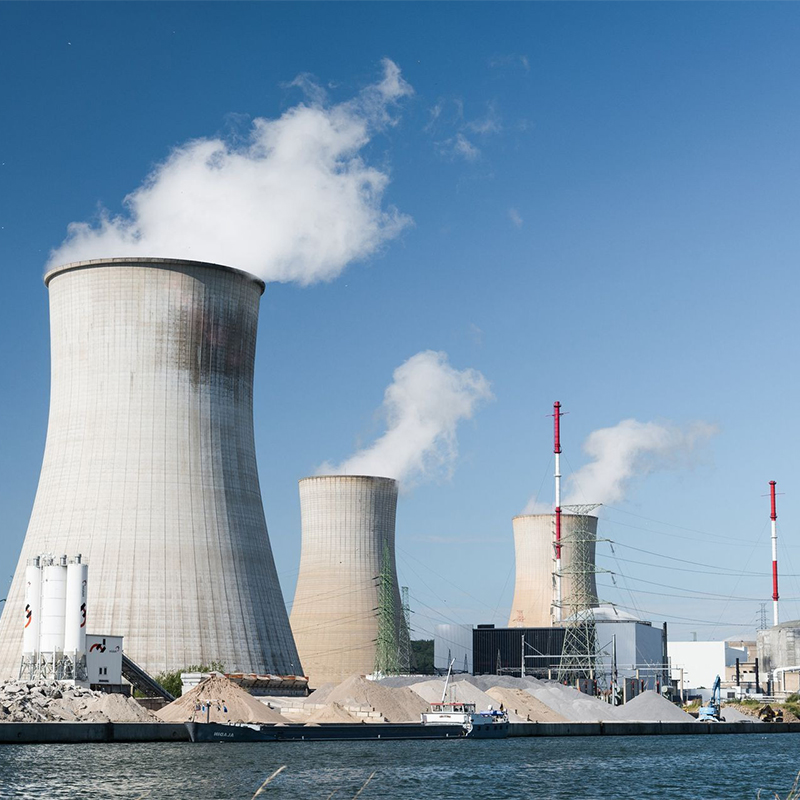
If you’ve ever driven past a power plant or large industrial facility, you’ve probably noticed those massive cooling towers with a distinctive “hourglass” silhouette. They look elegant, almost artistic—but make no mistake, that graceful curve is not about aesthetics. The hyperbolic shape of cooling towers is a brilliant engineering solution driven by physics, structural efficiency, and long-term economics.
So why exactly is a cooling tower hyperbolic instead of straight or cylindrical? Let’s break it down in a clear, practical, and human way.
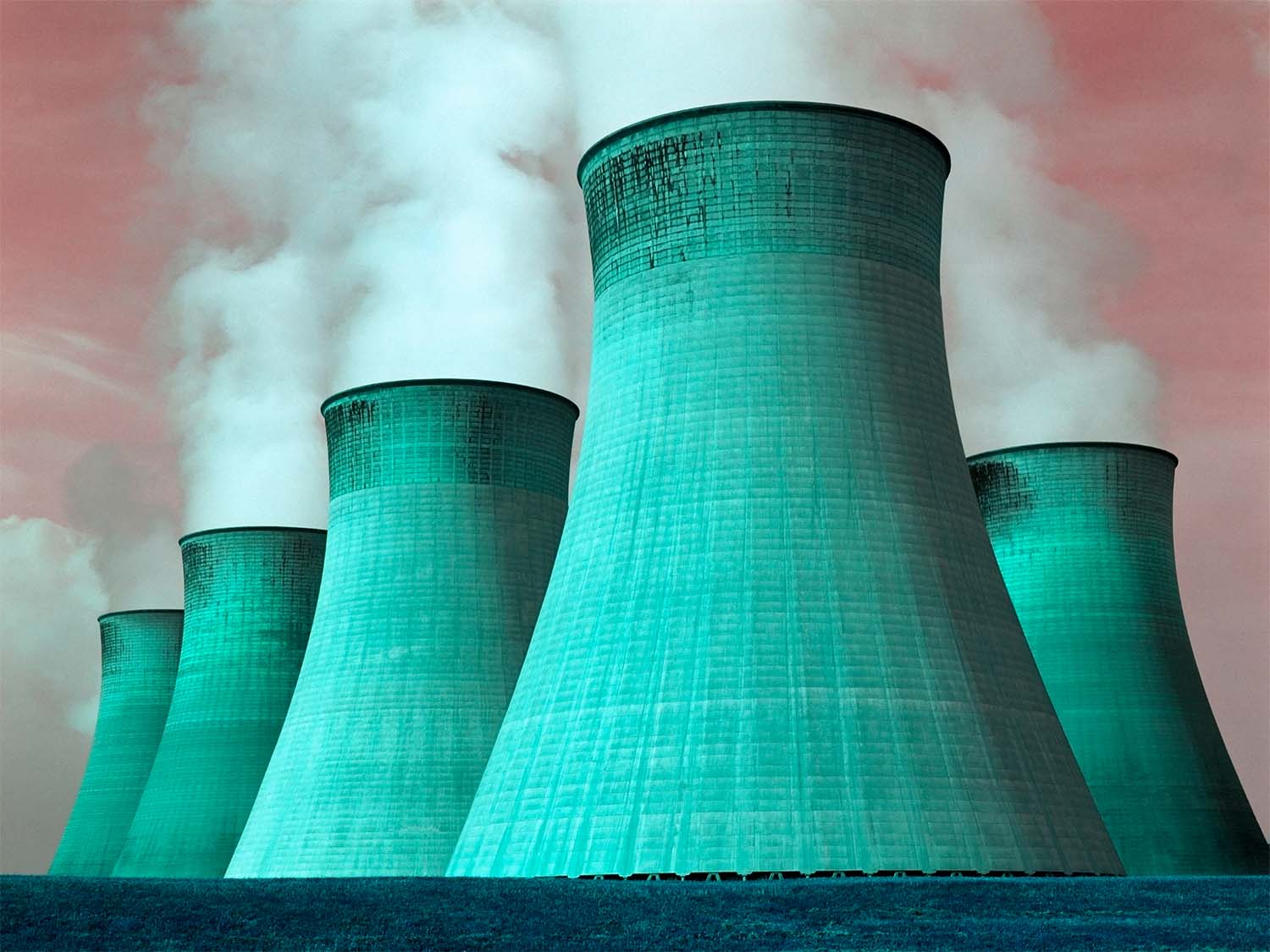
Cooling towers are designed to remove waste heat from industrial systems such as power plants, petrochemical units, steel mills, and HVAC systems. Their job is simple in theory—cool hot water—but extremely complex in practice, especially at large scales.
While smaller systems often use mechanical draft cooling towers with fans, large-capacity installations rely heavily on natural draft cooling towers, almost all of which adopt a hyperbolic shape. This choice is not accidental; it’s the result of decades of engineering optimization.
A hyperbolic shape curves inward at the center and flares outward at both the bottom and the top. Think of it like a perfectly balanced hourglass. This geometry creates exceptional strength, efficient airflow, and material savings—all at the same time.
From a structural standpoint, a hyperboloid distributes stress evenly across its surface. This allows engineers to design thin-shell concrete structures that remain incredibly strong without excessive material thickness.
A cylindrical tower relies heavily on mechanical components like fans to move air. In contrast, a hyperbolic cooling tower uses its shape to move air naturally, reducing energy consumption and mechanical complexity.
Hyperbolic cooling towers date back to the early 20th century, when power plants began expanding rapidly across Europe and later the rest of the world.
Early designs were bulky, inefficient, and expensive to operate. Mechanical draft systems struggled to scale as thermal loads increased.
Engineers discovered that a tall, curved structure could create a powerful natural airflow without fans. The hyperbolic shape was the perfect answer—strong, efficient, and economical.
At the heart of the design is one simple principle: hot air rises.

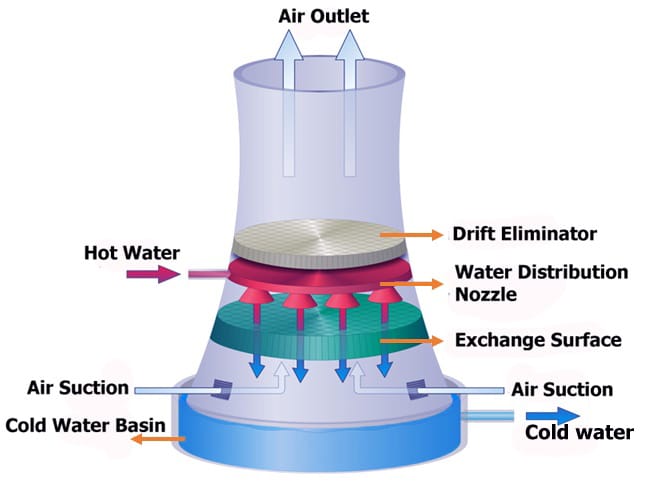
As warm, moist air rises inside the tower, the narrowing midsection accelerates airflow—much like squeezing a hose increases water speed. This creates a continuous, self-sustaining draft.
The taller the tower and the more optimized the curve, the stronger the stack effect. This natural airflow can move enormous volumes of air without consuming electrical power.
Beyond airflow, the hyperbolic form is a structural masterpiece.
Thanks to its geometry, a hyperbolic cooling tower requires less concrete while maintaining high strength, reducing construction costs and material usage.
The curved surface deflects wind loads instead of resisting them head-on. This makes hyperbolic towers exceptionally stable in high-wind and seismic regions.
The hyperbolic design doesn’t just move air—it moves it efficiently.
Uniform airflow across the fill media ensures consistent cooling and eliminates hot spots.
Longer air–water contact time means better heat transfer, higher cooling efficiency, and reduced water consumption.
Although they appear massive and complex, hyperbolic cooling towers are surprisingly economical over their lifecycle.
Optimized geometry reduces material usage, while durability minimizes long-term maintenance expenses.
With no large fans or motors, operating energy costs drop significantly—especially important for facilities running 24/7.
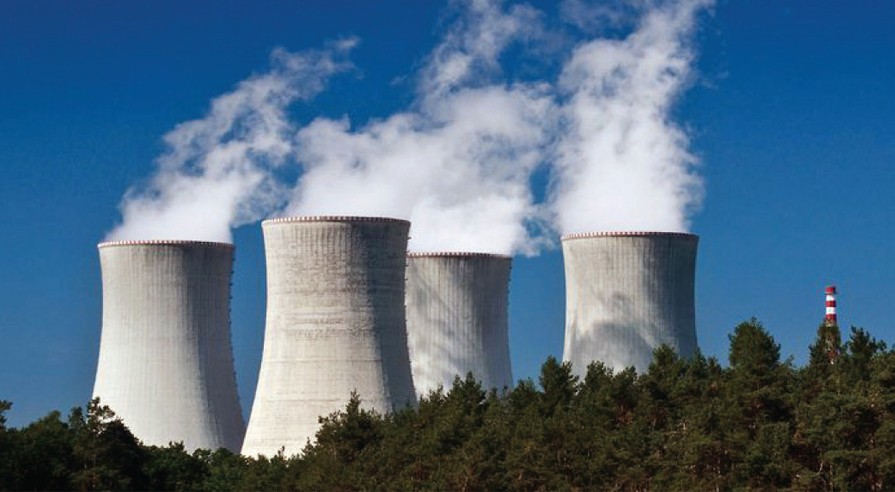
Hyperbolic cooling towers consume less electricity, operate quietly, and support lower carbon emissions. These advantages make them a sustainable cooling solution aligned with modern environmental standards.
Not all cooling towers are hyperbolic—and that’s perfectly fine.
Mechanical draft towers are compact and flexible, ideal for smaller installations. Hyperbolic natural draft towers dominate when capacity, efficiency, and long service life are the top priorities.
Hyperbolic cooling towers are commonly used in:
Thermal power plants
Nuclear power stations
Steel and metallurgical facilities
Large chemical and petrochemical complexes
Their scale and efficiency make them indispensable for high-heat-load environments.
As a professional cooling tower manufacturer, Mach Cooling integrates advanced thermal engineering, reliable materials, and application-specific designs to deliver efficient and durable cooling solutions worldwide.
Learn more at https://www.machcooling.com/
“They are outdated” – In reality, they remain the gold standard for large-scale cooling.
“They waste water” – Properly designed systems are highly water-efficient.
With advances in CFD simulation, materials science, and sustainability standards, cooling towers will continue to evolve. But the hyperbolic shape—proven by physics and decades of operation—is here to stay.
The hyperbolic shape of cooling towers is not a coincidence or a visual preference. It is the result of smart engineering, combining natural draft airflow, structural efficiency, thermal performance, and long-term economic value. When form follows function, the result is iconic—and hyperbolic cooling towers are a perfect example.