English


Views: 0 Author: Site Editor Publish Time: 2026-02-03 Origin: Site


Coastal areas present unique challenges when it comes to temperature control and cooling systems, especially in large-scale industrial and residential setups. When we think of cooling towers, concrete towers are often considered the ideal solution in such environments. But why is concrete the go-to material for cooling towers in coastal areas? In this article, we’ll dive deep into the reasons why concrete cooling towers are not just suitable but highly effective in coastal climates.
Cooling towers are critical for managing the heat generated by large systems in various industries, including power plants, factories, and high-rise buildings. But the coastal environment, with its saltwater and high humidity, requires specialized solutions to combat the unique challenges it presents. Concrete cooling towers stand out in these conditions due to their durability and resistance to environmental factors. Let’s explore why they’re the preferred choice for coastal regions.
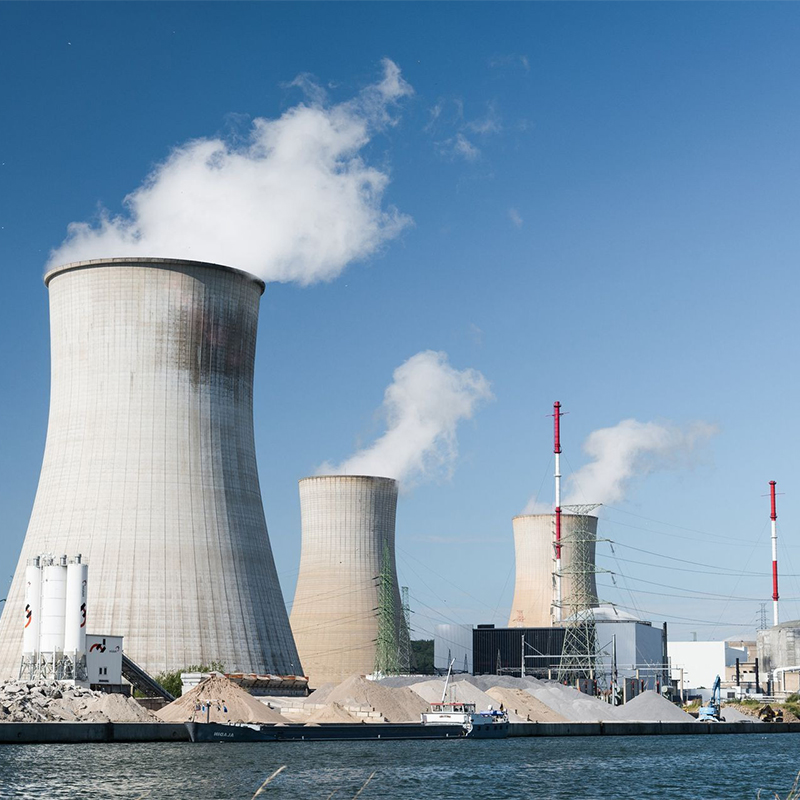
To fully understand why concrete cooling towers are ideal for coastal areas, we first need to define what they are and how they work. A concrete cooling tower is a heat rejection device that uses the natural flow of air to expel heat from water, which has been heated during industrial or mechanical processes.
A concrete cooling tower typically consists of a large, cylindrical structure made of reinforced concrete. Inside, there are heat exchange elements that maximize the surface area for water evaporation. The tower cools water, which is then recirculated to absorb more heat from the system. Concrete’s inherent properties make it especially durable in harsh conditions, such as those found in coastal environments.
Coastal areas face a variety of challenges when it comes to maintaining optimal temperatures, and efficient cooling systems are necessary to tackle these hurdles.
One of the most significant challenges in coastal environments is the exposure to saltwater, which can accelerate the corrosion of materials. Cooling towers that operate near the sea are at constant risk of corrosion, which can degrade the cooling system’s efficiency. Concrete, however, is naturally resistant to saltwater corrosion, making it a perfect material for construction in coastal regions.
Coastal areas are often characterized by high humidity levels and fluctuating temperatures. These environmental factors place additional strain on cooling systems, requiring them to be more resilient. Concrete cooling towers, with their robust structure and thermal mass, help to manage temperature fluctuations more effectively than other materials.
Concrete cooling towers offer several distinct advantages, especially in coastal areas. Let’s break down why they are preferred over other materials in these challenging environments.
Concrete’s strength is well-known, and it can withstand the harsh conditions of coastal environments. High winds, salt exposure, and extreme weather events are common near the coast, and concrete cooling towers are engineered to endure these conditions without deteriorating. Their long-lasting nature makes them an excellent investment for facilities near the coast.
Saltwater corrosion is a major concern for metal cooling towers. Steel and other metals can degrade quickly when exposed to salt, reducing their lifespan and increasing maintenance costs. Concrete, on the other hand, is highly resistant to corrosion, ensuring that the cooling tower remains functional for many years with minimal upkeep.
While the initial installation of a concrete cooling tower may be more expensive compared to other materials, the long-term cost benefits outweigh the upfront costs. The durability, lower maintenance, and energy efficiency provided by concrete cooling towers lead to significant cost savings over time, particularly in coastal areas where saltwater can quickly degrade less robust materials.
Let’s take a closer look at how concrete cooling towers actually work, especially in coastal conditions.
Concrete cooling towers excel at dissipating heat due to the material's high thermal mass. This means that concrete can absorb and release heat efficiently, making it ideal for cooling water systems. In coastal areas, where temperature fluctuations can be significant, concrete towers can better manage heat dissipation and maintain a steady cooling process.
One of the key benefits of concrete cooling towers is their low maintenance needs. Unlike metal towers that require frequent repairs due to corrosion, concrete cooling towers are much easier to maintain. The durability of concrete in coastal environments means that these towers can operate for decades without the need for extensive repairs.
Concrete cooling towers offer several key benefits that make them particularly effective in coastal areas.
The exposure to saltwater and humid air can cause significant wear and tear on cooling towers made from materials like steel. Concrete cooling towers, however, are much more resilient, resulting in a longer service life and less frequent replacement.
Concrete is a sustainable material that can be recycled and repurposed, making it an environmentally friendly choice for cooling tower construction. In coastal areas, where environmental concerns are a priority, concrete towers offer a solution that minimizes waste and reduces the carbon footprint.
In addition to being eco-friendly, concrete cooling towers are designed to minimize the impact on the surrounding environment. The design of these towers focuses on energy efficiency and reducing the use of harmful refrigerants, contributing to a cleaner and greener coastal environment.
While concrete cooling towers are ideal for coastal areas, there are some factors to consider before installation.
The upfront cost of a concrete cooling tower can be higher than that of other materials. However, the long-term savings in maintenance and energy efficiency make it a worthwhile investment in the long run.
Concrete cooling towers tend to be large, requiring significant space for installation. Coastal facilities must plan carefully to ensure they have enough room for these towers without disrupting other operations.
Concrete cooling towers are the perfect solution for managing heat dissipation in coastal areas. Their durability, resistance to corrosion, and cost-effectiveness make them the preferred choice for large-scale cooling needs. Whether it’s for a power plant, industrial facility, or high-rise building, concrete cooling towers provide reliable and efficient performance even in the most challenging coastal environments.