We Provide Cooling Tower Solution

Views: 0 Author: Site Editor Publish Time: 2026-02-04 Origin: Site


When planning a cooling tower for any facility, the cost per ton is a critical factor to consider. Cooling towers are essential for maintaining the temperature in various industries, from power plants to commercial buildings. However, the price of a cooling tower can vary widely depending on key factors such as size, design, and materials used. Understanding these variables is crucial for selecting the right cooling tower while optimizing costs.
In this article, we’ll break down how these factors impact the cooling tower cost per ton, and help you make informed decisions whether you are constructing a new tower or upgrading an existing one.

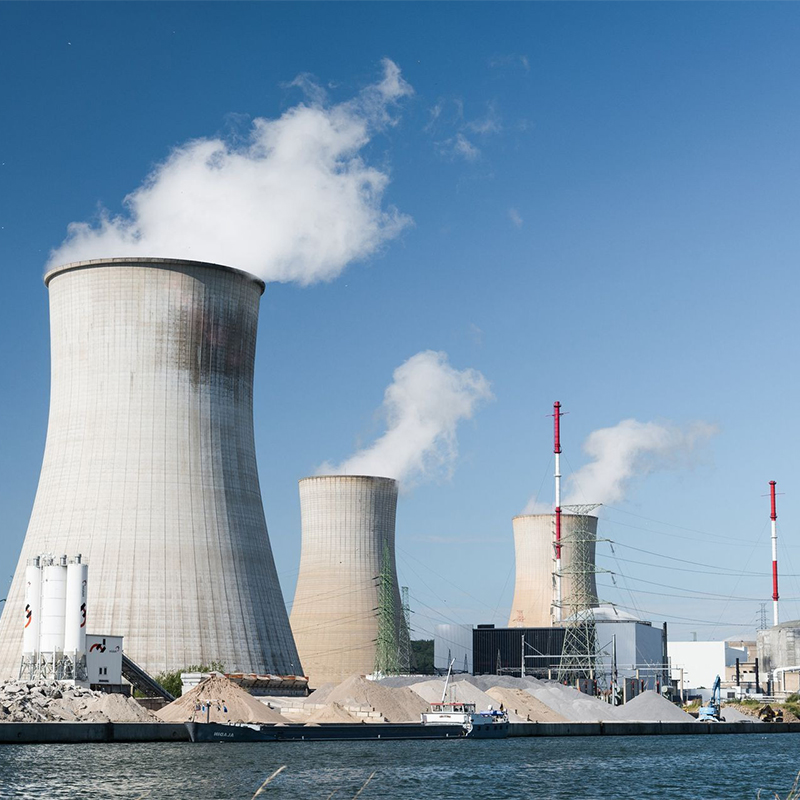
A cooling tower is a large, industrial structure designed to cool water by evaporating a portion of it. This process helps maintain the temperature of water used in various industrial applications, from air-conditioning systems to power plants. Cooling towers are integral to large-scale industrial processes where temperature control is essential.
The primary function of a cooling tower is to expel excess heat into the atmosphere. Water is pumped through the system, where it is cooled through evaporation and air exchange. The cooled water is then recirculated back into the system, ensuring that operations remain at optimal temperatures.
Several factors play a significant role in determining the cost per ton of a cooling tower. Among the most important are:
Size of the Tower
Design of the Tower
Materials Used
Let's delve into each of these factors to better understand how they affect the cost.
The size of the cooling tower is one of the most crucial factors in determining its cost. Larger towers, required to handle greater cooling loads, will naturally incur higher upfront costs. The size also affects installation, labor, and operational costs.
Cooling towers can be designed in various ways to meet specific operational requirements. These include modular designs, which are easier and cheaper to install, and custom designs, which are more complex and expensive but offer greater flexibility for unique requirements.
The material used in constructing the cooling tower significantly impacts both initial costs and long-term durability. Common materials include concrete, steel, and fiberglass, each with its own set of benefits and costs.
Larger cooling towers are needed for applications with higher heat rejection demands. The size determines the amount of air and water the tower can handle, which directly affects the cooling efficiency and operational costs.
Smaller towers typically have lower upfront costs but may not be as efficient in the long run. Larger towers, while more expensive, often provide better long-term savings due to their superior cooling capabilities and reduced energy consumption. The right size for your cooling tower will depend on your specific cooling needs.
Modular cooling towers are made up of standard, pre-fabricated components that can be assembled on-site. These are often less expensive due to their simplified construction process. In contrast, custom cooling towers are designed to meet specific needs and often come at a higher price due to the complexity involved.
More efficient designs, which may include advanced heat exchange methods or more robust air circulation, typically come with higher upfront costs. However, they can result in significant long-term savings through reduced energy use and operational costs.
Concrete – Known for its strength and durability, concrete is often used for large, industrial cooling towers. While more expensive initially, concrete towers have a long lifespan and low maintenance costs.
Steel – Steel towers offer excellent resistance to corrosion and are suitable for environments exposed to harsh conditions. They are often more affordable than concrete but may require more frequent maintenance.
Fiberglass – Fiberglass-reinforced plastic (FRP) cooling towers are lightweight, resistant to corrosion, and easy to maintain. They are ideal for smaller applications but can be more expensive than steel towers in some cases.
Choosing the right material for a cooling tower impacts both its operational efficiency and lifespan. Concrete towers are durable and require less frequent maintenance, making them a good choice for long-term use. Steel and fiberglass models, while offering lower initial costs, may require more maintenance to ensure they remain in optimal working condition.
To estimate the cost of a cooling tower per ton, divide the total installation cost by its cooling capacity in tons. The formula looks like this:
Formula:
Cooling Tower Cost Per Ton = Total Cost / Cooling Capacity (in tons)
This simple calculation can give you a rough estimate of the tower's cost-effectiveness.
The industry in which the cooling tower is used also plays a role in its cost. For example, cooling towers used in power plants are typically much larger and more expensive than those used in commercial buildings or office spaces. The cost per ton can differ greatly based on the specific needs of the operation.
Industrial cooling towers are typically larger and more complex, designed to handle higher heat loads. These towers tend to have higher initial costs but offer better efficiency for large-scale applications such as power plants and manufacturing facilities.
In contrast, commercial cooling towers, such as those used in office buildings or hotels, are generally smaller and less costly. While these towers are less expensive upfront, they still provide significant value by efficiently managing cooling needs for medium-sized operations.
Choosing the correct size and design is one of the most effective ways to reduce costs. Oversizing or undersizing a cooling tower can lead to unnecessary expenses. Make sure to accurately assess your cooling needs to select the most efficient design and size.
Regular maintenance is key to extending the lifespan of a cooling tower and minimizing repair costs. Towers made from durable materials like concrete or steel typically require less maintenance, but it’s still crucial to follow maintenance schedules to prevent costly repairs.
The cost per ton of a cooling tower depends on several factors, including its size, design, and materials. Understanding these elements will help you make an informed decision, balancing initial investment with long-term operational efficiency. Whether you’re managing a small commercial tower or a large industrial installation, selecting the right cooling tower is essential for optimizing both performance and budget.
For more information, you can explore MachCooling, a leading manufacturer of cooling towers that can help you select the perfect model for your needs.