We Provide Cooling Tower Solution

Views: 0 Author: Site Editor Publish Time: 2026-02-04 Origin: Site


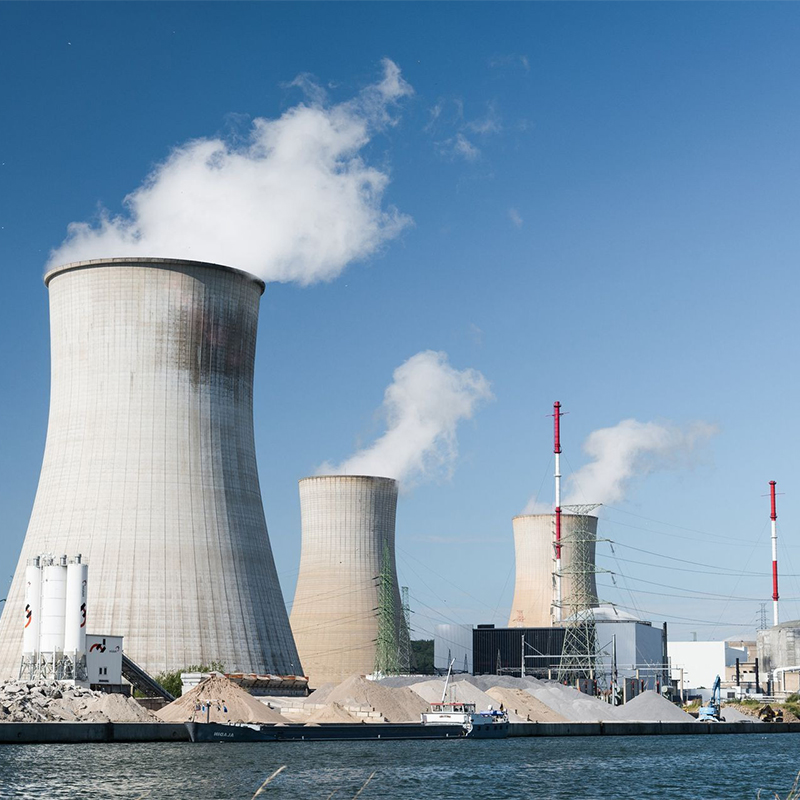
Cooling towers are essential structures in industrial and commercial facilities, helping to dissipate excess heat from processes. Over time, these towers may become obsolete or unsafe for operation, and when this happens, demolition becomes necessary. Cooling tower demolition is a specialized task that requires precise techniques, equipment, and a deep understanding of the structural dynamics of the tower.
In this article, we will explore the various techniques, equipment, and methods used in cooling tower demolition, highlighting the steps involved, key considerations, and challenges faced during the process.
Cooling tower demolition refers to the process of dismantling or destroying a cooling tower that is no longer in use. The demolition can occur for several reasons, such as outdated technology, structural damage, or because the tower is being replaced by a more efficient model.
There are multiple reasons why a cooling tower may need to be demolished:
Obsolescence: Older cooling towers may no longer meet modern efficiency or environmental standards.
Structural Damage: Over time, the cooling tower may experience wear and tear, making it unsafe to operate.
Replacement: Newer technologies or designs might render older towers inefficient or unsuitable.
Upgrading Facilities: When facilities undergo significant upgrades, the existing cooling tower may need to be replaced with a more suitable solution.
Mechanical demolition is the most common method used in cooling tower demolition. It involves using heavy machinery, such as excavators, cranes, and bulldozers, to dismantle the tower piece by piece. This method is suitable for cooling towers that are not excessively tall or complex.
For taller and more challenging cooling towers, explosive demolition is often used. This method involves strategically placing explosives in the structure to bring it down in a controlled manner. Explosives are carefully calculated and placed by experts to ensure the safety of surrounding structures.
In some cases, especially when dealing with smaller cooling towers or when environmental considerations are critical, deconstruction by hand may be used. This technique involves workers manually dismantling the tower with tools, ensuring minimal impact on the surrounding environment. It is a slower but highly controlled approach.
The most critical equipment in mechanical demolition includes:
Excavators: Used to tear down structures and move debris.
Cranes: Essential for lifting and dismantling larger sections of the tower.
Bulldozers: Useful for leveling the site and clearing debris.
In explosive demolition, the following equipment is required:
Detonators: To set off the explosives at the right time.
Cutter Charges: Specialized explosives used to sever key structural components of the tower.
Safety is paramount in cooling tower demolition. Necessary safety equipment includes:
Hard hats and protective clothing for workers.
Dust suppression systems to control airborne particles.
Barriers to ensure safety from falling debris.
Cooling tower demolition can have a significant environmental impact. The process often involves the handling of hazardous materials, such as asbestos or lead-based paints, which must be disposed of properly. Waste management practices must be carefully planned to ensure that recyclable materials are salvaged, and hazardous substances are handled safely.
Before demolition begins, the site must undergo a thorough assessment. This includes checking the structural integrity of the tower, analyzing the surrounding environment, and ensuring that there is adequate space for demolition equipment.
Demolition projects must comply with strict regulations and safety standards. Contractors need to obtain the necessary permits and conduct safety assessments. All workers involved must be trained in demolition safety procedures.
One of the main challenges in cooling tower demolition is ensuring that the structure is demolished without causing damage to nearby structures. Proper planning and technique are crucial to ensure a safe demolition.
Many cooling towers contain hazardous materials, including asbestos, lead, or chemicals used in the cooling process. Special precautions must be taken to prevent contamination and to ensure safe removal and disposal.
Cooling tower demolition can create a significant amount of noise and dust. Measures such as noise barriers and dust suppression systems are essential to minimize the impact on surrounding areas.
After demolition, the debris and materials need to be properly disposed of. Materials such as steel, concrete, and fiberglass may be recycled, while hazardous materials must be safely removed and disposed of in accordance with environmental guidelines.
Recycling is an essential part of cooling tower demolition. Metal and concrete from the demolished tower can be recycled and reused in construction projects, which helps reduce waste and promote sustainability.
Once the demolition is complete, the site must be restored to its original state or prepared for new construction. This may involve grading the land, removing debris, and ensuring that any environmental contamination is addressed.
Demolishing a cooling tower is a highly specialized task that requires experienced contractors. These professionals are responsible for managing the demolition process, ensuring safety, and overseeing waste management.
Structural engineers play a vital role in assessing the integrity of the cooling tower before demolition begins. They determine the best approach for demolition and provide critical input regarding the building’s stability and the surrounding area.
Cooling tower demolition is a complex and demanding process that requires careful planning, the right techniques, and the use of specialized equipment. Whether using mechanical methods, explosive techniques, or hand deconstruction, the goal is to ensure a safe, efficient, and environmentally responsible demolition. With the right professionals and a well-organized approach, cooling tower demolition can be completed safely and effectively, clearing the way for new construction or upgrades to industrial facilities.
For more information on reliable cooling tower solutions, you can visit MachCooling, a leading manufacturer in cooling tower systems.