We Provide Cooling Tower Solution

Views: 0 Author: Site Editor Publish Time: 2026-02-03 Origin: Site


When you're living in a high-end apartment, comfort is paramount. One key factor contributing to that comfort is the temperature regulation in the building, and that's where cooling towers come in. But, are cooling towers really necessary for luxury apartment buildings? In this article, we’ll explore whether they are an essential feature and the benefits they bring to high-end living spaces.

In today’s world, people expect more from their living spaces, especially in luxury apartments. The inclusion of advanced systems that enhance comfort, sustainability, and energy efficiency is no longer optional but essential. Cooling towers are one such system that has been gaining attention. But what exactly is a cooling tower, and why does it matter for apartment buildings?
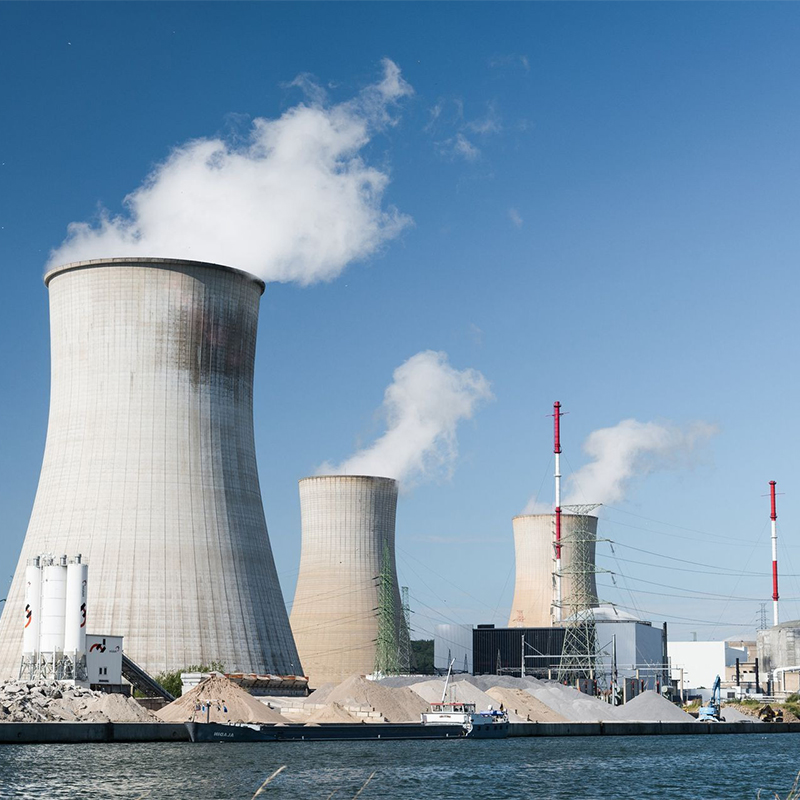
A cooling tower is a heat rejection device that removes heat from a building by transferring it to the atmosphere. They are often used in large buildings to manage temperature control, especially in areas where air conditioning systems might be too costly or ineffective.
For luxury apartments, cooling towers can be an attractive feature because they offer significant energy savings, better air circulation, and more sustainable living conditions.
Before we dive deeper into the pros and cons, let’s understand what cooling towers are and how they work.
A cooling tower operates by circulating water through a system of pipes that absorbs heat from the building. The heated water is then passed through the tower where it is cooled down before being returned to the building's cooling system. This process is highly efficient at removing large amounts of heat, making it a great solution for high-rise buildings and large complexes.
Cooling towers might seem like a luxury addition, but they provide practical benefits that can enhance the living experience for residents of high-end apartments.
When cooling towers are integrated into apartment buildings, they do more than just cool the air—they also play a role in improving indoor air quality. By facilitating better air circulation, they ensure a steady flow of fresh air, reducing humidity and improving the overall indoor environment.
Cooling towers are great for keeping the building cool during those hot summer months. Instead of relying on traditional air conditioning systems, which can often be inefficient and noisy, a cooling tower quietly manages the temperature while improving comfort levels.
One of the major benefits of cooling towers in apartment buildings is their ability to reduce energy consumption. They use water to cool the air instead of refrigerants used in air conditioners, which makes them more environmentally friendly and cost-effective in the long run. This is especially important for high-end apartments where energy efficiency and sustainability are top priorities.
Cooling towers can significantly reduce the cost of heating, ventilation, and air conditioning (HVAC) systems. Since cooling towers use water to dissipate heat, they consume less energy than conventional systems, leading to long-term savings on utility bills.
High-end apartments often focus on sustainable living, and cooling towers are a great way to contribute to this goal. Cooling towers reduce the need for traditional air conditioners, which can consume large amounts of energy and contribute to pollution. With a cooling tower, you’re making a choice that benefits the environment and reduces the apartment's overall carbon footprint.
Cooling towers also contribute to superior comfort. They help maintain stable temperatures throughout the year, ensuring that residents enjoy a cool, comfortable living environment, even during peak summer heat.
As with any building system, there are considerations to take into account before installing a cooling tower in a high-end apartment building.
Cooling towers require a certain amount of space to be effective. They are typically installed on rooftops or other accessible areas, which means building design and space availability must be considered.
Although cooling towers are cost-effective in the long run, they do require a higher initial investment. Additionally, maintenance can be an ongoing expense, which is something apartment developers must factor into the project budget.
While cooling towers offer many benefits, they aren’t the only option for temperature regulation in high-end apartments.
Chillers and heat pumps are often used as alternatives to cooling towers. These systems also help control the building’s temperature, but they operate using a different method. Heat pumps, for instance, move heat from one place to another, while chillers cool the air directly.
Air-cooled systems are another option for apartment buildings. These systems rely on the surrounding air to cool the building, but they tend to be less efficient than water-cooled systems like cooling towers.
Ultimately, whether or not a cooling tower is necessary for a high-end apartment building depends on a variety of factors, including space, budget, and long-term goals. However, for those seeking energy efficiency, superior comfort, and environmentally friendly solutions, a cooling tower can be an excellent investment. It’s a feature that not only adds to the quality of living but also contributes to a sustainable and cost-effective future.