We Provide Cooling Tower Solution

Views: 0 Author: Site Editor Publish Time: 2025-12-26 Origin: Site


When people talk about cooling towers, they often focus on the tower structure, fill media, or water flow rate. But in reality, the cooling tower fan is the heart of the entire system. Without the right fan, even the most advanced cooling tower design cannot deliver reliable performance.
So, what is the best cooling tower fan? Is it about size, material, efficiency, or noise level? The truth is—it’s a smart combination of all these factors. Let’s explore this topic step by step in a practical, human, and easy-to-understand way.
A cooling tower fan controls airflow, and airflow controls heat rejection. In simple terms, no airflow means no cooling. The fan determines how effectively hot water can release heat into the atmosphere through evaporation.
Think of the fan as the lungs of the cooling tower. If the lungs are weak, the whole body suffers.
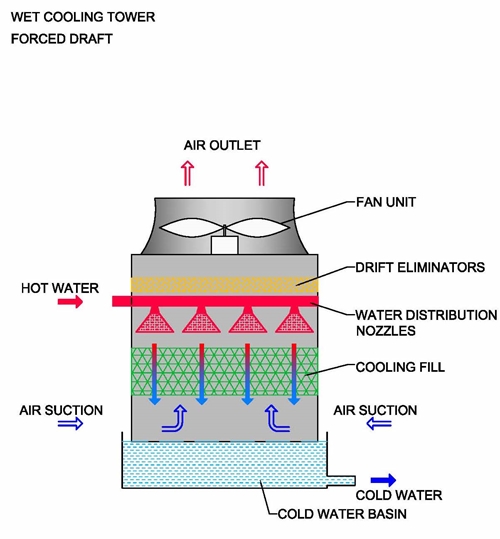
The main purpose of a cooling tower fan is to draw or push air through the tower, allowing warm water to transfer heat to the surrounding air.
This airflow:
Enhances evaporation
Stabilizes outlet water temperature
Improves overall cooling efficiency
Without a properly designed fan, water stays too warm, equipment overheats, and energy costs rise.
Evaporation is the key cooling mechanism. When air passes through falling water, a small portion of that water evaporates and carries heat away. The fan ensures continuous, uniform airflow, which is essential for stable cooling performance.
A high-efficiency fan can significantly reduce motor power consumption while delivering the same—or even better—cooling results. Poor fan design, on the other hand, leads to:
High energy bills
Uneven airflow
Excessive noise
Reduced equipment life
The “best” cooling tower fan is not universal—it depends on performance requirements. However, top-performing fans always share several core characteristics.
The fan must deliver the required airflow while overcoming system resistance. An undersized fan struggles to cool; an oversized fan wastes energy.
Proper fan selection ensures:
Stable water temperature
Lower operating costs
Balanced airflow distribution
Energy-efficient fans reduce electrical load on the motor. Over years of continuous operation, this translates into substantial cost savings.
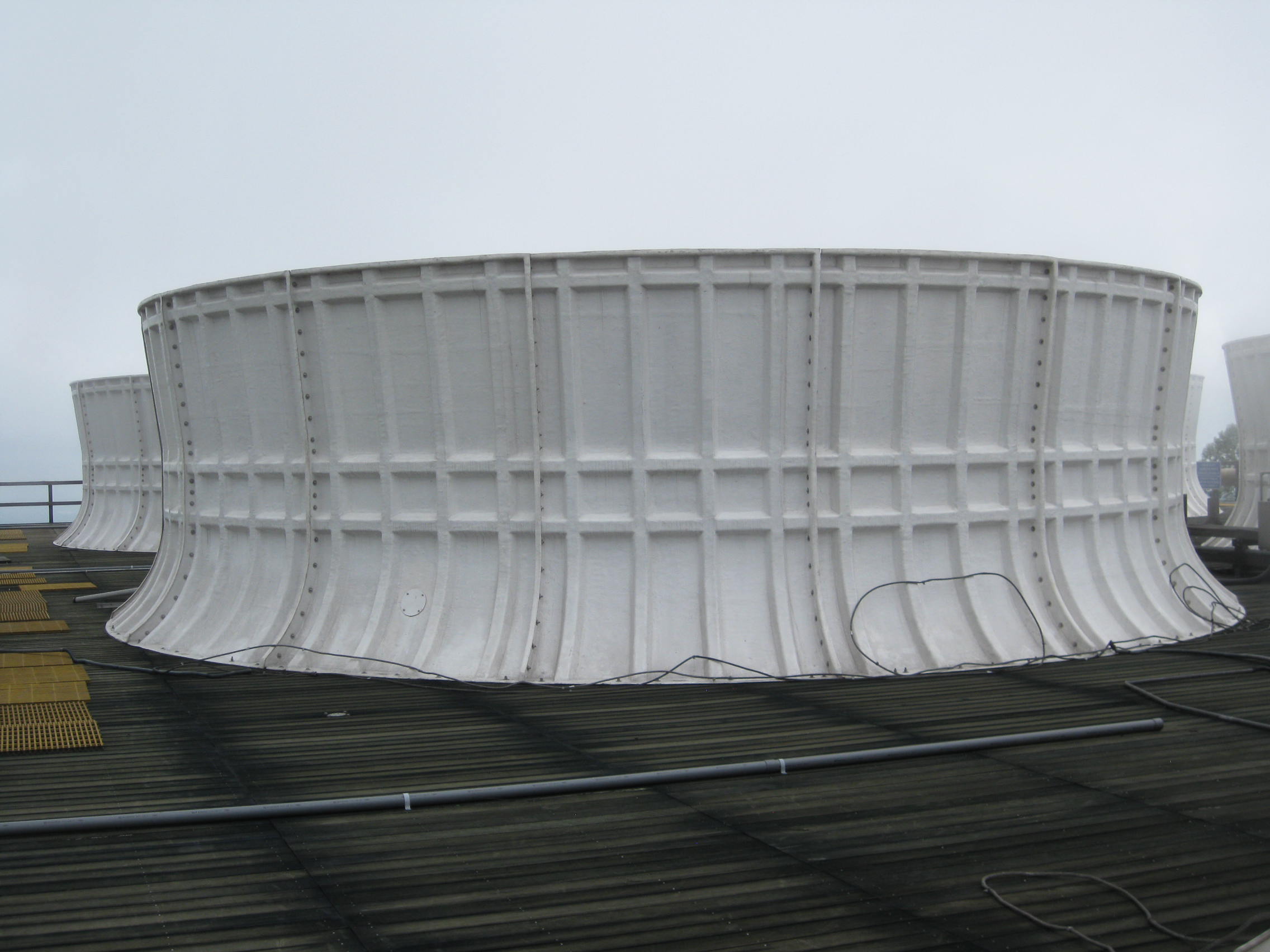
Cooling towers often operate near offices, factories, or residential areas. The best cooling tower fans are designed with low tip speed and optimized blade profiles to minimize noise.
Cooling tower fans work in harsh conditions—humidity, chemicals, UV exposure, and heat. Durability is non-negotiable.
Understanding fan types helps determine which one is best for your system.
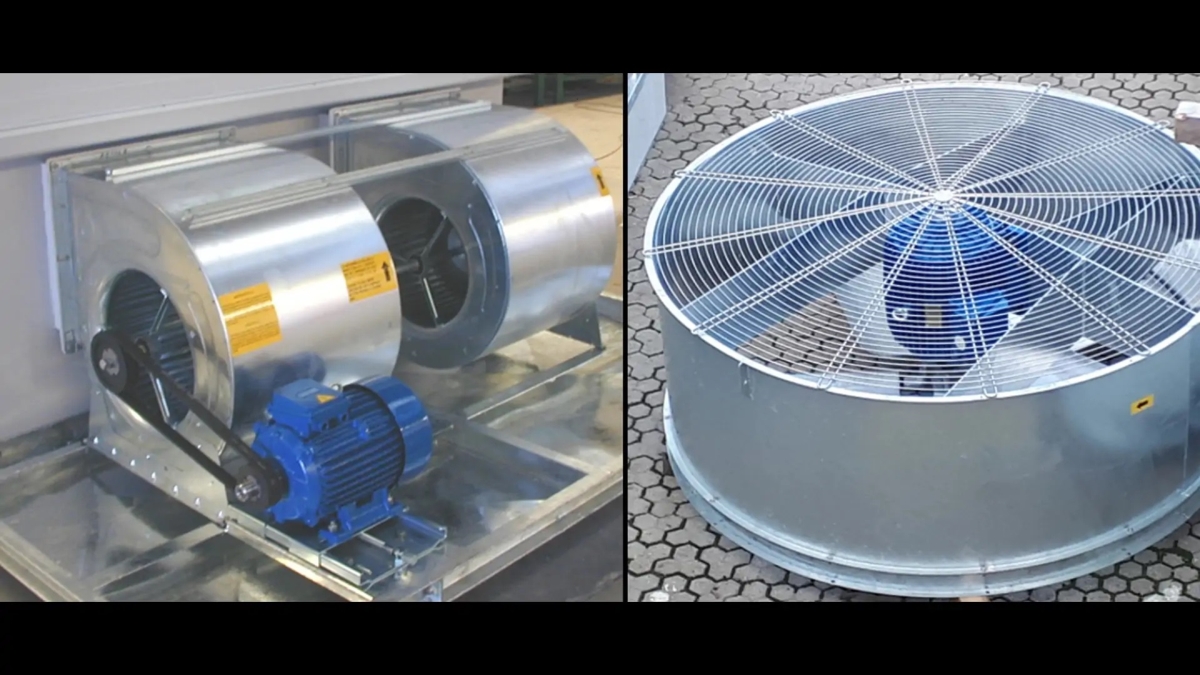
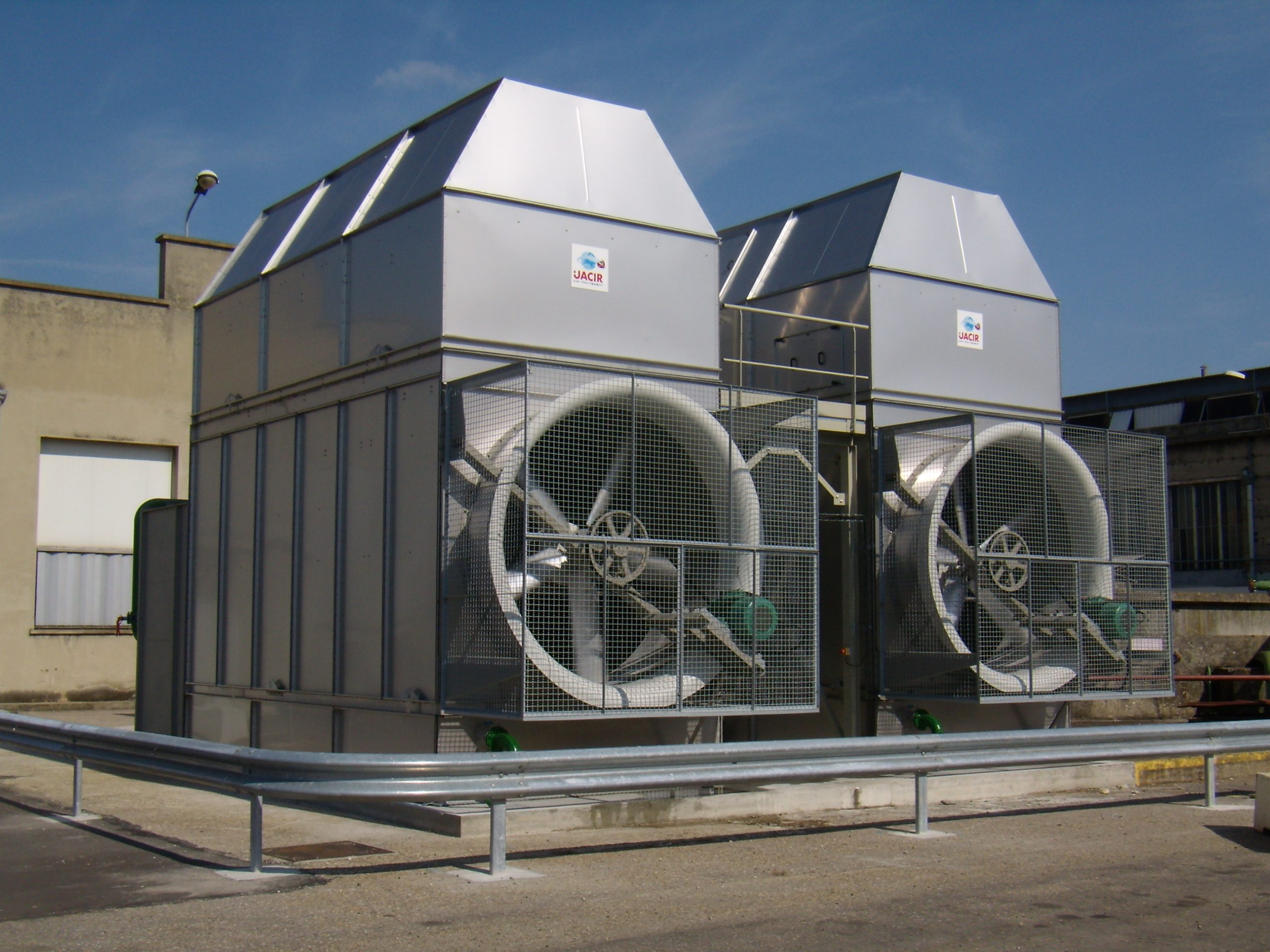
Axial fans move air parallel to the fan shaft and are the most widely used fans in modern cooling towers.
High airflow with low energy consumption
Simple structure
Easy installation and maintenance
Ideal for large industrial and HVAC cooling towers
Less suitable for extremely high static pressure
Blade angle must be selected correctly
Centrifugal fans move air at a 90-degree angle to the shaft and are usually used in special applications.
Suitable for high static pressure
Works well in ducted or indoor systems
Higher power consumption
Larger footprint
More complex maintenance
For most cooling tower applications, axial fans are the best choice. They offer higher efficiency, lower operating costs, and simpler design. Centrifugal fans are typically reserved for niche situations where high pressure is unavoidable.
Blade material directly affects performance, noise, and lifespan.
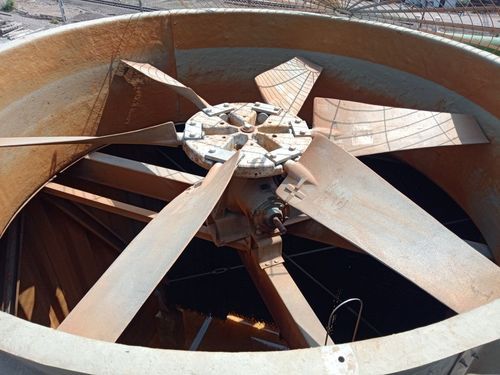
FRP (Fiber Reinforced Plastic) blades are lightweight, corrosion-resistant, and aerodynamically efficient.
Best for:
Industrial cooling towers
Chemical plants
Coastal and humid environments
Aluminum blades offer strength but are heavier and more vulnerable to corrosion in aggressive environments.
Adjustable pitch fans allow airflow adjustment without replacing the fan or motor. This makes them ideal for systems with varying seasonal or process loads.
The best cooling tower fans today focus on:
Optimized aerodynamic profiles
Lower rotational speed
High-efficiency motors
These features reduce power consumption while maintaining or improving cooling capacity.
Noise reduction comes from:
Wide-chord blade design
Lower tip speed
Uniform airflow
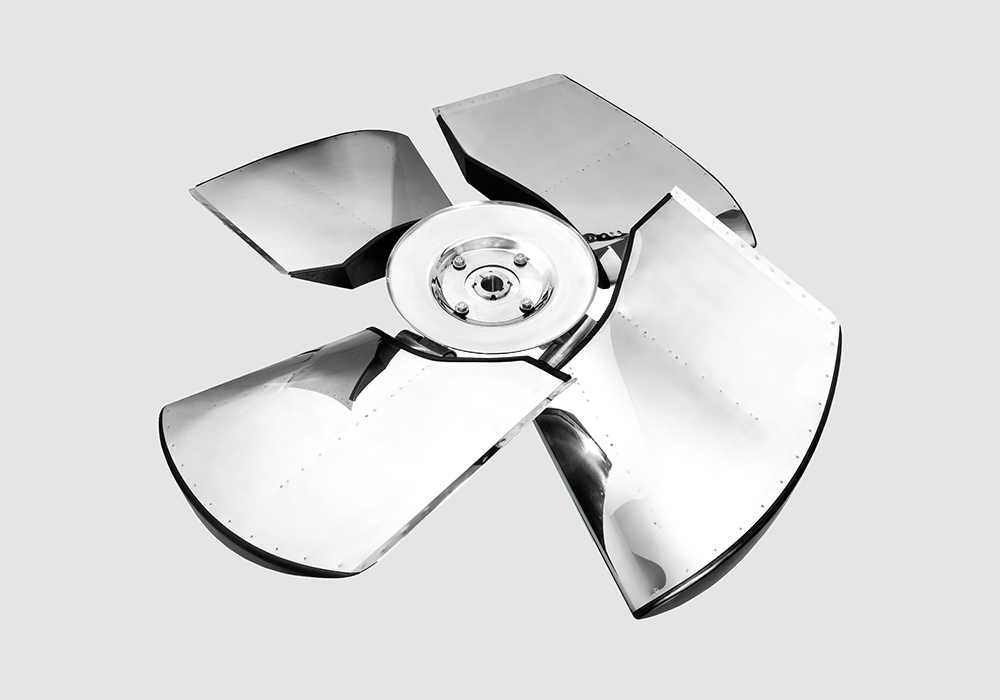

Low-noise fans are especially important for HVAC and urban installations.
Different applications demand different fan characteristics.
Industrial systems require heavy-duty fans capable of continuous operation under high thermal loads and harsh environments.
HVAC cooling towers prioritize energy efficiency, low noise, and stable airflow to ensure indoor comfort.
Many problems come from poor fan selection, such as:
Choosing the cheapest option
Ignoring noise requirements
Mismatching fan and motor
Overlooking environmental conditions
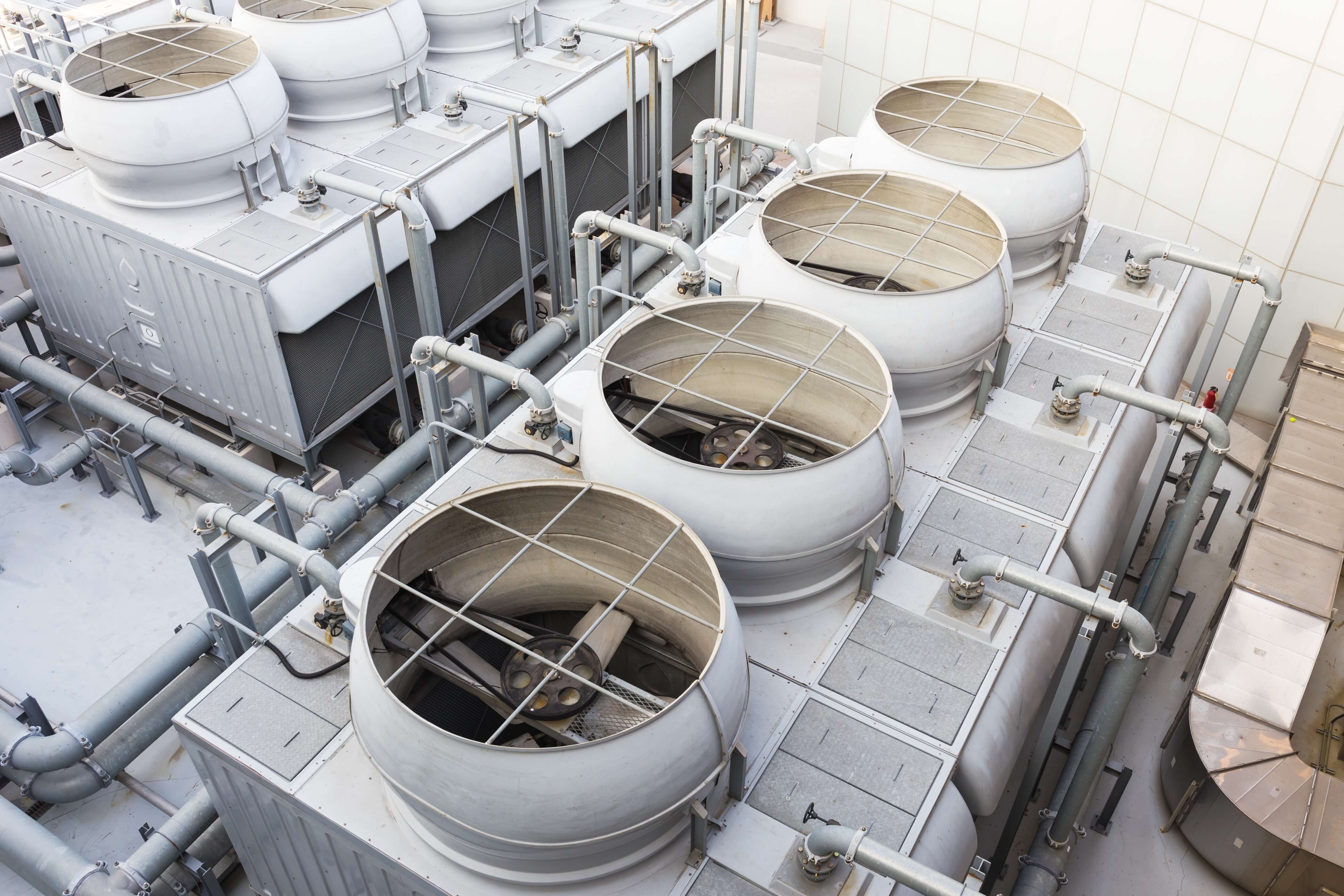
Mach Cooling (https://www.machcooling.com/) designs and manufactures cooling tower fans with a strong focus on efficiency, durability, and real-world performance.
Mach Cooling fans are known for:
High-efficiency axial fan designs
Premium FRP blade materials
Low-noise operation
Long service life in industrial environments

Even the best cooling tower fan needs proper care:
Inspect blades for cracks or imbalance
Check blade pitch regularly
Ensure fasteners remain tight
Maintain proper motor alignment
Good maintenance protects performance and extends service life.
The best cooling tower fan is not simply the biggest or fastest—it’s the one that delivers efficient airflow, low energy consumption, minimal noise, and long-term reliability.
For most applications, a high-quality axial cooling tower fan with FRP blades, engineered by a reliable manufacturer like Mach Cooling, is the optimal choice. When selected correctly, the right fan becomes a long-term asset—quietly saving energy, protecting equipment, and keeping your cooling system running at its best.