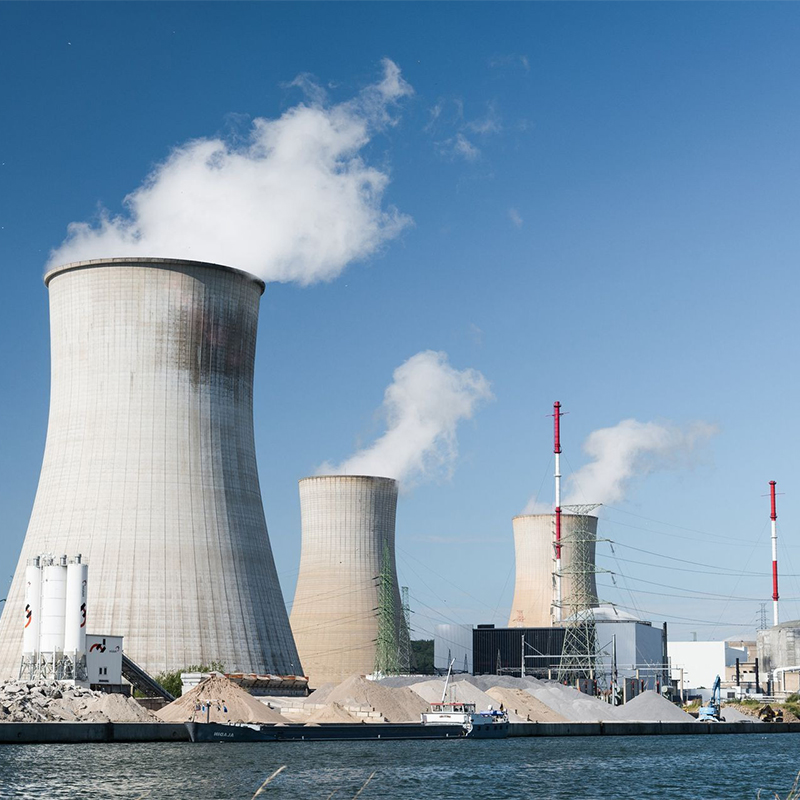
We Provide Cooling Tower Solution

Views: 0 Author: Cindy Publish Time: 2026-10-23 Origin: Site


Choosing the right cooling tower vendor is an important decision for any industrial facility, commercial building, or manufacturing plant. A cooling tower is not simply a piece of equipment that removes heat from water. It plays a direct role in operating efficiency, production stability, energy consumption, and long-term maintenance costs.
But with so many suppliers, manufacturers, distributors, and engineering companies available, how can you tell which vendor is genuinely reliable?
The answer goes beyond comparing prices. You need a partner who understands your application, provides suitable equipment, communicates clearly, and supports your project from selection through installation and maintenance.
Whether you are planning a new cooling system, replacing an aging cooling tower, or upgrading existing equipment, this guide explains how to evaluate a cooling tower vendor and make a confident purchasing decision.
For businesses looking for industrial cooling solutions, Mach Industry (Zhejiang) Co., Ltd. is one supplier to consider. You can explore its products and company information on the official website: https://www.machcooling.com.
A cooling tower vendor supplies equipment and related products used to remove unwanted heat from industrial processes, chillers, and other water-cooled systems. However, the scope of service varies from one vendor to another.
Some vendors manufacture cooling towers and related components. Others purchase equipment from different manufacturers and resell it. Engineering contractors may provide a broader package that includes system design, equipment selection, installation, and commissioning.
A reliable vendor should help you identify equipment that matches your actual operating conditions rather than simply offering the largest model or the lowest-priced option.
Depending on the supplier, its services may include:
Cooling tower selection and capacity recommendations
New cooling tower supply
Replacement equipment for existing systems
Cooling tower fill and drift eliminator supply
Fans, motors, water distribution components, and other spare parts
Technical documentation and product specifications
Installation coordination and maintenance guidance
Before requesting a quotation, clarify which services the vendor provides directly and which require support from another company.
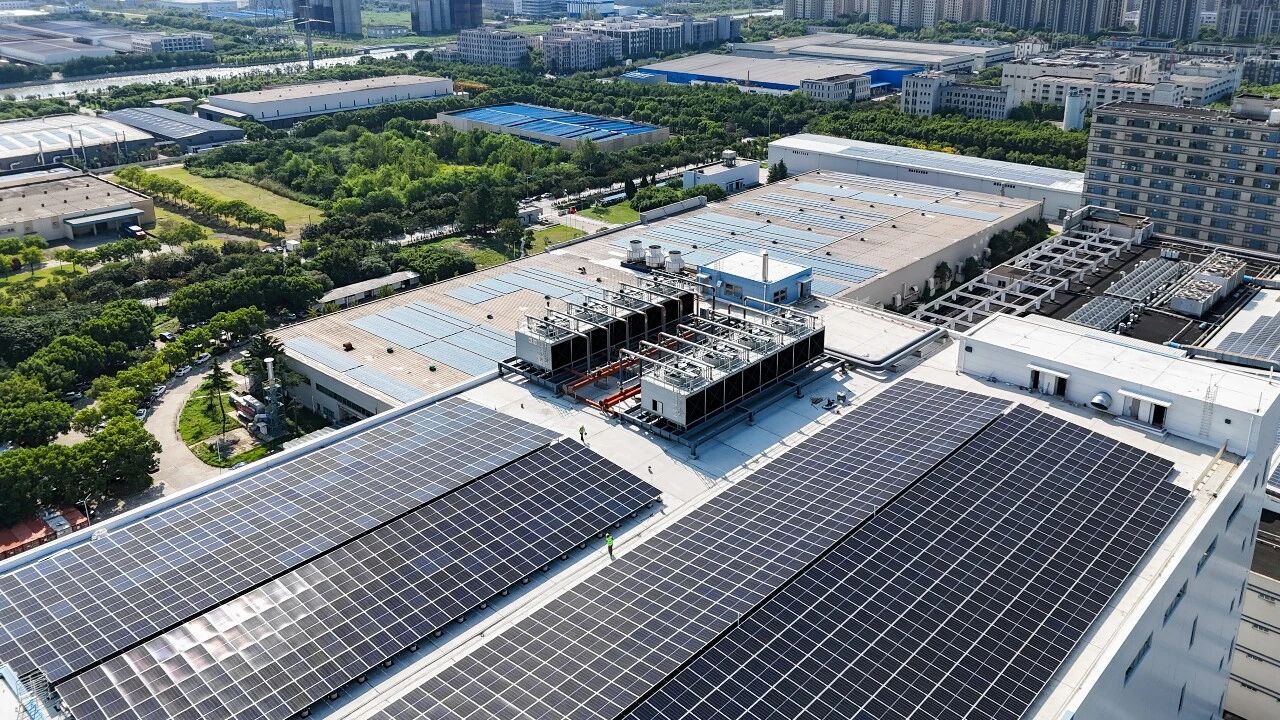
A cooling tower can operate for years, so your purchasing decision affects more than the initial investment.
The right cooling tower must handle your heat load under the expected operating conditions. If the selected equipment is undersized, the outlet water temperature may remain too high, especially during periods of heavy demand or hot weather.
An oversized or poorly matched system can also create unnecessary capital and operating costs.
A competent vendor evaluates the required cooling capacity, entering water temperature, leaving water temperature, wet-bulb temperature, water flow rate, and other relevant design conditions before recommending a solution.
Cooling towers consume electricity through fans, pumps, and associated equipment. Their performance also affects the efficiency of connected chillers and industrial cooling systems.
A suitable tower design can help reduce energy waste by matching heat rejection requirements with appropriate airflow, water distribution, and operating controls.
However, efficiency should be evaluated under comparable conditions. A vendor's efficiency claims are meaningful only when you understand the design assumptions and performance data behind them.
The initial purchase price is only one part of the total cost of ownership.
Poorly selected materials, difficult-to-access components, inadequate water distribution, or unsuitable fill media can increase maintenance requirements. Over time, these problems may cost more than the savings achieved through a cheaper purchase.
A trustworthy vendor helps you consider equipment durability, cleaning requirements, spare-part availability, and expected maintenance needs before placing an order.
For factories and production facilities, cooling system problems can affect manufacturing schedules, product quality, and operating safety.
A dependable supplier relationship makes it easier to obtain technical information, identify replacement components, and plan future upgrades.
That is why vendor selection should be treated as a long-term business decision rather than a one-time transaction.
Not every supplier offers the same level of technical expertise, product quality, or after-sales support. Use the following criteria to compare potential vendors systematically.
Start by examining the vendor's experience with cooling systems similar to yours.
A supplier serving HVAC applications may understand the requirements of commercial buildings, while an industrial project may demand experience with manufacturing processes, chemical operations, power generation, or other specialized applications.
Ask whether the vendor has handled projects with similar heat loads, water conditions, ambient temperatures, and operating schedules.
You can also request relevant case studies, reference projects, or technical examples where available.
Experience matters because cooling tower selection involves more than matching a product name to a capacity number. A vendor should understand how environmental conditions, water quality, airflow, and system configuration influence performance.
A reliable vendor should offer products appropriate for different applications or clearly explain the range of systems it can supply.
Depending on your project, relevant options may include:
Open-circuit cooling towers
Closed-circuit cooling towers
Counterflow cooling towers
Crossflow cooling towers
Industrial cooling tower systems
Replacement cooling tower components
Different designs offer different advantages. For example, a closed-circuit system keeps the process fluid separate from the external spray water, while an open-circuit system cools water through direct contact with the air.
Neither option is automatically better for every project. The correct choice depends on process requirements, water quality, contamination concerns, maintenance priorities, and budget.
A vendor should explain these differences clearly and recommend equipment based on your needs.

Cooling tower components operate in environments involving moisture, heat, airflow, and sometimes corrosive chemicals. Material selection therefore has a major effect on service life.
When evaluating a vendor, ask about the materials used in the casing, structural supports, water distribution system, fill media, fasteners, and other important components.
Common considerations include:
Corrosion resistance
UV resistance for exposed polymer components
Mechanical strength
Temperature tolerance
Chemical compatibility
Resistance to deformation under operating conditions
For example, PVC fill may be suitable for many conventional cooling applications, while PP fill may be preferable in certain higher-temperature or chemically demanding environments. Actual suitability depends on the specific material grade, operating temperature, water chemistry, and design.
Do not assume that a material is suitable simply because it appears in a product description. Ask for specifications and confirm that the proposed materials match your operating environment.
Cooling capacity is one of the most important factors in choosing a cooling tower vendor.
However, nominal capacity alone does not tell the whole story. Two towers advertised with the same capacity may deliver different results under different design conditions.
Before accepting a quotation, confirm the following information:
Required heat rejection or cooling duty
Hot water inlet temperature
Cold water outlet temperature
Design wet-bulb temperature
Circulating water flow rate
Expected operating range
Available installation space
Applicable performance standards or test methods
For larger or critical projects, request supporting performance calculations or documentation.
A professional vendor should explain the conditions under which the proposed tower is expected to achieve its rated performance. If the quotation provides only a model name and a capacity figure, request more detail before proceeding.
Standard products can be cost-effective, but not every facility has standard requirements.
Your project may involve limited installation space, unusual water temperatures, specific material requirements, noise restrictions, or integration with existing piping and electrical systems.
Ask whether the vendor can accommodate relevant project conditions, such as:
Different inlet and outlet water temperatures
Specific water flow requirements
Available footprint and height restrictions
Electrical supply requirements
Special material or corrosion-resistance needs
Existing foundation and piping arrangements
Maintenance access requirements
Customization does not always mean designing an entirely new cooling tower. Sometimes a suitable standard model, adjusted configuration, or carefully selected component package is enough.
The important point is that the vendor should evaluate compatibility before promising a solution.
Reliable suppliers should be able to explain how product quality is controlled and what documentation they can provide.
Depending on the product and project, useful documents may include:
Product datasheets
General arrangement drawings
Installation instructions
Operation and maintenance manuals
Material specifications
Quality inspection records
Applicable compliance certificates
Warranty terms
The availability of particular documents depends on the product, manufacturing process, and project requirements. Confirm what will be included in your order rather than assuming every vendor provides the same package.
If certification is essential to your project, verify its scope, validity, and applicability to the exact equipment being supplied.
Clear documentation also makes future maintenance easier. Your maintenance team should be able to identify components, understand operating requirements, and obtain replacement parts without unnecessary delays.
Even a well-designed cooling tower requires maintenance. Fans, motors, bearings, fill media, drift eliminators, water distribution components, and other parts may eventually need inspection, repair, or replacement.
Ask the vendor which spare parts are available and how they can be ordered.
Useful questions include:
Are replacement parts available for the selected model?
Can the vendor identify compatible components for an existing tower?
Are drawings or component specifications available?
What are the expected lead times?
Are substitute parts technically compatible?
Can the vendor support future replacement requirements?
This is especially important when you are buying a cooling tower for a facility that operates continuously.
A low-priced system may become expensive if a small replacement component causes a prolonged shutdown. Spare-part planning should therefore be part of the initial purchasing discussion.
Delivery schedules affect installation planning, production schedules, contractor coordination, and commissioning.
Before placing an order, request a realistic delivery estimate and clarify when the schedule begins. The manufacturing lead time, inspection period, packing, transportation, customs clearance, and delivery to the project site may all affect the final arrival date.
For international orders, confirm who is responsible for shipping arrangements, export documentation, insurance, and other agreed logistics.
You should also clarify how the vendor communicates changes to the schedule.
A trustworthy supplier will explain the expected timeline and identify important dependencies. Be cautious of promises that appear unusually fast but are not supported by a clear production and delivery plan.
Price is important, but comparing cooling tower quotations requires more than looking at the final number.
One vendor may quote equipment only, while another includes accessories, documentation, special packaging, or additional components. Without reviewing the scope, the cheaper quotation may not represent the better deal.
Check whether each quotation clearly identifies:
Equipment model and configuration
Cooling capacity and design conditions
Included components and accessories
Excluded items and optional upgrades
Installation or commissioning responsibilities
Transportation and packaging costs
Warranty coverage
Payment terms and delivery conditions
Then consider the total cost of ownership.
This includes the purchase price, electricity consumption, water treatment, routine maintenance, replacement parts, and potential downtime over the equipment's service life.
A slightly higher initial investment may be justified if the equipment better matches your operating requirements and reduces avoidable maintenance or energy costs.
Technical capability matters, but communication is equally important.
Does the vendor answer questions clearly? Does it explain limitations? Can it provide the information you need to make an informed decision?
Pay attention to how the supplier handles your first technical inquiry. If basic questions about capacity, materials, or delivery receive vague answers, the same communication problems may continue after the purchase.
Before ordering, clarify the available after-sales support, warranty process, technical contact arrangements, and procedures for reporting product issues.
A dependable vendor should make responsibilities clear rather than leaving you to resolve every problem independently.
Understanding the type of supplier you are dealing with can help you make a better decision.
A manufacturer produces cooling towers or related components and may offer direct access to product specifications, configuration options, and manufacturing information.
Working directly with a manufacturer can be useful when you need customized equipment, replacement components, or technical clarification about the product.
However, manufacturing capability alone does not guarantee excellent service. You should still evaluate product quality, communication, delivery reliability, and after-sales arrangements.
A distributor or trading company may supply equipment from one or more manufacturers. This can be convenient when you need products from multiple brands or prefer a single point of contact.
Before purchasing, clarify who actually manufactures the equipment, who is responsible for technical support, and who handles warranty claims.
A distributor can be a suitable partner when it has strong product knowledge and reliable relationships with its manufacturing sources.
An engineering contractor may provide system design, equipment selection, installation coordination, piping integration, and commissioning.
This option can be helpful for projects requiring a complete cooling solution rather than equipment alone.
Check the contractor's technical qualifications, project responsibilities, subcontracting arrangements, and experience with similar systems.
The best choice depends on your project. If you mainly need equipment or replacement parts, a qualified manufacturer or distributor may be appropriate. If you need an integrated system, an experienced engineering contractor may provide broader support.
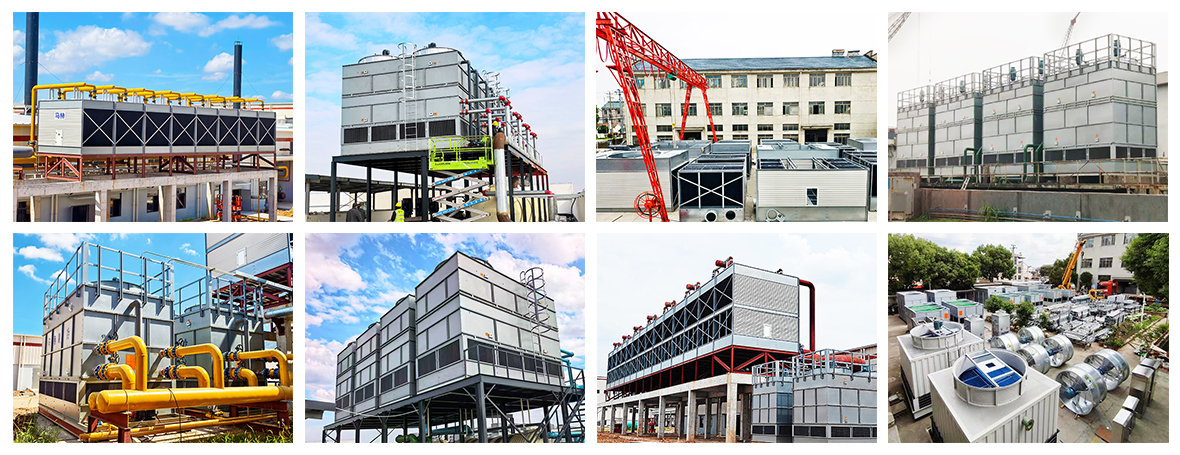
Before requesting a final quotation, prepare a list of questions that addresses your technical and commercial requirements.
What cooling tower configuration do you recommend for this application, and why?
What design conditions are used to calculate the required capacity?
Which materials are suitable for our water quality and operating temperature?
What performance data or supporting documentation can you provide?
Can the proposed equipment fit our existing foundation, piping, and electrical arrangement?
What maintenance tasks should we plan for during normal operation?
What exactly is included in the quotation?
What is excluded from the quoted price?
What is the expected manufacturing and delivery schedule?
What warranty terms apply to the equipment and components?
Which spare parts are available?
Who will handle technical questions and warranty claims after delivery?
These questions help you compare suppliers using consistent criteria. They also reveal whether a vendor understands your requirements or is simply trying to close a sale.
Once you receive several quotations, avoid selecting a supplier based on price alone.
Start by confirming that all vendors are quoting equipment for the same design conditions. If one quotation assumes a different wet-bulb temperature, water flow rate, or outlet water temperature, the proposed equipment may not be directly comparable.
Next, review the equipment configuration and included components. Check the materials, fan and motor arrangements, water distribution system, access provisions, and maintenance requirements.
Then examine commercial terms, including payment milestones, warranty coverage, delivery conditions, and the responsibilities of each party.
A comparison table can make the decision easier.
| Evaluation Factor | What to Check |
|---|---|
| Performance | Capacity and design conditions |
| Materials | Suitability for water quality and temperature |
| Product scope | Included equipment and accessories |
| Documentation | Drawings, manuals, and specifications |
| Maintenance | Access, cleaning, and service requirements |
| Spare parts | Availability and lead times |
| Delivery | Manufacturing schedule and logistics |
| Warranty | Coverage, exclusions, and claim process |
| Price | Total quoted cost and exclusions |
| Communication | Technical responsiveness and support |
If one vendor offers a much lower price than the others, investigate the reason. The difference may reflect a more efficient design, but it could also indicate a narrower scope, different materials, or missing components.
The goal is not to find the lowest number on a quotation. It is to identify the most suitable and dependable solution for your facility.
Even experienced buyers can overlook important details when purchasing industrial equipment.
A low price is attractive, but it means little if the equipment cannot meet the required cooling conditions.
Always compare the technical scope before evaluating price differences.
A vendor cannot accurately assess your requirements without essential information about heat load, water flow, temperatures, ambient conditions, and installation constraints.
Incomplete information can lead to unsuitable recommendations, unexpected modifications, or project delays.
Water quality affects scaling, corrosion, biological growth, and the maintenance requirements of a cooling tower.
Discuss suspended solids, mineral content, treatment practices, and any relevant chemical exposure with the vendor. These factors may influence the choice of fill media, materials, filtration, and maintenance strategy.
A system that is difficult to inspect or clean may create unnecessary operating problems.
Consider access to fill media, drift eliminators, fans, motors, water distribution components, and other serviceable parts before finalizing the design.
Do not rely on verbal assurances alone. Request written warranty terms and confirm how technical problems will be handled after delivery.
Clear agreements reduce misunderstandings and help both parties plan for long-term operation.
When evaluating potential cooling tower vendors, buyers should look for a supplier that can help match equipment and components to the actual requirements of a project.
Mach Industry (Zhejiang) Co., Ltd. is a company you can include in your supplier evaluation when exploring cooling tower solutions.
Visit the official website at https://www.machcooling.com to review the available product information and determine whether the company's offerings align with your application.
Before making a purchasing decision, discuss your required cooling capacity, operating temperatures, water flow rate, installation conditions, and project schedule with the supplier. Ask for the relevant product specifications, quotation scope, delivery details, and warranty information.
For a new installation, confirm that the proposed equipment fits the overall cooling system design. For a replacement project, provide the existing tower's model information, dimensions, photographs, component details, and operating data whenever available.
This information helps establish whether the proposed solution is technically suitable and what additional details may be needed before an order can be confirmed.
As with any supplier, evaluate Mach Industry (Zhejiang) Co., Ltd. against the same technical, commercial, and service criteria you use for other vendors. A clear comparison will help you choose based on project requirements rather than assumptions.
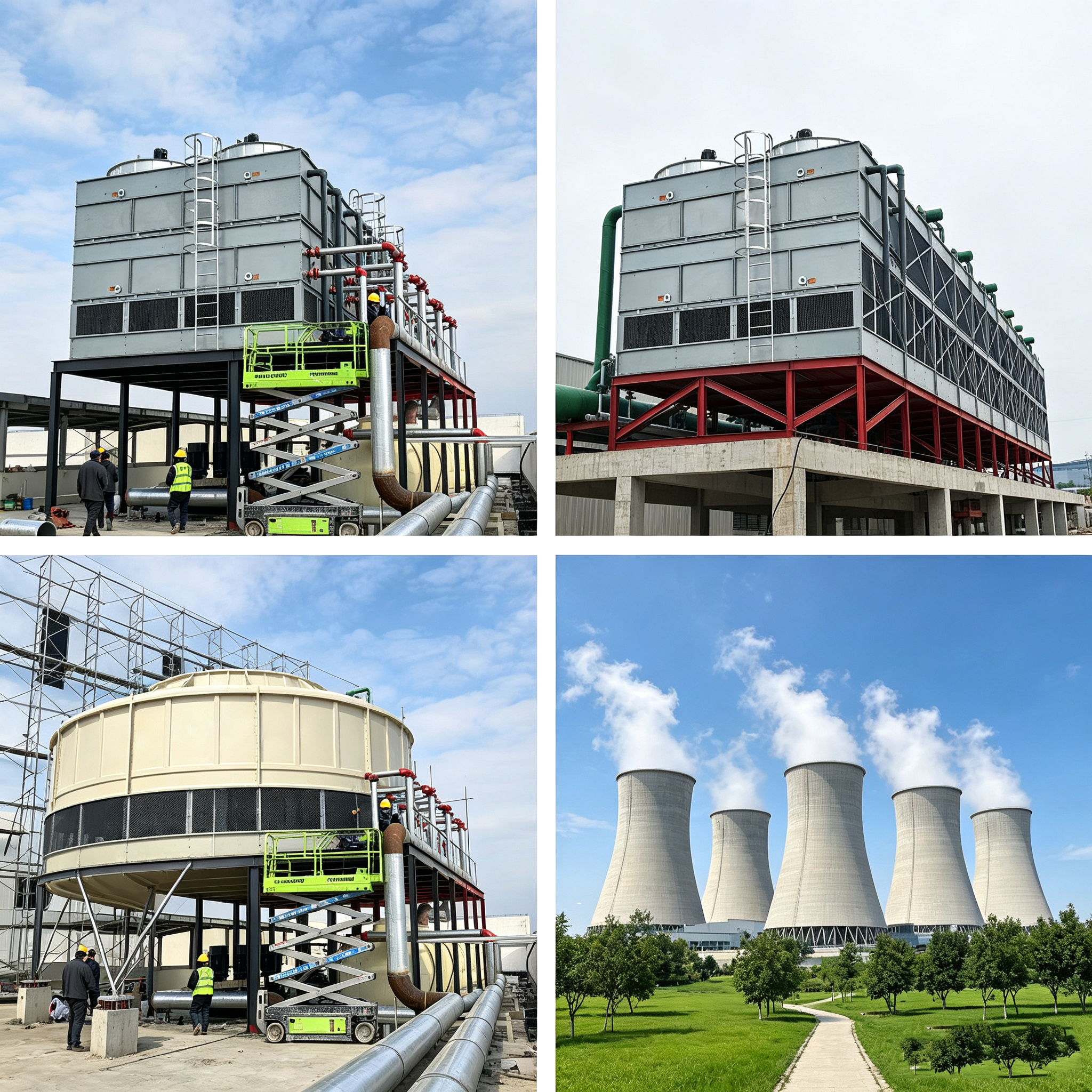
Choosing a vendor is only the first step. A productive supplier relationship also depends on good communication and accurate technical information.
Provide operating conditions, installation drawings, applicable standards, and any special requirements as early as possible. This reduces the likelihood of misunderstandings during quotation and production.
Save the cooling tower model, serial number, technical drawings, manuals, warranty details, and replacement-part information. These records can help the vendor identify compatible components and answer future questions.
Work with your maintenance team and supplier to establish suitable inspection, cleaning, water treatment, and component-replacement practices.
The exact maintenance schedule should reflect the equipment design, operating environment, water quality, and manufacturer's instructions.
Monitor relevant indicators such as cooling water temperatures, flow rate, fan operation, energy consumption, and visible signs of scaling or fouling.
If performance changes, share the operating data with qualified technical personnel. Early investigation may help identify problems before they lead to significant downtime.
A good vendor relationship should make equipment ownership easier throughout the cooling tower's service life, not just during the initial purchase.
A cooling tower manufacturer produces equipment or components, while a vendor is a broader term for a company that supplies them. A vendor may be a manufacturer, distributor, trading company, or engineering contractor.
Always confirm who manufactures the equipment and who is responsible for technical support and warranty service.
Look for clear technical specifications, relevant experience, transparent quotations, realistic delivery commitments, suitable quality documentation, and defined after-sales responsibilities.
Ask detailed questions and evaluate how well the supplier explains its recommendations. Where possible, verify references and confirm that the proposed equipment meets your requirements.
Buying directly from a manufacturer can provide a direct channel for discussing product specifications, customization, and replacement parts.
However, a qualified distributor or engineering contractor may be more suitable when you need multiple brands, local project coordination, or a complete installation package. Compare the services and responsibilities offered by each supplier.
Provide the required cooling capacity or heat load, hot water inlet temperature, cold water outlet temperature, design wet-bulb temperature, water flow rate, installation location, available space, power supply, and project schedule.
Also explain your water quality, operating hours, material preferences, and any special requirements. If you are replacing an existing tower, include its model, dimensions, photographs, and available technical drawings.
Start by selecting equipment that matches your actual cooling demand. Then focus on appropriate fan and pump operation, effective water treatment, regular inspection, proper water distribution, and timely cleaning.
Compare suppliers using lifecycle costs rather than purchase price alone. The best savings usually come from avoiding unsuitable equipment, excessive energy use, preventable fouling, and unexpected downtime.
No. A higher price does not automatically mean better performance or longer service life.
Evaluate the technical specifications, materials, design conditions, included components, warranty, and maintenance requirements. The right purchase is the one that delivers suitable performance and value under your actual operating conditions.
Many vendors supply replacement components, but availability depends on their product range and sourcing arrangements.
Provide the existing tower's model, component dimensions, material requirements, and photographs when possible. Confirm compatibility before ordering, especially when replacing fill media, drift eliminators, fans, motors, or water distribution components.
Choosing a trustworthy cooling tower vendor requires a careful review of technical capability, equipment quality, performance data, customization, delivery, pricing, spare parts, and after-sales support.
The lowest quotation may not provide the best value, and a familiar brand is not automatically the right fit for every application. What matters most is whether the supplier understands your requirements and can offer a technically suitable, clearly documented solution.
Start by defining your operating conditions. Compare quotations using the same performance criteria, verify the scope of supply, and clarify warranty and maintenance responsibilities before placing an order.
If you are exploring cooling tower solutions, consider reviewing the product information from Mach Industry (Zhejiang) Co., Ltd. at https://www.machcooling.com and discussing your project requirements directly with the company.
A reliable cooling tower vendor should do more than sell equipment. The right partner helps you make informed decisions, manage operating costs, and keep your cooling system performing as expected over the long term.