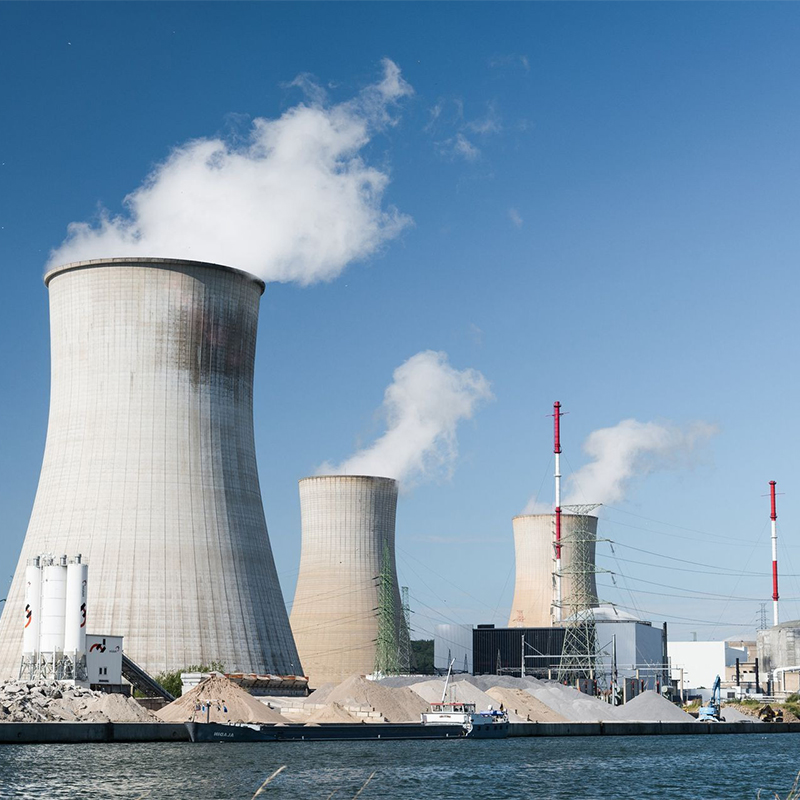
We Provide Cooling Tower Solution

Views: 0 Author: Cindy Publish Time: 2026-10-23 Origin: Site


Choosing a reliable cooling tower supplier in Malaysia is an important decision for businesses that depend on stable temperatures, efficient heat rejection, and uninterrupted operations. From chemical processing plants and food manufacturing facilities to hotels, shopping malls, hospitals, and commercial buildings, cooling towers play a critical role in maintaining equipment performance and controlling operating costs.
Malaysia's tropical climate makes dependable cooling systems particularly important. High ambient temperatures, humidity, demanding production schedules, and varying water quality can all affect cooling tower performance. A poorly selected system may lead to excessive energy consumption, frequent maintenance, and unexpected downtime. The right solution, however, can help your facility maintain consistent cooling performance while supporting long-term operational efficiency.
Mach Industry (Zhejiang) Co., Ltd. provides cooling tower-related products and industrial cooling solutions for customers evaluating equipment and replacement components for different applications. For Malaysian buyers, the key is to select a system that matches the actual heat load, operating environment, water quality, installation conditions, and maintenance requirements.
Whether you are planning a new industrial project or upgrading an existing cooling system, understanding what makes a reliable supplier can help you make a more confident purchasing decision.
A cooling tower removes unwanted heat from circulating water, usually by bringing the water into contact with moving air. As a small portion of the water evaporates, it carries heat away from the remaining water. The cooled water then returns to the process or air-conditioning system to absorb more heat.
Although the principle sounds simple, cooling tower performance depends on several factors, including water flow, airflow, fill design, heat load, and outdoor wet-bulb temperature. If one of these factors is poorly managed, the entire cooling system may become less efficient.
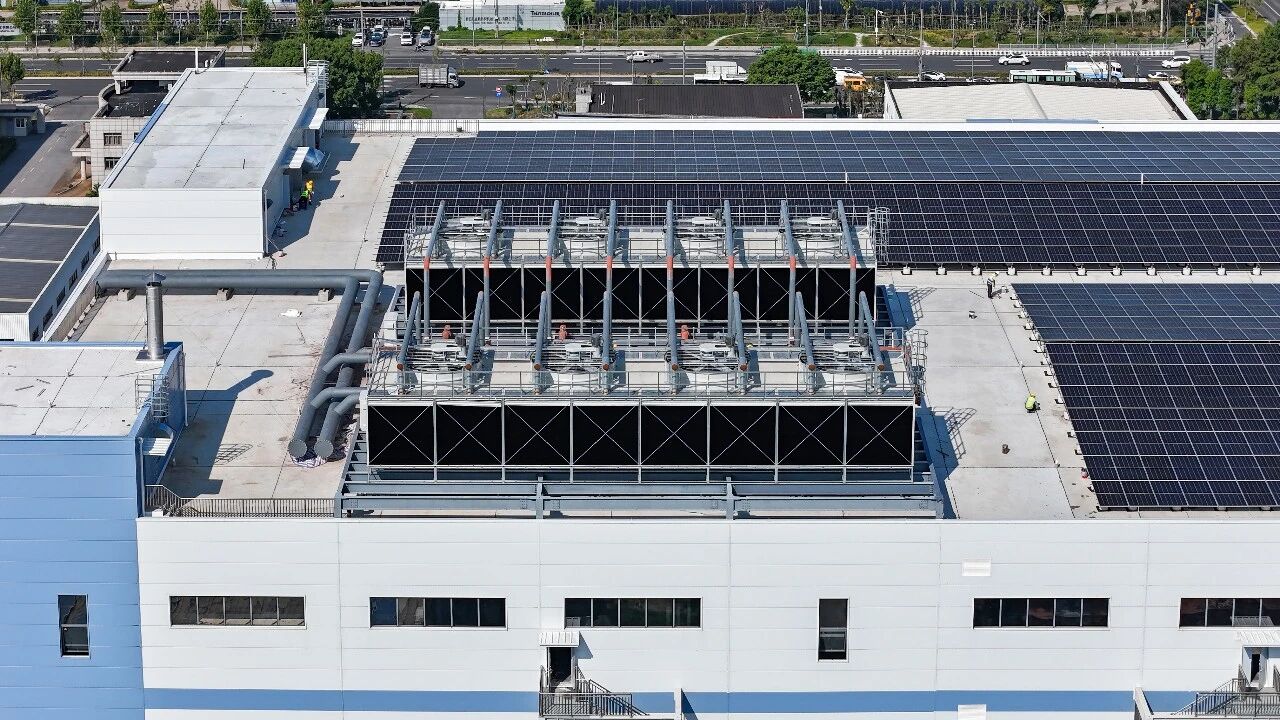
Malaysia's warm climate creates a consistent demand for effective heat rejection in industrial and commercial facilities. Chemical plants need to control process temperatures, food manufacturers require reliable cooling for production equipment, and commercial buildings depend on cooling towers to support water-cooled chillers.
However, outdoor temperature alone does not determine cooling tower performance. The design wet-bulb temperature is particularly important because it represents the influence of both air temperature and humidity on evaporative cooling.
A properly selected cooling tower should be designed around the site's expected operating conditions rather than a generic capacity rating. This helps buyers avoid choosing equipment that appears suitable on paper but struggles during periods of high cooling demand.
Cooling towers influence the performance of connected equipment, including chillers, heat exchangers, compressors, and production machinery. When a cooling tower cannot remove heat effectively, connected equipment may consume more energy or fail to maintain its target operating conditions.
A well-matched system can support more stable operations. Proper fill media, balanced water distribution, clean air passages, and suitable fan controls all contribute to effective heat transfer.
Think of a cooling tower as part of a larger heat-rejection system rather than an isolated piece of equipment. Its performance depends on how well every connected component works together.
Different industries have different cooling requirements. Before choosing a cooling tower supplier, identify the process conditions, water characteristics, and performance targets that matter most to your facility.
Chemical processing facilities often use cooling towers to remove heat from process water, condensers, heat exchangers, and other industrial equipment. Depending on the process, the cooling system may need to operate continuously under demanding temperature and water-quality conditions.
Material compatibility is especially important. Corrosive substances, unusual water chemistry, and potential process contamination can affect the selection of tower materials, fill media, piping, and other components.
For these applications, buyers should provide accurate information about operating temperatures, water chemistry, flow rates, and potential contaminants. A technical review can help determine whether an open-circuit or closed-circuit cooling arrangement is more appropriate.
Food and beverage factories rely on dependable cooling for production machinery, refrigeration support, utilities, and other temperature-sensitive operations. Unstable cooling can interrupt production, affect equipment performance, and increase operating costs.
Hygiene and contamination control also deserve attention. Cooling tower water should be managed appropriately, and the cooling system should be designed and operated to prevent unintended contact between cooling water and products or product-contact surfaces.
A suitable cooling tower solution should support reliable heat rejection while allowing maintenance teams to inspect, clean, and service the equipment according to the facility's hygiene and operating procedures.
Hotels, shopping malls, hospitals, office buildings, and other large facilities may use cooling towers as part of water-cooled chiller systems.
In these applications, cooling tower performance directly affects the conditions under which the chiller operates. If the tower cannot provide suitable condenser-water temperatures, the chiller may use more electricity to meet the building's cooling demand.
When selecting a cooling tower for HVAC applications, consider cooling capacity, design wet-bulb temperature, fan power, noise limits, available installation space, water consumption, and maintenance access. The tower should be evaluated together with the chiller rather than selected independently.
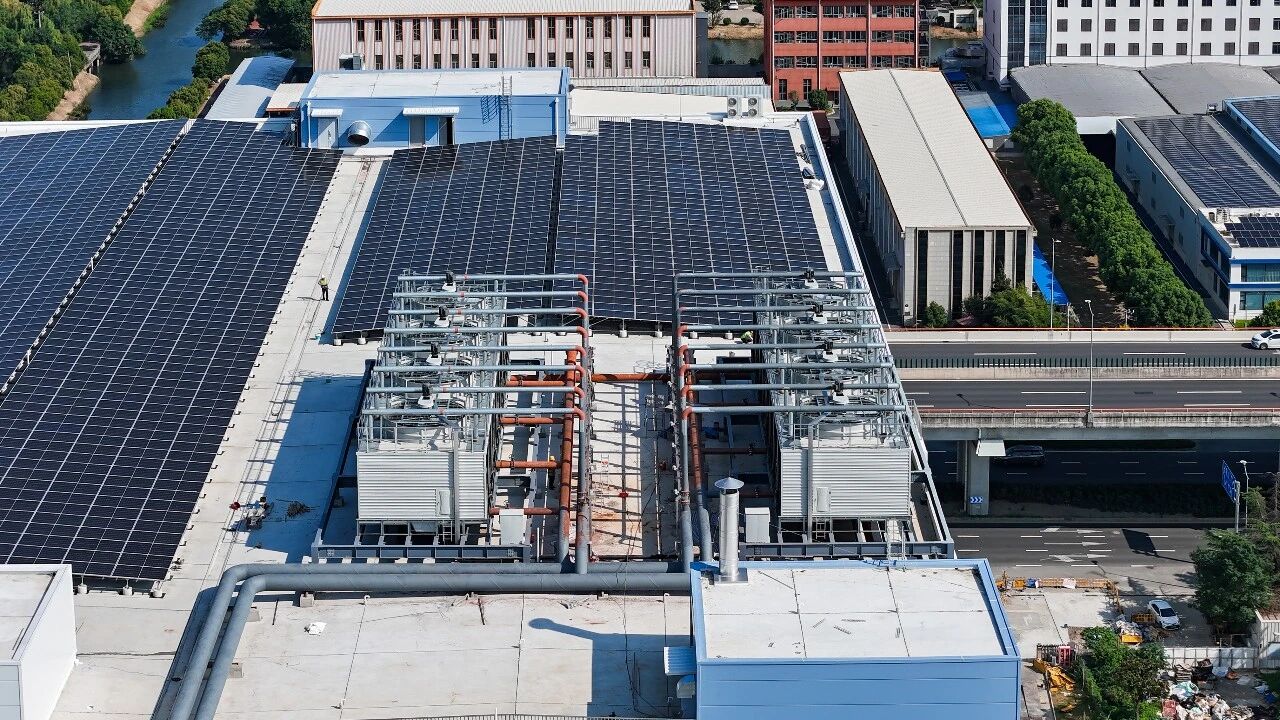
Plastic processing, metalworking, electronics production, machinery manufacturing, and many other industrial activities generate heat that must be removed reliably.
The cooling tower should match the actual production load and expected operating schedule. Facilities operating around the clock may place particular importance on component durability, maintenance access, and replacement-part availability.
Before purchasing, identify whether the cooling load remains relatively constant or changes with production cycles. This information can help determine the appropriate capacity and whether variable-speed fan control or other control strategies may be useful.
Price is important, but it should not be the only factor in your purchasing decision. A reliable cooling tower supplier should provide clear technical information, appropriate product options, and practical communication throughout the selection process.
A supplier should understand the key factors involved in cooling tower selection, including heat load, circulating-water flow rate, hot-water inlet temperature, required cold-water outlet temperature, and design wet-bulb temperature.
These values establish the basis for comparing different cooling tower proposals. Without them, it can be difficult to determine whether two quotations offer equivalent performance.
Ask the supplier to explain the design assumptions behind the proposed equipment. Clear answers can help you identify whether the solution fits your application or requires further evaluation.
Cooling towers operate in environments where moisture, heat, airborne contaminants, and water-treatment chemicals can affect materials over time.
The right material depends on the application's temperature range, water chemistry, mechanical requirements, and maintenance program. PVC fill is widely used in many conventional cooling tower applications, while polypropylene and other materials may be considered for specific operating conditions.
Neither material should be selected based on general claims alone. Confirm its temperature limits, chemical compatibility, structural characteristics, and suitability for the intended water conditions before ordering.
For chemical facilities, material compatibility may be a decisive factor. For HVAC installations, durability, ease of maintenance, and thermal performance may receive greater emphasis.
Not every facility can accommodate a standard cooling tower. Existing buildings may have limited installation space, restricted access, structural constraints, or established piping arrangements.
A suitable supplier should review the project's dimensions, water connections, airflow requirements, electrical supply, control system, and maintenance access before the final specification is confirmed.
If you are replacing an existing tower, provide the current model information, equipment dimensions, photographs, and available performance data. These details can help reduce compatibility problems during installation.
A cooling tower requires ongoing inspection, cleaning, and eventual component replacement. Fill media, drift eliminators, spray nozzles, fans, motors, and other parts may need attention during the equipment's service life.
Before purchasing, ask which replacement parts are available and what technical documentation is provided. Clarify delivery arrangements, warranty conditions, and the scope of technical support.
For Malaysian buyers sourcing equipment internationally, it is also sensible to confirm shipping arrangements, lead times, packaging requirements, and the process for resolving technical questions after delivery.
The right cooling tower configuration depends on the process requirements, available space, water quality, and maintenance priorities. Understanding the main design options makes it easier to compare proposals from suppliers.
Counterflow cooling towers move air upward against the downward flow of water. Depending on the design, this arrangement can offer a compact footprint and effective heat transfer.
Crossflow cooling towers distribute water over the fill while air moves horizontally through it. Some configurations provide convenient access to water-distribution components and internal sections.
Neither arrangement is automatically superior in every situation. Buyers should compare thermal performance, dimensions, airflow, noise, maintenance access, and operating conditions before deciding which design best suits the project.
In an open-circuit cooling tower, the circulating water comes into direct contact with air. This arrangement is common in many industrial and HVAC applications, but it requires appropriate water treatment and regular maintenance.
In a closed-circuit cooling system, the process fluid passes through a heat exchanger or coil instead of being directly exposed to the cooling tower atmosphere. This can help maintain separation between the process fluid and the external cooling water.
A closed-circuit system may be worth evaluating when process-fluid cleanliness is important or when contamination risks need to be reduced. However, the decision should also account for capital cost, operating conditions, maintenance needs, and the required thermal performance.
Fill media increases the contact area between water and air, allowing heat transfer to take place more effectively. Drift eliminators reduce the amount of water droplets carried out with the exhaust air, while spray nozzles distribute water across the fill.
When these components become blocked, scaled, damaged, or worn, cooling tower performance may decline. Uneven water distribution can create dry areas, while excessive fouling can restrict airflow and reduce heat transfer.
Replacing worn or damaged components may be more economical than replacing the entire cooling tower, provided the main structure and other critical components remain serviceable.
When ordering replacement fill or drift eliminators, confirm the dimensions, material, configuration, operating temperature, and compatibility with the existing tower. Similar-looking components are not necessarily interchangeable.
A reliable purchase begins with a clear technical specification. The more accurate your project information is, the easier it becomes to compare suppliers and identify a suitable solution.
Start by determining the amount of heat your system needs to reject. Important information includes:
Required cooling capacity or heat-rejection duty
Circulating-water flow rate
Hot-water inlet temperature
Required cold-water outlet temperature
Design wet-bulb temperature at the installation site
Expected operating hours and load variations
Cooling tower capacity should be evaluated under the stated design conditions, not just by nominal tonnage. Two towers with similar capacity labels may perform differently when the water temperatures, flow rates, or ambient conditions change.
If your production process experiences significant load fluctuations, discuss these variations with the supplier before finalizing the selection.

Water quality can strongly influence maintenance requirements and component life. Hardness, alkalinity, dissolved solids, suspended particles, biological growth, and treatment chemicals can contribute to scaling, corrosion, or fouling.
For chemical applications, evaluate the possibility of process contamination and confirm material compatibility. For food facilities, cooling-water management should be coordinated with applicable hygiene, water-treatment, and workplace requirements.
A suitable water-treatment program helps maintain heat-transfer performance and reduces the risk of premature component damage. However, treatment chemicals and cleaning procedures must be compatible with the tower's materials.
Before ordering, check the available footprint, tower height, supporting structure, lifting access, piping routes, electrical requirements, and airflow clearance.
Do not overlook maintenance access. Technicians need to inspect and service the fill, nozzles, water basin, fan, and other important components safely.
A cooling tower that fits the site but cannot be maintained conveniently may create avoidable costs later. Considering installation and service requirements early can help prevent expensive modifications after delivery.
Malaysia's industrial and commercial facilities have different operational priorities. Matching the cooling tower to the application helps support reliable heat rejection and manageable maintenance.
For chemical plants, begin with the process heat load, operating temperature range, circulating-water chemistry, and contamination risks.
If the water contains unusual chemicals or elevated concentrations of dissolved substances, request a technical assessment before choosing fill, piping, and structural materials. Standard materials may not be suitable for every chemical environment.
Water treatment, regular inspections, and appropriate operating procedures are essential for keeping the system in suitable condition. Where the process has strict reliability requirements, maintenance planning should also address the availability of critical replacement parts.
Food and beverage manufacturers should evaluate cooling reliability alongside sanitation and process separation.
The cooling system must suit the intended duty, while the water-management program should control scaling, corrosion, and biological growth. Maintenance procedures should be coordinated with the plant's hygiene requirements to avoid unnecessary disruption to production.
It is also important to distinguish between cooling tower water and water intended for direct product contact. Cooling tower water should not be assumed to be suitable for food-contact applications.
For commercial HVAC projects, evaluate the cooling tower and chiller as a connected system.
Design wet-bulb temperature, condenser-water flow, approach temperature, fan energy, and control strategy all influence overall performance. A properly matched cooling tower may help reduce chiller energy consumption, although actual savings depend on the equipment, operating schedule, controls, and local weather conditions.
For facilities with changing cooling demand, ask whether the proposed fan and control arrangement can operate efficiently at partial load. Maintenance access and water consumption should also be considered during the selection process.
When comparing cooling tower suppliers for Malaysian projects, Mach Industry (Zhejiang) Co., Ltd. is a supplier to consider for cooling tower equipment and related components.
The best starting point is to communicate your project requirements clearly. Rather than requesting a quotation based only on a general capacity figure, provide the technical information needed to evaluate suitability.
This may include the application, cooling capacity, water flow rate, inlet and outlet temperatures, design wet-bulb temperature, water-quality information, installation dimensions, and any special operating conditions.
For replacement projects, share the existing equipment model, drawings, photographs, and component dimensions where available. This helps establish whether the proposed product is compatible with the existing system.
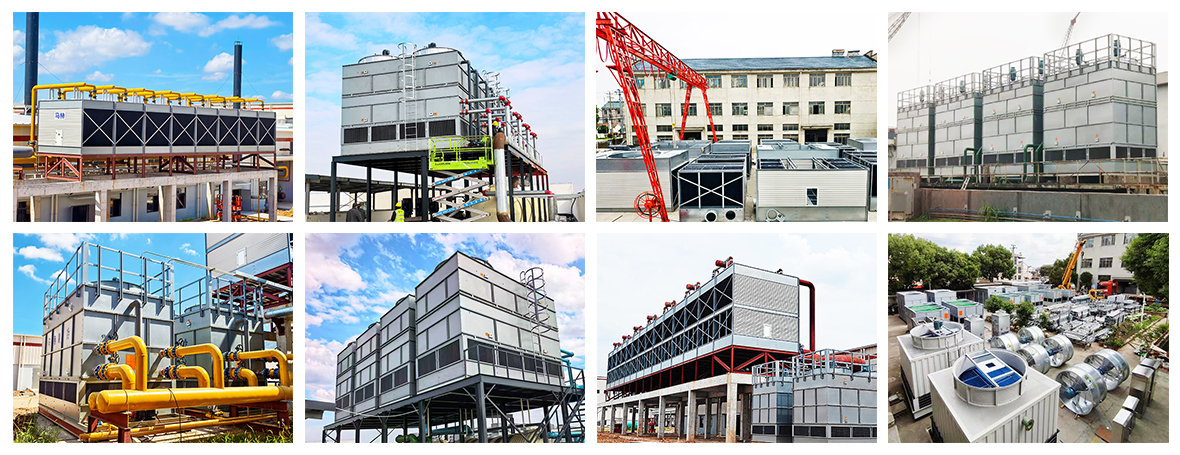
Clear technical communication can prevent costly misunderstandings. Ask for the relevant product specifications, material details, dimensional drawings, performance conditions, and maintenance guidance.
When comparing quotations, check that the suppliers are working from the same design conditions. If one proposal assumes a different water flow rate or wet-bulb temperature, its stated capacity may not be directly comparable with another proposal.
Buyers should also confirm the product scope, delivery arrangements, warranty terms, and any commissioning or installation responsibilities before placing an order.
For an existing cooling tower, replacement parts should match the original design and the current operating requirements.
Fill media may differ in sheet spacing, height, width, material, airflow resistance, and installation arrangement. Drift eliminators and nozzles also have specific design characteristics that influence their compatibility.
Provide accurate measurements and photographs when requesting replacement components. Confirm the technical details before ordering to reduce the risk of receiving parts that cannot be installed correctly.
Planning maintenance and replacement work ahead of time can also help facilities reduce downtime and avoid emergency purchasing.
Several purchasing mistakes can lead to higher operating costs or disappointing performance.
Choosing based on price alone is one of the most common problems. A lower initial price may not represent the best value if the equipment is poorly matched to the application or requires frequent maintenance.
Ignoring design conditions can lead to incorrect capacity selection. Buyers should verify water flow, inlet and outlet temperatures, and design wet-bulb temperature instead of relying only on nominal tonnage.
Overlooking water quality can result in scaling, corrosion, or biological fouling. The proposed materials and water-treatment program should suit the actual operating conditions.
Failing to confirm replacement compatibility can create delays during maintenance. Fill media, drift eliminators, and other parts should be checked against the existing tower's dimensions and design.
Underestimating maintenance access may make routine inspections more difficult and expensive. Consider how technicians will safely access internal components before installation.
To avoid these issues, prepare a written specification, ask suppliers to state their design assumptions, and compare quotations on an equivalent technical basis.
Long-term cooling tower costs include electricity, water consumption, water treatment, cleaning, repairs, and production downtime. A well-planned maintenance program can help control these expenses.
First, maintain appropriate water treatment. Monitor water quality and follow a treatment plan suited to the system's materials and operating conditions. This helps reduce the risk of scale, corrosion, and biological fouling.
Second, inspect nozzles and fill media regularly. Blocked nozzles can cause uneven water distribution, while dirty fill can restrict airflow and reduce heat transfer. Correcting these issues early is often easier than dealing with severe fouling.
Third, keep air inlets and exhaust areas clear. Debris and obstructions can interfere with airflow and reduce the tower's ability to reject heat.
Fourth, review fan and pump operation. Controls should match the actual cooling demand, and equipment should be inspected for abnormal vibration, noise, or other signs of mechanical problems. Changes to equipment settings should follow appropriate technical guidance.
Finally, track performance over time. Record water temperatures, flow rates, fan operation, water-treatment results, and inspection findings. A gradual increase in approach temperature or a change in pressure drop may indicate fouling, poor distribution, or another issue that requires investigation.
The goal is not simply to reduce maintenance spending. It is to prevent avoidable failures while maintaining the cooling performance your process requires.
Compare technical knowledge, product specifications, customization options, material suitability, replacement-part availability, documentation, and communication. Confirm that the proposed equipment matches your design conditions and that the supplier can explain the basis of its performance claims.
The answer depends on the process heat load, fluid chemistry, temperature range, contamination risks, and maintenance requirements. Open-circuit towers may suit many conventional applications, while closed-circuit systems may be preferable when separation of the process fluid is important. A technical assessment is recommended for corrosive or unusual applications.
Yes, in many cases. Fill media can often be replaced if the tower structure, water-distribution system, and other major components remain in suitable condition. The replacement fill must match the tower design, dimensions, temperature range, and operating conditions.
Maintenance frequency depends on operating hours, water quality, environmental conditions, process requirements, and applicable regulations. Routine visual checks should be combined with scheduled inspections, water-treatment monitoring, and periodic cleaning. Facilities with heavy fouling or demanding operating conditions may need more frequent attention.
Malaysian buyers can contact Mach Industry (Zhejiang) Co., Ltd. to discuss their cooling tower equipment or component requirements. Provide the application details and technical specifications so the company can assess whether a suitable solution is available. Delivery arrangements, documentation, warranty terms, and technical support scope should be confirmed directly before ordering.
Finding a reliable cooling tower supplier in Malaysia starts with understanding your application's actual requirements. Chemical plants need careful attention to process conditions and material compatibility. Food manufacturers must consider dependable cooling alongside hygiene and contamination control. HVAC projects need a tower that works efficiently with the chiller and the building's cooling demand.
Across all these industries, correct sizing, suitable materials, effective water treatment, convenient maintenance access, and compatible replacement parts can make a significant difference to long-term performance.
Mach Industry (Zhejiang) Co., Ltd. is one supplier to consider when comparing cooling tower equipment and related components for industrial and commercial projects. Prepare your operating data, define your performance targets, and request technical information before making a decision.
A cooling tower is more than a piece of equipment. It is part of the infrastructure that keeps production stable, buildings comfortable, and industrial processes operating efficiently. Choosing the right solution today can help you manage maintenance, control operating costs, and support reliable cooling for years to come.