We Provide Cooling Tower Solution

Views: 0 Author: Site Editor Publish Time: 2025-12-24 Origin: Site


A cooling tower is a critical part of industrial and HVAC heat rejection systems. To ensure safe operation, efficient maintenance, and reliable system control, various valves are installed in cooling tower piping. Among them, the cooling tower isolation valve plays a fundamental role.
This article provides a complete and practical explanation of what a cooling tower isolation valve is, how it works, where it is used, and why it is essential. The content also reflects engineering practices commonly applied by professional cooling tower manufacturers such as Mach Cooling (https://www.machcooling.com/).
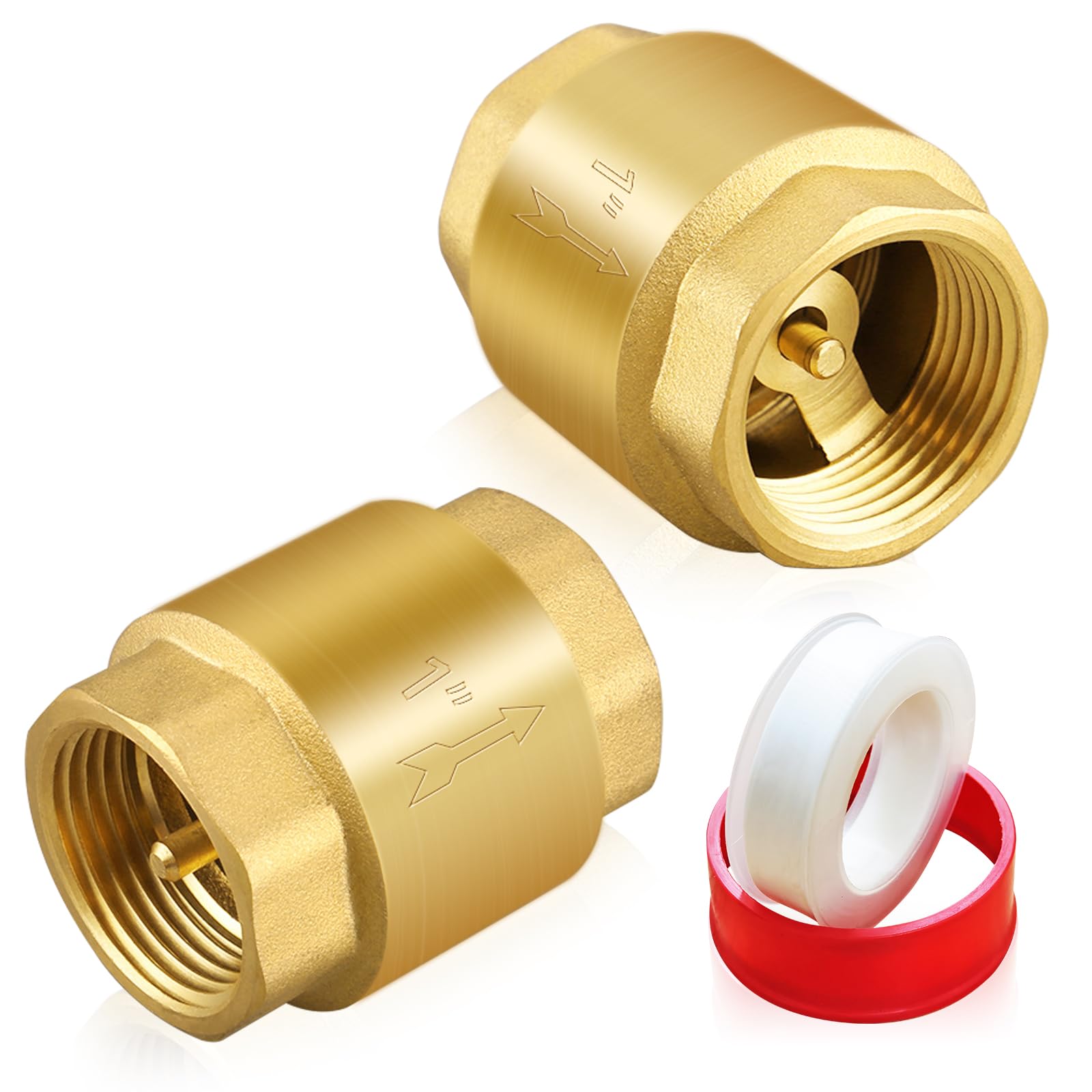
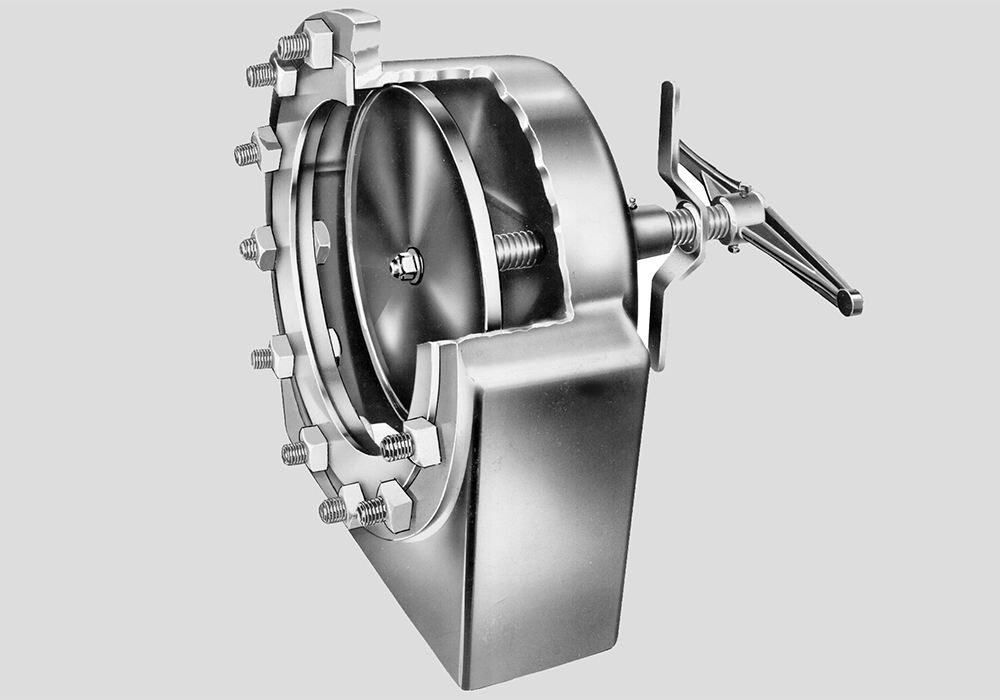
A cooling tower isolation valve is a valve installed in the cooling tower water system to completely shut off or isolate water flow to a specific section of the system. Its main function is not to regulate flow but to allow maintenance, repair, or inspection without draining or shutting down the entire cooling tower system.
In cooling tower applications, isolation valves are commonly used on:
Cooling tower inlet piping
Cooling tower outlet piping
Pump suction and discharge lines
Heat exchanger connections
Bypass and make-up water lines
By closing an isolation valve, operators can safely separate one component from the rest of the system.
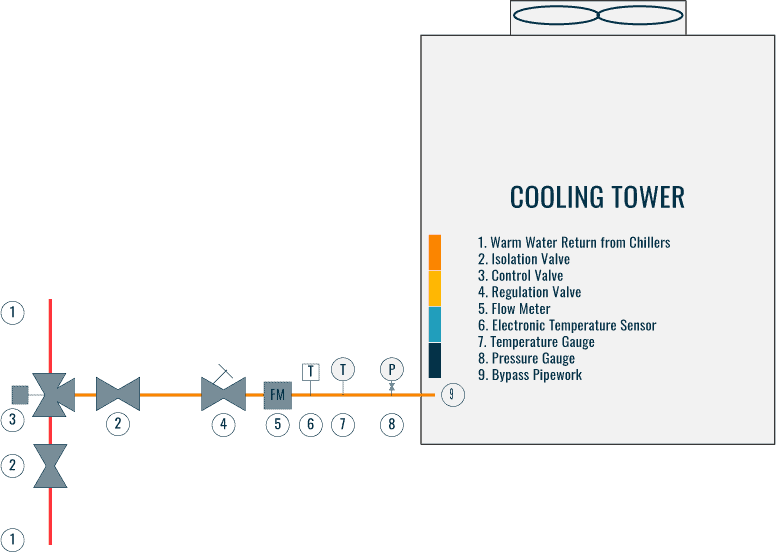
Cooling tower systems handle large volumes of circulating water. Isolation valves allow operators to stop water flow instantly, preventing flooding, equipment damage, and safety hazards during maintenance or emergencies.
With properly installed isolation valves:
Maintenance can be performed on pumps, strainers, or cooling tower cells
Only the isolated section is shut down
The remaining system continues operating
This significantly reduces plant downtime and operational losses.
Isolation valves protect cooling tower components from:
Sudden pressure surges
Uncontrolled water discharge
Backflow during system shutdown
For industrial users, this protection extends equipment life and improves system reliability.
Isolation valves are defined by their function, not their design. Several valve types can serve as isolation valves in cooling tower systems.
Fast on/off operation
Excellent sealing performance
Common for small to medium pipe sizes
Lightweight and cost-effective
Ideal for large-diameter cooling tower piping
Widely used in industrial cooling tower installations
Full open or full close operation
Minimal pressure drop when fully open
Slower to operate compared to ball valves
Better for flow regulation
Higher pressure drop
Less commonly used purely as isolation valves
| Valve Type | Typical Pipe Size | Sealing Performance | Cost Level | Cooling Tower Application |
|---|---|---|---|---|
| Ball Valve | Small–Medium | Excellent | Medium | Make-up water, branch lines |
| Butterfly Valve | Medium–Large | Good | Low | Inlet & outlet main piping |
| Gate Valve | Medium–Large | Good | Medium | Main isolation points |
| Globe Valve | Small–Medium | Moderate | High | Rarely used for isolation |
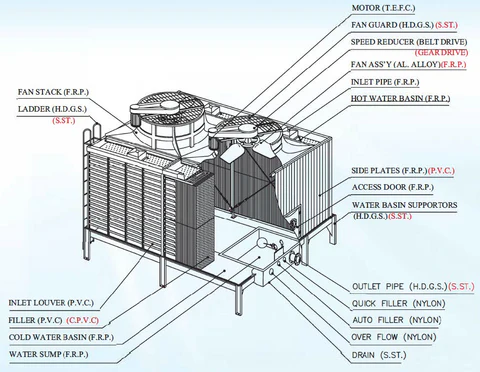
Isolation valves are strategically installed to maximize operational flexibility:
Cooling tower water inlet – isolates the tower from the condenser water loop
Cooling tower outlet – prevents backflow during shutdown
Pump suction and discharge – allows pump servicing
Heat exchanger connections – enables maintenance without draining the system
Bypass lines – supports system balancing and testing
Proper valve placement is a standard design practice followed by professional cooling tower manufacturers like Mach Cooling.
Isolation valve materials must withstand continuous water exposure and chemical treatment:
Cast iron
Ductile iron
Carbon steel
Stainless steel
Bronze (for smaller systems)
Material selection depends on:
Water quality
Operating temperature
System pressure
Chemical treatment program
When choosing a cooling tower isolation valve, consider:
Pipe diameter and flow rate
System pressure and temperature
Water chemistry and corrosion risk
Manual or automated operation
Installation space and maintenance access
A professional cooling tower supplier such as Mach Cooling can provide system-level guidance to ensure valve selection matches overall cooling tower performance requirements.
| Feature | Isolation Valve | Control Valve |
|---|---|---|
| Primary function | Shut off flow | Regulate flow |
| Operation | Fully open / fully closed | Modulating |
| Usage in cooling tower | Maintenance & safety | Flow balancing |
| Complexity | Simple | More complex |
Isolation valves are not designed to regulate flow continuously; their strength lies in reliable shut-off.
Modern cooling tower systems emphasize:
Energy efficiency
Easy maintenance
Operational reliability
Isolation valves are a core part of this design philosophy. High-quality cooling tower systems from Mach Cooling integrate well-positioned isolation valves to support long-term operation, reduce downtime, and improve overall system safety.
A cooling tower isolation valve is an essential component that allows operators to safely and efficiently manage water flow within a cooling tower system. By enabling section-by-section shutdown, isolation valves reduce maintenance time, enhance safety, and protect valuable equipment.
When properly selected and installed, isolation valves contribute significantly to the reliability and efficiency of industrial and HVAC cooling systems. Working with an experienced manufacturer such as Mach Cooling (https://www.machcooling.com/) ensures that cooling towers and their associated piping components are engineered for durability, performance, and ease of maintenance.