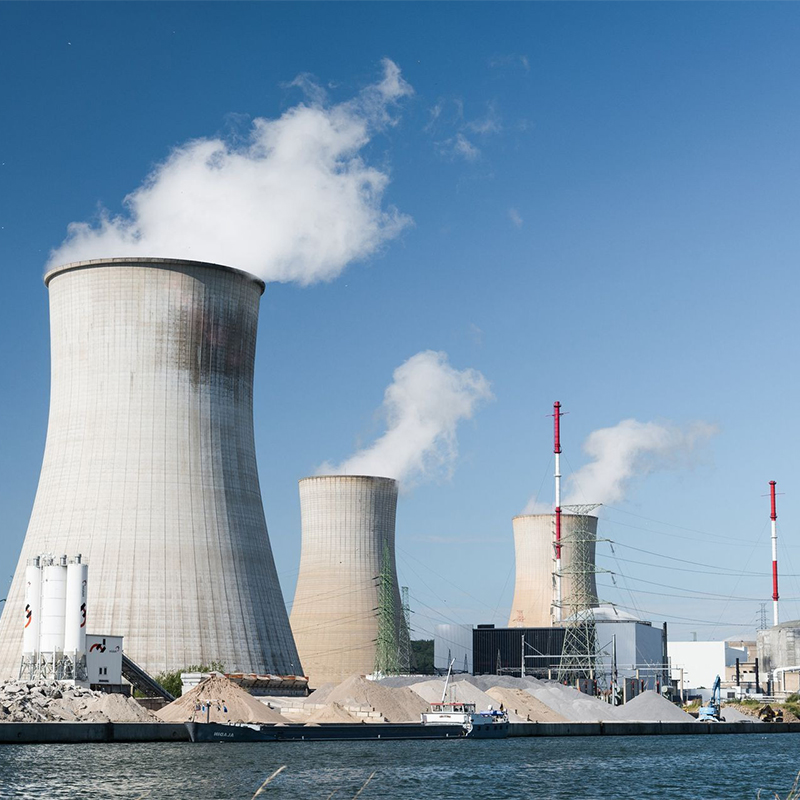
We Provide Cooling Tower Solution

Views: 0 Author: Site Editor Publish Time: 2025-12-27 Origin: Site


Cooling towers are the unsung heroes of modern industry. From power plants to commercial buildings, they quietly remove heat and keep systems running smoothly. Among all designs, the TDS (Total Dissolved Solids) cooling tower stands out as a critical solution for maintaining efficiency and longevity. But what exactly is TDS, and why does it matter so much? Let’s dive in.
If you’ve ever wondered why some cooling towers scale up faster than others or why corrosion sometimes hits unexpectedly, the answer often lies in TDS levels in the water. TDS refers to all the minerals, salts, and impurities dissolved in the cooling water, and controlling it is key to performance.
TDS represents the total concentration of dissolved substances in water. Think of it as the “hidden extras” floating invisibly in your water—mostly harmless at low levels, but problematic when concentrated.
Common contributors include calcium, magnesium, chlorides, sulfates, and other salts. As water evaporates in a cooling tower, these solids become concentrated—like boiling a pot of soup until the flavors (and salts) intensify.
High TDS levels can create scale on heat exchanger surfaces, reducing efficiency. Imagine a thin layer of limescale on your kettle—but magnified to industrial proportions.
Excess salts in water can corrode pipes and components over time. It’s like a “silent attacker” gradually wearing down your equipment.
Elevated TDS can encourage algae and bacterial growth, which can foul the system and create hygiene problems.
Scaling from high TDS reduces water-to-air contact, slowing heat exchange. Your cooling tower has to work harder to achieve the same cooling effect, which means higher energy costs.
To maintain safe TDS, periodic blowdown is necessary. High TDS water requires more frequent blowdown, increasing water consumption and operational costs.
A TDS meter provides a quick and accurate reading. Simply dip it in the water and check the display. It’s a fast and reliable method for routine monitoring.
Since dissolved solids increase water conductivity, measuring conductivity can estimate TDS levels. Higher conductivity equals higher TDS.
Blowdown removes concentrated water and replaces it with fresh water, helping maintain optimal TDS. Think of it as releasing pressure in a boiling kettle to keep the mixture balanced.
Adding anti-scale and corrosion inhibitors protects the system from high TDS effects, essentially giving your water an “invisible shield.”
Softening and filtration reduce hardness and remove minerals, preventing TDS from reaching critical levels.
Regular inspection and cleaning of fill media, basins, and piping, combined with consistent TDS monitoring, ensures efficient performance and prevents costly breakdowns.
Reduces heat transfer efficiency and can cause overheating.
Excess salts accelerate corrosion, leading to leaks and expensive repairs.
High TDS encourages microbial growth, affecting water quality and safety.
When choosing a cooling tower, consider:
Water source and quality
Heat load
Operating conditions
TDS control equipment
Proper selection prevents operational issues and extends system life.
Maintaining optimal TDS ensures:
Efficient heat transfer
Lower water and energy costs
Reduced scaling and corrosion
Longer equipment lifespan
At Mach Cooling, we specialize in cooling towers with advanced TDS monitoring and control. Our towers optimize water management, reduce operating costs, and deliver reliable performance across commercial and industrial applications.
TDS is not just a number—it’s a key factor that influences efficiency, maintenance, and longevity of cooling towers. By monitoring and controlling TDS, especially with solutions from Mach Cooling, you ensure your cooling system runs efficiently, safely, and sustainably.