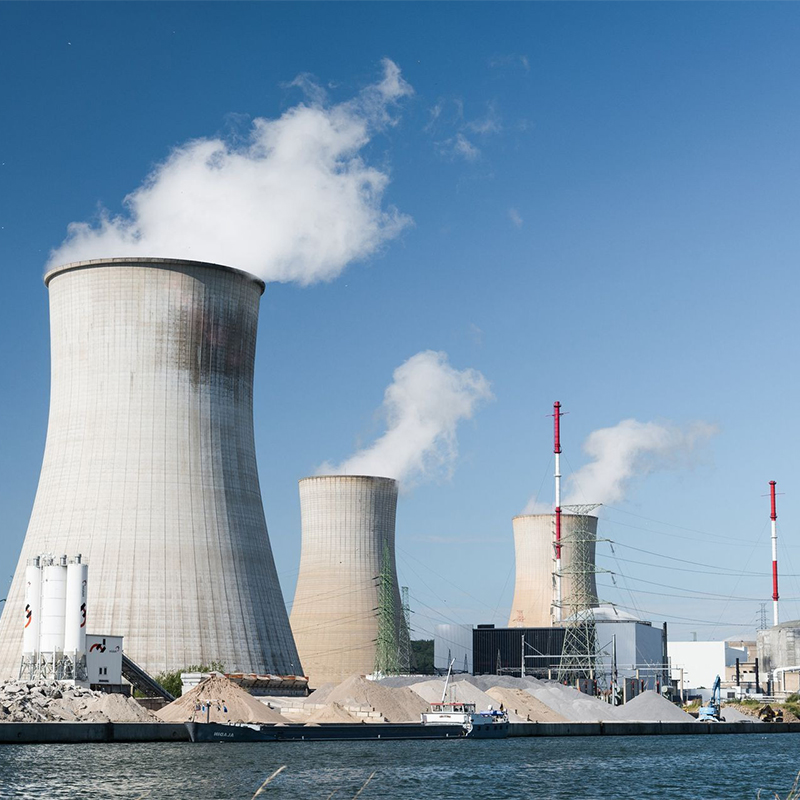
We Provide Cooling Tower Solution

Views: 0 Author: Site Editor Publish Time: 2026-02-02 Origin: Site


When it comes to cooling towers, makeup water plays an indispensable role. Whether you're working with industrial, commercial, or residential cooling towers, managing makeup water efficiently is vital for optimal performance and longevity of the equipment. This article dives into real-world case studies that demonstrate how effective makeup water management not only improves cooling tower operations but also reduces costs and minimizes environmental impact.
Cooling towers work by dissipating heat from industrial processes, HVAC systems, or power plants. To keep the system operating efficiently, a consistent supply of makeup water is essential. This water replenishes the volume lost due to evaporation, drift, and blowdown. Without proper makeup water management, a cooling tower can face performance degradation, higher energy costs, and increased maintenance needs.
Makeup water is water that is added to a cooling tower system to replace the water lost through evaporation, drift, or blowdown. This water must be carefully managed to ensure that the cooling tower continues to operate efficiently and safely. The quality and quantity of makeup water play a critical role in maintaining the cooling tower’s efficiency and extending its operational lifespan.
Makeup water impacts several key components of cooling tower operations:
Cooling Efficiency: The right amount of makeup water ensures that the cooling tower can maintain a low temperature in the cooling process.
System Longevity: Consistent makeup water quality prevents corrosion and scaling, which can damage the system.
Cost Control: Efficient use of makeup water can significantly lower operating costs by reducing the need for frequent system repairs and replacements.
Managing makeup water is not always straightforward. Various challenges can arise that hinder optimal cooling tower performance. These challenges may include:
Water Quality: Poor-quality makeup water can introduce contaminants that damage the tower.
Water Scarcity: In areas with limited water supply, managing makeup water becomes even more critical.
Cost Implications: The cost of sourcing high-quality makeup water can be substantial, especially in regions with high water prices.
The most common issues in makeup water management include:
Hard Water: High levels of minerals can lead to scaling.
Microbial Contamination: Biofilm buildup can clog the system and impact performance.
Water Imbalance: Too much or too little makeup water can lead to operational inefficiencies.
Poor makeup water management can have both environmental and economic consequences. Overuse of water leads to increased costs, while improper treatment of water can harm the environment by introducing pollutants.
A large industrial plant faced significant issues with its cooling tower makeup water supply. High levels of mineral content in the water led to severe scaling and a drop in cooling efficiency. As a result, the plant was forced to frequently shut down for maintenance, costing both time and money.
The solution involved installing a water softening system to reduce the hardness of the makeup water. Additionally, the plant implemented a real-time monitoring system to assess the quality of the water and adjust chemical dosing accordingly.
After implementing the water softening system, the plant saw a 20% reduction in maintenance costs, a 15% improvement in cooling tower efficiency, and a significant decrease in water usage.
A commercial facility located in a water-scarce region struggled with a limited water supply for its cooling tower. This resulted in high operational costs and potential environmental concerns.
The facility decided to recycle water from its wastewater treatment system for use as makeup water in the cooling tower. This involved setting up a filtration system to remove contaminants and ensure the water met quality standards for cooling tower use.
By recycling water, the facility reduced its reliance on external water sources by 40%, leading to annual savings of approximately $50,000. Additionally, the cooling tower's operational efficiency improved due to the consistent quality of water being used.
A large power plant noticed a decline in cooling tower performance due to fluctuating water quality. This inconsistency was affecting energy output and increasing downtime.
The plant partnered with experts from MachCooling, a leading manufacturer of water treatment solutions, to install an advanced filtration and chemical treatment system. This system was designed to stabilize the makeup water quality and prevent scaling and corrosion.
After the new system was installed, the power plant saw a 30% improvement in cooling tower efficiency, a 25% reduction in water consumption, and a significant decrease in water treatment costs.
Each case study highlights the importance of regular monitoring and maintenance to ensure that makeup water quality remains optimal. Routine checks and the use of modern technology can help mitigate many of the challenges associated with makeup water management.
The case studies also emphasize the value of collaborating with experts, such as MachCooling, who specialize in water treatment technologies. Their innovative solutions have helped several facilities overcome challenges related to makeup water management.
Effective makeup water management is crucial for maintaining cooling tower efficiency, reducing costs, and ensuring environmental sustainability. As demonstrated through these case studies, innovative solutions such as water softening systems, water recycling, and advanced filtration technologies can have significant positive impacts on cooling tower operations. By addressing challenges head-on and utilizing expert solutions, facilities can optimize their makeup water usage and ensure long-term success.