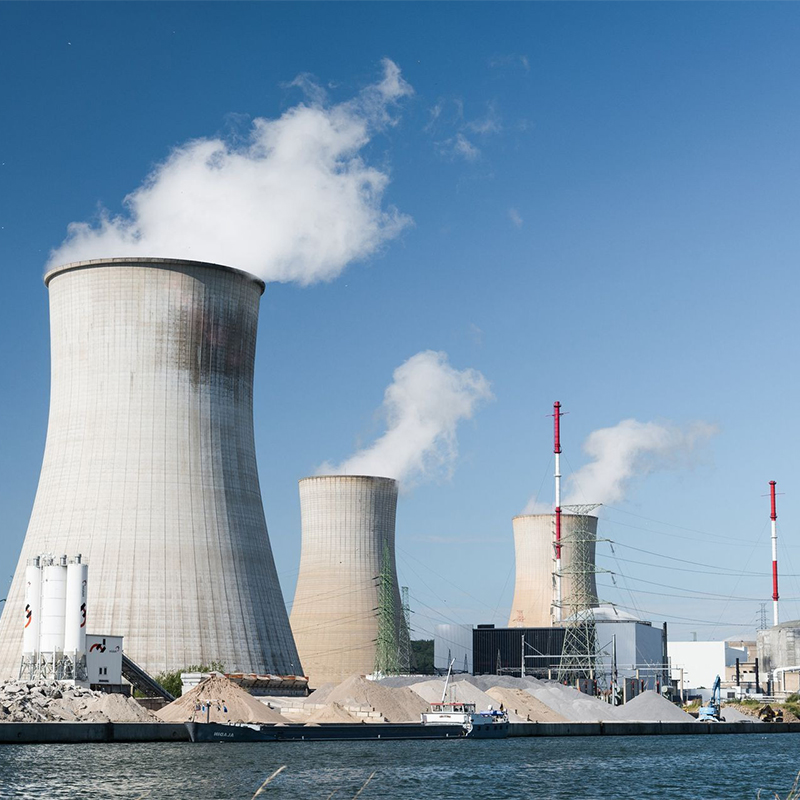
We Provide Cooling Tower Solution

Views: 0 Author: Site Editor Publish Time: 2026-01-31 Origin: Site


Water is a precious resource, and in industrial cooling towers, it’s also one of the largest ongoing expenses. Water recycling and conservation are no longer just buzzwords—they’re essential practices for saving money, enhancing efficiency, and protecting the environment. By leveraging modern technologies, industrial facilities can dramatically reduce freshwater consumption while maintaining peak cooling tower performance.
Companies like Mach Cooling provide cutting-edge solutions that make recycling and conserving water in cooling towers straightforward and reliable.
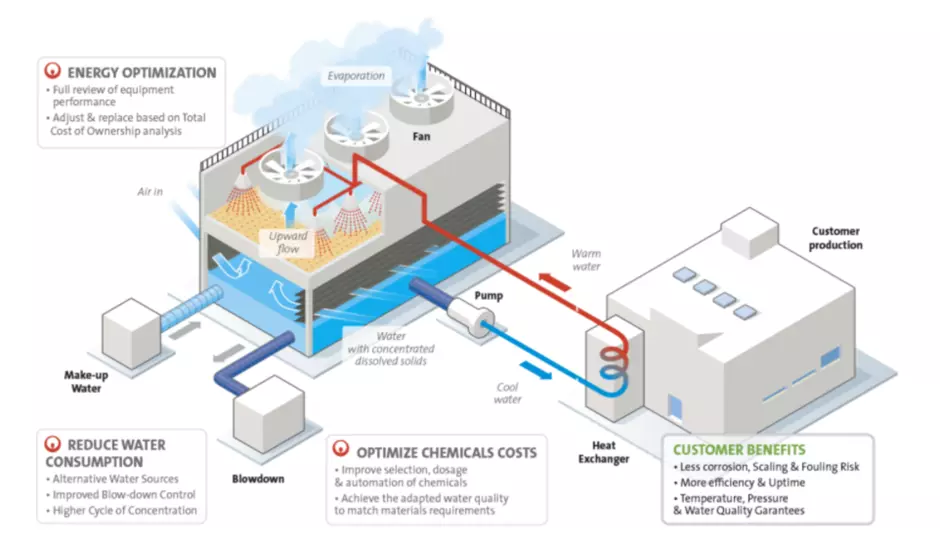
Cooling towers are vital for dissipating heat from industrial processes, but they can be major water consumers. Without proper management, significant volumes of water are lost through evaporation, blowdown, and drift. Effective water recycling and conservation not only cut costs but also ensure compliance with environmental regulations and corporate sustainability goals.
Evaporation is a necessary process in cooling towers—it’s how heat is removed from water. However, it represents the largest water loss. Conserving water requires monitoring evaporation rates and designing systems to maximize heat transfer efficiency.
Blowdown removes dissolved minerals to prevent scaling and corrosion. While necessary, excessive blowdown wastes water. Smart water management minimizes blowdown frequency without compromising tower integrity.
Water droplets escaping with airflows (drift) or splashing outside the basin also contribute to losses. Using drift eliminators and proper design reduces these losses significantly.
Recycling water can cut fresh water usage by 20-40% in typical cooling towers. This reduces dependency on municipal or well water sources, which is especially critical in water-stressed regions.
Less fresh water means lower water bills, reduced wastewater discharge fees, and minimized chemical usage for treatment—all contributing to cost savings.
Water recycling reduces environmental impact, supporting sustainability initiatives and regulatory compliance while improving a company’s green image.

Blowdown should be controlled based on real-time water quality rather than fixed schedules. Optimizing cycles reduces waste without risking scale or corrosion.
Conductivity sensors monitor dissolved solids, automatically triggering blowdown only when necessary. This smart approach ensures water efficiency.
IoT-enabled sensors and predictive analytics track water quality, usage, and losses. Operators receive alerts and actionable insights, enabling proactive management.

Sand filters, bag filters, and micro-strainers remove suspended solids, making water suitable for reuse in the cooling system.
RO systems purify blowdown water for reuse, drastically reducing freshwater requirements.
Safe chemical dosing allows recycled water to be reused without promoting scaling, corrosion, or microbial growth.
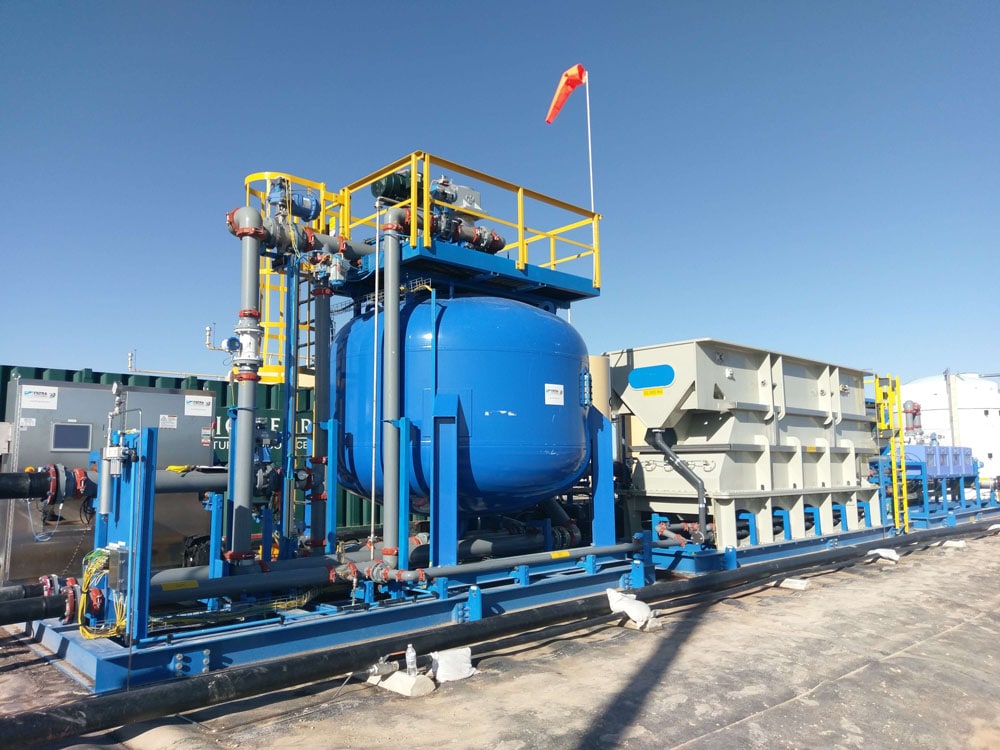
Mach Cooling helped a beverage plant implement smart blowdown recycling, reducing freshwater intake by 30% and saving thousands in chemical and water costs annually.
A large data center integrated filtration and monitoring for cooling tower blowdown. This reduced water use, minimized risk of scaling, and improved system reliability.
Cleaning nozzles, basins, and sensors ensures water is efficiently circulated and contaminants are removed, making recycling more effective.
Operators trained on water conservation practices maintain better efficiency and respond promptly to anomalies.
Water recycling should be part of a holistic facility plan, including HVAC, process water, and wastewater systems.

Mach Cooling tailors systems to each facility, optimizing both water conservation and cooling performance.
Smart sensors, automation, and predictive analytics allow real-time control and continuous improvement.
Mach Cooling ensures your water management system meets local and international standards, reducing regulatory risk.
Sensors monitor water quality continuously, enabling automated adjustments for maximum efficiency.
AI predicts water demand, blowdown timing, and treatment needs, minimizing waste and downtime.
Advanced analytics, automation, and green technology integrate cooling towers into the larger framework of sustainable industrial operations.
How often should recycled water be tested?
Daily checks for conductivity, pH, and microbial growth are recommended, with weekly in-depth testing.
Can older cooling towers be retrofitted for water recycling?
Yes. Filtration, sensors, and chemical dosing systems can be integrated into most existing towers.
What are the cost savings of implementing water recycling?
Savings include reduced water and wastewater fees, lower chemical consumption, and energy efficiency gains, often paying back the investment within 2-3 years.
Water recycling and conservation are no longer optional—they’re essential for industrial efficiency, cost savings, and sustainability. By implementing smart monitoring, filtration, and chemical management, facilities can drastically reduce water consumption without sacrificing performance.
With Mach Cooling, companies gain a trusted partner for state-of-the-art water recycling solutions, ensuring their cooling towers are efficient, sustainable, and reliable.