We Provide Cooling Tower Solution

Views: 0 Author: Site Editor Publish Time: 2025-12-24 Origin: Site


A cooling tower plume is a visible cloud of water vapor produced by a cooling tower during its normal operation. It is one of the most recognizable characteristics of cooling towers and, while often misunderstood, is a natural consequence of how these systems reject heat. This article explores what a plume is, why it forms, what affects its size and behavior, and how modern cooling tower manufacturers — such as Mach Cooling (https://www.machcooling.com/) — approach plume mitigation and system design to meet performance and environmental goals.

Cooling towers are engineered structures used in industrial, commercial, and power generation applications to remove heat from circulating water systems. Heat is rejected from the water to the atmosphere through a combination of evaporation and convection. The result is cooled water that can be reused in heat exchangers, condensers, and other parts of a process loop.
A byproduct of this heat rejection is the cooling tower plume.

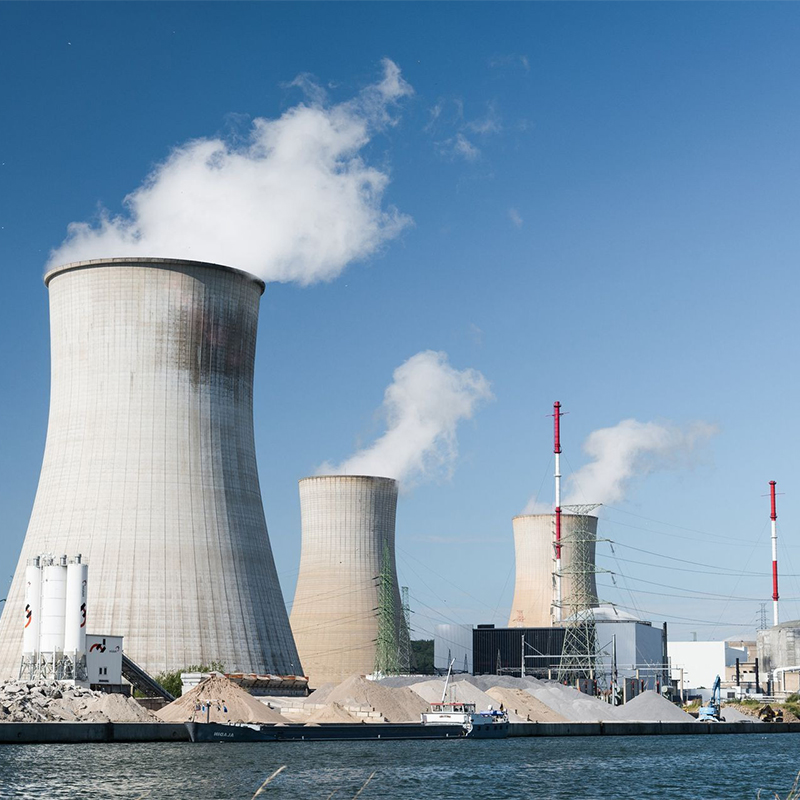
A cooling tower plume is a visible cloud of moist air that exits the cooling tower’s outlet. The plume consists mainly of water vapor — tiny droplets or moisture-laden air that becomes visible when the warm, moist discharge mixes with cooler ambient air.
This plume is not smoke or pollution; rather, it represents the evaporative cooling process at work.
The plume forms due to these steps:
Warm water enters the cooling tower from the process loop.
Water flows over fill media, creating thin films that maximize surface area.
Air is drawn through the tower by fans or natural draft, picking up heat and moisture.
As warm, saturated air exits, it meets cooler ambient air.
Moisture in the warm air condenses — forming a visible plume.
The plume becomes visible when the cooling tower’s exhaust air — high in relative humidity and warmer than the outside air — contacts atmospheric conditions that cause the moisture to condense. The key drivers are:
Warm, moist air leaving the cooling tower
Cooler outdoor air (especially in fall, winter, or early morning)
High relative humidity in the environment
When air saturation is reached, invisible water vapor condenses into tiny droplets — this is what you see as a white plume.
Several variables influence how large, dense, or persistent a cooling tower plume appears:
| Condition | Plume Effect |
|---|---|
| Low Temperature + High Humidity | Large, dense plume |
| Warm, Dry Conditions | Little or no visible plume |
| Windy Conditions | Plume disperses quickly |
| Calm, Cool Nights | Plume persists and lingers |
Plume visibility increases when the temperature difference between tower exhaust and ambient air is large.
Hotter condenser water → more moisture and larger plume
Higher airflow rate → plume travels higher and moves farther
Tower design (natural vs. mechanical draft) → affects plume behavior
A cooling tower plume itself is not harmful. It’s essentially condensed water with negligible droplets of dissolved solids. It does not contain smoke, chemicals, or pollutants.
However, in rare cases and under specific conditions, plume interaction with surrounding infrastructure can:
Reduce visibility near roadways
Increase surface moisture on nearby buildings
Result in visual aesthetic concerns
Regulations may require plume assessment and mitigation in certain sensitive zones:
Airports (to avoid visual distractions)
Residential or urban environments
Areas with strict environmental codes
Manufacturers like Mach Cooling incorporate plume control strategies when designing systems for such locations.
Reducing visible plume can be important for both environmental compliance and site aesthetics.
Drift eliminators capture larger droplets to reduce droplet escape, which helps diminish the appearance and moisture content of the plume.
Mach Cooling and similar manufacturers design advanced cooling tower configurations that include:
Low-plume fills — reduce moist air generation
Enhanced airflow control — optimize mix of air and water
Louvers & air discharge diffusers — influence exit airflow patterns
By reducing the temperature of exhaust air before discharge, the plume may become less visible — a strategy sometimes applied in energy-optimized systems.
Different cooling tower designs influence plume behavior:
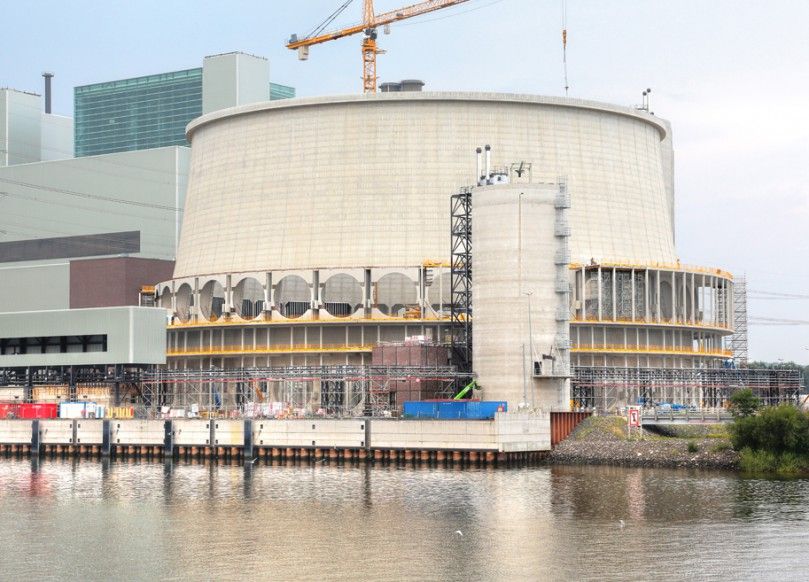
Tall hyperbolic structures
Rely on buoyancy
Plumes can be large and visible, especially in cool conditions
Use fans to force or pull air
Plume height and density vary with fan speed and load
Crossflow towers: wide air intake → more uniform plume
Counterflow towers: upward air movement → more concentrated plume
| Feature | Natural Draft | Mechanical Draft |
|---|---|---|
| Typical Plume | Large, high altitude | Variable, controlled |
| Airflow Source | Buoyancy | Fans |
| Control over Plume | Limited | High (via design & technology) |
| Installation Cost | High | Moderate |
As a reputable cooling tower manufacturer, Mach Cooling focuses on efficient heat rejection while minimizing adverse visual and environmental effects such as excessive plume. Their engineering teams leverage:
CFD analysis (Computational Fluid Dynamics) to predict plume patterns
Site-specific design to match local climate and operational requirements
Custom plume mitigation solutions when needed
Visit Mach Cooling at https://www.machcooling.com/ to explore industry-leading cooling tower solutions that balance performance with environmental considerations.
Ambient temperature: low
Relative humidity: high
Cooling tower exhaust warm and moist
Result: A thick, low-reaching plume visible for long distances.
Ambient temperature: high
Relative humidity: low
Result: The plume may not be visible at all, even though cooling is occurring.
A cooling tower plume is a visual indicator of the evaporative cooling process. It results from warm, moist exhaust mixing with cooler ambient air, leading to visible water vapor condensation. While generally harmless, plume visibility can be significant, particularly under cool and humid conditions.
Understanding plumes is important for plant design, environmental compliance, and community impact. Manufacturers like Mach Cooling integrate plume analysis and control into their cooling tower designs, ensuring efficient thermal performance while addressing site-specific needs.
For tailored cooling tower systems that consider plume behavior and operational performance, explore Mach Cooling’s expert solutions at https://www.machcooling.com/.