English


Views: 0 Author: Site Editor Publish Time: 2026-02-24 Origin: Site


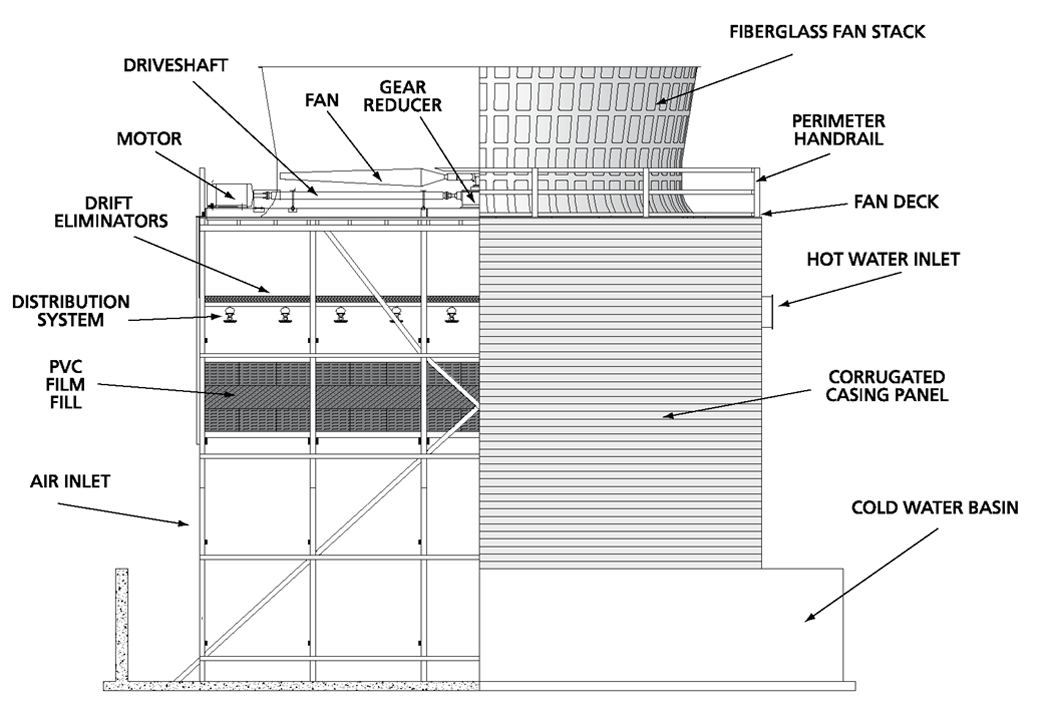
Cooling towers are like the lungs of industrial cooling systems — and the cooling tower fill valve is the small but critical component that makes sure those lungs never run dry. Whether you’re operating an HVAC system, a power plant, or an industrial process cooling loop, understanding how a cooling tower fill valve works can help you avoid water waste, system instability, and costly downtime.
So what exactly is a cooling tower fill valve, and why does it matter so much? Let’s walk through it together — no heavy jargon, just clear, practical explanations.
Cooling towers constantly lose water through evaporation, drift, and blowdown. This loss is unavoidable — it’s part of how cooling towers reject heat. But without a reliable way to replace that lost water, the entire system can quickly fall out of balance.
That’s where proper water level control comes in. A cooling tower fill valve automatically maintains the correct basin water level, ensuring the system operates smoothly and safely, even when no operator is present.
A cooling tower fill valve is an automatic water makeup valve installed in the cold-water basin of a cooling tower. Its primary function is simple but essential:
to open when the water level drops and close when the correct level is restored.
If this sounds familiar, that’s because it works much like the float valve in a household toilet tank — just engineered for industrial environments, higher flow rates, and harsher operating conditions.
Without a dependable fill valve, cooling towers can experience problems such as:
Pump cavitation due to low water levels
Uneven heat transfer
Increased scaling and corrosion
Overflow and water waste
In other words, this small component plays a big role in protecting expensive equipment and keeping the entire cooling system efficient.
The valve body is the structural core of the fill valve. It is commonly manufactured from materials such as PVC, stainless steel, brass, or reinforced plastic. These materials are selected to withstand continuous water exposure, chemical treatment, pressure fluctuations, and temperature changes.
The float is the “sensor” of the system. As the basin water level rises or falls, the float moves accordingly. This movement mechanically triggers the valve to open or close.
These connections link the fill valve to the makeup water supply and the cooling tower basin. Correct sizing is critical to ensure stable flow without pressure loss or excessive turbulence.

When water evaporates or is discharged during blowdown, the basin water level drops. The float descends along with the water, signaling that makeup water is needed.
Once the float reaches a preset level, it causes the valve to open. Fresh makeup water flows into the basin, restoring the operating water level automatically — no manual control required.
As the basin refills, the float rises. When the desired water level is reached, the valve closes smoothly, stopping the water supply and preventing overflow.
Simple mechanics. Reliable results.
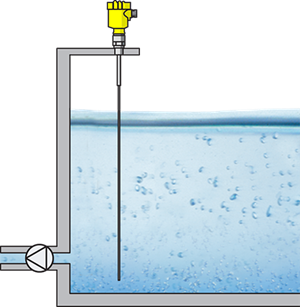
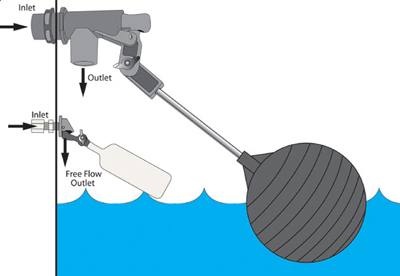
Mechanical float valves are the most widely used type. They are durable, cost-effective, and ideal for most industrial cooling tower applications. Their simplicity makes them easy to maintain and highly reliable.
Electronic valves use sensors and solenoid valves to control water levels. These are typically found in systems with advanced automation requirements or centralized control systems.
Mechanical valves excel in durability and simplicity, while electronic valves offer higher precision and remote monitoring capabilities. The best choice depends on system complexity and operational priorities.
Cooling tower fill valves are usually installed on the sidewall of the cold-water basin, slightly below the normal operating water level. This placement allows accurate float movement and stable water control.
Common issues include incorrect float alignment, undersized valves, ignoring water pressure limits, or poor sealing. Any of these can cause leaks, unstable water levels, or premature valve failure.

Overflow is often caused by debris blocking float movement, worn valve seats, or scaling buildup. Regular inspection usually prevents these issues.
Low inlet pressure, clogged strainers, or incorrect valve sizing can result in inadequate makeup water, leading to dangerously low basin levels.
A quick visual inspection every few months helps catch problems early. Look for leaks, sluggish float movement, or unusual noises.
Periodic cleaning of the valve seat and float mechanism keeps the valve responsive. Worn seals and components should be replaced promptly to avoid system instability.
Stable basin water levels allow pumps to operate smoothly, maintain consistent flow rates, and ensure uniform heat exchange. This improves overall cooling efficiency, reduces energy consumption, and extends equipment life.
Material choice should match water quality, chemical treatment programs, and environmental conditions. Corrosion resistance is especially important.
An oversized valve can waste water, while an undersized valve may starve the system. Proper sizing ensures balance, efficiency, and reliability.
An experienced manufacturer understands real-world operating conditions and designs valves that perform reliably over the long term.
Strict factory testing ensures leak-free operation, accurate water control, and long service life — all critical for industrial applications.
As a professional cooling tower manufacturer, Mach Cooling supplies high-quality cooling towers and key components, including robust cooling tower fill valves engineered for demanding industrial environments. With strong manufacturing capabilities, quality control, and global export experience, Mach Cooling products are trusted by customers worldwide.
Learn more at: https://www.machcooling.com/
How long does a cooling tower fill valve last?
With proper installation and maintenance, most industrial fill valves last between 5 and 10 years.
Can a fill valve be replaced without shutting down the entire system?
In many cases, yes — especially if isolation valves are installed.
A cooling tower fill valve may seem like a small component, but it plays a massive role in maintaining system stability, efficiency, and cost control. By selecting the right valve, installing it correctly, and working with a reliable manufacturer, you can ensure your cooling tower operates smoothly for years to come.