We Provide Cooling Tower Solution

Views: 0 Author: Site Editor Publish Time: 2026-02-13 Origin: Site


Lightning strikes are more than dramatic weather events—they’re serious threats to cooling towers. Imagine a towering Mach Cooling Tower in the middle of a power plant being hit by lightning. Not only could it cause structural damage, but it could also shut down entire industrial processes, risking both safety and financial losses. In this guide, we’ll explore essential lightning protection measures to keep cooling towers safe and operational.
A cooling tower is a vital industrial device designed to remove heat from water via evaporation. Mach Cooling Tower manufactures a wide range of high-efficiency towers, from counterflow to crossflow designs, ensuring reliability across industries like power, chemical, and HVAC systems.
Cooling towers, due to their height and metal components, are naturally prone to lightning strikes. Risks include structural damage, electrical fires, and downtime, which can result in costly repairs and operational interruptions.
A typical system includes:
Air Terminals (Lightning Rods): Capture the strike.
Conductors: Safely channel electricity to the ground.
Grounding System: Dissipates energy into the earth.
Surge Protectors: Protect sensitive equipment connected to the tower.
Tall structures like cooling towers act as natural conductors. Lightning seeks the path of least resistance, often hitting towers during storms. Without protection, the electrical energy can travel through structural and water systems, causing catastrophic damage.
Copper and aluminum are the most effective materials for lightning conductors due to their high conductivity and durability. For Mach Cooling Towers, materials are chosen to withstand industrial environments and corrosive atmospheres.
Lightning rods should be installed at the highest points, ensuring full coverage. Grounding must be low-resistance, ideally below 10 ohms, to safely disperse energy. Proper bonding of all metal parts prevents side flashes.
Mach Cooling Tower designs allow seamless integration of lightning protection systems without compromising airflow or performance. Retrofitting older units is also feasible with minimal disruption.
Conduct a site assessment.
Install air terminals at peak points.
Connect conductors and ensure proper bonding.
Install grounding system with low-resistance electrodes.
Test continuity and grounding resistance.
Avoid installation during active storms.
Use personal protective equipment.
Ensure all electrical systems are de-energized.
Inspect rods, conductors, and grounding systems twice a year. Look for corrosion, loose connections, or damage. Mach Cooling Tower recommends maintaining a detailed inspection log.
If strikes occur without damage, check for grounding deterioration or disconnected conductors. Replace any worn components immediately.
A Mach Cooling Tower in a petrochemical plant installed a full lightning protection system, preventing downtime during a severe thunderstorm.
In a high-rise commercial building, retrofitted Mach Cooling Towers successfully redirected multiple lightning strikes, ensuring continuous HVAC operation.
Investing in lightning protection may seem costly initially, but the ROI is significant. Avoided downtime, repairs, and insurance claims often justify the investment within a few years.
Modern systems incorporate early streamer emission (ESE) technology, surge protection, and IoT monitoring for predictive maintenance—enhancing Mach Cooling Towers’ reliability.
Compliance with IEC 62305 and local building codes ensures safety and minimizes liability. Mach Cooling Tower’s systems are designed to meet these standards.
Lightning protection is not optional—it’s a critical safety measure. With proper design, installation, and maintenance, Mach Cooling Towers can withstand even the harshest thunderstorms, safeguarding both equipment and personnel.
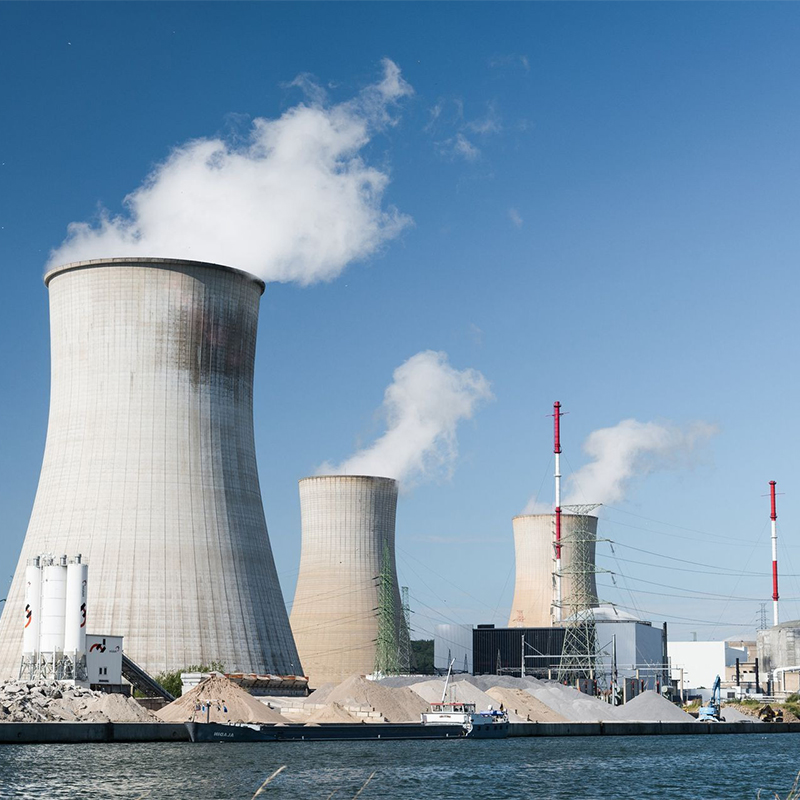
Cooling tower overview with lightning protection setup
Mach Cooling Tower installation with lightning rods
Close-up of grounding and conductor integration
Maintenance inspection of lightning protection system
Industrial site with multiple Mach Cooling Towers protected