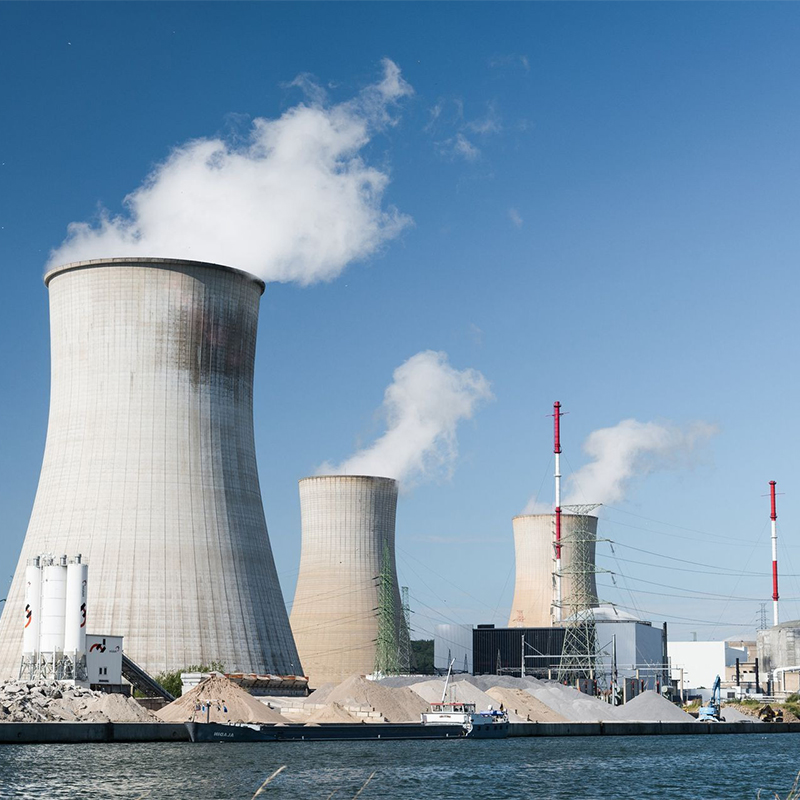
We Provide Cooling Tower Solution

Views: 0 Author: Site Editor Publish Time: 2026-02-24 Origin: Site


Choosing the right cooling tower for petrochemical applications is not just an engineering decision — it’s a strategic one. In petrochemical plants, cooling systems operate under extreme heat loads, corrosive environments, and continuous production schedules. A poorly selected cooling tower can lead to inefficiency, safety risks, unplanned downtime, and serious financial losses.
So how do you choose a cooling tower that can handle the pressure — literally and figuratively? Let’s break it down step by step, in clear and practical terms.
In the petrochemical industry, cooling towers play a silent but mission-critical role. They remove excess heat from reactors, compressors, distillation columns, condensers, and heat exchangers. Without effective cooling, temperatures rise quickly, processes become unstable, and safety margins disappear.
That’s why petrochemical cooling towers are not “standard industrial equipment.” They are purpose-built systems designed for reliability, safety, and long-term performance.
Petrochemical plants deal with high operating temperatures, aggressive chemicals, and fluctuating thermal loads. Cooling towers must withstand hot process return water, chemical treatment programs, and harsh outdoor environments — often all at once.
In petrochemical facilities, failure is not an option. Cooling towers must run continuously, often 24/7, with minimal interruption. Fire resistance, structural stability, and mechanical reliability are essential design considerations, not optional upgrades.
Petrochemical processes generate enormous amounts of heat. Whether it’s cracking, reforming, polymerization, or distillation, heat rejection is constant and intense. Cooling towers must be accurately sized to handle peak loads without compromising efficiency.
Unlike many industrial facilities, petrochemical plants rarely shut down. Cooling towers must be designed for continuous operation, with components that resist fatigue, corrosion, and wear over long service cycles.
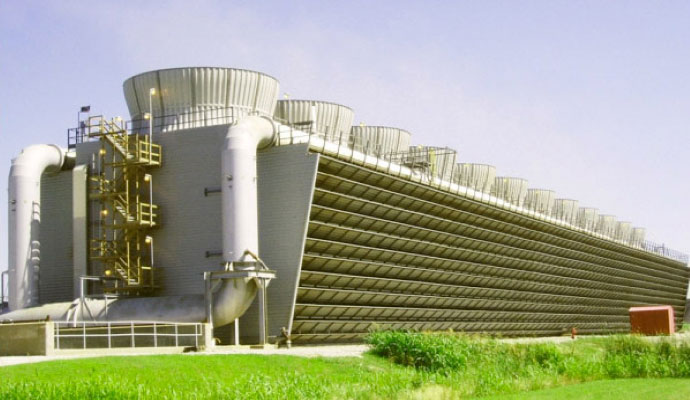
Open circuit cooling towers are widely used in petrochemical plants due to their high thermal efficiency and relatively simple design. Water is cooled through direct contact with air, making these towers cost-effective for large heat loads when water quality can be properly managed.
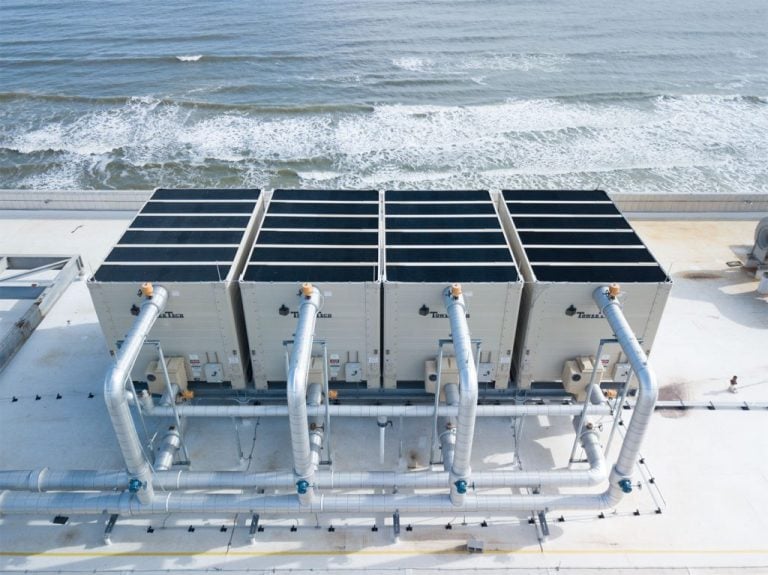
Closed circuit cooling towers keep process fluids isolated within coils, protecting them from contamination. These systems are ideal for sensitive or hazardous petrochemical processes where fluid purity and safety are critical.
Open circuit towers typically offer better heat rejection and lower initial cost, while closed circuit towers provide higher protection, reduced fouling, and easier process control. The right choice depends on process sensitivity, safety requirements, and water availability.
A cooling tower must be designed to handle both average and peak heat loads. Undersizing leads to overheating and process instability, while oversizing increases capital cost and energy consumption. Accurate thermal design is the foundation of a reliable system.
Petrochemical cooling water often contains corrosion inhibitors, biocides, and anti-scaling chemicals. The cooling tower structure and components must resist chemical attack over long periods without degradation.
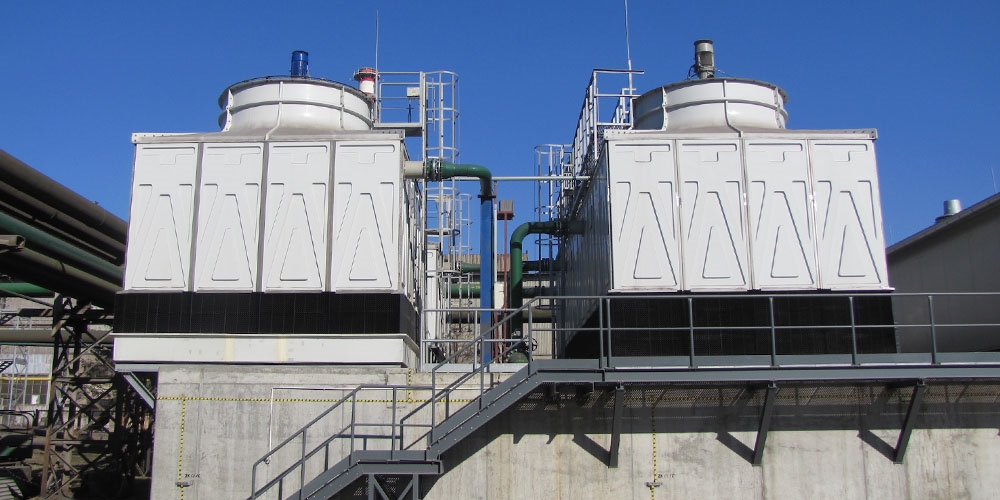
FRP (fiber-reinforced plastic) is widely used in petrochemical cooling towers due to its excellent corrosion resistance, lightweight construction, and long service life. It performs well in chemically aggressive environments and reduces maintenance requirements.
In extremely harsh conditions, stainless steel or special alloy components may be required. These materials provide superior strength and resistance to high temperatures and corrosive media, especially in critical structural or mechanical parts.


Cooling towers in petrochemical plants must use fire-retardant materials to minimize fire risk. This includes fire-resistant FRP structures, non-combustible components, and compliance with relevant safety standards.
In hazardous areas, explosion-proof motors, fans, and electrical components are often mandatory. Proper grounding and anti-static design further enhance operational safety.
Energy consumption is a major operating cost in petrochemical plants. High-efficiency fans, optimized fill design, and advanced water distribution systems help reduce power usage. At the same time, water-saving features such as low-drift eliminators and optimized blowdown control reduce makeup water demand.
Petrochemical facilities face strict environmental regulations. Cooling towers must meet limits on drift loss, noise levels, water discharge quality, and chemical usage. Compliance is not only a legal requirement — it’s also critical for corporate sustainability goals.
Many petrochemical plants operate in space-constrained environments. Cooling tower design must consider footprint, height limitations, structural loading, and integration with existing piping and electrical systems. Modular or custom-designed towers often provide the best fit.
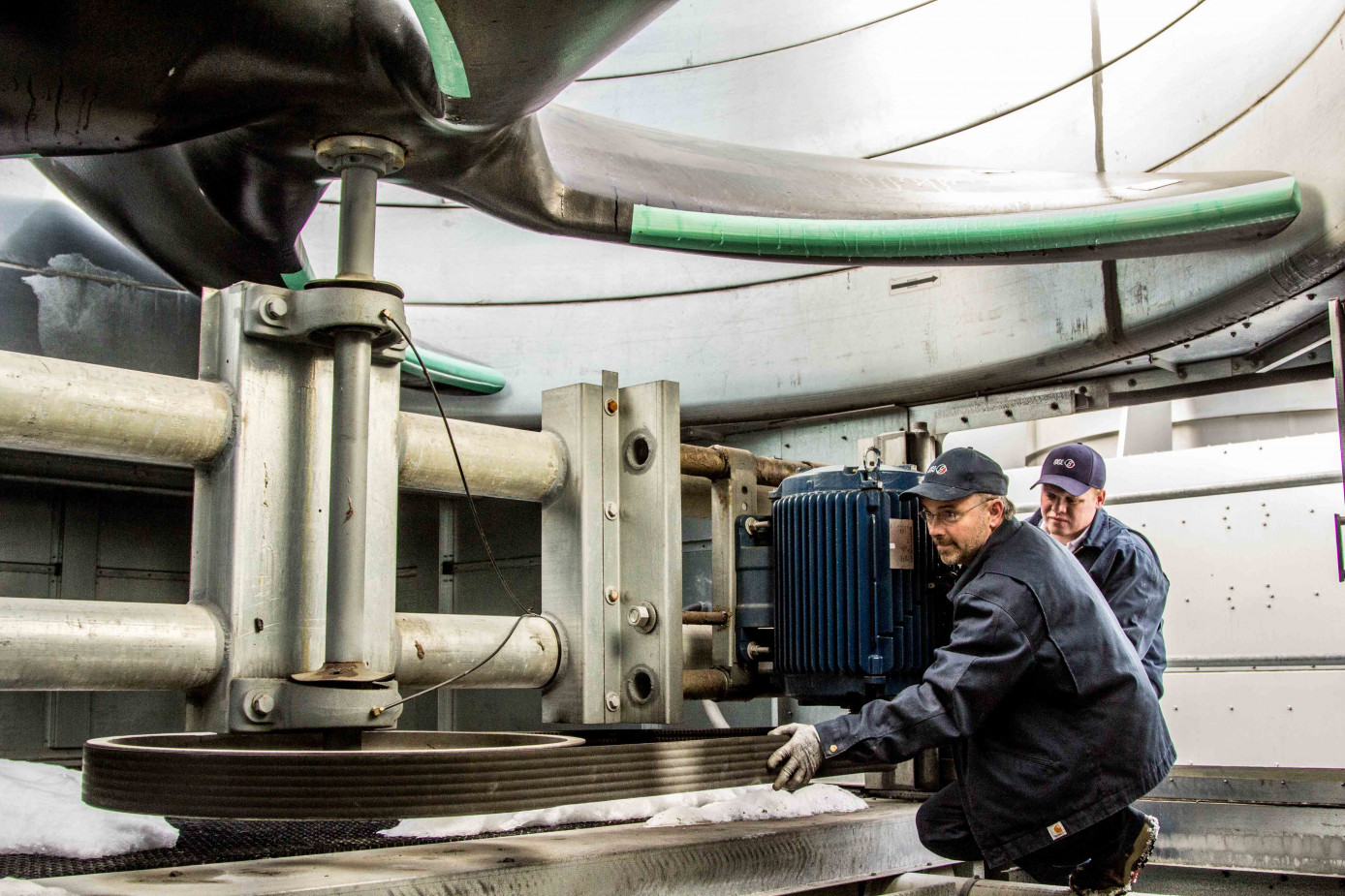
Cooling towers should be designed with easy access to key components such as fills, drift eliminators, fans, motors, and water distribution systems. Easy maintenance reduces downtime and improves long-term reliability.
Reliable access to spare parts is essential for petrochemical operations. Choosing a manufacturer with strong supply capability ensures fast response during maintenance or emergencies.

No two petrochemical projects are exactly alike. Custom cooling tower solutions allow engineers to tailor thermal performance, materials, safety features, and layout to specific project requirements — delivering optimal performance and long-term value.
As an experienced cooling tower manufacturer, Mach Cooling specializes in designing and manufacturing cooling towers for demanding petrochemical applications. With strong engineering capabilities, strict quality control, and extensive global project experience, Mach Cooling provides reliable, high-performance cooling tower solutions trusted by petrochemical plants worldwide.
Learn more at: https://www.machcooling.com/
What type of cooling tower is best for petrochemical plants?
Both open and closed circuit cooling towers are commonly used. The best choice depends on process sensitivity, water quality, and safety requirements.
How long do petrochemical cooling towers typically last?
With proper design, materials, and maintenance, high-quality cooling towers can operate reliably for 20 years or more.
Choosing the right cooling tower for petrochemical applications requires careful consideration of performance, safety, materials, efficiency, and long-term reliability. By understanding your process needs and working with an experienced manufacturer, you can ensure stable operation, reduced risk, and lower lifecycle costs.
In an industry where reliability is everything, the right cooling tower is not just equipment — it’s an investment in safety, efficiency, and peace of mind.