We Provide Cooling Tower Solution

Views: 0 Author: Site Editor Publish Time: 2026-02-24 Origin: Site


Cooling tower pumps are the heartbeat of any industrial cooling system. When a pump goes down, everything else follows — production slows, energy costs spike, and maintenance teams scramble. Surprisingly, one of the simplest components in a cooling tower can make the biggest difference in protecting these pumps: cooling tower filter screens.
Think of filter screens as the immune system of your cooling tower. They quietly block harmful debris before it reaches sensitive equipment. In this article, we’ll explore how cooling tower filter screens prevent pump damage and clogging — and why they are absolutely essential for long-term system reliability.
Cooling tower pumps are designed to move large volumes of water continuously, often 24/7. But they are not designed to handle debris. Dirt, leaves, scale, plastic fragments, and biological growth all find their way into cooling tower basins.
Without proper protection, these contaminants attack pumps from the inside out, leading to abrasion, clogging, vibration, and eventually failure. Cooling tower filter screens act as the first and most important line of defense.
Pumps circulate cooled water from the basin back to heat exchangers, chillers, or industrial processes. When water flow is smooth and consistent, the system operates efficiently. When flow is restricted, the pump works harder — like trying to run while breathing through a blocked mask.
Over time, this strain shortens pump life and increases energy consumption.
Cooling towers are open systems, constantly exposed to the environment. Common contaminants include:
Leaves and insects
Sand and dust
Rust and scale particles
Plastic debris from aging components
Algae and biofilm
If these contaminants are not stopped early, they circulate throughout the entire system.
Cooling tower filter screens are physical filtration devices installed at water intake points. Their job is simple but critical: allow water to pass while blocking debris large enough to cause damage or clogging.
They don’t rely on electricity or complex controls — just smart design and proper mesh sizing.
Filter screens are typically installed at:
Cooling tower basin outlets
Pump suction inlets
Makeup water entry points
Correct placement ensures all circulating water passes through the screen before reaching pumps or piping.

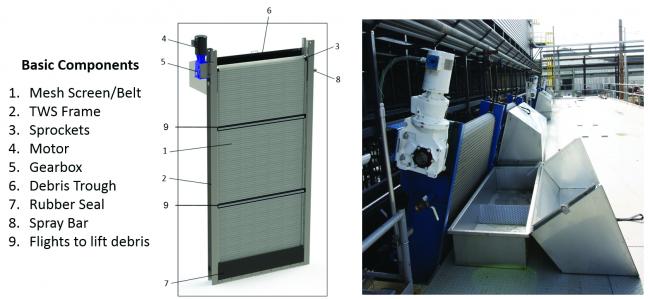
Stainless steel filter screens are widely used in industrial cooling towers due to their strength, corrosion resistance, and long service life. They perform well in harsh environments and can handle heavy debris loads without deformation.
Plastic and FRP (fiber-reinforced plastic) screens are lightweight and resistant to many chemicals. They are often used in smaller systems or where cost and chemical compatibility are key considerations.
Fixed screens provide continuous protection with minimal movement, while removable screens allow easier cleaning and replacement. Facilities with high debris exposure often prefer removable designs for faster maintenance.
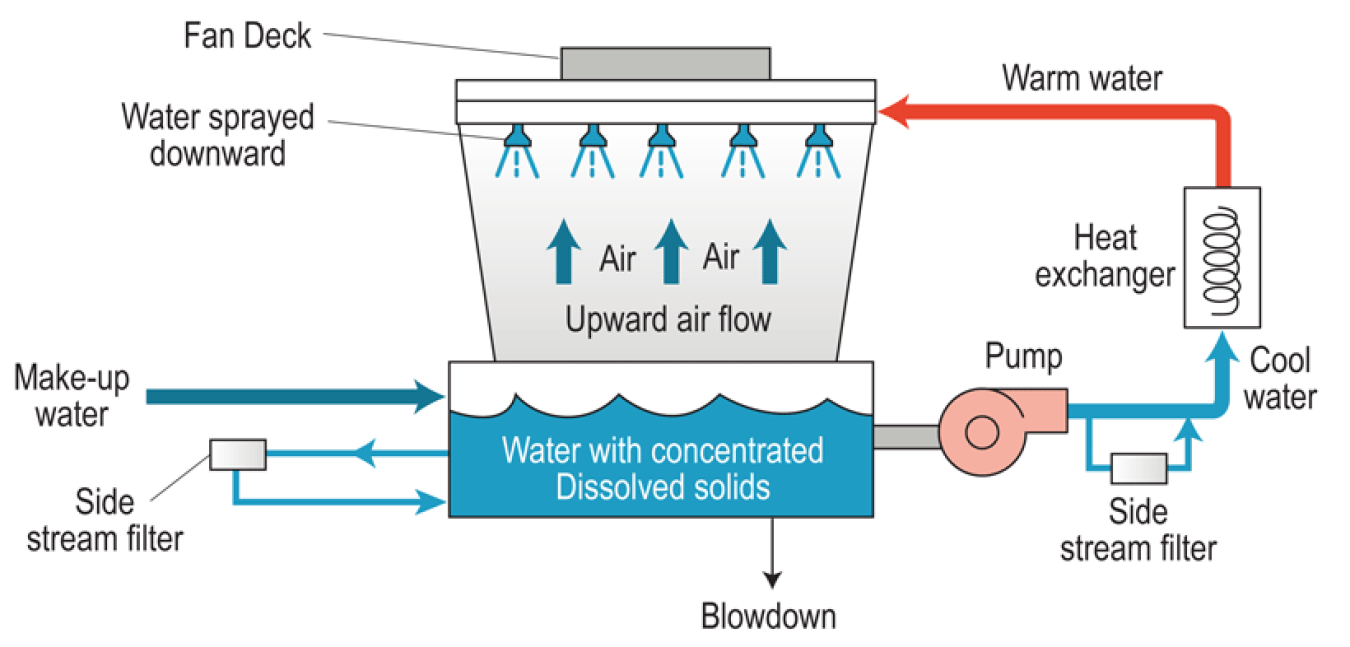
Filter screens use carefully selected mesh openings to trap debris while maintaining adequate water flow. Large contaminants are stopped immediately, preventing them from entering pumps or piping.
As water flows through the screen, debris accumulates on the surface rather than inside the system. This external buildup is far easier to clean than internal blockages — saving both time and labor.
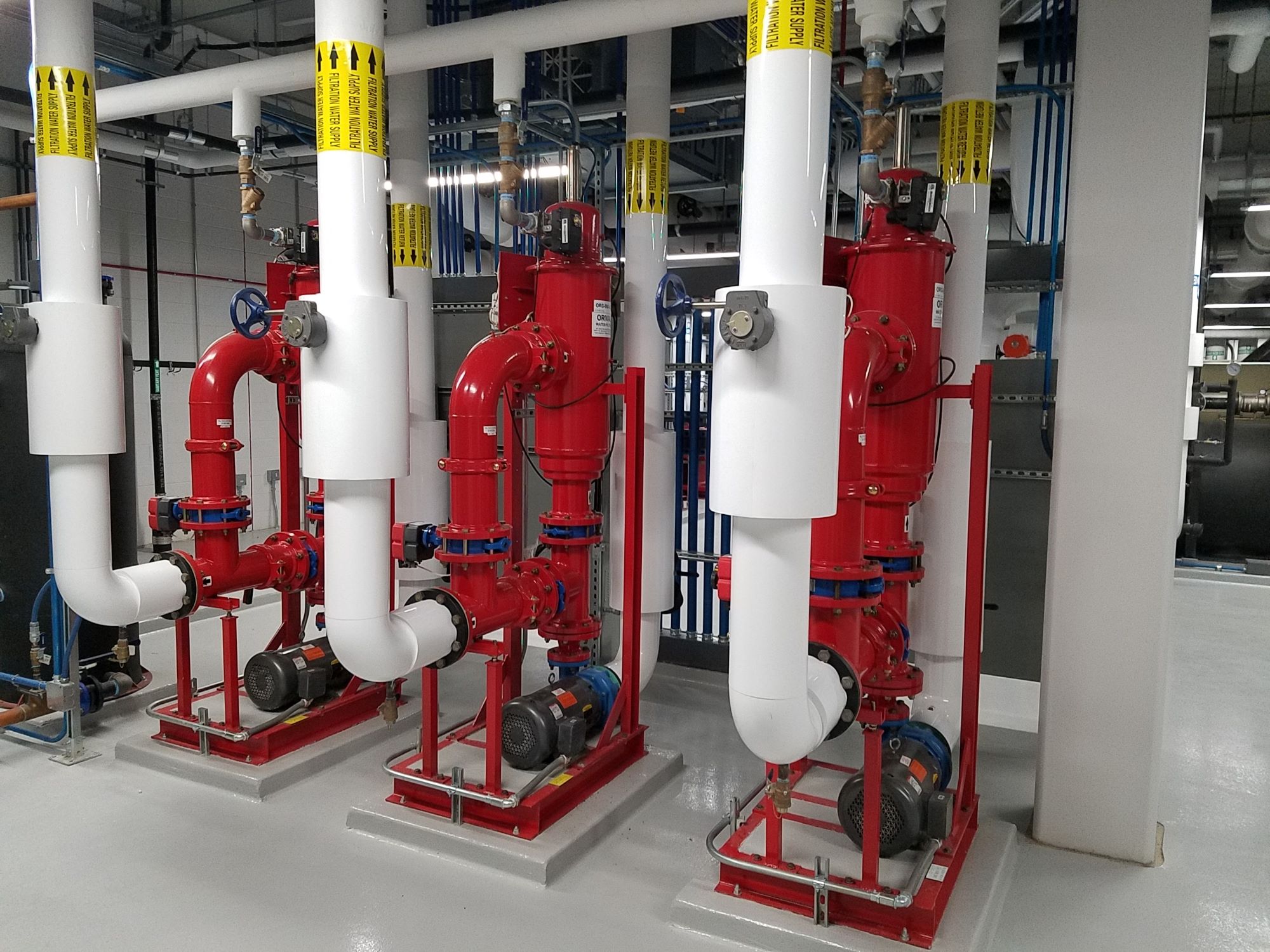
Pump impellers are precision components. Hard particles like sand, scale, and metal fragments act like sandpaper when they pass through the pump. Filter screens stop these abrasives before they can cause erosion.
When debris partially blocks pump inlets, water flow becomes uneven. This creates low-pressure zones that cause cavitation — tiny vapor bubbles that collapse violently and damage pump surfaces. Filter screens help maintain stable flow and pressure.
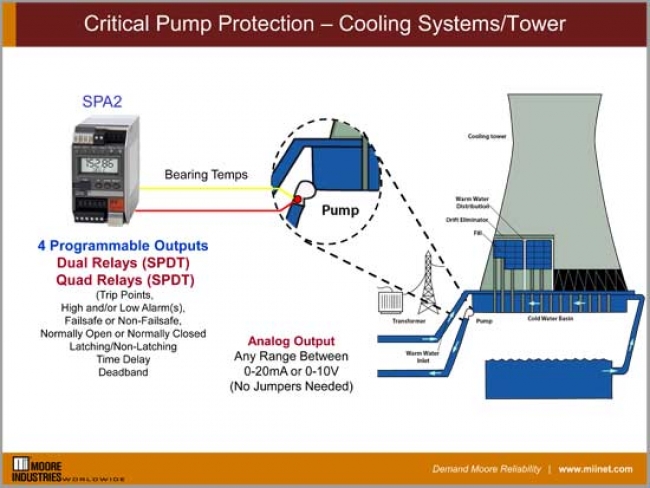
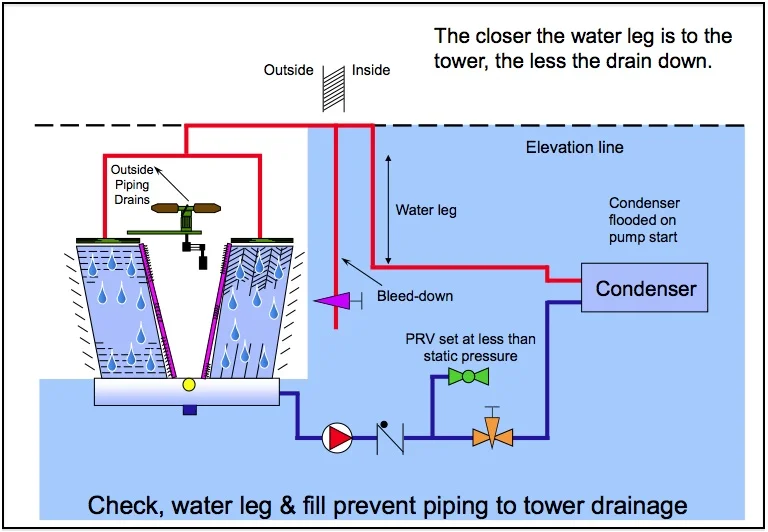
Without filter screens, debris settles in the basin and travels into pipelines, leading to sediment buildup and reduced flow. Screens capture debris early, keeping basins and pipes clean.
Clogged heat exchangers lose efficiency fast. Clean water entering heat exchangers means better heat transfer, lower energy use, and fewer shutdowns for cleaning.
Operating a cooling tower without filter screens is like driving a car without an oil filter. You might get away with it for a while, but the damage adds up quickly.
Common consequences include:
Frequent pump failures
Blocked spray nozzles
Reduced cooling capacity
Increased chemical consumption
Higher maintenance and replacement costs
Filter screens must be installed so that all circulating water passes through them. Even small gaps allow debris to bypass the screen, reducing effectiveness.
Mesh size should match debris type and system flow rate. Screens that are too fine cause pressure drops; screens that are too coarse allow damaging particles through. Balance is key.
In dusty or vegetative environments, screens may require frequent inspection and cleaning. Cleaner environments allow longer intervals, but regular checks are always recommended.
If a screen shows deformation, corrosion, broken mesh, or repeated clogging, replacement is the safest option.

Clean water flows more easily, reducing pump workload and energy consumption. Fewer breakdowns mean less downtime and lower maintenance costs. Over time, a simple filter screen delivers impressive return on investment.
Material selection should be based on water chemistry, operating temperature, and debris type. Corrosion resistance and mechanical strength are essential.
Well-designed filter screens protect equipment without restricting flow. This balance ensures efficiency without sacrificing safety.
As a professional cooling tower manufacturer, Mach Cooling supplies high-quality cooling towers and components, including durable cooling tower filter screens designed to protect pumps and prevent clogging. With strong manufacturing capabilities, strict quality control, and global export experience, Mach Cooling provides reliable cooling solutions for industrial users worldwide.
Learn more at: https://www.machcooling.com/