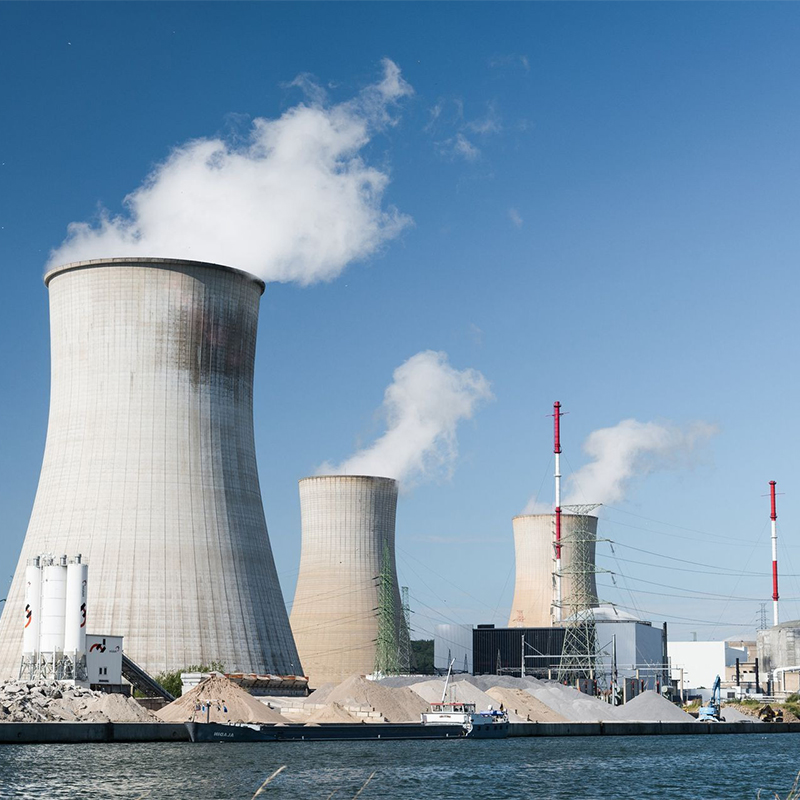
We Provide Cooling Tower Solution

Views: 0 Author: Site Editor Publish Time: 2026-02-24 Origin: Site


Cooling towers are the backbone of industrial cooling systems. When they fail, the impact is immediate — reduced efficiency, higher energy costs, and even unplanned plant shutdowns. Understanding how to handle mechanical, electrical, and structural issues is crucial for any facility manager. In this article, we’ll walk you through common problems, practical repair strategies, and best practices to keep your cooling tower running like new.
Cooling towers operate in harsh conditions: constant water exposure, high temperatures, wind loads, and chemical treatments. Over time, mechanical wear, electrical malfunctions, and structural degradation are inevitable. Regular repair and timely intervention prevent minor issues from turning into major failures, saving money, energy, and downtime.

Fans and motors are the heart of cooling towers. Bearings can seize, shafts can bend, and motors can overheat. Often, vibrations or unusual noises are early warning signs. Regular lubrication and vibration checks are key to avoiding sudden failures.
Gearboxes transfer power from the motor to the fan. Misalignment, lubrication failure, or worn gears can lead to catastrophic damage. Bearings are especially sensitive — overheating or wear can cause fan imbalance and damage surrounding structures.
Pumps circulate water through the tower. Impeller wear, seal leaks, or cavitation reduces water flow and cooling efficiency. Early detection through pressure and flow monitoring can prevent major downtime.
Motors powering fans and pumps may trip or burn out due to overloading or insulation failure. Voltage fluctuations and short circuits are common culprits. Using protective relays and routine testing helps mitigate risks.
Control panels manage operations, and a fault can halt the entire system. Moisture ingress, loose connections, or faulty relays are frequent issues. Regular inspections and preventive replacement of worn components are essential.
Corrosion, rodent damage, or mechanical wear can affect wiring. Insulation failure may lead to electrical shorts. Periodic checks and proper cable management reduce hazards and extend equipment life.
Constant water and chemical exposure can corrode steel supports, fan stacks, and fill structures. FRP components also degrade over time if UV protection is insufficient. Protective coatings and timely replacement prevent catastrophic failures.
Vibrations, wind, and thermal cycling cause cracks in walls, beams, and supports. Even small cracks can propagate, compromising the integrity of the tower. Early detection through visual inspection and NDT (non-destructive testing) is recommended.
Uneven settling, erosion, or concrete spalling can destabilize the entire tower. Foundation issues must be addressed immediately, often requiring structural reinforcement or partial reconstruction.
Routine inspections include monitoring vibration, checking motor temperatures, inspecting fans, verifying water flow, and testing electrical components. A structured maintenance schedule prevents small issues from escalating.
Rust, unusual noises, leaks, uneven water distribution, or increased energy consumption often indicate underlying problems. Training staff to recognize these signs ensures proactive maintenance.
Quick replacement or temporary use of standby motors/fans minimizes downtime. Using modular components can accelerate emergency repairs.
Epoxy injection, steel bracing, or external clamping can stabilize cracked structures until a permanent repair is scheduled.
Cooling tower repair often involves elevated work platforms and narrow passages. Fall protection, harnesses, and proper scaffolding are mandatory.
Lockout-tagout procedures, insulated tools, and grounding ensure electrical repairs are performed safely, minimizing risk to personnel.
A well-maintained cooling tower operates at optimal thermal performance, reducing fan and pump energy consumption. Post-repair commissioning ensures the system is balanced and efficient.
Repair costs vary by component, complexity, and downtime. Mechanical and electrical repairs are usually less expensive than major structural restoration. Preventive maintenance minimizes unexpected high-cost repairs.
Partnering with an experienced manufacturer or service provider ensures fast response, proper repair techniques, and access to genuine spare parts. Reliability and expertise are critical, especially for large industrial or petrochemical plants.
Mach Cooling specializes in cooling tower maintenance and repair, offering tailored mechanical, electrical, and structural services for industrial clients worldwide. Their expertise guarantees minimal downtime, compliance with safety standards, and long-term reliability. Learn more at https://www.machcooling.com/.
How often should a cooling tower be inspected for repairs?
At a minimum, daily visual checks, weekly mechanical and electrical inspections, and monthly comprehensive structural reviews are recommended.
What are the most critical components to repair quickly?
Fans, motors, pumps, and structural supports. Delay in these repairs can compromise performance and safety.
Cooling tower repair is a complex but manageable task. By addressing mechanical, electrical, and structural issues promptly, facilities can ensure high efficiency, reduced energy consumption, and long-term operational reliability. Working with a trusted partner like Mach Cooling provides expertise, quality spare parts, and proven repair strategies. Remember: proactive maintenance is always cheaper and safer than reactive emergency repairs.