We Provide Cooling Tower Solution

Views: 0 Author: Site Editor Publish Time: 2025-12-23 Origin: Site


Power stations generate electricity by converting thermal energy into mechanical and electrical energy. During this process, a significant amount of waste heat is produced, especially in thermal and nuclear power plants. If this excess heat is not removed efficiently, system performance will decline, fuel consumption will increase, and critical equipment may suffer damage.
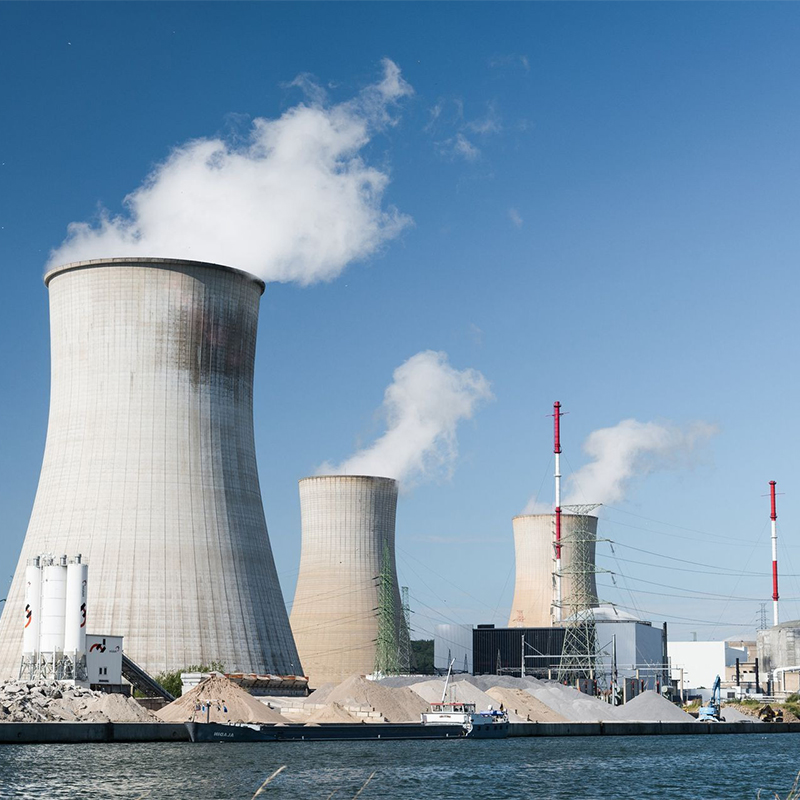
A cooling tower plays a vital role in solving this problem. It removes waste heat from the condenser cooling water and releases it safely into the atmosphere, allowing the water to be reused in a continuous loop. High-performance cooling towers, such as those manufactured by Mach Cooling (https://www.machcooling.com/), are essential for maintaining efficiency, reliability, and environmental compliance in modern power stations.
In a power station, steam drives a turbine connected to a generator. After passing through the turbine, the steam must be condensed back into water so it can be reused in the cycle. This condensation occurs in a condenser, where cooling water absorbs heat from the exhaust steam.
However, once the cooling water absorbs this heat, it becomes too hot to be reused directly. The cooling tower’s primary function is to cool this hot condenser water so it can be recirculated back to the condenser, ensuring stable and efficient power generation.
Cooling towers enable effective heat rejection, which directly affects turbine efficiency. Lower condenser temperatures reduce back pressure on the turbine, allowing more energy to be converted into electricity.
Instead of discharging hot water into rivers or oceans, cooling towers allow water to be reused in a closed-loop system, significantly reducing freshwater consumption and minimizing thermal pollution.
Stable cooling prevents overheating of condensers, pumps, and auxiliary equipment, reducing the risk of unplanned shutdowns and extending equipment life.
Cooling towers operate on the principle of evaporative cooling. When hot water comes into contact with air, a small portion of the water evaporates, absorbing heat from the remaining water and lowering its temperature.
Hot Water Entry
Hot condenser water enters the cooling tower from the top.
Water Distribution
The water is evenly distributed over fill media to increase surface area.
Airflow Contact
Ambient air moves through the tower, either naturally or with the help of fans.
Evaporation and Heat Removal
A small amount of water evaporates, removing heat from the system.
Cooled Water Collection
The cooled water is collected in the basin and pumped back to the condenser.

Use natural air movement (chimney effect)
Large hyperbolic structures
Common in large thermal and nuclear power plants
Low operating energy consumption
Use fans to control airflow
More compact and flexible
Widely used in modern power stations
Process fluid is isolated inside coils
Reduced contamination and scaling
Suitable for specific power plant applications
Mach Cooling offers counterflow, crossflow, and closed-circuit cooling towers designed to meet the demanding requirements of power generation facilities.
| Component | Function |
|---|---|
| Hot Water Inlet | Delivers heated condenser water |
| Fill Media | Maximizes heat transfer area |
| Fans / Air Inlet | Drives airflow through the tower |
| Drift Eliminators | Minimize water loss |
| Cold Water Basin | Collects cooled water |
| Structural Frame | Supports the entire system |
Mach Cooling cooling towers are engineered to achieve efficient heat rejection while maintaining low approach temperatures, improving overall plant efficiency.
Using high-quality FRP materials and advanced manufacturing techniques, Mach Cooling towers are built for long service life in harsh industrial environments.
Each power station has unique thermal loads and site conditions. Mach Cooling provides tailored cooling tower designs to ensure optimal performance and energy efficiency.
| Performance Aspect | Impact |
|---|---|
| Power Output | Improved turbine efficiency |
| Water Usage | Reduced freshwater intake |
| Equipment Life | Lower thermal stress |
| Environmental Compliance | Reduced thermal pollution |

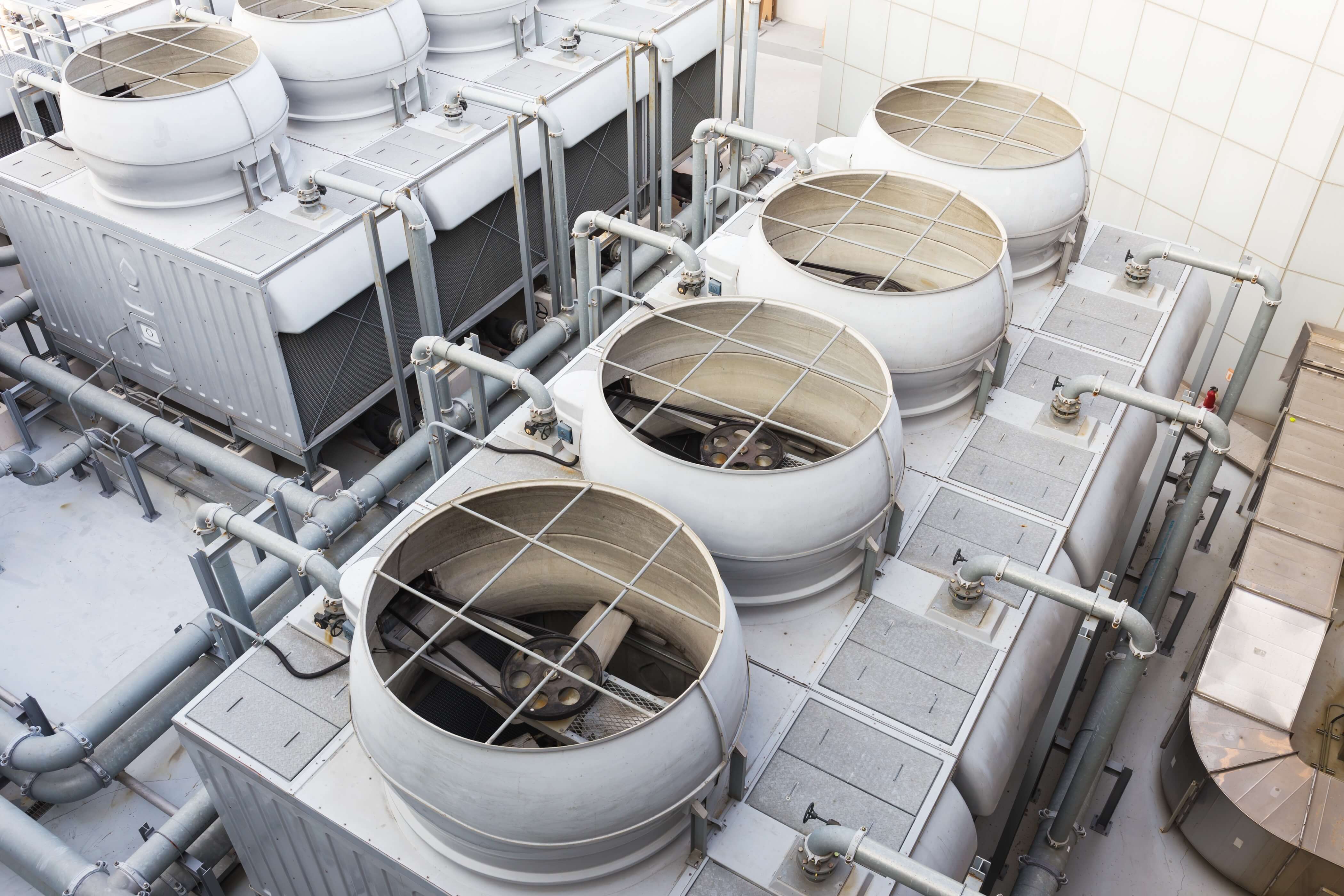
Cooling towers are a critical component in power stations, ensuring efficient heat rejection, stable operation, and sustainable water use. By cooling condenser water and enabling its reuse, cooling towers directly support power generation efficiency and reliability.
With proven experience and advanced engineering capabilities, Mach Cooling (https://www.machcooling.com/) provides high-performance cooling tower solutions tailored for power stations worldwide—helping operators achieve long-term efficiency, safety, and environmental responsibility.