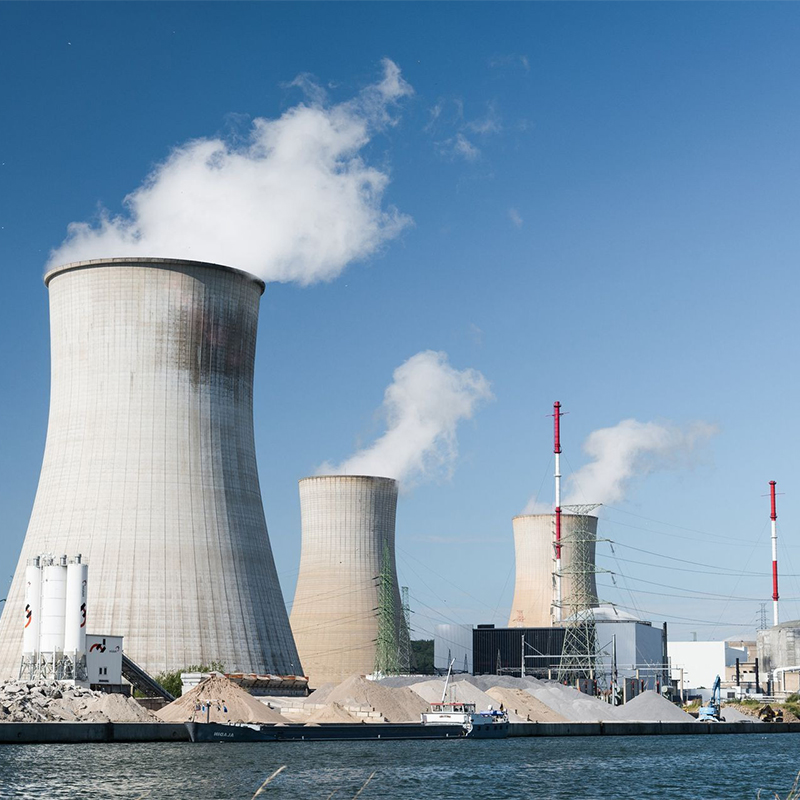
We Provide Cooling Tower Solution

Views: 0 Author: Site Editor Publish Time: 2026-01-30 Origin: Site


Cooling towers may look simple from the outside, but anyone who has worked with them knows the truth: the motor is the real workhorse. No motor, no airflow. No airflow, no evaporation. And without evaporation, a cooling tower simply cannot do its job.
That’s why understanding the types of cooling tower motors and their applications is so important. Whether you’re an engineer, a maintenance manager, or a buyer comparing options, the right motor choice can mean the difference between stable operation and constant downtime.
In this article, we’ll walk through cooling tower motors in plain, practical language—what they are, how they work, the main types, and where each type is best used.
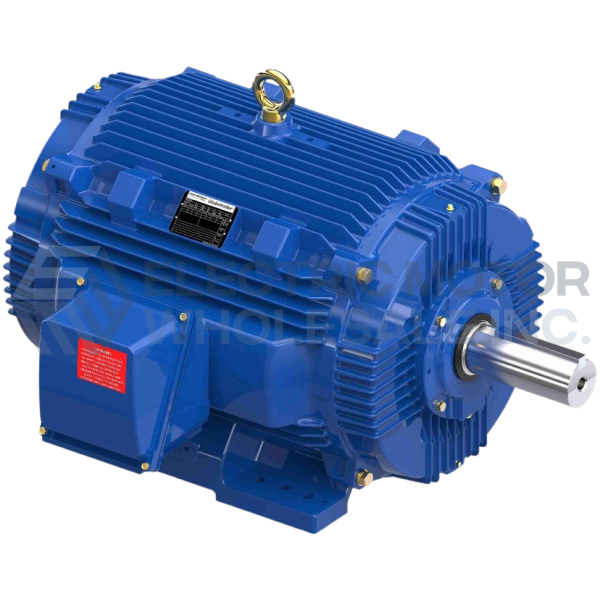
Cooling tower motors are industrial electric motors designed specifically to drive cooling tower fans. Unlike standard motors used indoors, these motors must survive continuous operation in hot, wet, and often corrosive environments.
Rain, humidity, chemical vapor, temperature swings—cooling tower motors face it all. That’s why they’re built tougher, sealed better, and engineered for reliability.
A cooling tower motor converts electrical energy into mechanical rotation to drive the fan. That fan moves large volumes of air through the tower, enabling evaporative heat rejection.
Compared with ordinary motors, cooling tower motors are designed for:
Continuous-duty operation
High moisture exposure
Outdoor installation
Heavy axial loads from large fans
In short, they are purpose-built motors, not generic replacements.
Think of the motor as the lungs of the cooling tower. The fan it drives controls airflow, and airflow controls evaporation.
When the motor is undersized, poorly matched, or inefficient:
Airflow drops
Water temperature rises
Energy consumption increases
Equipment life shortens
A properly selected motor ensures stable cooling, lower energy costs, and long-term reliability.
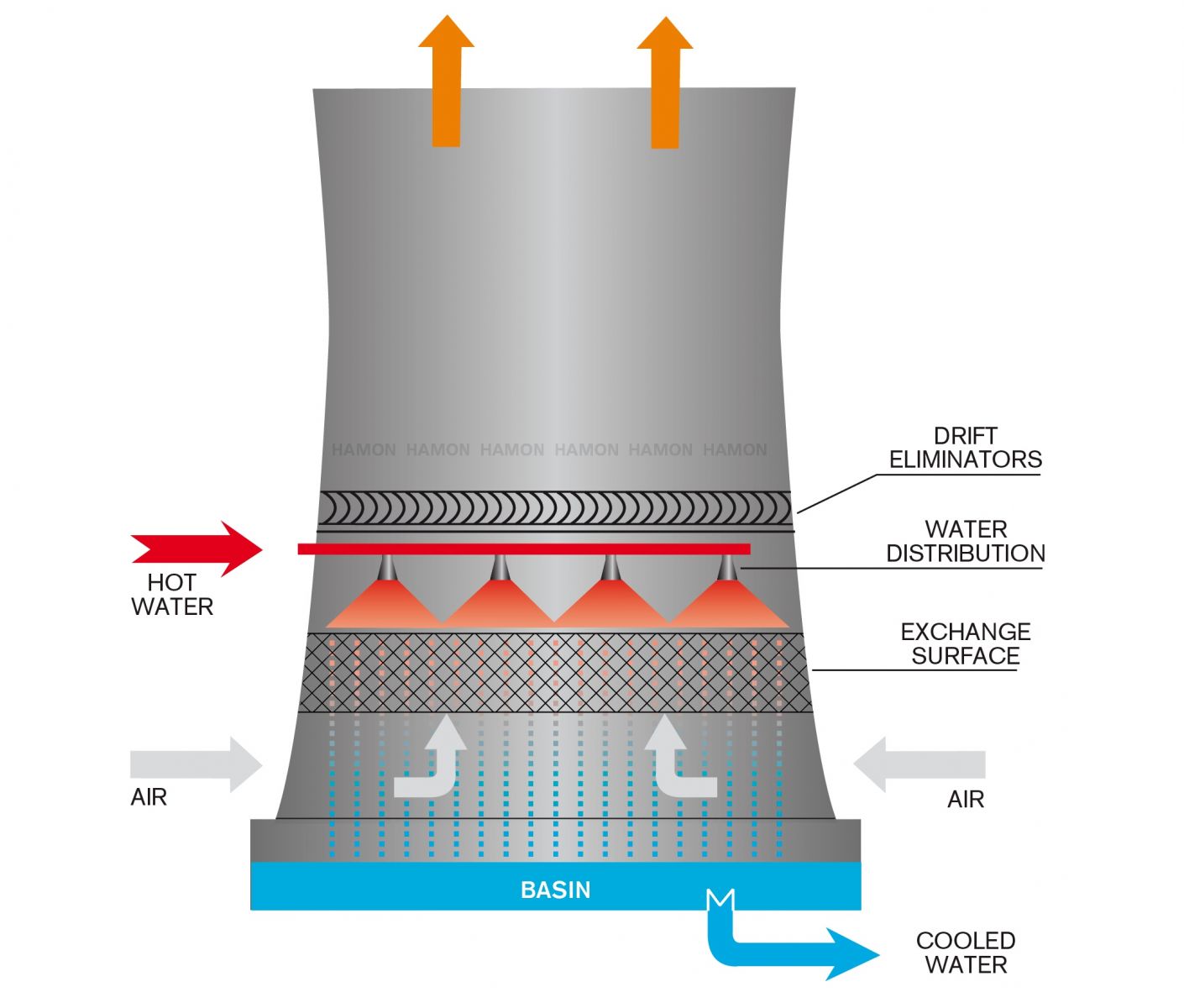
The working principle is simple but powerful. The motor rotates the fan, pulling or pushing air through the tower. As air passes through falling warm water, a small portion of that water evaporates, carrying heat away.
This constant cycle—air movement, evaporation, heat rejection—is what keeps industrial systems running smoothly.
Cooling tower motors can be classified in several ways. Understanding these categories helps you quickly narrow down the right option for your application.
Vertical shaft motors are the most commonly used motors in cooling towers. They are typically mounted above the fan and connected directly or through a gearbox.
Key advantages include:
Compact installation
Efficient power transmission
Ideal for induced draft cooling towers
These motors are widely used in large industrial and power plant cooling towers.

Horizontal shaft motors are usually paired with belt drives or gearboxes. They are less common in modern large towers but still useful in certain situations.
They are often chosen for:
Retrofit projects
Smaller cooling towers
Special layout constraints
TEFC (Totally Enclosed Fan Cooled) motors use an external fan to cool the motor housing while keeping internal components sealed.
They offer:
Good protection from dust and debris
Reliable performance in relatively clean environments
TEAO (Totally Enclosed Air Over) motors are specifically designed for cooling towers. They rely on airflow generated by the cooling tower fan itself for cooling.
Why TEAO motors are so popular:
Excellent heat dissipation
Designed for wet, outdoor conditions
Proven reliability in cooling tower applications
Single-speed motors run at a fixed speed. They are simple, durable, and cost-effective.
They are best suited for:
Constant-load systems
Applications with stable cooling demand
Variable-speed motors, used with variable frequency drives (VFDs), can adjust fan speed based on real-time cooling demand.
Key benefits include:
Significant energy savings
Reduced mechanical stress
Better temperature control
In modern energy-conscious facilities, VFD-driven motors are becoming the standard.
Cooling tower motors are available in a wide range of power ratings, from small motors used in compact HVAC towers to massive motors driving fans in large power plant cooling towers.
The correct power rating depends on fan diameter, airflow requirements, static pressure, and system resistance.
In commercial HVAC systems, cooling tower motors support chilled water loops in offices, hospitals, shopping centers, and airports. Reliability and quiet operation are especially important in these environments.
Power plants rely on large, high-capacity cooling tower motors that can operate continuously under heavy loads. Any motor failure here can result in costly downtime.


Steel mills, chemical plants, and manufacturing facilities require motors that can withstand dust, chemicals, and high ambient temperatures while running around the clock.
In these environments, motors often need corrosion-resistant materials and enhanced safety features to meet strict operational standards.
Data centers demand precise temperature control and high energy efficiency. Variable-speed cooling tower motors are increasingly used to reduce power consumption while maintaining stable cooling.
The motor must match the fan’s torque, speed, and airflow needs. Undersizing leads to overheating; oversizing wastes energy.
Humidity, temperature, and airborne contaminants all affect motor lifespan. Outdoor-rated designs are essential.
High-efficiency motors may cost more upfront but significantly reduce long-term operating expenses.
Common issues include:
Overheating
Bearing wear
Moisture ingress
Electrical insulation failure
Most of these problems can be traced back to incorrect motor selection or insufficient maintenance.
Routine maintenance goes a long way:
Check alignment and vibration
Lubricate bearings as recommended
Inspect electrical insulation
Monitor operating temperature
Preventive care is always cheaper than emergency replacement.
As a professional cooling tower manufacturer, Mach Cooling understands that motor quality directly impacts system performance.
At https://www.machcooling.com/, Mach Cooling integrates carefully selected cooling tower motors that match fan design, airflow requirements, and real operating conditions. This approach ensures reliable operation, high efficiency, and long service life across industrial, commercial, and power plant applications.
Cooling tower motors are evolving rapidly, with trends such as:
High-efficiency IE4 and IE5 motors
Smart monitoring and condition tracking
Deeper integration with VFD systems
Lower noise and vibration designs
These advancements are helping cooling towers become more efficient, intelligent, and sustainable.
Vertical shaft TEAO motors are the most widely used due to their reliability and suitability for wet environments.
Yes. Cooling tower motors are designed for continuous-duty operation.
With proper selection and maintenance, a service life of 10 to 20 years is common.
Cooling tower motors may not attract much attention, but they play a vital role in cooling system performance. Choosing the right type ensures efficient airflow, stable operation, and lower long-term costs.
By understanding the types of cooling tower motors and their applications, you can make smarter decisions—whether you’re designing a new cooling tower or upgrading an existing one.