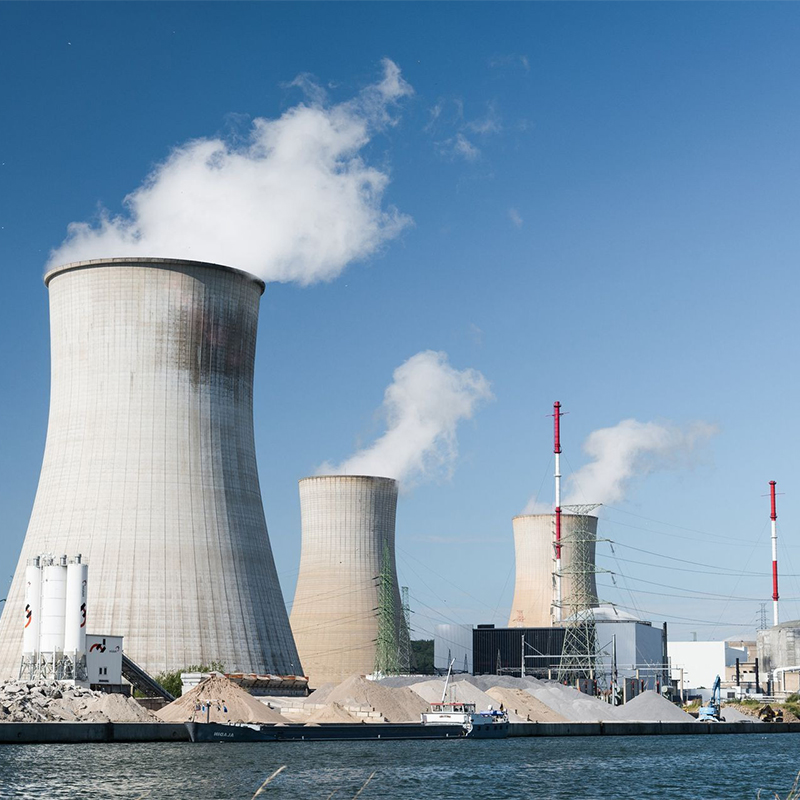
We Provide Cooling Tower Solution

Views: 0 Author: Site Editor Publish Time: 2026-02-12 Origin: Site


Cooling towers may look simple from the outside, but don’t let appearances fool you. One of the most critical components hiding in plain sight is the cooling tower casing. It doesn’t just hold everything together—it directly impacts efficiency, durability, noise levels, and long-term operating cost.
Choosing the wrong casing material is like building a house with weak walls. It may stand for a while, but problems are guaranteed. In this article, we’ll take a deep dive into the three most common cooling tower casing materials—FRP, Metal, and PVC—and compare them clearly so you can make a smart, future-ready decision.
Cooling tower casing is the outer enclosure that surrounds internal components such as fill media, drift eliminators, fans, and water distribution systems. While it doesn’t directly cool the water, it controls airflow, protects sensitive parts, and ensures the overall structural integrity of the cooling tower.
In short, if the casing fails, everything inside suffers.

The casing plays a much bigger role than most people realize. It directly affects:
Structural strength and stability
Resistance to corrosion and weather
Airflow direction and efficiency
Noise containment
Overall service life of the cooling tower
In harsh industrial environments—high humidity, chemical exposure, intense sunlight—the casing material can be the difference between 5 years of trouble and 25 years of smooth operation.
A well-designed cooling tower casing performs several essential functions:
Maintains controlled airflow through the tower
Protects internal components from external damage
Withstands wind loads, vibration, and thermal expansion
Minimizes water splash and drift losses
Helps reduce operational noise
Leading manufacturers like Mach Cooling engineer casing systems with all these factors in mind, not just appearance.
Most industrial cooling towers today use one of the following casing materials:
FRP (Fiber Reinforced Plastic)
Metal (Galvanized Steel or Stainless Steel)
PVC (Polyvinyl Chloride)
Each material comes with its own strengths, weaknesses, and ideal applications. Let’s break them down one by one.


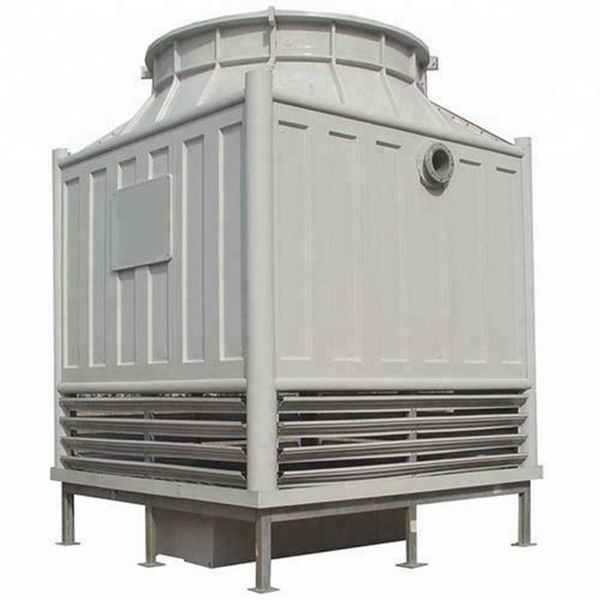
FRP, or Fiber Reinforced Plastic, is a composite material made by reinforcing plastic resin with fiberglass. It combines high strength with low weight—think of it as the composite backbone of modern industrial equipment.
FRP has become the industry standard for good reason:
Outstanding corrosion resistance
Lightweight yet structurally strong
Excellent resistance to UV radiation and weather
Long service life, often exceeding 20 years
Very low maintenance requirements
Manufacturers such as Mach Cooling (https://www.machcooling.com/) specialize in advanced FRP cooling tower casing designed specifically for tough industrial and climatic conditions.
FRP cooling tower casing is widely used across industries, including:
Power plants
HVAC and commercial buildings
Chemical and petrochemical facilities
Food and beverage processing plants
Pharmaceutical manufacturing units
Its versatility makes it the go-to choice for most modern installations.
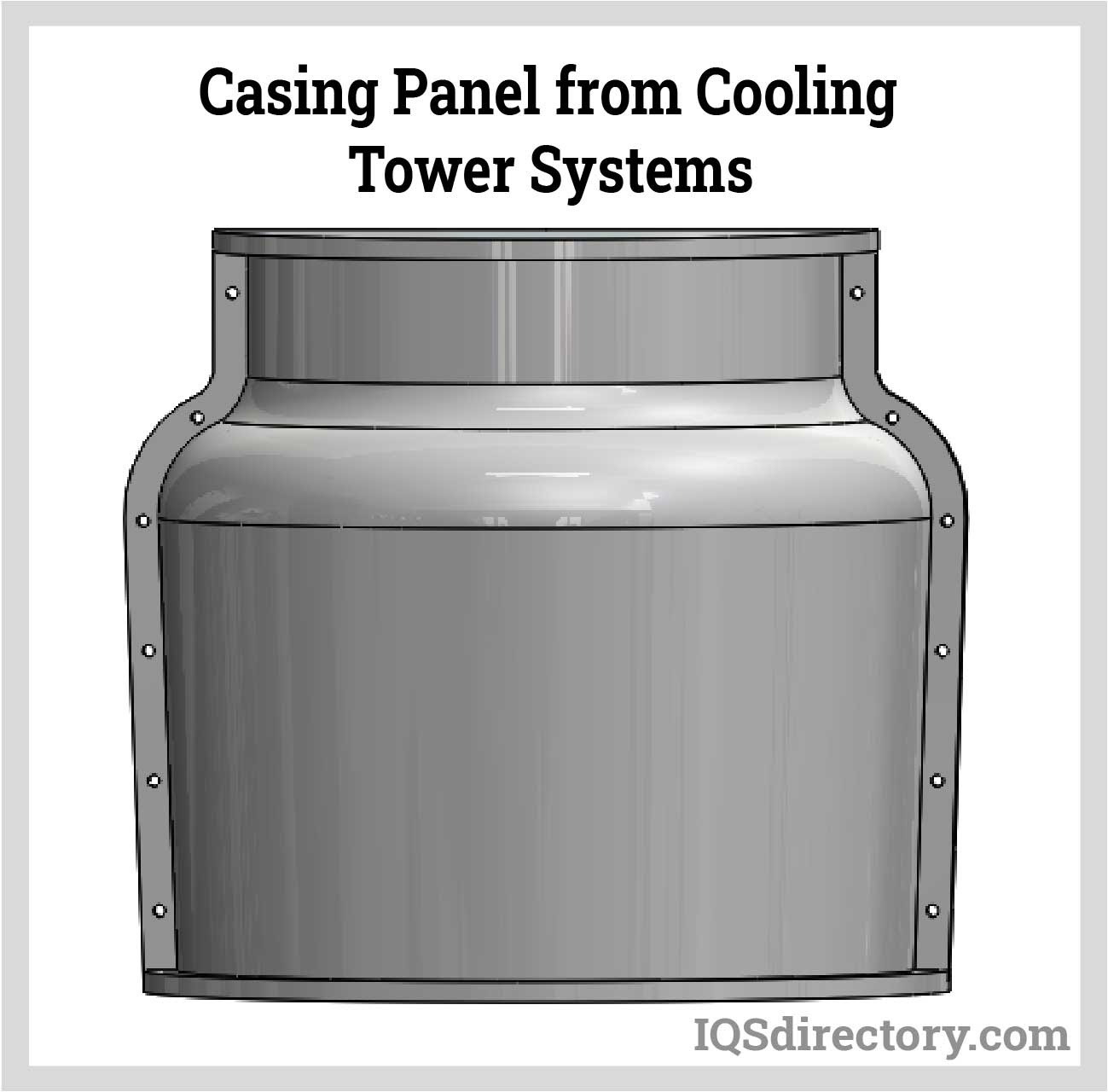
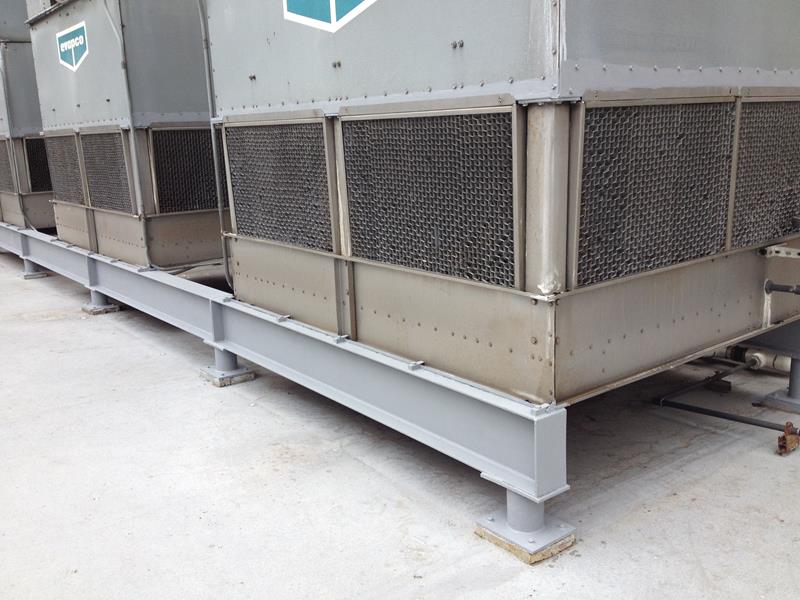
Metal cooling tower casings are typically made from:
Galvanized steel
Stainless steel
Aluminum (in limited or specialized cases)
Metal casings offer several benefits:
High mechanical strength
Good fire resistance
Familiar fabrication and installation methods
For certain heavy-duty or high-temperature applications, metal still has a role to play.
Despite its strength, metal comes with notable drawbacks:
Susceptible to corrosion, especially in humid or chemical environments
Requires regular painting or protective coatings
Heavier structure increases load on foundations
Higher maintenance cost over the lifecycle
In long-term industrial use, corrosion is metal’s biggest enemy.

PVC casing uses rigid plastic panels and is typically found in smaller or packaged cooling towers. It’s mainly chosen for its low upfront cost.
PVC casing offers:
Low initial investment
Lightweight construction
Basic resistance to corrosion
For light-duty applications, it can be an economical option.
However, PVC has clear limitations:
Low structural strength
Poor resistance to UV exposure over time
Shorter service life
Not suitable for large or heavy-duty industrial cooling towers
PVC is more of a short-term solution than a long-term asset.
When you compare all three materials side by side, the picture becomes clear:
FRP offers the best balance of durability, efficiency, and lifecycle cost
Metal provides strength but demands higher maintenance
PVC is economical upfront but limited in performance and lifespan
For most industrial applications, FRP delivers the highest long-term value.
Before selecting a casing material, ask yourself:
Will the operating environment be corrosive?
Is long service life a priority?
Do I want minimal maintenance and downtime?
If the answer is yes, FRP cooling tower casing is usually the smartest and safest choice.
Mach Cooling focuses on engineered FRP solutions rather than generic designs. Their cooling tower casing systems are optimized for:
Indian climate conditions
Continuous industrial operation
High airflow efficiency
Structural stability over decades
This engineering-first approach is why Mach Cooling is trusted across multiple industries.
High-quality casing materials significantly reduce:
Maintenance frequency
Unexpected shutdowns
Repair and replacement costs
FRP casing, especially when manufactured by experienced companies like Mach Cooling, can operate reliably for decades with minimal intervention.
The industry is moving toward:
Advanced composite materials
UV-resistant and fire-retardant resins
Lightweight modular FRP panels
Environmentally responsible manufacturing processes
FRP continues to lead innovation, while traditional materials slowly fade.
When comparing cooling tower casing materials, the verdict is clear:
PVC is affordable but limited
Metal is strong but maintenance-heavy
FRP delivers durability, efficiency, and long-term value
That’s why modern industries increasingly choose FRP cooling tower casing from trusted manufacturers like Mach Cooling. If you’re planning for performance today and reliability tomorrow, FRP is the material that simply makes sense.