We Provide Cooling Tower Solution

Views: 0 Author: Site Editor Publish Time: 2026-02-12 Origin: Site


In today’s global industrial marketplace, designing a high-performance cooling tower is only half the battle. The other half—often the deal-breaker—is certification. Whether you are supplying cooling towers to North America, Europe, the Middle East, or Asia-Pacific, certification is what turns engineering capability into global acceptance.
So what exactly are the cooling tower certification requirements for global markets? And why do they matter so much? Let’s walk through it step by step, in plain, practical language.
Cooling towers operate in highly regulated environments where performance, safety, and environmental impact all matter. Governments, consultants, and end users need proof that a system will perform exactly as specified—no surprises, no shortcuts.
That proof comes through certification. For internationally active manufacturers like Mach Cooling, certification is not a formality—it’s a foundation for trust and long-term partnerships.
Think of certification as a passport. Without it, your cooling tower doesn’t cross borders—no matter how well it’s built.
Cooling tower certification:
Builds confidence with engineers and consultants
Ensures compliance with local regulations
Reduces technical and legal risk
Speeds up project approvals
In global trade, certification speaks louder than marketing.
Cooling tower certification is a structured process in which an independent body verifies that a cooling tower meets defined performance, safety, and quality standards.
Certification may apply to:
Product thermal performance
Manufacturing quality systems
Environmental and safety compliance
It confirms that what’s promised on paper works reliably in the real world.
The primary goals of certification include:
Verifying thermal and hydraulic performance
Ensuring structural and material integrity
Meeting environmental and water efficiency requirements
Enhancing operational safety
Standardizing quality for global acceptance
In simple terms, certification protects everyone involved—from manufacturer to end user.


Different regions emphasize different standards, but several certifications are recognized worldwide.
ISO certification focuses on how a company operates rather than a single product.
Confirms consistent manufacturing processes and quality control.
Demonstrates commitment to reducing environmental impact.
Ensures safe working conditions throughout production.
ISO certification is often the minimum requirement for international suppliers.
CTI certification is one of the most respected performance benchmarks in the cooling tower industry.
It validates:
Thermal performance accuracy
Compliance with standardized CTI testing methods
For engineers and consultants, a CTI-certified cooling tower removes uncertainty.
ASHRAE standards play a key role, particularly in HVAC-driven markets.
They address:
Energy efficiency
Water consumption optimization
Legionella risk reduction
ASHRAE compliance is frequently required for commercial and institutional projects worldwide.
Beyond international standards, many markets impose local requirements, such as:
CE marking in Europe
SASO in Saudi Arabia
ESMA in the UAE
BIS in India
Manufacturers supplying global projects must navigate both international and regional compliance frameworks.
North American markets emphasize:
CTI thermal performance certification
ASHRAE compliance
OSHA safety standards
Clear documentation and test validation are critical for project approval.
European projects focus heavily on:
CE conformity
Environmental and sustainability regulations
Energy efficiency directives
Environmental responsibility is a major driver in this region.
Middle Eastern markets typically require:
ISO-certified manufacturing
Project-specific approvals
Compliance with local authority standards
Performance under extreme heat conditions is closely evaluated.
Asia-Pacific requirements vary by country but often include:
ISO certifications
Local regulatory approvals
Performance and material documentation
Flexibility and adaptability are key for this diverse region.
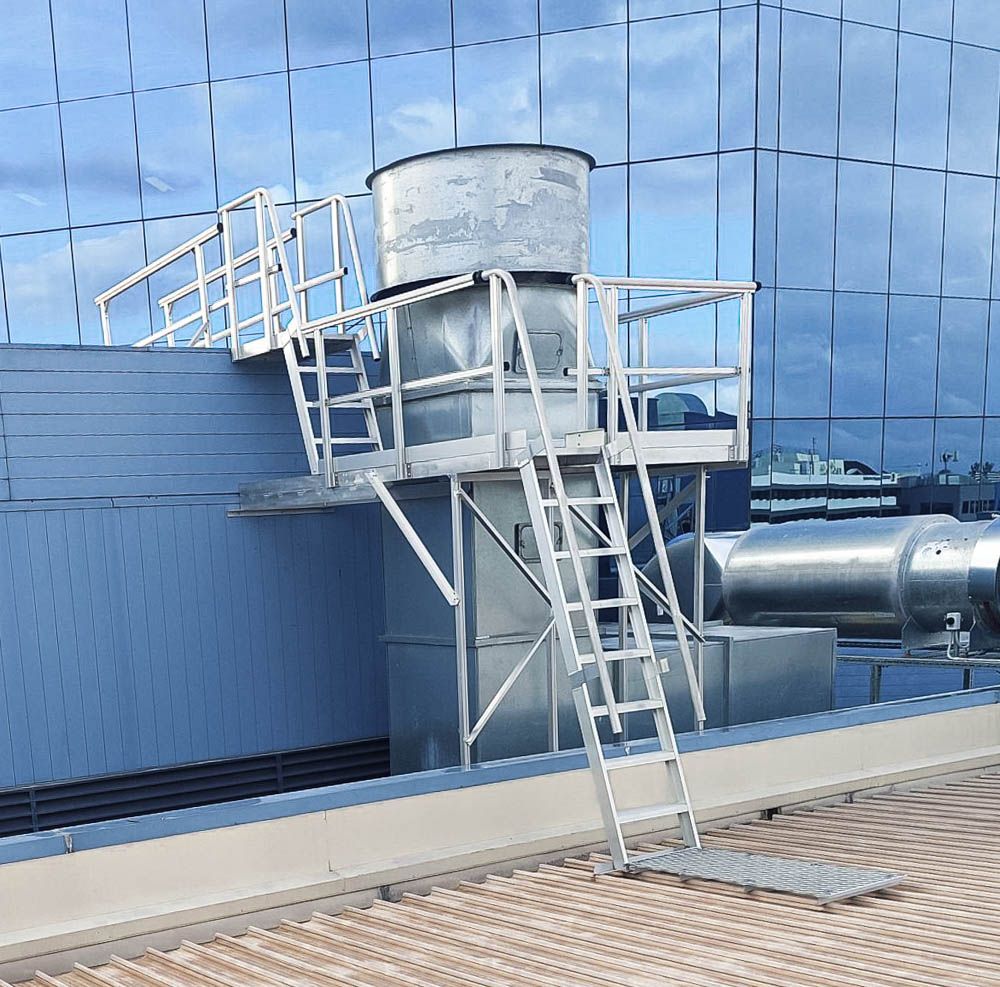
Environmental and safety compliance is becoming increasingly strict worldwide.
Certifications often cover:
Water conservation and drift control
Noise emission limits
Legionella risk management
Safe operation and maintenance practices
Certified cooling towers protect both people and the environment.
Export projects usually demand:
Complete certification documentation
Third-party testing reports
Traceable quality and material records
Manufacturers like Mach Cooling design cooling towers from the outset to meet export certification requirements, avoiding costly redesigns later.
Typical challenges include:
Keeping pace with evolving regulations
Managing compliance across multiple regions
Coordinating testing, audits, and documentation
Experienced manufacturers integrate certification into their core design and production strategy.
Mach Cooling (https://www.machcooling.com/) takes a proactive, certification-first approach:
ISO-certified manufacturing systems
Performance-driven engineering design
Material selection aligned with international standards
Comprehensive documentation support for global projects
This approach allows Mach Cooling to supply cooling towers confidently across global markets.
A typical certification process includes:
Design review and evaluation
Material and component verification
Performance testing
Factory audits
Documentation and approval
Strong preparation significantly reduces approval timelines and project risk.
Buyers should always:
Request valid certification copies
Confirm issuing authorities
Check certification scope and expiration
Transparency is a clear sign of a trustworthy manufacturer.

The future of cooling tower certification is moving toward:
Stricter environmental benchmarks
Digital performance monitoring
Water-efficient and low-impact designs
Sustainability-driven compliance frameworks
Certification is evolving from a requirement into a competitive advantage.
Global markets demand more than technical capability—they demand verified compliance.
Understanding cooling tower certification requirements for global markets is essential for manufacturers, consultants, and buyers alike. With internationally aligned certifications, transparent documentation, and performance-focused engineering, manufacturers like Mach Cooling are well positioned to meet today’s global standards and tomorrow’s expectations.
In international projects, certification isn’t optional—it’s the key that opens every door.