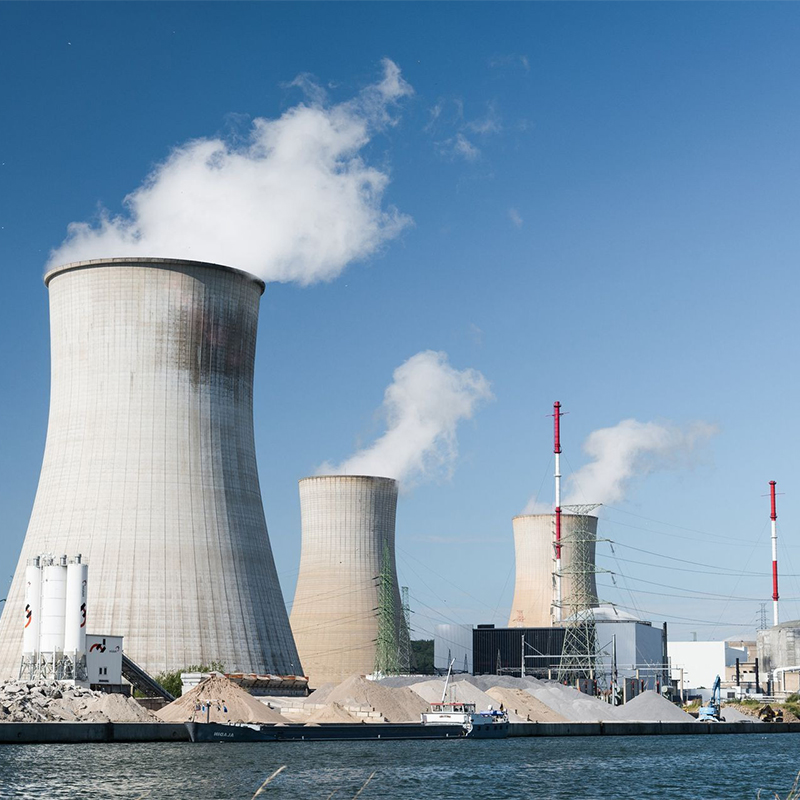
We Provide Cooling Tower Solution

Views: 0 Author: Site Editor Publish Time: 2026-01-21 Origin: Site


Cooling towers can be vulnerable to freezing temperatures without proper protection.
If you’ve ever worried about your cooling tower freezing up in harsh winter conditions, you’re not alone. Cooling towers are vital to industrial systems, HVAC applications, data centers, hospitals, and manufacturing plants — and even a short freeze can trigger costly damage and downtime.
That’s where a cooling tower basin heater comes in as a simple yet powerful solution.
In this article, we’ll explore everything you need to know about basin heaters, including their top benefits, how they work, and why they’re essential in cold climates. We’ll also highlight real-world guidance from trusted cooling tower manufacturers like Machcooling.
A cooling tower basin heater is a heating device installed in the cold water basin of a cooling tower. Its main function is to prevent water from freezing when temperatures drop below 0°C (32°F).
Without a basin heater, ice can form in the basin, causing:
Cracked basins or structural damage
Blocked pumps or frozen piping
Costly downtime and emergency repairs
Basin heaters ensure that water remains above freezing, maintaining safe and continuous operation.
Basin heaters are usually electric immersion heaters placed directly in the basin. They are controlled by a thermostat or aquastat that automatically turns the heater on when water temperatures approach freezing, and off when water reaches a safe level.
This automation ensures energy-efficient operation, protecting equipment without constant manual oversight.

An example of an immersion heater — similar to those used in cooling tower basins.
When basin water freezes:
Pumps can run dry and burn out
Pipes and basins may crack from ice expansion
Water flow can be blocked, shutting down the system
Basin heaters prevent these issues before they start, protecting both equipment and operations.
Common types of basin heaters include:
Screw-in Electric Immersion Heaters – Ideal for small to medium-sized basins
Bottom-Mount Heaters – Suitable for larger basins, often with built-in control panels
Control Panel Systems – Offer precise temperature setpoints and remote monitoring
Manufacturers like Machcooling offer basin heaters in various sizes and control options to suit different tower designs and climates.
Let’s break down why a basin heater is a smart investment.
The main purpose is obvious — it keeps water above freezing, ensuring continuous operation even in extreme cold.
Frozen water can damage pumps, seals, valves, and pipes. Basin heaters maintain water flow and prevent mechanical failures.
Ice expansion can crack fiberglass, warp metal seams, and damage welds. Basin heaters preserve the tower’s structural integrity.
Facilities that require continuous cooling — such as hospitals, data centers, or industrial plants — can rely on uninterrupted service, regardless of weather conditions.
While heaters have an upfront cost, they pay for themselves by preventing freeze-related damage and emergency repairs.
Basin heaters reduce the risk of ice-related accidents for maintenance personnel and ensure predictable, reliable tower operation.

Consider:
Basin Size & Shape – Larger basins require higher capacity heaters
Climate Conditions – How low do temperatures drop?
Control Options – Thermostats, aquastats, or remote BMS integration
Machcooling provides options for a wide range of basin sizes and climates, with integrated controls for precise temperature management.
Position heaters near circulating water for uniform heat distribution
Use thermostats for automatic operation
Test heaters before winter
Integrate low-water cutoff switches to prevent heater damage
Modern heaters connect to building management systems (BMS) for remote monitoring and alerts. Advanced controls can trigger alarms for low water levels or power failures, enhancing protection and safety.
Initial costs include the heater, control panel, and installation. But the ROI comes quickly:
Avoids repairs for frozen basins and broken pumps
Prevents downtime and lost production
Reduces emergency maintenance costs
In many cases, a basin heater pays for itself in one winter season.
To keep them in optimal condition:
Test heaters before the first freeze
Clean heater elements regularly to prevent scale buildup
Check thermostat calibration
Inspect electrical connections and control systems
Waiting until the first frost to install the heater
Skipping system tests before cold weather
Using an undersized heater that cannot protect the entire basin
A commercial facility experienced frozen basin water mid-winter, causing pump damage, cracked basins, and emergency repairs. Properly installed basin heaters would have prevented all of these issues, highlighting their value in freeze-prone areas.
A cooling tower basin heater provides:
Protection from freezing water
Safe pump operation
Reduced structural damage
Year-round reliable cooling
Cost savings on repairs and downtime
Improved operational safety
Investing in a basin heater from a reputable manufacturer like Machcooling ensures peace of mind and continuous operation during harsh winters.
Basin heaters aren’t just winter accessories — they’re essential equipment for any facility that depends on reliable cooling. Protect your investment, save costs, and ensure uninterrupted service with a high-quality cooling tower basin heater.
Q1: Do basin heaters run all year?
No, they operate automatically when water temperatures approach freezing.
Q2: Can basin heaters be retrofitted?
Yes, most towers can be upgraded with immersion or flange heaters.
Q3: Are control panels necessary?
Advanced panels allow automation and monitoring for optimal performance.
Q4: How low should water temperature be kept?
Typically above ~40°F (4°C) to avoid freezing.
Q5: Do heaters save energy?
Yes, they activate only when needed, protecting equipment efficiently.
Images included:
Cooling tower in winter
Immersion heater example
Cooling tower maintenance diagram
Cooling tower water basin illustration
Heater installation schematic