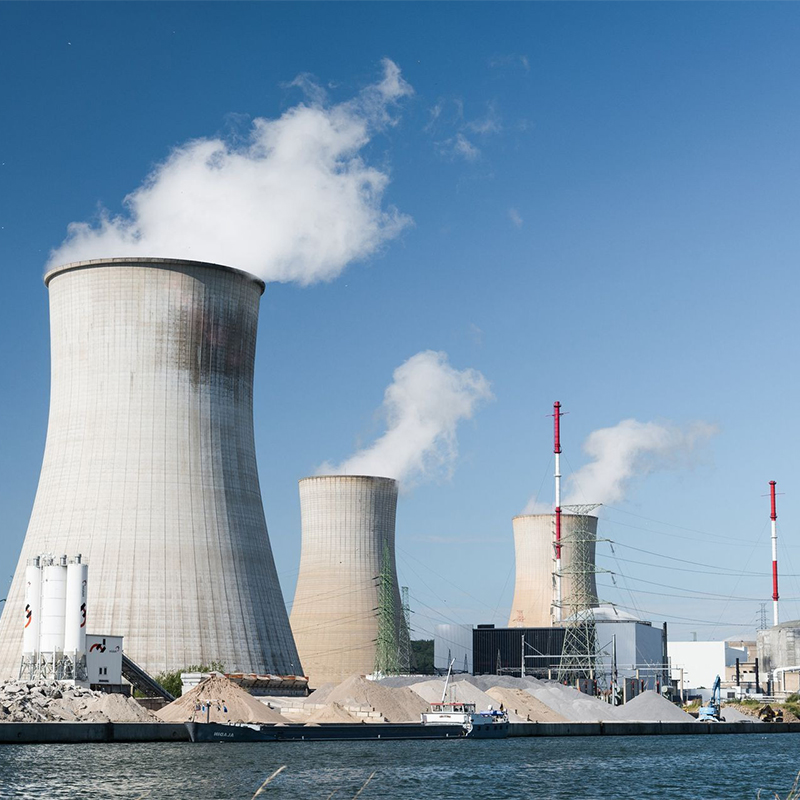
We Provide Cooling Tower Solution

Views: 0 Author: Site Editor Publish Time: 2026-01-08 Origin: Site


Cooling towers may not always be the most visible part of an industrial facility, but they are absolutely critical to keeping operations running smoothly. When a cooling tower underperforms, the consequences ripple through the entire system—higher energy bills, unstable process temperatures, and even unplanned shutdowns.
One of the most effective yet underestimated ways to protect cooling performance is cleaning a cooling tower. Regular and proper cleaning doesn’t just make the system look better; it directly impacts heat transfer efficiency, energy consumption, water quality, and long-term reliability. That’s why experienced manufacturers such as Mach Cooling (https://www.machcooling.com/) consistently emphasize cooling tower cleaning as a core part of performance management.
Cooling tower performance determines how efficiently excess heat is removed from circulating water. In simple terms, better cooling performance means equipment runs cooler, processes stay stable, and energy use remains under control.
When a cooling tower is clean, it operates close to its original design condition. When it’s dirty, performance quietly degrades—often without immediate warning—until costs and risks become impossible to ignore.
Cooling performance is typically measured by how closely the cooled water temperature approaches the ambient wet-bulb temperature. The smaller the difference, the better the performance.
A clean cooling tower allows water and air to interact freely, maximizing heat exchange. A fouled tower, on the other hand, is like breathing through a clogged filter—it still works, but not very well.
Common indicators used by operators include:
Cooling range and approach temperature
Heat rejection capacity
Fan and pump power consumption
Process temperature stability
When these KPIs drift away from design values, poor cleanliness is often the root cause.

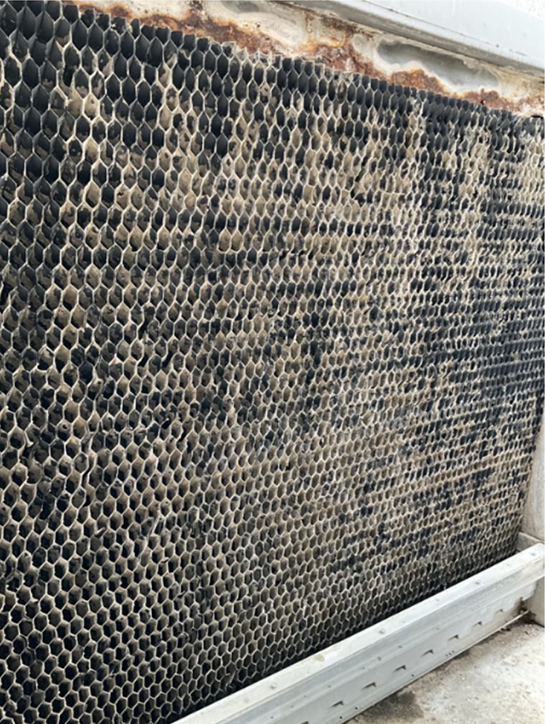
Failing to clean a cooling tower doesn’t usually cause immediate failure. Instead, problems build up gradually—just like dust accumulating on a radiator.
Minerals in makeup water form hard scale on fill surfaces and heat exchange areas. Even a thin layer of scale acts as insulation, reducing heat transfer efficiency and increasing approach temperature.
Warm, moist conditions are perfect for algae and bacteria. Biofouling blocks airflow, disrupts water distribution, and increases health risks.
Dust, leaves, and airborne particles settle in the basin and piping, reducing effective water volume and clogging nozzles and strainers.

Cleaning removes scale, biofilm, and debris, restoring direct contact between water and air. This immediately improves heat rejection efficiency.
Many facilities recover several degrees of lost performance after a thorough cleaning, bringing the cooling tower closer to its original design condition.
Clean spray nozzles and distribution pipes ensure even water flow across the fill, preventing dry spots and hot zones.
Dirty systems force fans and pumps to work harder to compensate for reduced heat transfer. Once cleaned, airflow and water circulation face less resistance, lowering power demand.
In many industrial cases, proper cleaning results in 5–15% energy savings, making it one of the fastest-return maintenance actions available.
A clean system maintains more stable water chemistry, reducing the need for excessive blowdown and makeup water.
When surfaces are clean, water treatment chemicals can work as intended, improving corrosion and scale control while lowering chemical consumption.
Clean cooling towers operate more predictably. With fewer blockages and less fouling, temperature control improves and the risk of sudden performance drops is reduced.
In this sense, cleaning is preventive maintenance—it stops small problems from turning into costly emergencies.
Cooling towers are closely monitored due to the risk of Legionella bacteria. Regular cleaning removes biofilm and sediment where bacteria thrive, helping facilities meet health and safety regulations.

Includes brushing, vacuuming, and high-pressure water cleaning. It is highly effective for removing debris and sediment.
Chemical cleaning dissolves scale and biofilm that mechanical methods cannot remove, restoring heat transfer surfaces.
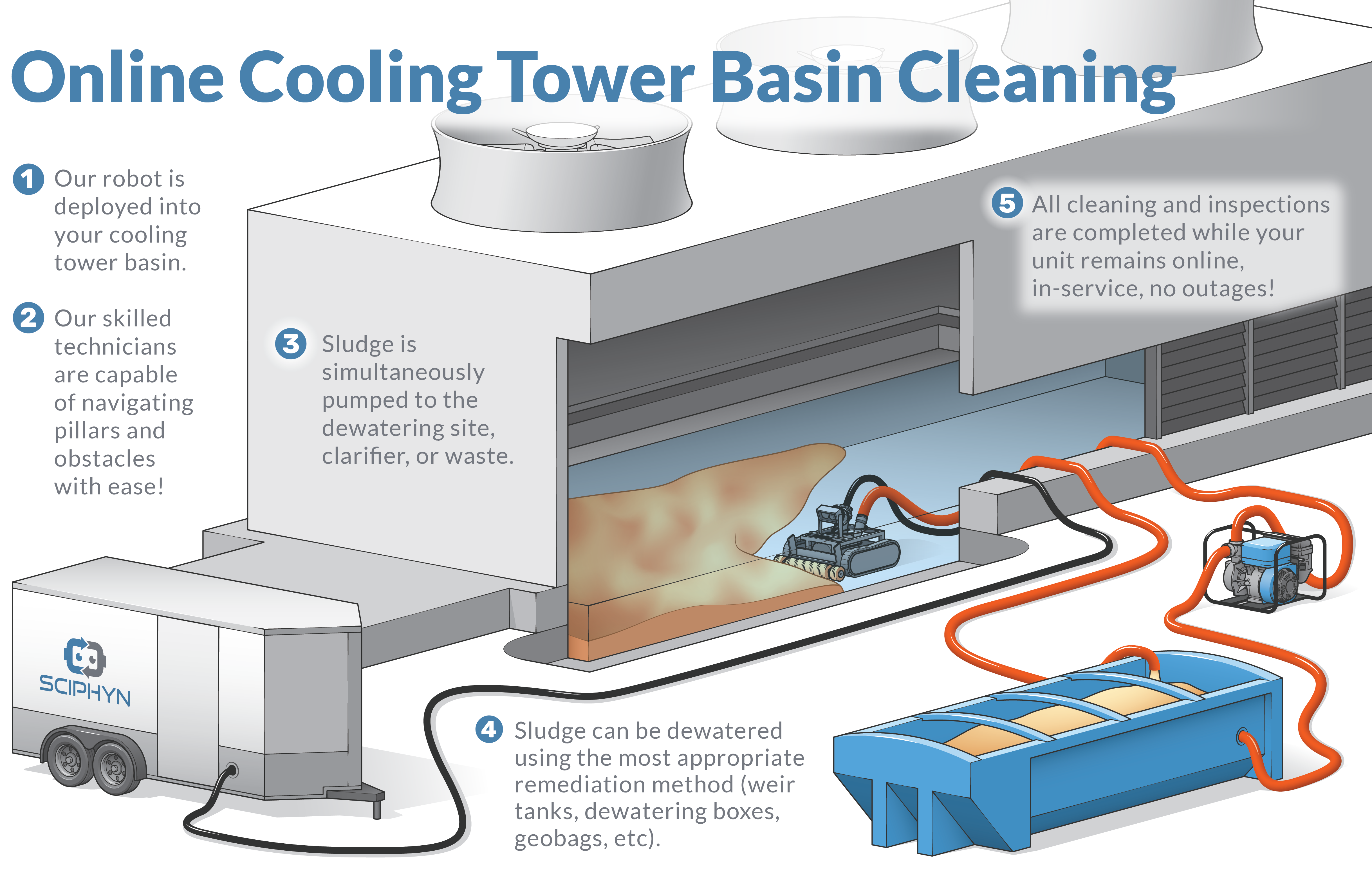
Online cleaning maintains performance during operation
Offline cleaning allows deep restoration during shutdowns
A combined strategy often delivers the best long-term results.
There is no universal schedule, but cleaning frequency depends on:
Water quality
Operating hours
Environmental conditions
As a general guideline:
Light cleaning and inspection: quarterly
Comprehensive cleaning: annually
Manufacturers like Mach Cooling recommend customized cleaning plans based on system design and site conditions.
Mach Cooling (https://www.machcooling.com/) designs cooling towers with performance stability and ease of maintenance in mind. Their systems feature:
Optimized fill structures
Easy-access basins
Durable, fouling-resistant materials
These design choices make cleaning more effective and help maintain high cooling performance over the long term.
Cleaning a cooling tower is not just maintenance—it’s an investment. Improved cooling performance leads to:
Lower energy costs
Reduced water usage
Extended equipment life
Fewer emergency repairs
Over time, regular cleaning delivers one of the highest returns on investment in industrial facility management.
The impact of cleaning a cooling tower on cooling performance is both significant and measurable. Clean systems transfer heat more efficiently, consume less energy, maintain better water quality, and operate more reliably.
Ignoring cleaning is like running a marathon with weights on your ankles—you can keep going, but at a much higher cost. With proper cleaning practices and support from experienced manufacturers like Mach Cooling, cooling towers can deliver consistent, high-performance cooling for decades.
Clean towers cool better—and better cooling means better business.