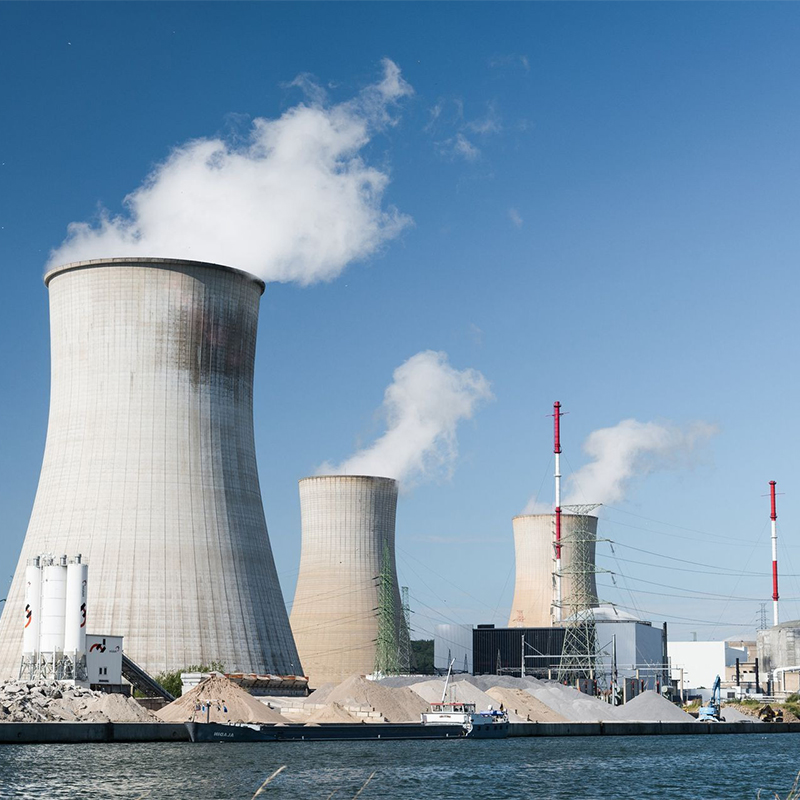
We Provide Cooling Tower Solution

Views: 0 Author: Site Editor Publish Time: 2026-01-24 Origin: Site


Industrial cooling towers are like the lungs of a factory—quietly working in the background, but absolutely essential. Yet without the right cooling tower water treatment equipment and system upgrades, even the most advanced cooling tower can quickly turn into a maintenance nightmare.
Retrofitting existing cooling towers is a cost-effective way to improve efficiency, reduce energy consumption, and extend equipment life. Companies like Mach Cooling (https://www.machcooling.com/) specialize in providing retrofit solutions that turn older systems into modern, high-performance performers.
Many industrial facilities operate cooling towers that are decades old. While the structure may still be sound, the internal components—fans, motors, fill media, and water treatment systems—often lag behind today’s energy standards. Retrofitting allows you to update these components without the downtime and expense of installing a completely new system. This approach is both environmentally responsible and economically smart.
Retrofitting is more than just an upgrade—it’s a strategic investment. Older cooling towers consume more energy, require more chemicals, and often fail to meet current environmental regulations. By retrofitting, you reduce operating costs, enhance system performance, and extend the life of your existing infrastructure.
Outdated fans and motors are major energy drains. A retrofit can cut electricity use by up to 30% through high-efficiency motors, variable frequency drives (VFDs), and optimized airflow. When multiplied across industrial-scale cooling towers, the savings are substantial.
Modern environmental standards require reduced water blowdown and chemical use. Retrofitting with advanced water treatment equipment ensures compliance while reducing your facility’s ecological footprint.
Not every tower requires a full upgrade. Here are common indicators that it’s time to retrofit:
If the cooling tower cannot maintain desired condenser water temperatures, it is a clear sign the system is underperforming, often due to clogged fill or outdated fan design.
Older towers often consume more water and chemicals to achieve the same cooling effect. This inefficiency is costly and environmentally unfriendly.
Frequent repairs, pump failures, or scaling issues signal that internal components are outdated or worn. Retrofitting can resolve these recurring problems.
Several key upgrades can dramatically improve tower efficiency.
Fans drive the airflow essential for evaporative cooling. Upgrading them can yield huge energy savings.
Modern motors operate more efficiently than old models, reducing electricity consumption and improving reliability.
VFDs allow fans to operate at speeds that match load requirements, avoiding unnecessary energy use during low-demand periods.
Old or damaged fill media reduces water-to-air contact, lowering heat transfer efficiency. Replacing it with modern, high-performance fill can restore and even improve cooling capacity.
New drift eliminators reduce water loss, while updated basins improve circulation and minimize sediment buildup.
Optimizing water distribution ensures uniform coverage of the fill media, enhancing heat exchange and preventing localized scaling.
Efficient water treatment is critical during a retrofit.
These systems continuously remove solids from circulating water, reducing scaling, corrosion, and fouling.
Retrofitted systems integrate modern chemical dosing controls that adapt to water chemistry in real time, reducing chemical usage and improving tower performance.
Adding sensors and automated controls transforms a passive cooling tower into a smart system.
Real-time measurements allow for immediate adjustments, ensuring optimal operation at all times.
Cloud-connected systems enable remote supervision, predictive alerts, and reduced unplanned downtime.
Retrofitting delivers measurable results in performance, cost savings, and sustainability.
Optimized fans, motors, and airflow reduce electricity consumption and lower operating costs.
By updating critical components, the tower can operate efficiently for many additional years without full replacement.
Less water, fewer chemicals, and lower maintenance requirements translate into significant cost savings.
Facilities that have retrofitted with Mach Cooling solutions report up to 30% energy savings, 50% reduction in water blowdown, and dramatically improved heat transfer efficiency. These real-world results demonstrate that retrofitting is a practical alternative to full replacement.
Mach Cooling (https://www.machcooling.com/) provides comprehensive retrofit services, including engineering assessment, component upgrades, water treatment optimization, and full system integration. Their expertise ensures that each retrofitted tower performs like a brand-new, high-efficiency system while minimizing downtime.
Retrofitting existing cooling towers is a smart, cost-effective way to increase efficiency, save energy, and reduce environmental impact. By upgrading fans, fill, water treatment, and integrating automation, older systems can meet modern performance standards. Partnering with an experienced provider like Mach Cooling ensures your retrofit delivers maximum ROI and long-term operational reliability.