We Provide Cooling Tower Solution

Views: 0 Author: Site Editor Publish Time: 2026-02-05 Origin: Site


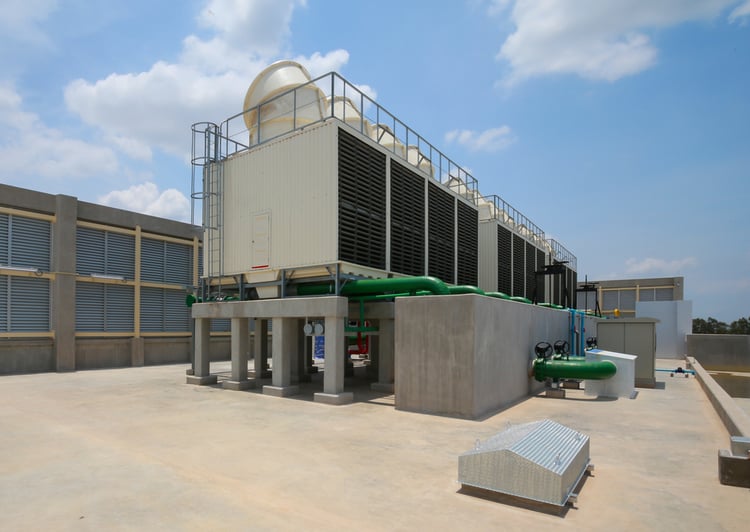
Commercial buildings—from office towers to hotels and shopping centers—rely heavily on efficient HVAC systems to maintain comfortable indoor environments. At the heart of these systems, cooling towers play a critical role in removing heat and ensuring operational efficiency. Choosing reliable cooling towers is not just about keeping your building cool—it’s about energy savings, system longevity, and minimizing maintenance headaches.
In this article, we’ll explore everything you need to know about reliable cooling towers for commercial buildings, from design and operation to maintenance and performance optimization, with insights from Mach Cooling.
A commercial building's comfort, energy efficiency, and operational costs depend heavily on the performance of its cooling system. Unreliable cooling towers can lead to:
Inconsistent cooling
Increased energy bills
Frequent maintenance
Shortened equipment lifespan
Investing in a reliable system from the start ensures smooth operations, reduced energy consumption, and long-term savings.
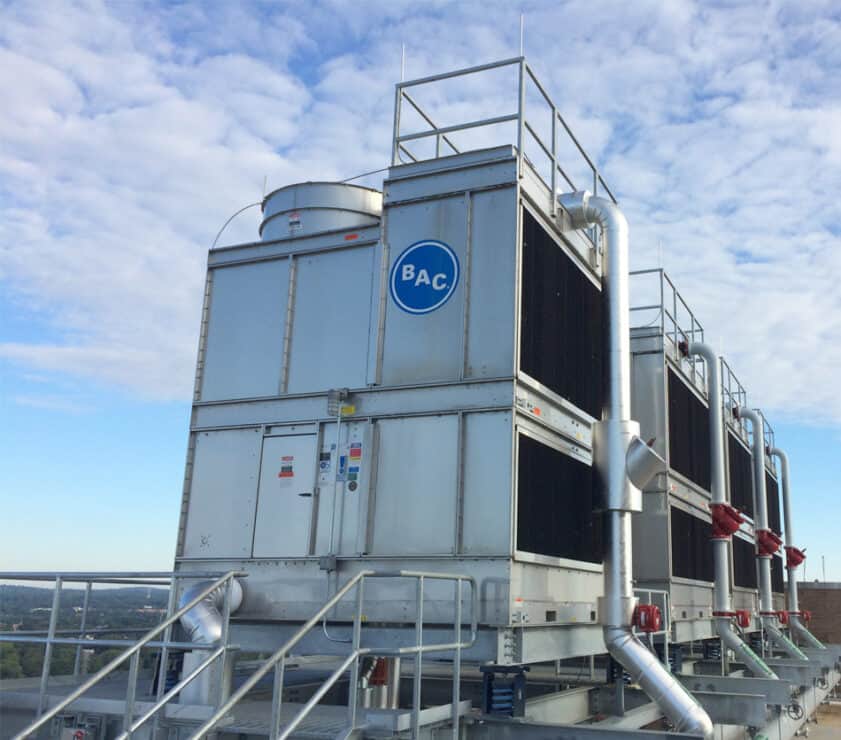
A cooling tower is a heat rejection device that transfers heat from the building's HVAC system to the atmosphere, primarily through evaporation. This process allows chilled water to be reused efficiently.
Receives hot water from air handling units or chillers
Cools water by evaporating a portion into the air
Returns cooled water to the HVAC system to maintain indoor comfort
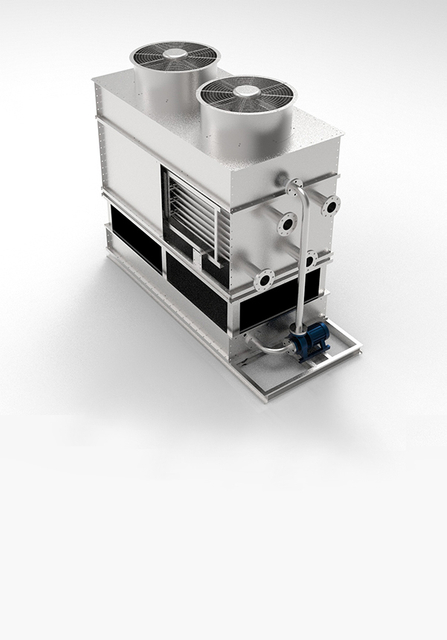
Choosing the right type affects performance, maintenance, and energy use.
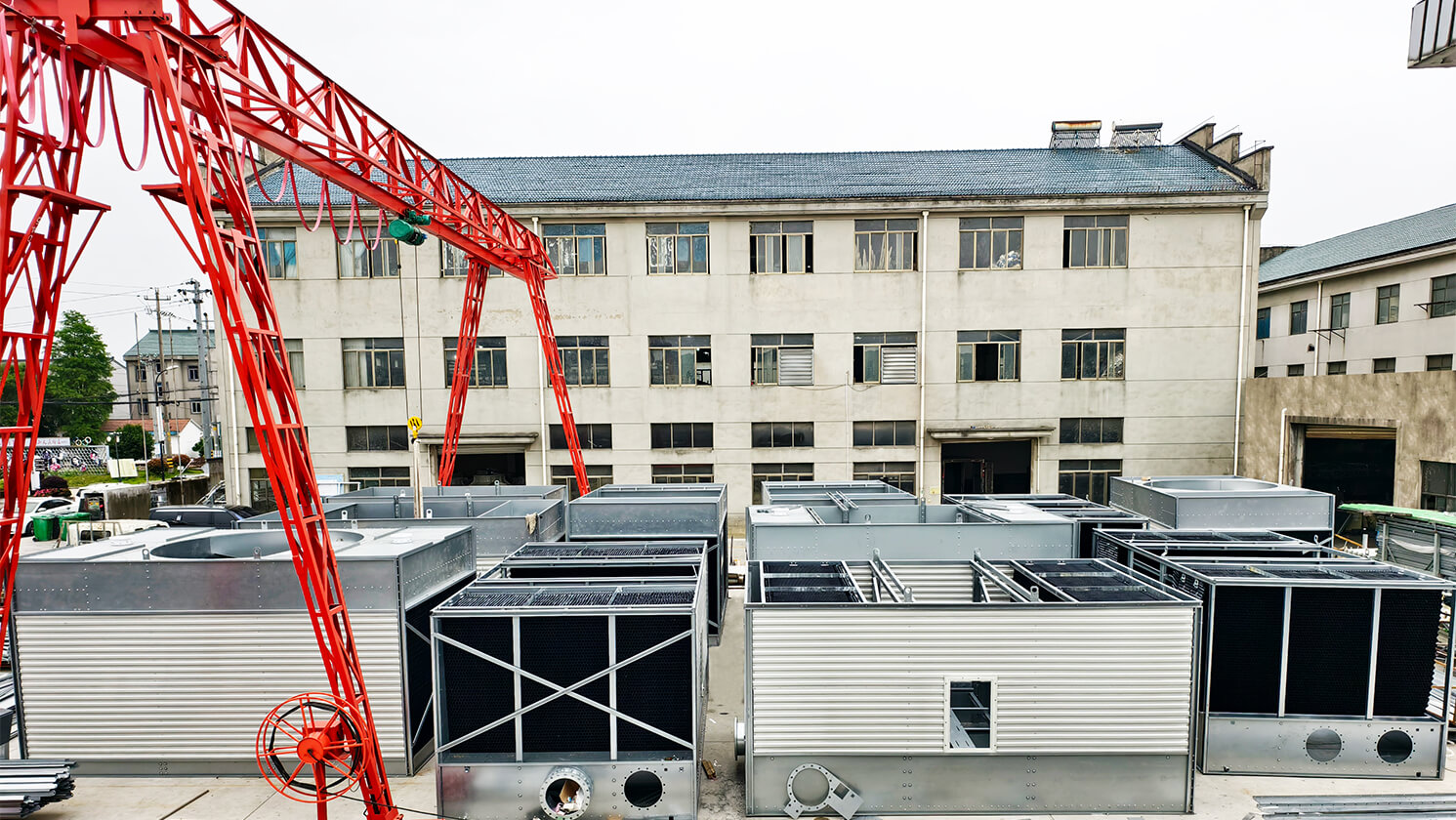
Air flows horizontally across falling water
Easy to maintain and service
Suitable for mid-size commercial buildings
Air moves upward while water falls downward
Higher efficiency for the same footprint
Common in high-rise and large commercial buildings
Pre-engineered and easy to install
Ideal for space-constrained buildings
Often used in hotels, malls, and office complexes

Galvanized steel, fiberglass, and stainless steel ensure long service life
Resistant to corrosion and weather conditions
Enhances heat transfer efficiency
Minimizes water and energy waste
Reduce electricity consumption
Maintain consistent airflow even under varying loads
Acoustic louvers or low-noise fans improve comfort in urban environments
Larger buildings require higher capacity towers
Accurate calculation prevents oversizing or undersizing
Determines fill type, corrosion protection, and filtration requirements
Modular systems can fit tight spaces
Roof installations need lightweight, structurally optimized designs
Low-pressure-drop designs reduce fan power consumption
Automated controls optimize operation according to load
Roof-mounted towers must consider weight and vibration
Ground-mounted towers need proper foundations
Minimize friction losses
Ensure even water distribution to maximize efficiency
Easy access for maintenance, inspection, and cleaning
Compliance with safety codes
Reliable operation depends on consistent maintenance practices.
Check fill, drift eliminators, fans, and pumps
Monitor water chemistry to prevent scaling and corrosion
Remove leaves, dust, and biological growth
Keep fill media clean for optimal heat transfer
Lubricate moving parts
Check alignment and electrical connections

Prevents debris from entering fill and nozzles
Reduces scaling, algae, and fouling
Optimizes cooling efficiency
Prolongs tower and system lifespan
Offers engineered filtration systems for commercial towers
Reduces downtime and energy waste while maintaining water quality
Adjust fan speed according to load
Saves energy during partial load conditions
Monitor temperatures, flow rates, and water chemistry
Optimize performance automatically
Maximizes heat transfer per unit of water
Reduces fan energy requirements
Low-noise fans and acoustic enclosures reduce urban disturbance
Water conservation technologies minimize consumption
Complying with environmental regulations ensures long-term reliability
Reduces heat transfer
Leads to higher energy consumption
Affects structural integrity
Increases maintenance costs
Uneven cooling across the system
Can result in local hotspots and reduced comfort
A multi-story office building upgraded to a Mach Cooling counterflow tower. After installation:
Indoor temperature consistency improved
Energy consumption reduced by 15%
Maintenance downtime decreased significantly
Water usage optimized through advanced fill and filtration systems

Proven reliability and durability
High-performance fills and efficient fans
Easy integration with existing HVAC systems
Tailored solutions for different commercial building types
Comprehensive technical support and warranty
Learn more at https://www.machcooling.com/.
Selecting a reliable cooling tower is more than choosing hardware—it’s about long-term efficiency, reduced operating costs, and occupant comfort. By considering building size, cooling load, water quality, and energy efficiency, and by partnering with experienced manufacturers like Mach Cooling, commercial building owners can ensure their towers provide years of trouble-free service.
Investing in a reliable system pays off with lower energy bills, fewer maintenance headaches, and consistent comfort, making it a cornerstone of any commercial HVAC strategy.