We Provide Cooling Tower Solution

Views: 0 Author: Site Editor Publish Time: 2026-02-05 Origin: Site


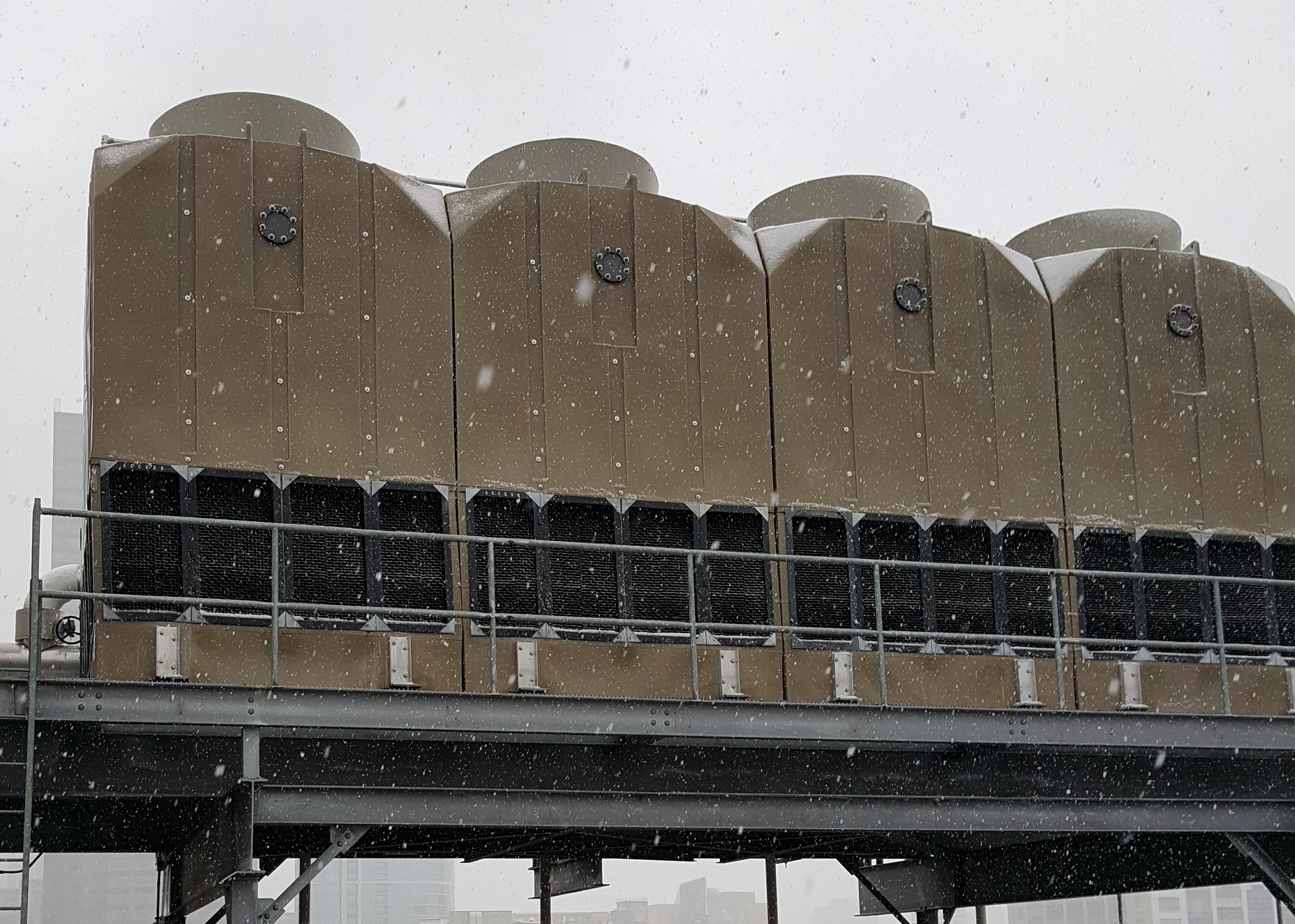

Maintaining a cooling tower during winter or in cold climates comes with unique challenges. Without proper freeze protection, ice can form in water distribution systems, fill media, and piping, leading to costly damage, downtime, and inefficient operation. For commercial, industrial, and high-rise buildings, implementing professional freeze protection systems is essential for safe and reliable operation.
In this article, we’ll walk you through everything you need to know about professional freeze protection for cooling towers, including types of systems, operational strategies, maintenance practices, and energy-efficient solutions. We’ll also highlight solutions from Mach Cooling, a leading manufacturer in this field.
Winterizing a cooling tower is not optional in cold climates—it’s critical. Freezing water expands, potentially cracking tower components, piping, and pumps. Beyond structural damage, ice buildup reduces heat transfer efficiency, forcing HVAC systems to work harder and increasing energy costs.
Reliable freeze protection ensures:
Continuous operation in low temperatures
Prevention of water-related damage
Reduced maintenance costs and downtime
Extended service life of tower components
Outdoor towers are exposed to ambient temperatures, especially at night.
Standing water in basins, piping, or fill can freeze if the temperature drops below 0°C (32°F).
Ice formation blocks water flow, damages nozzles, and stresses mechanical components.
Tower basins and sumps
Distribution piping
Fill media sheets
Pump inlets and valves
Maintains a minimum water temperature by circulating heated water through tower loops.
Prevents water from dropping below freezing in basins and pipes.
Often integrated with building HVAC systems for energy efficiency.
Electric heaters in basins or sumps provide localized freeze protection.
Simple installation for smaller towers.
Requires proper safety controls to avoid overheating.
Uses glycol-water mixtures in piping or basins to lower freezing point.
Ideal for extreme cold regions.
Can be combined with recirculation pumps to maintain flow.
Thermal insulation around basins, piping, and exposed tower surfaces reduces heat loss.
Enclosures or wind shields prevent cold drafts from accelerating freezing.
Often used in combination with active heating systems.
Freeze sensors detect low temperatures in basins or piping.
Automatically activate heaters, pumps, or recirculation loops.
Provides real-time monitoring and prevents human error.
Towers in regions with prolonged sub-zero temperatures require robust systems.
Short-term freezing may only need heaters or circulation loops.
Larger towers with high water volume may benefit from glycol loops and automated control.
Small commercial towers may be fine with immersion heaters.
Facilities needing 24/7 HVAC service must have automated, reliable systems.
Intermittent or seasonal operations may use simpler, manual solutions.
Circulation systems and heaters consume electricity—choosing energy-efficient designs reduces operating costs.
Integration with building energy management systems enhances efficiency.
Identify areas where water may remain stagnant or exposed to cold air.
Measure total water volume and tower configuration.
Evaluate heater size, glycol concentration, or pump capacity according to tower specifications.
Ensure the system can maintain water temperature above freezing under worst-case ambient conditions.
Freeze sensors should be positioned in basins, piping, and fill distribution systems.
Connect sensors to automated controls for real-time operation.
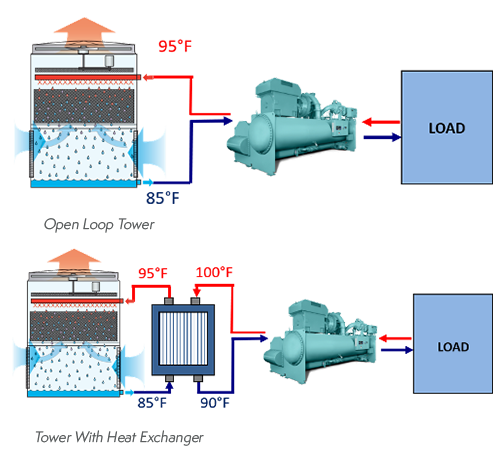
Hot water recirculation loops may tie into existing building heating systems.
Ensure piping, valves, and pumps are compatible with freeze protection design.
Simulate low-temperature conditions to verify freeze sensors, pumps, and heaters operate correctly.
Inspect for leaks, insulation gaps, and proper water flow.
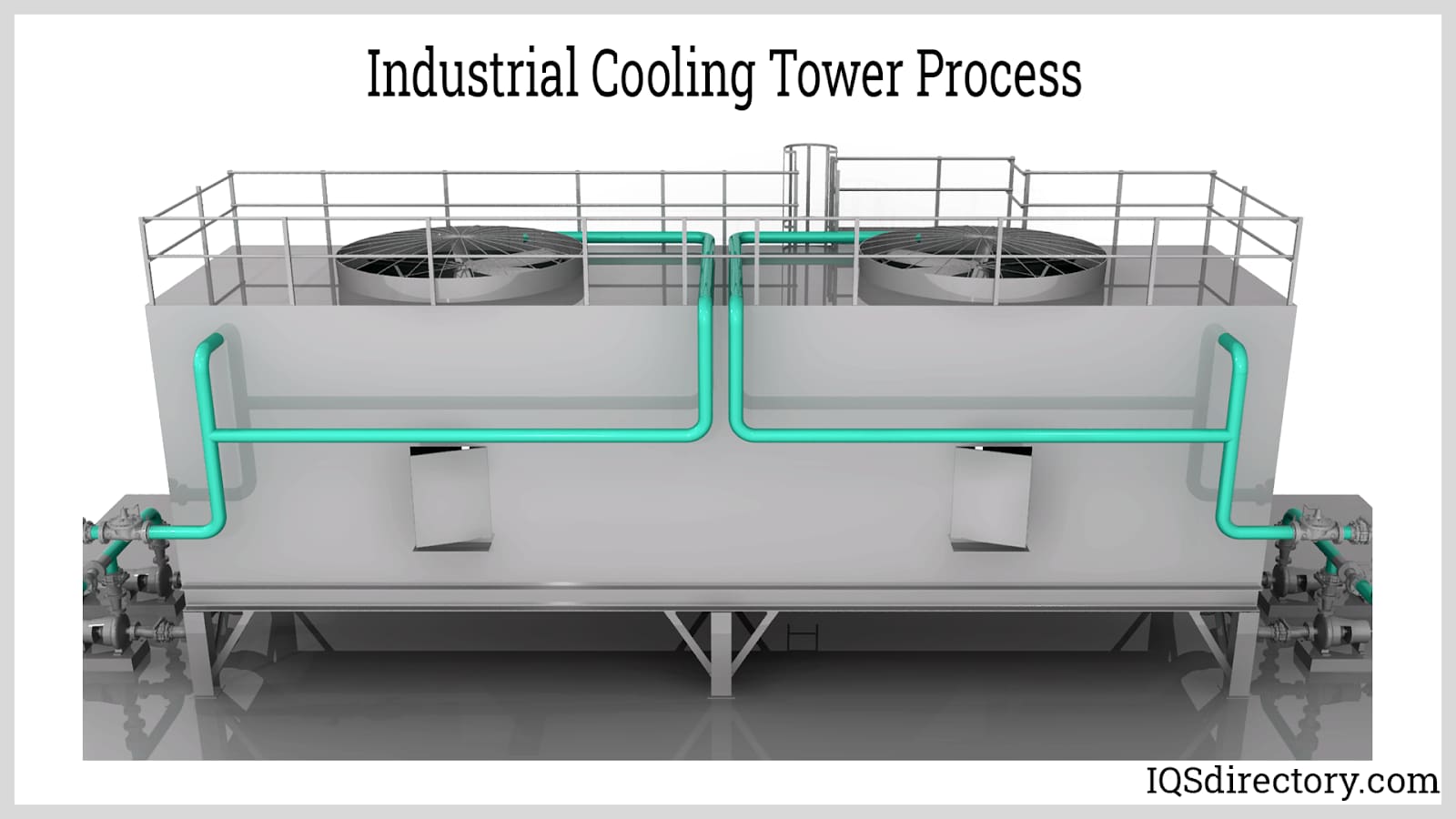
Check heaters, pumps, and sensors before winter.
Verify wiring and control connections for safety.
Ensure freeze sensors trigger protection measures at the correct temperature.
Replace faulty sensors promptly.
Glycol loops or heaters can accelerate corrosion if water chemistry is off.
Maintain proper pH and anti-corrosion treatment.
Periodically simulate freezing conditions to verify response.
Monitor energy usage to optimize efficiency.
Use variable-speed pumps to circulate only when needed.
Integrate smart sensors to reduce heater runtime.
Optimize glycol concentration to prevent overuse.
Combine insulation with active heating to reduce energy consumption.
Electrical heaters must be properly grounded.
Overheating protection devices should be installed.
Glycol handling requires proper safety procedures and leak detection.
Regular inspections minimize operational hazards.
Mach Cooling provides comprehensive freeze protection systems for commercial and industrial cooling towers:
Hot water circulation loops tailored to tower size
Electric and immersion heaters for localized protection
Automated sensor-based control systems
Energy-efficient designs integrated with HVAC systems
Full support for installation, commissioning, and maintenance
Learn more at https://www.machcooling.com/.
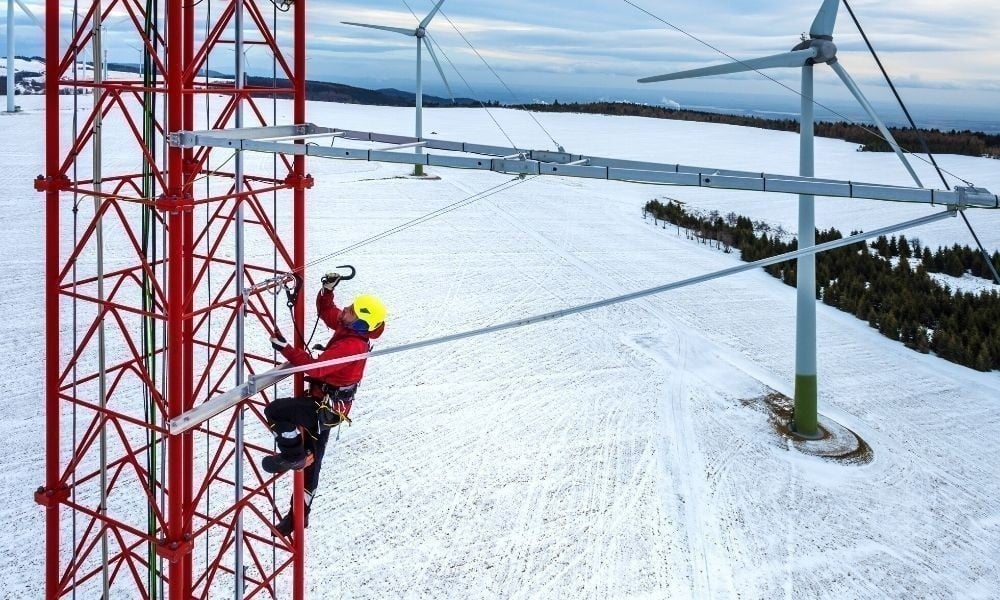
A hospital in a northern climate installed a Mach Cooling automated freeze protection system on its rooftop tower. Results included:
No freezing incidents during sub-zero temperatures
Consistent cooling for critical HVAC operations
Reduced emergency maintenance and downtime
Optimized energy use through automated heating and circulation
Underestimating winter severity or cold snaps
Skipping sensor calibration or installation
Neglecting insulation or wind protection
Using heaters without automated controls in high-risk areas
Failing to integrate with HVAC systems for efficiency
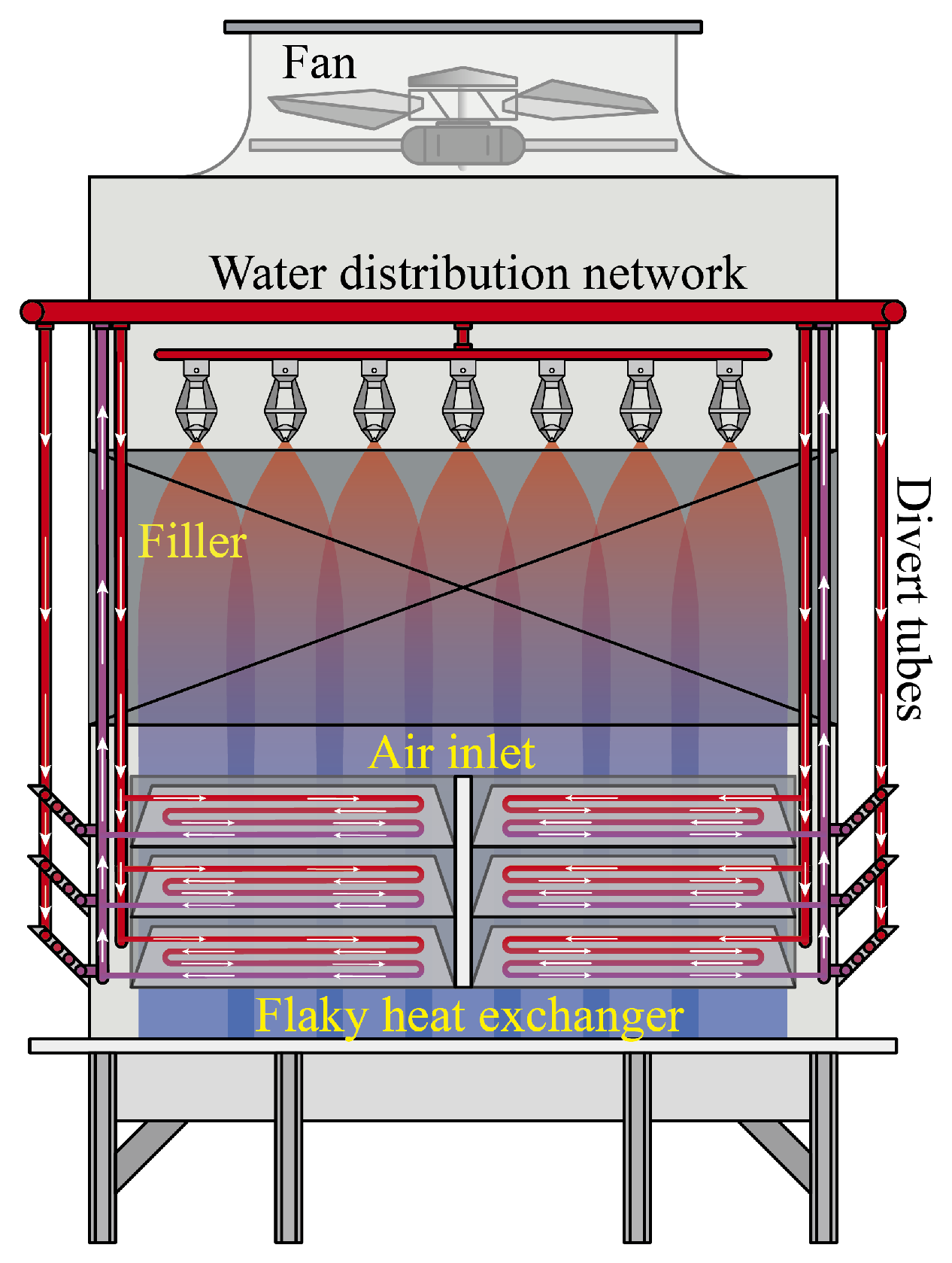
Investing in professional freeze protection systems is essential for any commercial or industrial facility operating in cold climates. Proper design, automated controls, energy efficiency, and regular maintenance ensure:
Safe operation under freezing conditions
Consistent HVAC performance
Reduced maintenance costs and downtime
Extended service life of the cooling tower
Partnering with Mach Cooling guarantees expert-engineered freeze protection solutions that combine reliability, energy efficiency, and long-term support. Protect your investment, maintain comfort, and avoid costly winter failures with the right freeze protection system.