We Provide Cooling Tower Solution

Views: 0 Author: Site Editor Publish Time: 2026-02-06 Origin: Site


Selecting the right filtration system for a cooling tower might seem straightforward, but in reality, it’s a critical decision that impacts performance, water quality, energy efficiency, and operational costs. With so many options on the market, making an informed choice ensures your tower runs smoothly, lasts longer, and saves money in the long run. In this article, we’ll walk you through everything you need to know about choosing the right cooling tower filtration system—from understanding filtration principles to installation and maintenance, all explained in an easy, conversational style.

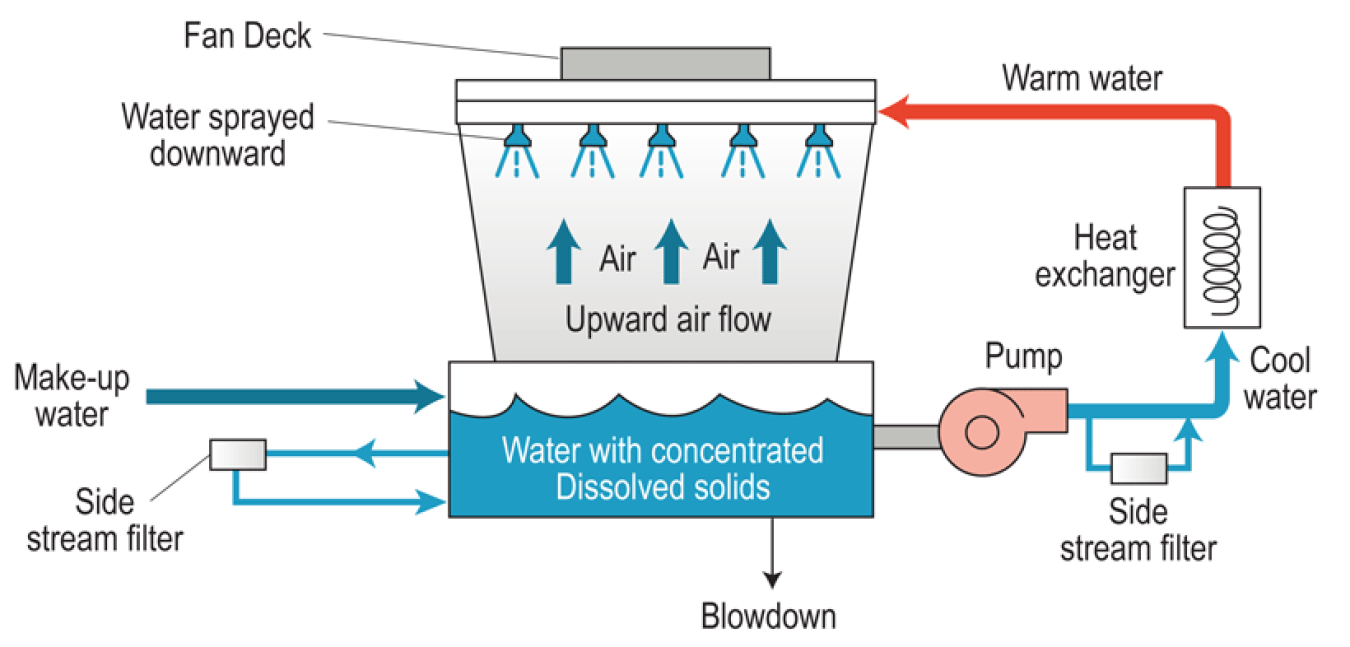
Cooling towers are constantly recirculating water, which inevitably picks up dirt, debris, scale, and biological contaminants. Without proper filtration, this debris can clog nozzles, reduce heat transfer, and shorten the life of your equipment. A proper filtration system:
Maintains water cleanliness
Improves heat exchange efficiency
Reduces maintenance costs
Enhances overall system longevity
Choosing the right system is not just about picking a filter—it’s about matching your tower’s operational needs, water quality, and budget.
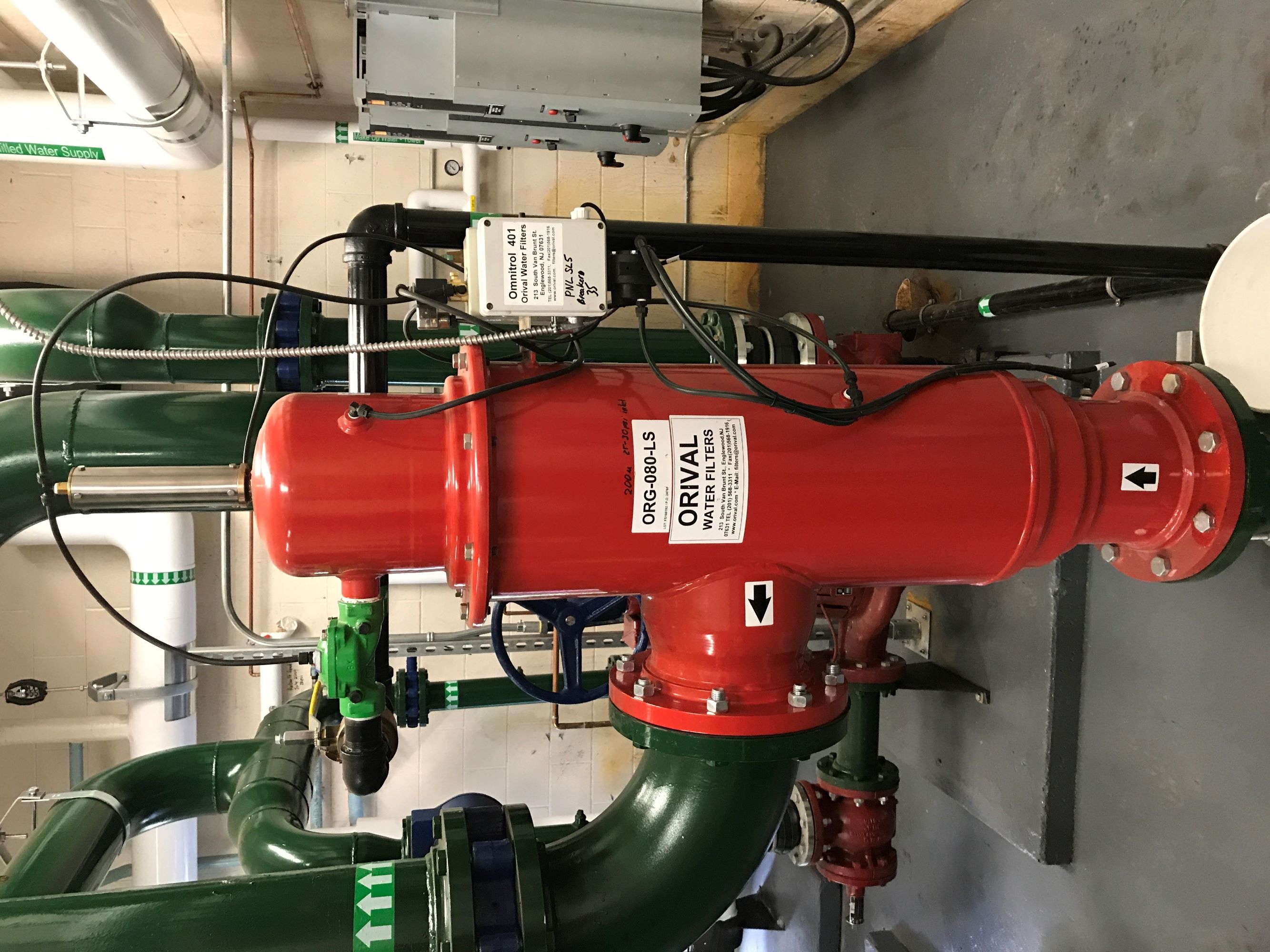
Before selecting a system, it’s important to understand the types of filtration commonly used in cooling towers.
Mechanical filters physically remove particles using screens, mesh, or cartridges. They are ideal for:
Preventing debris from entering the tower basin
Reducing sediment accumulation
Protecting pumps and nozzles
These use sand, multi-media layers, or granular activated carbon to trap contaminants. They are excellent for:
Fine particle removal
Turbidity control
Extended protection for larger towers
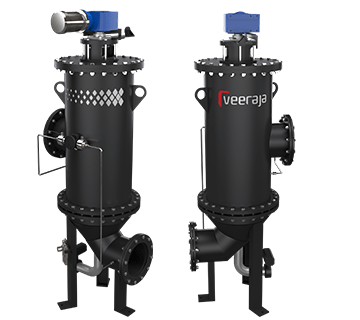
Advanced systems like self-cleaning drum filters continuously remove debris without manual intervention, ensuring high efficiency and minimal downtime.
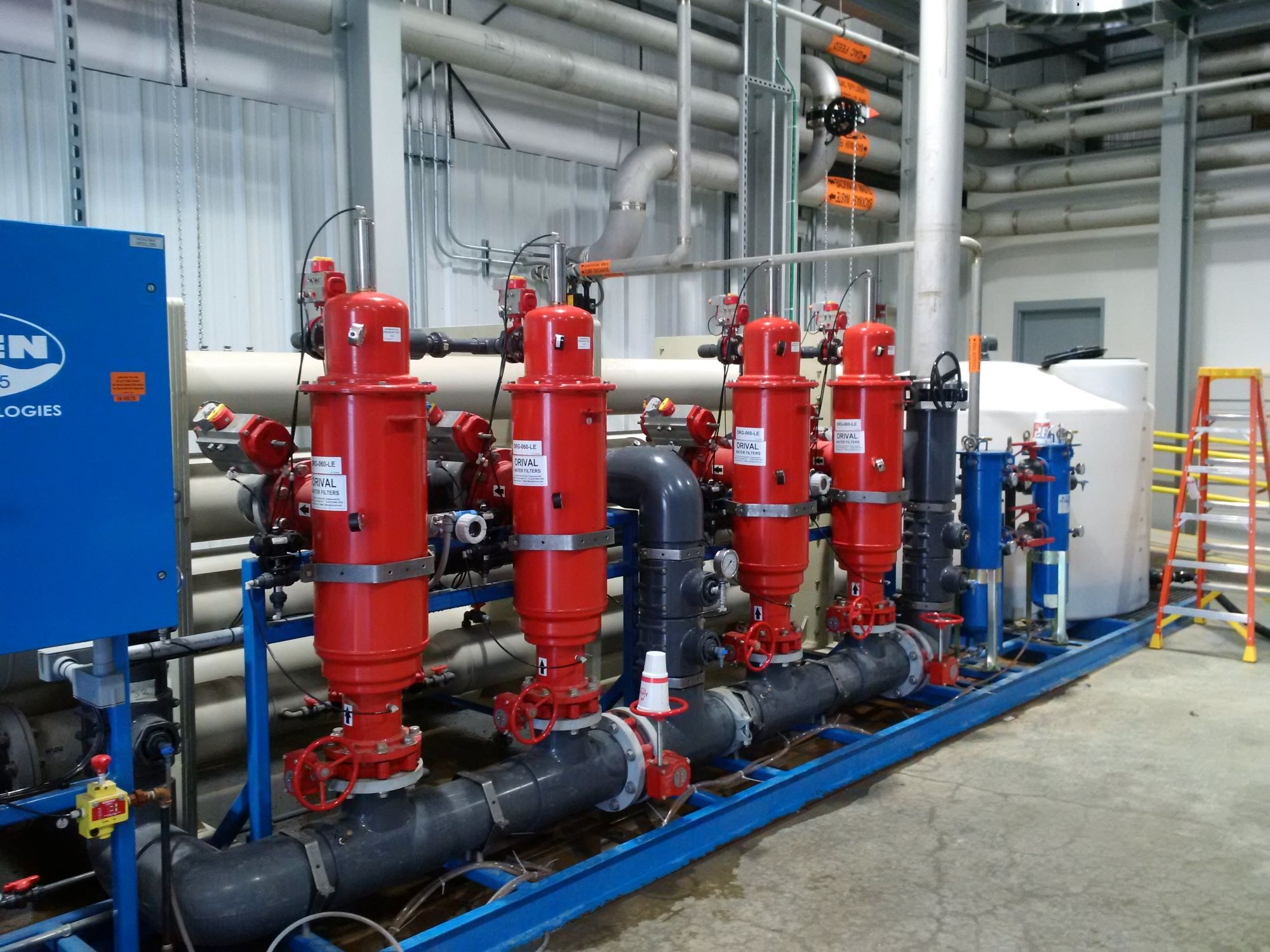
Choosing the right filter requires evaluating multiple factors.
Is the water hard, soft, or high in suspended solids?
Municipal water, river water, or recycled water each has different filtration needs.
Larger towers require higher-capacity filters.
Flow rate dictates the type and size of the filtration system.
Outdoor towers exposed to dust, leaves, or industrial contaminants may need coarser pre-filters and robust designs.
Indoor towers may have lower debris levels but still require fine filtration.
Can your staff perform regular filter cleaning?
Automated systems may be better for sites with limited maintenance resources.
Filters can create head loss; excessive resistance increases pump energy consumption.
Low-pressure-drop systems are more energy-efficient.
Begin by testing water for:
Total suspended solids (TSS)
Turbidity
Biological load
pH and hardness
This helps determine whether mechanical filtration alone is sufficient or if additional media filtration is required.
Ask yourself:
Are you aiming to protect nozzles and pumps?
Do you need to reduce biological growth?
Is the goal to improve heat transfer efficiency?
Your objectives will guide whether a single-stage mechanical filter, media filter, or combined system is ideal.
Easy to install and maintain
Ideal for large debris like leaves and sticks
Less effective for fine sediment
Remove fine particles down to a few microns
Require regular cleaning or replacement
Suitable for small to medium towers
Excellent for high TSS water
Handles variable water quality well
Can be combined with chemical treatment for added protection
Continuous operation with minimal manual intervention
High reliability in debris-heavy environments
Reduces labor and maintenance downtime

Space availability around the tower
Access for maintenance and inspection
Piping modifications or integration with existing water treatment systems
Electrical requirements for automated systems
Proper planning during installation avoids costly modifications and ensures seamless integration.
Filtration systems aren’t just a one-time investment—they have ongoing costs:
Filter media replacement
Cleaning and maintenance labor
Energy costs due to head loss
Potential chemical savings from improved water quality
Choosing a system with a balance of upfront and operational costs is crucial for ROI.
A high-quality manufacturer ensures:
Proper system sizing and design
Long-term durability and warranty
Technical support for installation, operation, and troubleshooting
Mach Cooling, for example, provides expert-engineered filtration solutions tailored for industrial and commercial cooling towers. Their systems are designed for easy maintenance, high debris handling, and energy efficiency. Learn more at https://www.machcooling.com/.
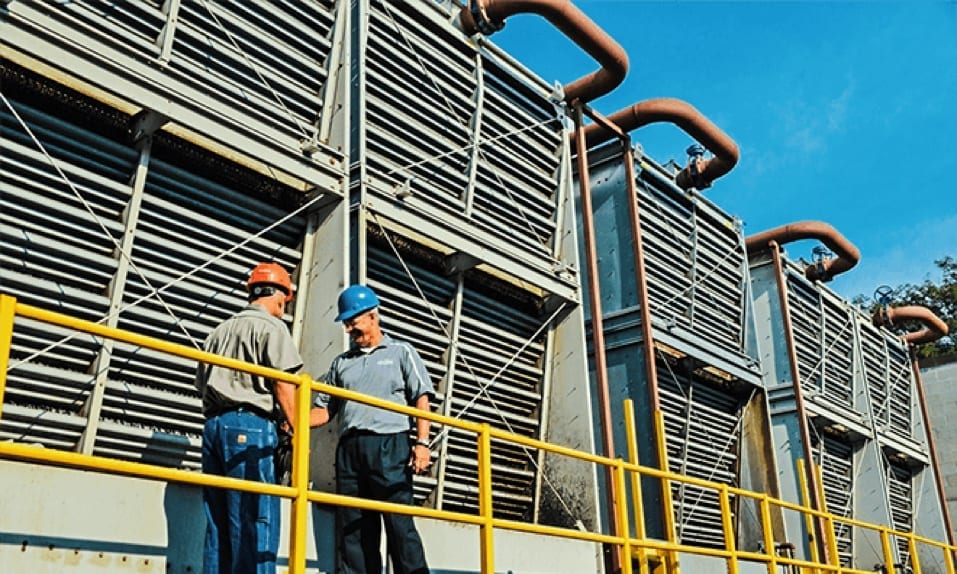
Regular inspections ensure filters are functioning optimally
Cleaning schedules vary based on water quality and debris load
Automated systems reduce labor but still require periodic checks
Monitoring differential pressure across the filter helps detect clogging early
Filtration complements chemical water treatment
Reduces scale, corrosion, and biological growth
Helps maintain consistent cooling performance and water quality
Ensure the system meets local environmental regulations for water discharge and treatment
Efficient filtration minimizes water wastage and chemical usage
Low-resistance filters reduce pump energy consumption
Self-cleaning and automatic backwash systems help maintain low head loss
Proper filtration ensures fans and pumps operate efficiently by maintaining heat transfer performance
A large industrial facility installed a self-cleaning drum filtration system from Mach Cooling. After installation:
Debris in the tower basin decreased by 90%
Heat transfer efficiency improved by 12%
Water and energy consumption were significantly reduced
Maintenance labor dropped by over 50%
This demonstrates how selecting the right filtration system directly impacts operational efficiency and cost savings.
Choosing the right cooling tower filtration system requires careful consideration of:
Water quality
Tower size and flow rate
Debris load and environmental exposure
Maintenance capabilities
Energy efficiency goals
By selecting a high-quality system from an experienced manufacturer like Mach Cooling, you can ensure long-lasting performance, reduced operating costs, and optimized heat transfer efficiency.
Investing in the right filtration system is investing in the long-term reliability and efficiency of your cooling tower. With proper assessment, installation, and maintenance, you can maximize performance and minimize problems for years to come.