We Provide Cooling Tower Solution

Views: 0 Author: Site Editor Publish Time: 2026-02-06 Origin: Site


The global cooling tower industry is evolving rapidly, shaped by environmental concerns, technological breakthroughs, and growing demand across power, industrial, and commercial sectors. As companies seek more efficient, sustainable, and cost-effective cooling solutions, the market is witnessing dynamic transformations. From energy-efficient designs to smart, connected systems, the trends influencing this industry are as complex as they are exciting.
In this article, we take a deep dive into the Global Cooling Tower Industry Trends 2026, exploring what’s driving growth, the challenges ahead, and how manufacturers like Mach Cooling are staying ahead of the curve.

Cooling towers are essential in systems that require heat rejection—from power plants to HVAC units in skyscrapers. Often working behind the scenes, these systems are critical to ensuring operational efficiency and safety. In a world increasingly focused on sustainability and energy efficiency, cooling towers are no longer an afterthought—they are core components of industrial and commercial infrastructure.
The global cooling tower market has been steadily growing, with analysts projecting continued expansion through 2026. This growth is driven by increased industrial activity, rising energy demands, and stringent regulations on energy consumption and environmental performance. As industries expand and demands on infrastructure grow, the need for efficient heat rejection systems becomes ever more critical.
Different regions show varying trends. In Asia-Pacific, rapid industrialization and infrastructure projects are fueling demand. North America and Europe are seeing upgrades in aging cooling systems, while environmental regulations push for greener, more efficient solutions.

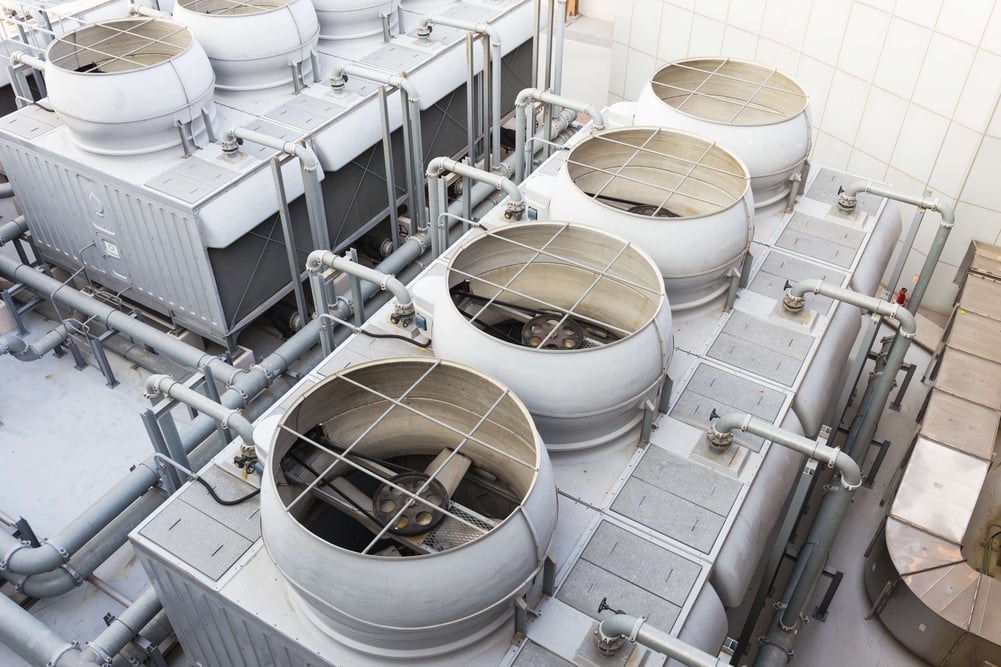
Commercial HVAC systems are among the fastest-growing applications for cooling towers. High-rise buildings, shopping malls, and hospitals increasingly rely on efficient cooling to maintain comfort while managing operating costs.
Manufacturing plants generate significant waste heat. Cooling towers in these settings help maintain optimal operating temperatures for machinery, reduce energy costs, and improve production efficiency.
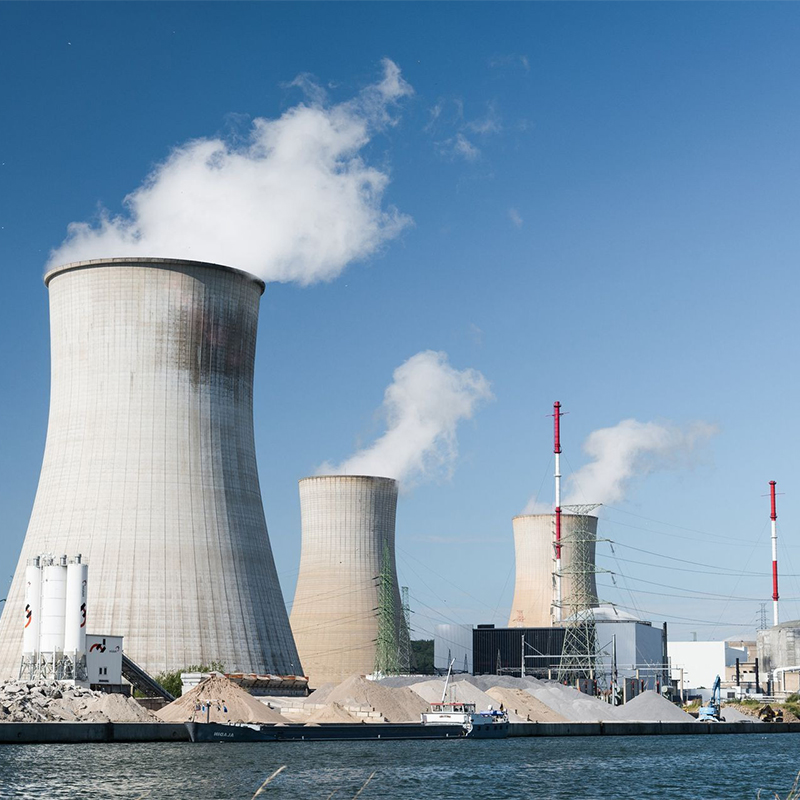
Power generation facilities, especially those using steam turbine technology, depend on cooling towers for heat rejection. With global energy demands rising, this sector remains a key driver of cooling tower installations.
Energy efficiency is more than a buzzword—it’s a requirement. Modern cooling towers are designed to minimize power consumption, often through optimized fan systems, advanced fill media, and variable-speed drives that adjust performance based on demand.
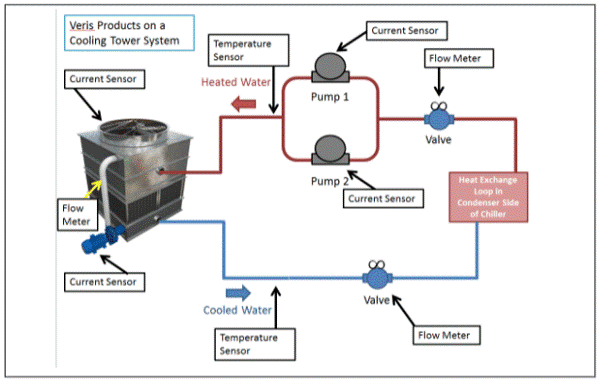
The era of Industry 4.0 has reached cooling towers. Sensors, IoT connectivity, and predictive maintenance algorithms are helping operators monitor performance in real-time, reduce unplanned downtime, and extend equipment life.
Advanced materials—such as corrosion-resistant fiberglass, HDPE, and coated metals—are becoming more prevalent. They reduce maintenance, increase lifespan, and improve reliability especially in harsh environments.
Water is a precious resource, and cooling tower operation can be heavy on usage. The industry is responding with technologies that reduce blowdown, recycle makeup water, and optimize water distribution.
Environmental regulations are tightening worldwide. Compliance means not just reducing energy consumption, but also minimizing water and chemical use in treatment systems.
Extreme heat or cold can strain cooling systems beyond their design limits. Manufacturers must account for fluctuating weather patterns in their design and maintenance recommendations.
Global supply chain challenges—exacerbated by geopolitical shifts and pandemic-related slowdowns—impact component availability and lead times. Adapting to these disruptions is now part of industry strategy.
Advanced fill media improves heat transfer efficiency by increasing surface area and enhancing water-air contact. New materials promise longer life and easier maintenance.
Filtration upgrades are reducing scale and biological growth, leading to better performance and fewer downtime events. These systems ensure clean water circulation and extended component life.
Today’s cooling tower projects often require custom engineering—especially in retrofit scenarios. Manufacturers like Mach Cooling provide not just equipment, but tailored solutions and on-site technical support.
Some manufacturers now offer complete lifecycle services—installation, commissioning, maintenance, and even performance analytics—to ensure long-term customer success.
Mach Cooling, accessible at https://www.machcooling.com/, has been at the forefront of industry evolution. Their systems emphasize energy efficiency, ease of maintenance, and adaptability to diverse climates and applications. With a growing portfolio in industrial, commercial, and retrofit markets, Mach Cooling represents the direction in which the industry is moving—toward smarter, more efficient, and more sustainable cooling solutions.
Eco-friendly cooling solutions won’t be optional; they will be expected. Green certifications and environmental standards will push manufacturers and operators alike to adopt water-saving designs and low-energy systems.
As industries diversify, market needs vary—from heavy-duty industrial towers to compact urban systems. This will drive niche markets and specialized designs tailored to unique performance and space requirements.
The global cooling tower industry is on the brink of significant transformation as we move toward 2026. Trends like energy efficiency, smart systems, advanced materials, and environmental compliance are reshaping market priorities. For manufacturers and end-users alike, staying ahead means embracing innovation, sustainability, and flexibility.
Companies such as Mach Cooling exemplify how the industry can evolve—offering innovative, reliable, and efficient cooling solutions tailored for modern challenges. Whether you’re upgrading existing infrastructure or planning new installations, understanding these trends will help you make informed decisions and stay competitive in a rapidly changing market.