We Provide Cooling Tower Solution

Views: 0 Author: Site Editor Publish Time: 2026-01-19 Origin: Site


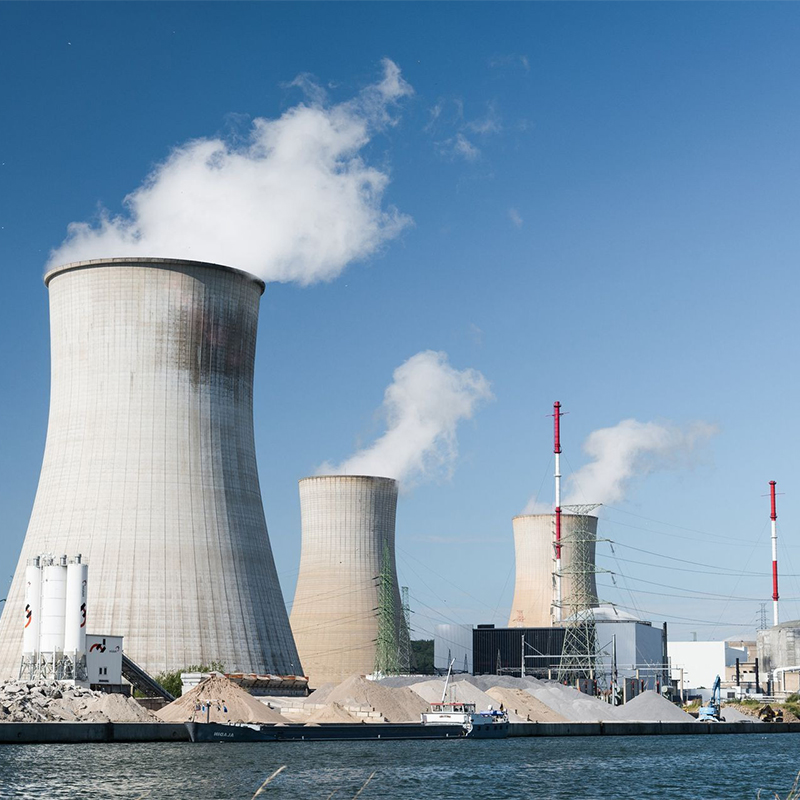
If you’ve ever stood near a cooling tower and noticed fine water mist in the air, you’ve already seen drift in action. Drift eliminators exist to stop that mist from escaping. When engineers compare PVC drift eliminators vs FRP drift eliminators, the real question isn’t just about material—it’s about performance, durability, cost, and long-term reliability.
Let’s break this down in a clear, practical way and help you decide which option actually makes sense for your cooling tower.
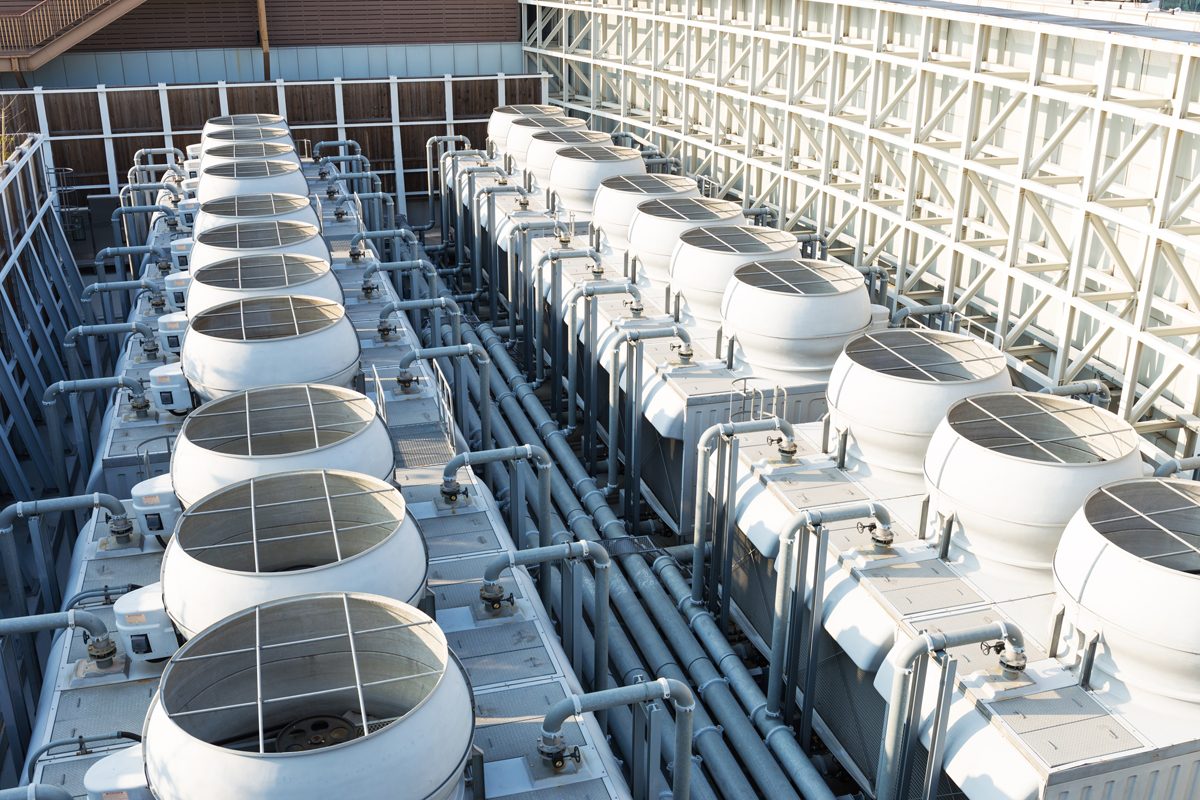
Drift eliminators are installed near the air discharge section of a cooling tower. Their role is simple but vital: capture water droplets carried by airflow and return them to the system.
Uncontrolled drift leads to:
Water loss
Chemical loss
Environmental contamination
Corrosion of nearby equipment
A well-designed drift eliminator can reduce drift loss to below 0.001% of circulating water flow, meeting even strict environmental regulations.
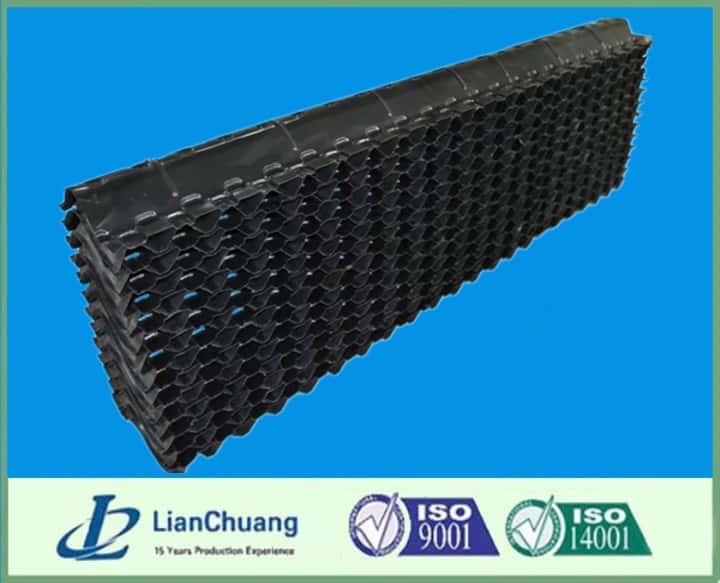
PVC drift eliminators are the most widely used solution in modern cooling towers.
PVC (Polyvinyl Chloride) offers:
Lightweight construction
Excellent chemical resistance
Smooth surface for low airflow resistance
Easy molding into complex blade profiles
These characteristics make PVC an ideal material for high-efficiency drift eliminator designs.
PVC drift eliminators are commonly used in:
HVAC cooling towers
Commercial buildings
Light to medium industrial applications
Crossflow and counterflow cooling towers
They balance performance and cost extremely well.
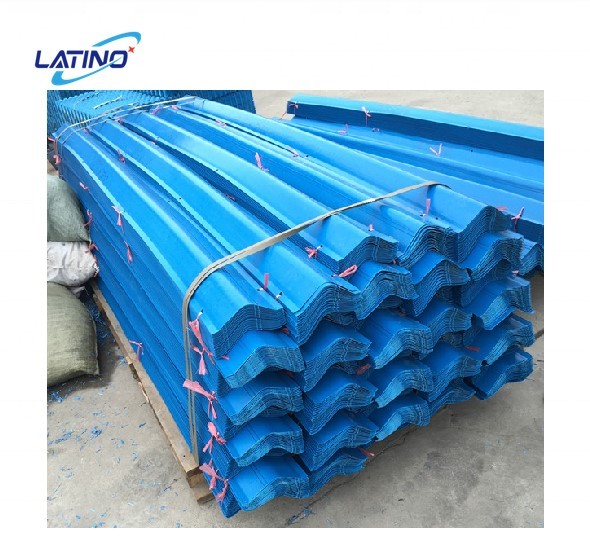
FRP drift eliminators are built for strength and endurance. Think of them as the heavy-duty option.
FRP (Fiber Reinforced Plastic) provides:
High mechanical strength
Excellent resistance to high temperatures
Strong structural rigidity
Long service life in harsh environments
FRP is often selected where operating conditions push materials to their limits.
FRP drift eliminators are typically used in:
Power plants
Petrochemical facilities
Heavy industrial cooling towers
High-temperature or corrosive environments
FRP drift eliminators outperform PVC in terms of mechanical strength and temperature resistance. PVC, however, is strong enough for most standard cooling tower applications.
PVC drift eliminators are significantly lighter, which means:
Easier handling
Faster installation
Lower labor costs
FRP units require stronger support structures and more installation effort.
Both PVC and FRP drift eliminators can achieve excellent drift reduction when properly designed. In practice, blade geometry and airflow design matter more than material alone.
PVC drift eliminators usually create lower pressure drop, allowing fans to operate more efficiently.
Lower pressure drop translates directly into lower energy consumption—an important advantage for long-running cooling tower systems.

PVC performs very well with most cooling tower water treatment chemicals but can soften at sustained high temperatures. FRP handles extreme chemical and thermal conditions more effectively.
PVC drift eliminators are easy to inspect, clean, and replace. FRP drift eliminators typically last longer but are more expensive and complex to repair if damaged.
PVC Drift Eliminators: Lower initial cost, lower installation cost, excellent energy efficiency
FRP Drift Eliminators: Higher upfront cost, longer lifespan in extreme environments
The best value depends on operating conditions, not just purchase price.
Choose PVC drift eliminators if:
Energy efficiency is a priority
Operating temperatures are moderate
Budget and ease of maintenance matter
Choose FRP drift eliminators if:
The environment is harsh or corrosive
Operating temperatures are high
Structural strength is critical
Choosing the right manufacturer is just as important as choosing the right material. Mach Cooling (https://www.machcooling.com/) designs and manufactures both PVC and FRP drift eliminators optimized for real-world cooling tower performance.
Mach Cooling solutions focus on:
Advanced blade profiles
Low pressure drop design
Application-specific material selection
Long-term reliability and compliance
This ensures consistent drift control, energy efficiency, and durability.
The industry is moving toward:
Improved aerodynamic designs
Hybrid material solutions
Enhanced UV and chemical resistance
Manufacturers like Mach Cooling are already integrating these innovations into next-generation cooling tower components.
When comparing PVC drift eliminators vs FRP drift eliminators, there is no universal winner. PVC excels in efficiency, affordability, and ease of installation. FRP dominates in strength and performance under extreme conditions.
The smartest choice depends on your cooling tower’s operating environment—and working with an experienced supplier like Mach Cooling ensures you get a solution that performs reliably for years to come.