We Provide Cooling Tower Solution

Views: 0 Author: Site Editor Publish Time: 2026-01-10 Origin: Site


Industrial cooling towers are the unsung heroes of manufacturing, power generation, and HVAC systems. Think of them as the lungs of your industrial process—they breathe out heat to keep everything running smoothly. But even the best-designed cooling tower will underperform if installed incorrectly. Improper installation can lead to inefficiency, excessive energy consumption, premature equipment wear, and even safety hazards.
Installing a cooling tower is more than stacking components—it’s about engineering, planning, and precision, all combined. In this guide, we’ll explore the key considerations for industrial cooling tower installation and share insights from Mach Cooling to ensure optimal performance.
Cooling towers come in multiple configurations:
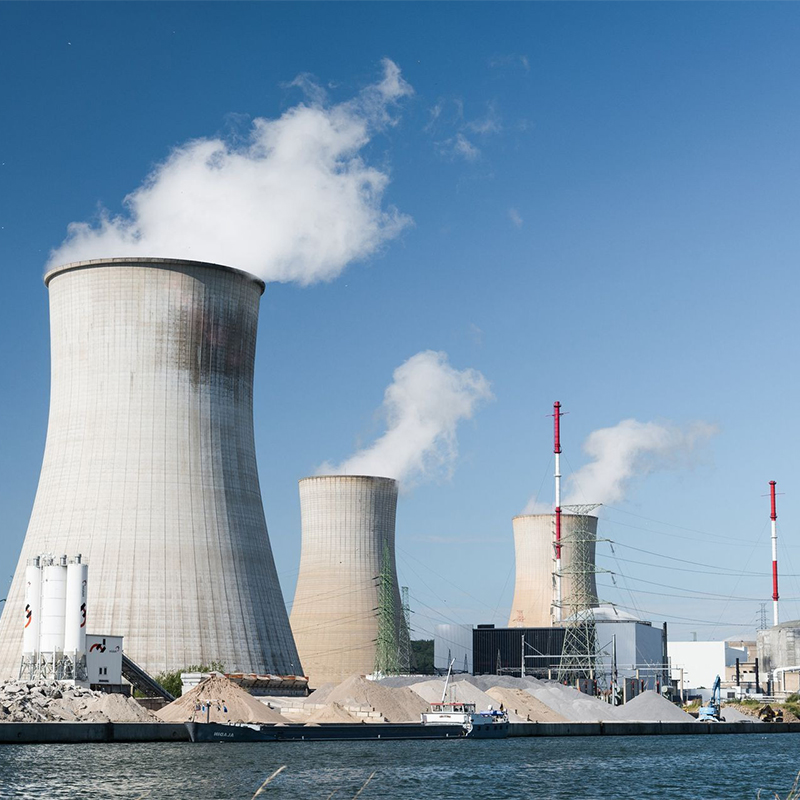
Natural Draft Towers: Large, chimney-like towers relying on natural airflow.
Mechanical Draft Towers: Use fans to move air through the system, including induced draft and forced draft models.
Crossflow vs. Counterflow Designs: Airflow and water paths differ, impacting efficiency and installation requirements.
Major components include:
Tower shell and frame
Fill media for heat exchange
Fans, motors, and drive systems
Basin, drift eliminators, and water distribution piping
Each component requires careful handling and precise alignment during installation.
Choosing the right location is crucial. Consider:
Proximity to heat-generating equipment
Adequate airflow and ventilation
Accessibility for maintenance and inspection
Poor site selection can reduce efficiency or increase operational risks.
A cooling tower must rest on a solid, vibration-free foundation. Concrete slabs or steel supports should be designed for load-bearing capacity, including water weight, fans, and structural elements.
Compliance with local regulations
Noise and emissions control
Wind, rain, and seismic load considerations
These factors protect both equipment and personnel.
Calculate expected water flow, heat rejection, and operational load. Proper sizing avoids undersized or oversized towers, which can lead to inefficiency or equipment stress.
Choose corrosion-resistant materials like fiberglass, stainless steel, or treated steel depending on water chemistry and environmental conditions.
Installation must consider:
Piping systems
Pumps and valves
Electrical connections
Water treatment integration
Coordination avoids clashes and delays during installation.
Level the ground, pour concrete, and cure properly. Ensure anchors are placed precisely according to the tower design.
Assemble the frame and shell components, install fill media, and secure drift eliminators. Large towers may require cranes and rigging for heavy sections.
Install fan motors, drives, and safety devices. Proper alignment reduces vibration and wear.
Connect supply and return lines, check nozzle alignment, and ensure uniform water distribution across the fill.
Verify system flow rates, pressure drops, and leak-free connections.
Confirm that all fans run smoothly, bearings are lubricated, and vibration is minimal.
Perform operational tests under full load, ensure alarms and safety interlocks function, and measure heat rejection performance.
Industrial sites may have tight spaces. Modular assembly or pre-fabricated components help overcome these issues.
Heavy components require cranes, proper staging areas, and safety planning to move and assemble efficiently.
Rain, extreme temperatures, and wind can delay installation. Schedule construction considering local climate patterns.
Plan for future maintenance by ensuring:
Safe access platforms and ladders
Easy filter and fill media replacement
Space for inspection and cleaning equipment
Early planning reduces downtime and operational issues later.
Proper installation directly affects efficiency:
Correct fan and motor alignment saves energy
Uniform water distribution improves heat transfer
Minimizing leaks reduces unnecessary pumping costs
Efficient installation translates to long-term energy savings.
At Mach Cooling (https://www.machcooling.com/), installation begins with engineering support. Their services include:
Custom site evaluation
Detailed installation planning
Turnkey assembly and commissioning
Post-installation support and maintenance guidance
Partnering with a professional manufacturer ensures the tower operates safely, efficiently, and reliably from day one.
Industrial cooling tower installation is a complex process that impacts performance, efficiency, and longevity. By planning carefully, considering site, structural, and system requirements, and working with an experienced manufacturer like Mach Cooling, you can ensure your cooling tower runs efficiently and reliably for years.
Proper installation isn’t just about assembling parts—it’s the foundation for a high-performance, energy-efficient, and safe cooling system.