We Provide Cooling Tower Solution

Views: 0 Author: Site Editor Publish Time: 2026-02-25 Origin: Site


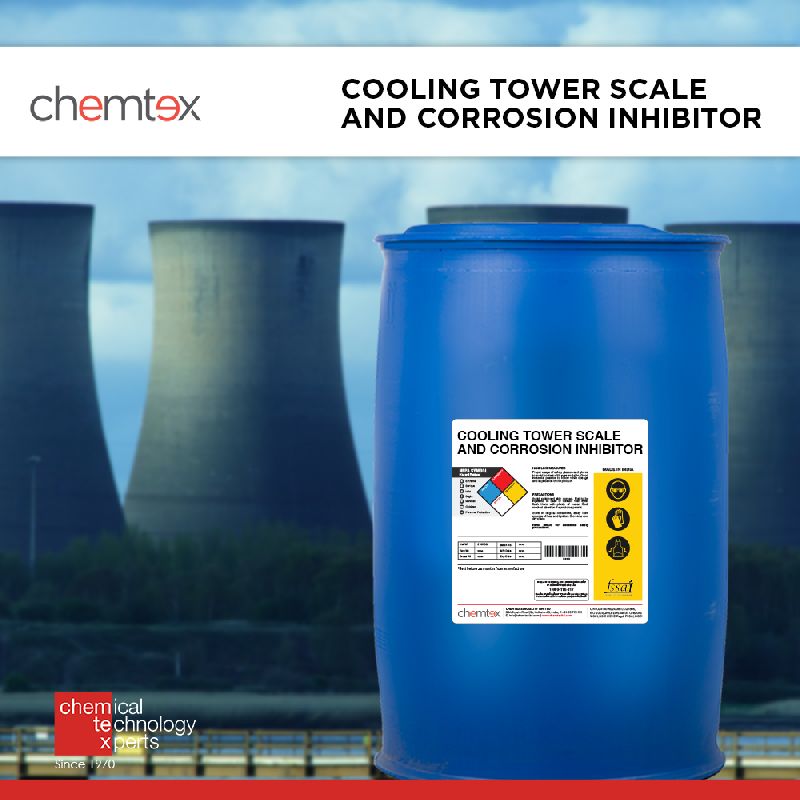
Maintaining a cooling tower doesn’t have to break the bank—yet too many facility managers still grapple with high operational costs, unexpected breakdowns, and shortened equipment lifespans. One of the smartest ways to cut maintenance costs? Using cooling tower scale and corrosion inhibitors—chemical compounds designed to protect your system from the silent killers that erode performance: scale buildup and corrosion.
In this article, we’re diving into exactly how these inhibitors work, why they matter, and most importantly—how they help you save money in the long run.
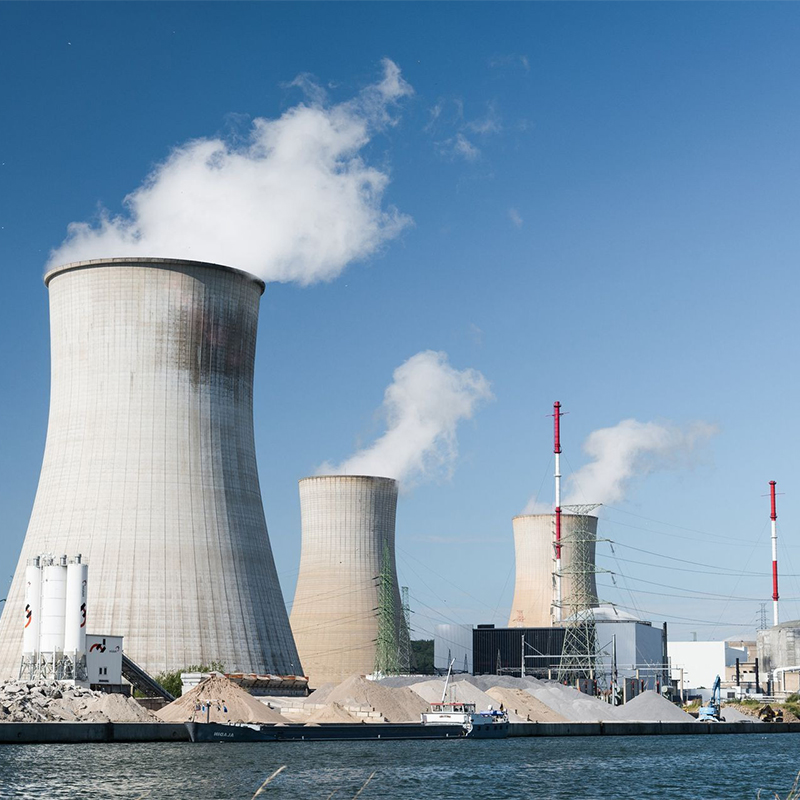
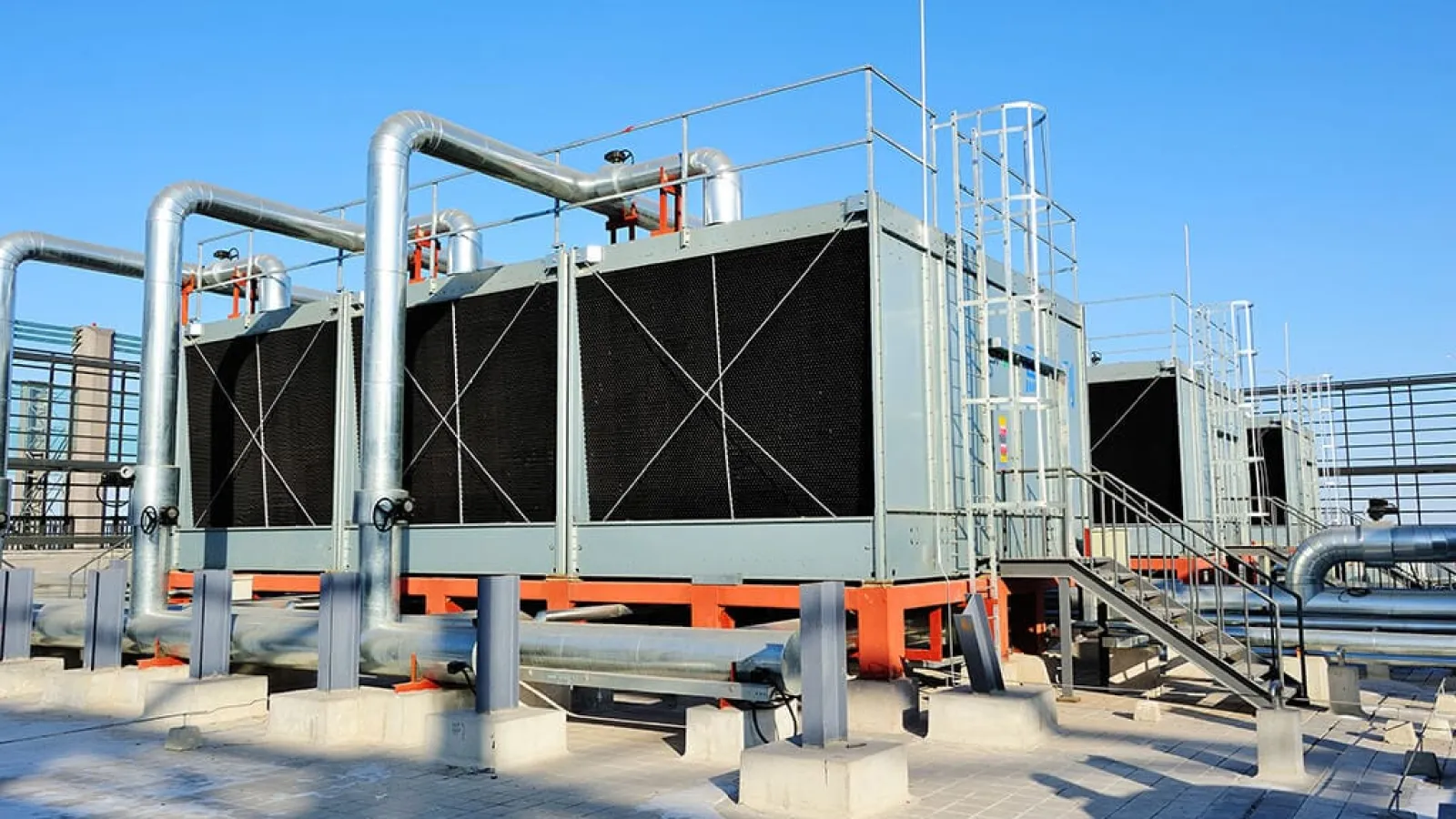
Cooling towers are essential in industries ranging from manufacturing to commercial HVAC systems. They remove excess heat from water circulated through heat-generating equipment. But when scale and corrosion take hold, efficiency plummets and repair bills climb. Sound familiar?
Here’s the good news: with targeted water treatment strategies like scale and corrosion inhibitors, you can mitigate these issues before they cost you time and money.
Before you can solve a problem, you have to understand it.
Scale is hard, chalky buildup inside pipes and heat exchangers. It forms when dissolved minerals—like calcium and magnesium—precipitate out of the water and adhere to surfaces.
Think of scale like tartar buildup on teeth—once it’s there, it’s hard to remove and interferes with performance.
Corrosion results from chemical reactions between metal surfaces and water. Oxygen, fluctuating pH levels, and impurities accelerate this process. Over time, metal surfaces thin, leak, and fail. That means expensive repairs or replacements—not fun.
Ignoring scale and corrosion isn’t saving you money—it’s costing you in ways you might not see yet:
Scale acts like insulation. Instead of transferring heat efficiently, water has to work harder. Your system consumes more energy and delivers less performance.
Corroded parts fail prematurely. Pumps, valves, and heat exchangers wear out faster, leading to unplanned downtime and parts replacement costs.
Systems impacted by scale and corrosion are less efficient, meaning your fans and pumps work overtime—leading to higher utility bills.
So what exactly are these inhibitors, and how do they help?
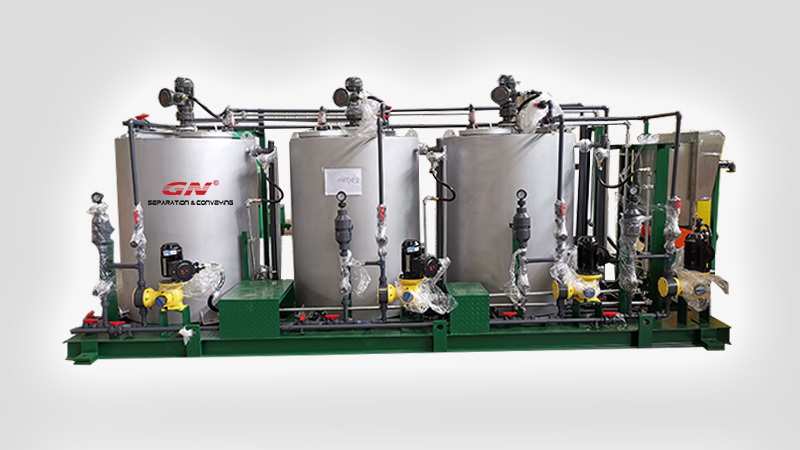
Scale inhibitors are chemicals that interfere with mineral buildup. Instead of letting minerals stick to surfaces, these compounds either hold them in suspension or prevent crystal growth. The results:
Less scale buildup
More efficient heat transfer
Lower cleaning frequency
Corrosion inhibitors form a thin, protective film on metal surfaces. This film blocks reactions between the metal and corrosive elements in the water—kind of like a shield protecting your equipment.
Let’s talk savings—because that’s what you’re really here for.
When scale and corrosion are controlled, components last longer. That means fewer replacements and fewer emergency repairs.
Less buildup means less cleaning. Maintenance crews can spend time on other critical tasks—not scraping off mineral deposits.
With good water treatment, heat transfer stays optimized, pumps don’t overwork, and energy bills shrink. Inhibitors pay for themselves fast.
Not all treatment programs are created equal. The most effective programs are tailored to your system.
Before you pick a treatment, analyze your water. Hardness, pH, mineral content, and temperature all influence what kind of inhibitor works best.
Your water chemistry is unique—and your inhibitor program should be too. Work with water treatment specialists to customize levels and dosages that match your system’s demands.
Even the best inhibitors won’t work if they’re used incorrectly.
Routine testing and careful monitoring ensure your inhibitor levels stay effective—without wasting chemicals.
Training your team to understand why inhibitors matter—and how to handle them safely—makes your program more successful at every level.
Imagine a facility plagued by constant scaling issues, where pipes had to be cleaned monthly. After implementing a tailored inhibitor program, scale buildup was minimized, heat exchange improved by over 20%, and maintenance frequency dropped from monthly to quarterly.
The result? Thousands of dollars saved annually in labor, parts, and reduced energy costs.
Let’s clear the air.
❗️Myth: Inhibitors are expensive.
✅ Fact: The cost of prevention is far less than the cost of reactive maintenance and early equipment replacement.
❗️Myth: You don’t need inhibitors if you clean regularly.
✅ Fact: Cleaning is reactive—treatment is proactive.
Reducing maintenance costs in cooling towers doesn’t have to be hard. With the right scale and corrosion inhibitors, you can:
✅ Reduce scale buildup
✅ Slow corrosion
✅ Extend equipment life
✅ Decrease downtime
✅ Save on energy and labor costs
If you’re serious about operational efficiency and long-term savings, effective water treatment isn’t optional—it’s essential.
Partnering with a trusted provider like Mach Cooling can make implementing a tailored inhibitor program seamless and cost-effective.
1. What’s the difference between scale and corrosion inhibitors?
Scale inhibitors prevent mineral buildup, while corrosion inhibitors protect metal surfaces from degrading.
2. How often should cooling tower water be tested?
Weekly to monthly, depending on system load and environmental conditions.
3. Can inhibitors eliminate all maintenance needs?
No—but they drastically reduce frequency and extend the life of your equipment.
4. Are chemical inhibitors safe for the environment?
When dosed correctly and monitored, most modern inhibitors are designed with environmental safety in mind.
5. How fast can I see results after using inhibitors?
Many facilities notice improved performance within weeks—sometimes days—of proper implementation.