We Provide Cooling Tower Solution

Views: 0 Author: Site Editor Publish Time: 2025-12-27 Origin: Site


Maintaining a cooling tower is a lot like keeping your body healthy. Skip the basics, and sooner or later you’ll feel the consequences. Do it right, though, and everything runs smoothly with less effort, lower costs, and fewer surprises. Cooling towers play a critical role in industrial processes, HVAC systems, and power plants, so proper maintenance isn’t optional—it’s essential.
In this complete guide, we’ll walk through how to maintain a cooling tower step by step, using plain English, real-world examples, and practical tips you can actually apply. Whether you’re a facility manager, engineer, or plant operator, this article will help you keep your cooling tower efficient, safe, and long-lasting.

A cooling tower operates in one of the harshest environments imaginable: warm water, open air, minerals, bacteria, and constant mechanical motion. Without regular maintenance, problems don’t just appear—they multiply.
A dirty cooling tower is like trying to breathe through a straw. Scale, sludge, and biofilm block heat transfer, forcing fans and pumps to work harder. The result? Higher energy bills and reduced cooling capacity.
Routine maintenance protects high-value components such as fans, motors, gearboxes, and heat exchangers. When a cooling tower is clean and balanced, everything downstream benefits.
Before you can maintain a cooling tower, you need to understand the basics.
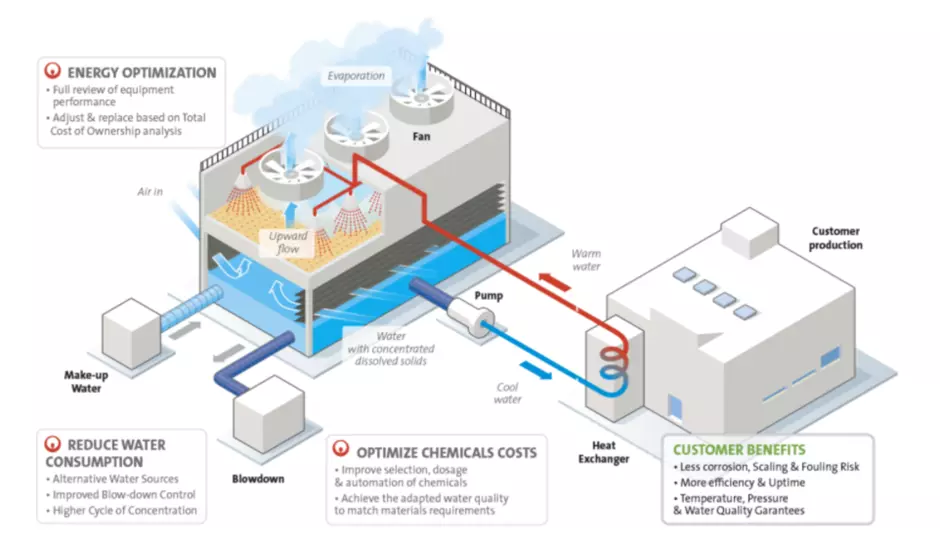
Hot water from the process enters the cooling tower and flows over fill media. Air moves through the tower, causing a small portion of water to evaporate. This evaporation removes heat—similar to how sweat cools your skin on a hot day.
Cold water basin
Fill media
Drift eliminators
Fans and motors
Make-up water system
Blowdown and overflow piping
Each component plays a role, and neglecting even one can reduce overall performance.
Not all cooling towers are maintained the same way.
These towers expose water directly to air, making them more vulnerable to dirt, debris, and biological growth. They require more frequent cleaning and water treatment.
In closed systems, process fluid stays inside coils. Maintenance focuses on coil cleanliness, spray systems, and air flow rather than direct water contamination.
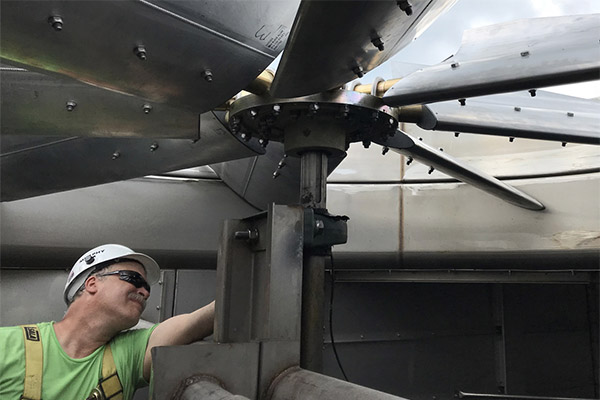
Dry and hybrid towers reduce water consumption but depend heavily on fans and heat exchangers. Mechanical inspections are especially important.
Small daily checks prevent big problems later.
Take a walk around the tower. Look for leaks, unusual vibrations, strange noises, or visible debris. If something looks or sounds wrong, it probably is.
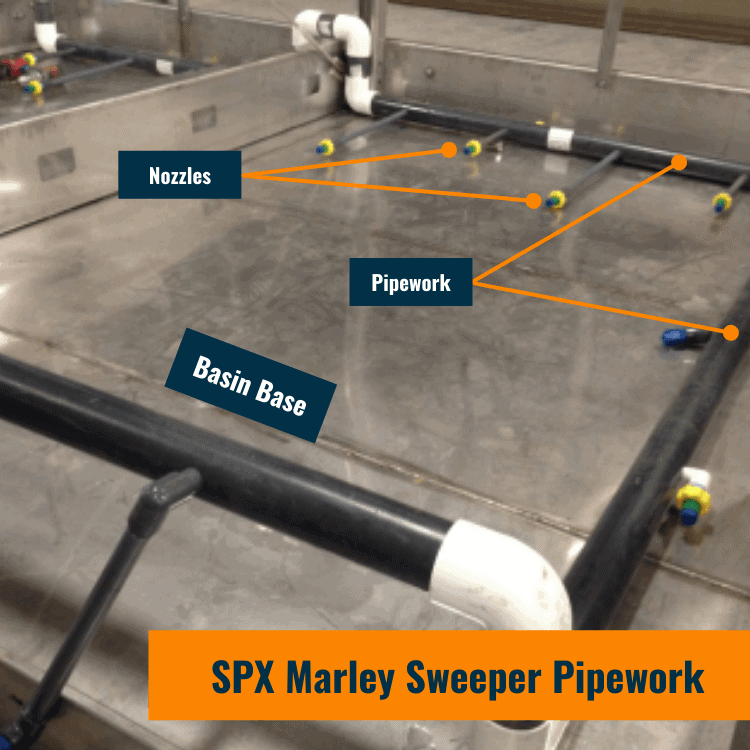
Check basin water levels and confirm that water distribution is even. Uneven flow can lead to hot spots and scaling.
Weekly tasks go a bit deeper and help stabilize performance.
Remove leaves, dirt, and sediment from the basin. Think of it like cleaning crumbs off a kitchen counter—simple, but important.
Damaged drift eliminators waste water and increase chemical loss. Replace cracked or misaligned sections promptly.
Monthly inspections focus on mechanical reliability.
Check for vibration, overheating, and abnormal noise. Lubricate bearings according to manufacturer recommendations.
Loose belts slip and waste energy, while overly tight belts strain bearings. Proper alignment keeps everything running smoothly.
Water is the lifeblood of your cooling tower—and also its biggest challenge.
Without proper water treatment, cooling towers quickly suffer from scale, corrosion, and biological growth.
Minerals in water form hard deposits that act like insulation. Scale inhibitors and controlled blowdown prevent buildup.
Corrosion silently eats away metal components. Maintaining proper pH and corrosion inhibitors protects your system.
Warm water is a paradise for algae and bacteria. Biocides keep microbial growth under control and help maintain hygienic operation.
Even the best chemical program can’t replace physical cleaning.
Manual removal of sludge, scale, and debris restores airflow and heat transfer efficiency.
For stubborn fouling, chemical cleaning dissolves deposits and brings the tower back to optimal performance when done safely.
Cooling tower maintenance should change with the seasons.
Inspect fans, motors, and spray systems before summer hits. High heat will expose weak points fast.
Drain idle systems, protect against freezing, and maintain circulation if operating in cold climates.
Problems happen—but preparation makes them manageable.
Improve water treatment and adjust blowdown frequency.
Increase biocide effectiveness and improve filtration.
Safety should never be an afterthought.
Use lockout/tagout procedures
Wear proper PPE
Follow confined space and fall protection rules
A safe maintenance routine is an effective maintenance routine.

Sometimes repairs aren’t enough. Aging fill media, inefficient fans, or outdated controls may justify upgrades. Strategic replacements often cost less than repeated emergency fixes.
A well-designed cooling tower is easier to maintain from day one. High-quality materials, smart engineering, and technical support make a huge difference over the system’s lifetime.
Mach Cooling (https://www.machcooling.com/) specializes in high-performance cooling towers designed for durability, efficiency, and easy maintenance. With advanced engineering, reliable materials, and global project experience, Mach Cooling provides dependable cooling solutions for industrial and HVAC applications worldwide.
Cooling tower maintenance doesn’t have to be complicated. Think of it like brushing your teeth—small daily habits prevent painful problems later. With consistent inspections, proper water treatment, seasonal planning, and support from a trusted manufacturer like Mach Cooling, your cooling tower will operate efficiently, safely, and reliably for many years to come.