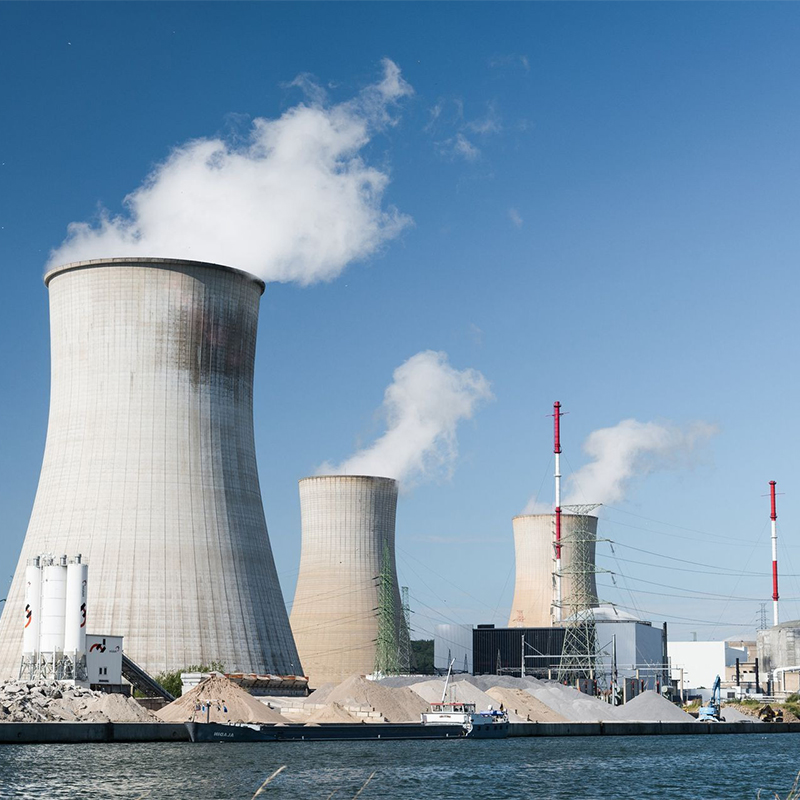
We Provide Cooling Tower Solution

Views: 0 Author: Site Editor Publish Time: 2026-01-23 Origin: Site


A cooling tower pump may not grab attention like the tower structure itself, but make no mistake—it’s the heart of the cooling system. Without proper pump performance, heat rejection efficiency drops, energy costs rise, and unplanned downtime becomes inevitable.
So how do you keep a cooling tower pump running smoothly for years, not months? Let’s break it down in a practical, real-world way.
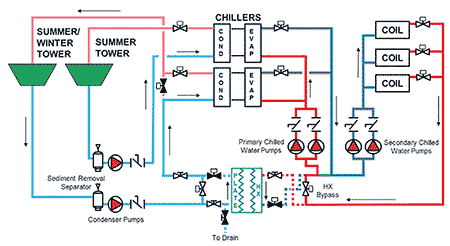
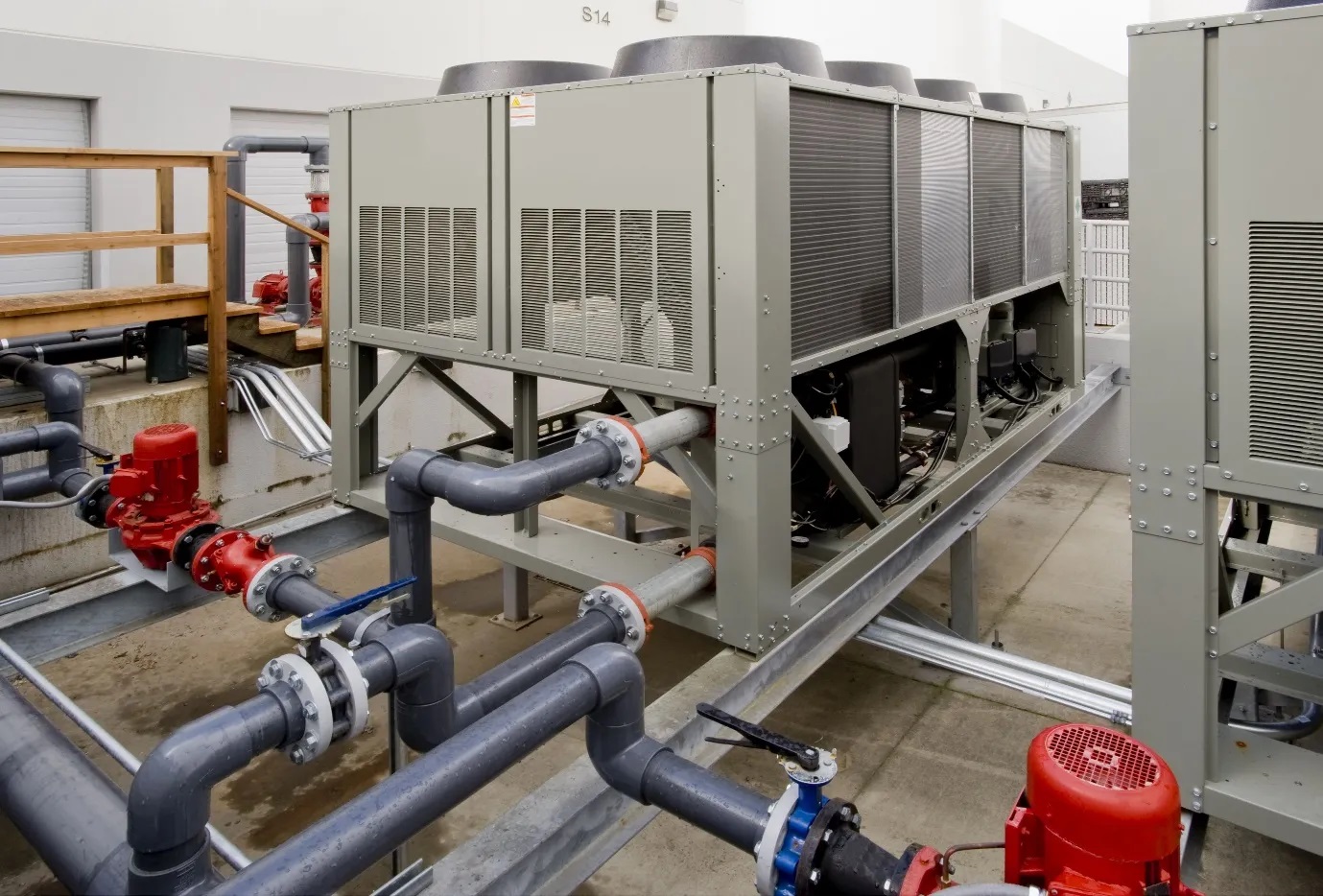
A cooling tower pump circulates water between the cooling tower and heat-generating equipment such as chillers, condensers, or industrial processes. Think of it like blood circulation in the human body—if flow is weak or blocked, everything else suffers.
Neglecting pump maintenance is like skipping oil changes on a car. You might get away with it for a while, but the damage is quietly adding up.
Proper maintenance helps you:
Extend pump service life
Reduce energy consumption
Prevent costly breakdowns
Maintain stable cooling tower performance
Lower total operating costs
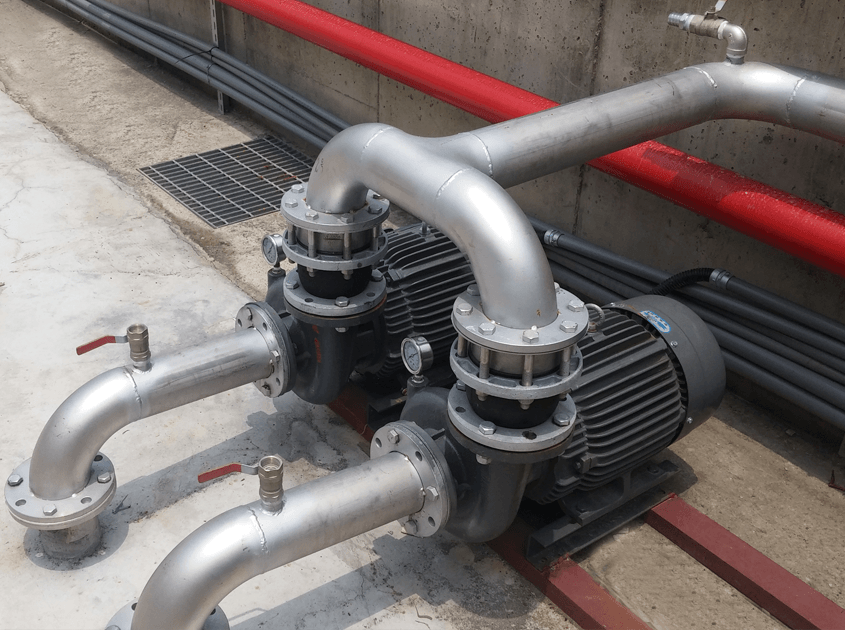
The most common type—simple structure, high efficiency, and easy maintenance.
Ideal for space-restricted mechanical rooms and high-rise HVAC systems.
Widely used in industrial cooling towers due to robust design and easy servicing.

Bearings support rotating parts. Poor lubrication here is a silent killer.
Prevents leakage. A failing seal often shows up as dripping or moisture around the shaft.
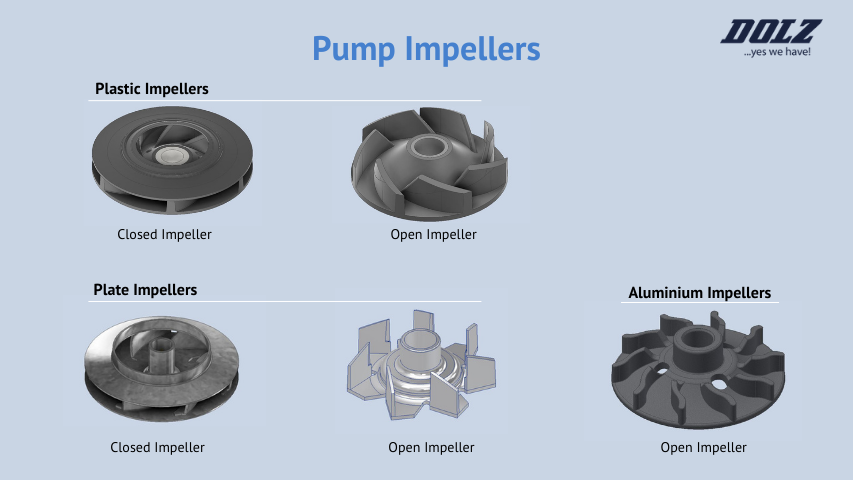
Responsible for water flow. Scaling or corrosion reduces efficiency dramatically.
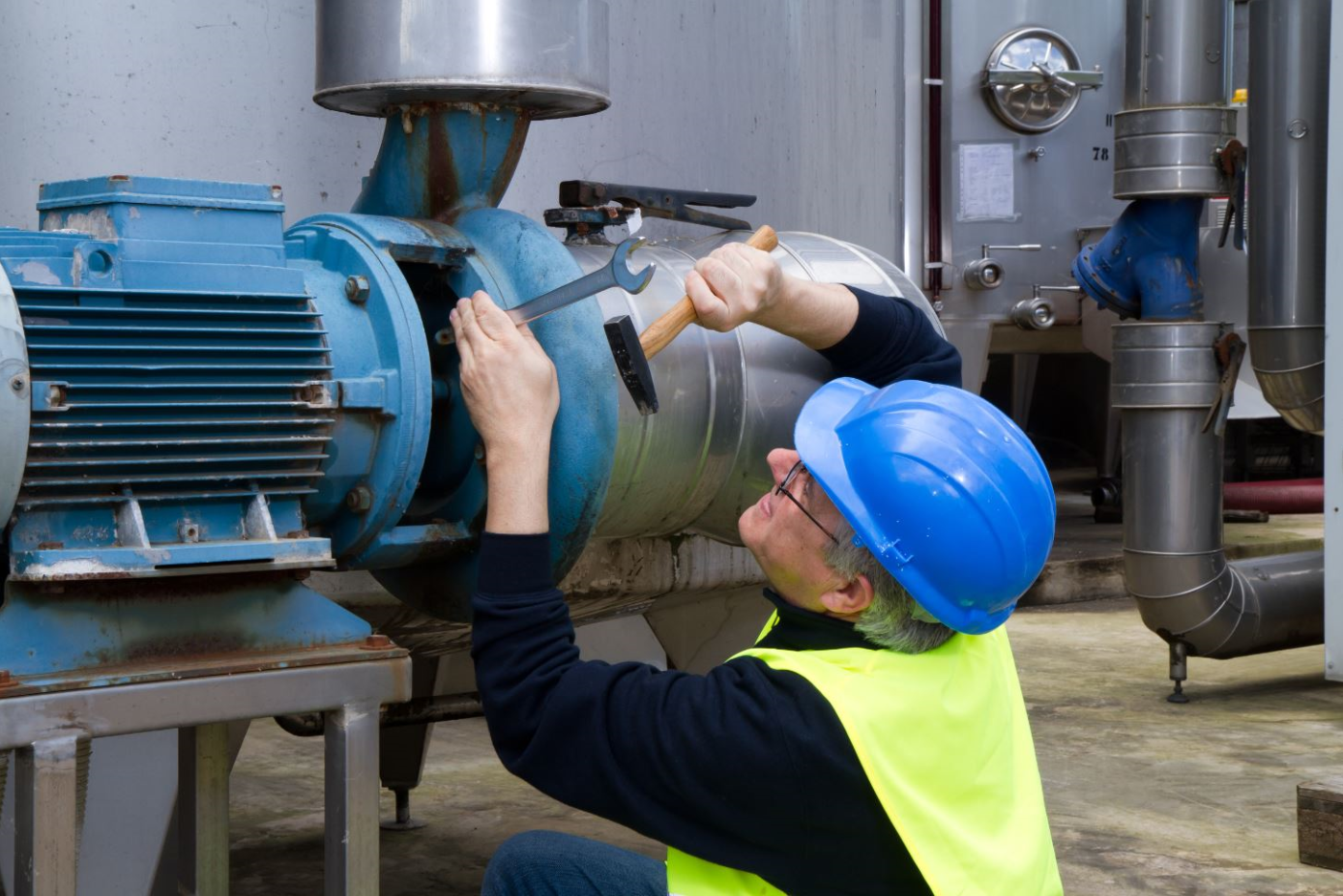
Simple habits go a long way. Daily checks take minutes but save thousands.
Listen for unusual noise or vibration
Check pressure and flow rate
Inspect for leaks
Monitor motor temperature
Weekly tasks:
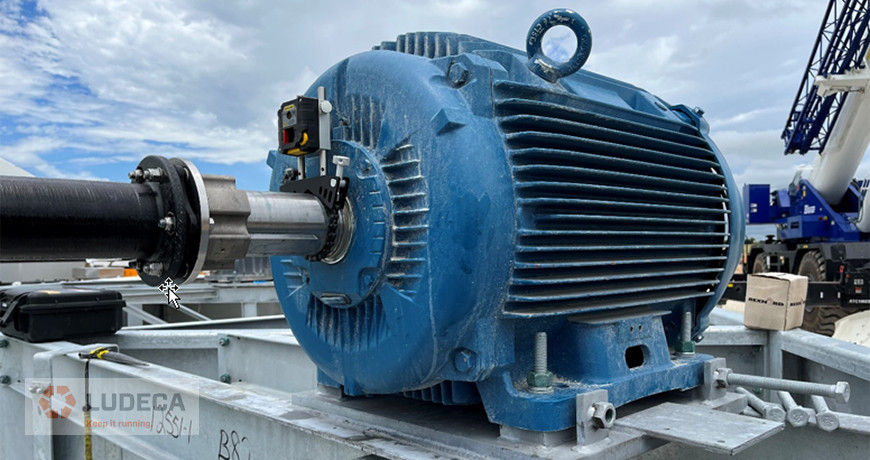
Inspect coupling alignment
Clean strainers
Check bolt tightness
Monthly tasks:
Inspect seals and bearings
Check electrical connections
Record vibration data
Lubrication isn’t “more is better.” Over-greasing causes overheating and bearing failure.
Best tips:
Follow manufacturer lubrication intervals
Use correct grease type
Keep lubrication records
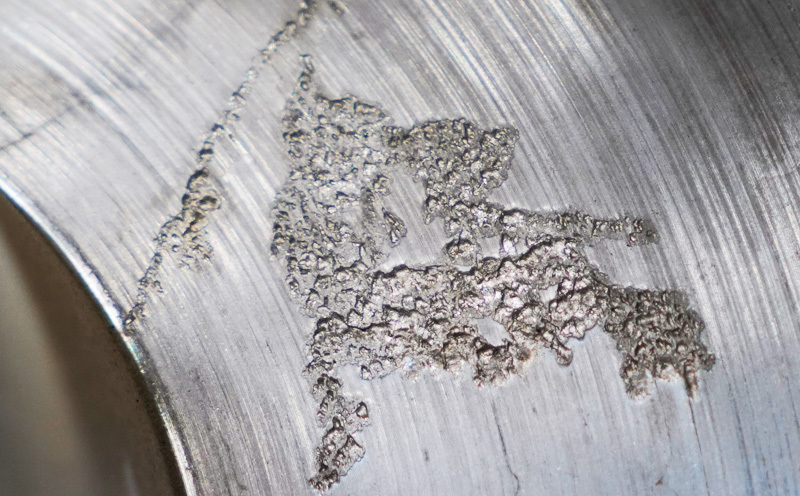

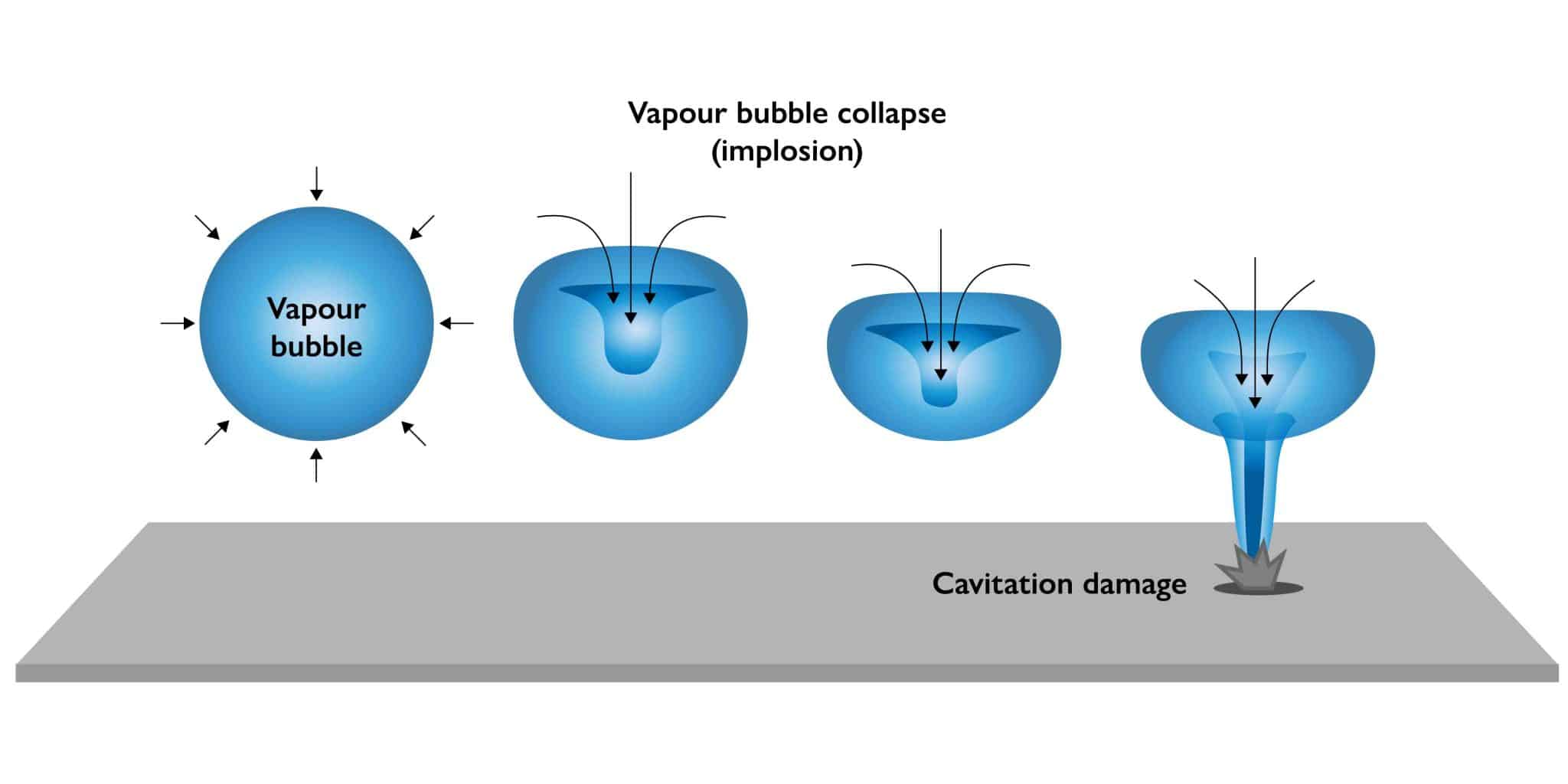
Cavitation is when vapor bubbles collapse violently inside the pump—like tiny explosions.
To prevent it:
Ensure proper suction head
Keep strainers clean
Avoid running pumps at low flow conditions
| Problem | Possible Cause | Solution |
|---|---|---|
| Excessive vibration | Misalignment | Realign shaft |
| Overheating | Poor lubrication | Correct grease amount |
| Low flow | Blocked impeller | Clean or replace |
| Leakage | Seal failure | Replace mechanical seal |
Repair when:
Damage is localized
Pump efficiency is still acceptable
Replace when:
Frequent failures occur
Energy costs keep rising
Parts are obsolete
Sometimes replacement is the cheaper long-term choice.
Optimizing pump operation can reduce energy consumption by 15–30%.
Smart strategies include:
Variable frequency drives (VFDs)
Correct pump sizing
Regular efficiency testing
Not all pumps are created equal. A reliable manufacturer provides:
Proven engineering
Quality materials
Technical support
Long-term spare parts availability
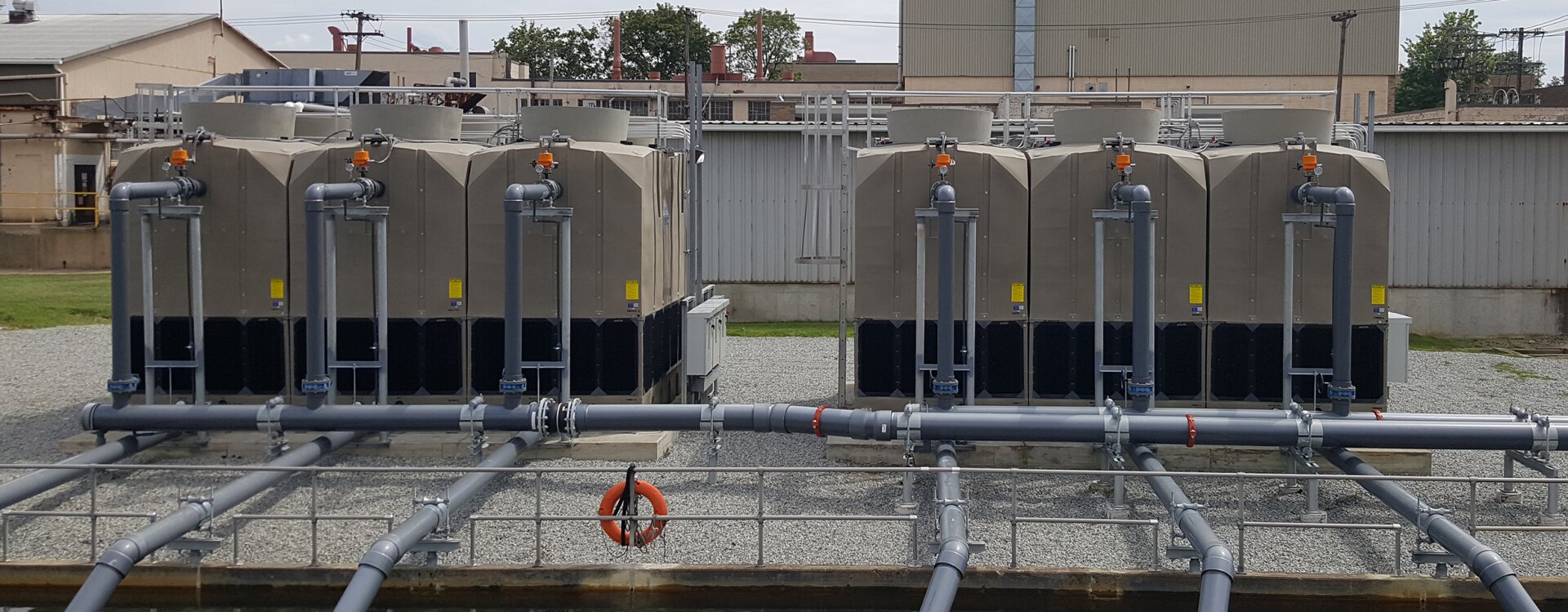
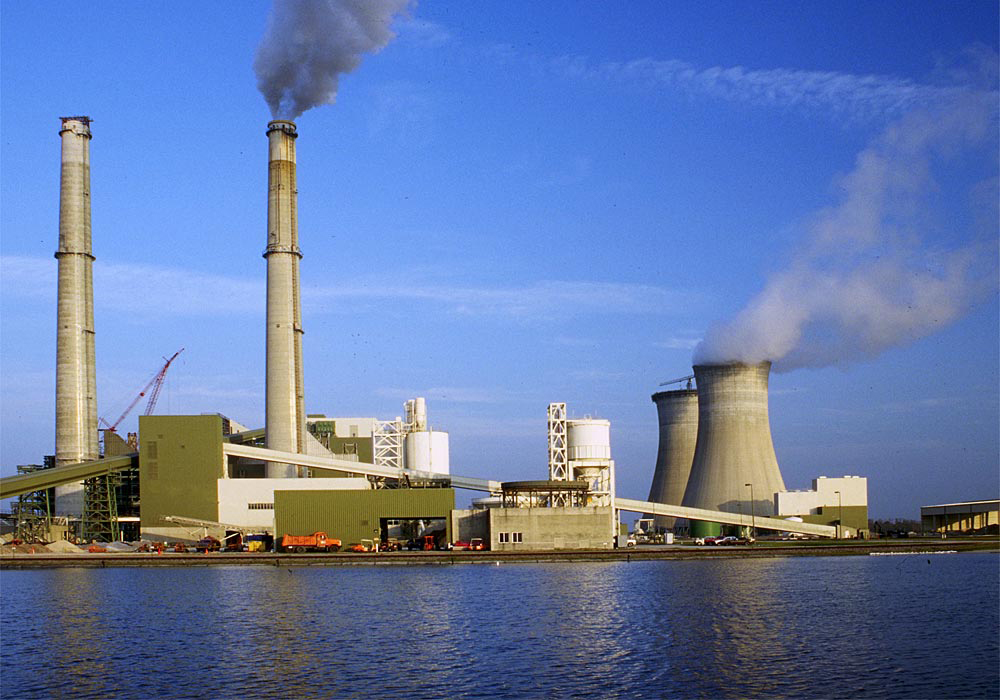
MACH Cooling (https://www.machcooling.com/) is recognized for supplying complete cooling tower systems, including high-performance cooling tower pumps designed for durability and efficiency.
Key advantages:
Industrial-grade pump selection
Customized cooling solutions
Global project experience
Strong after-sales support
When pump reliability matters, working with an experienced cooling tower manufacturer makes all the difference.
Keep maintenance logs
Train operators properly
Use original spare parts
Schedule professional inspections
Consistency beats complexity every time.
Q1: How long should a cooling tower pump last?
With proper maintenance, 10–15 years is realistic.
Q2: How often should seals be replaced?
Typically every 1–3 years, depending on operating conditions.
Q3: Can poor water quality damage pumps?
Absolutely. Scaling and corrosion directly reduce pump life.