We Provide Cooling Tower Solution

Views: 0 Author: Site Editor Publish Time: 2026-01-30 Origin: Site


Efficient water management is critical for industrial cooling towers. Poor water efficiency not only drives up operational costs but also increases environmental impact. Enter smart monitoring systems—modern solutions that use sensors, analytics, and automation to optimize water usage. By integrating these systems, facilities can significantly reduce waste, prevent scaling and corrosion, and maintain consistent performance.
Partnering with experienced companies like Mach Cooling ensures your cooling towers operate at peak efficiency while complying with environmental and regulatory standards.

Cooling towers consume large volumes of water daily. Without proper management, much of this water can be wasted through inefficient operation, evaporation, and blowdown. High water consumption translates into higher costs, increased chemical usage, and unnecessary environmental stress.
Optimizing cooling tower water efficiency is no longer optional—it’s a business imperative, particularly for industries like food & beverage, data centers, and heavy manufacturing.
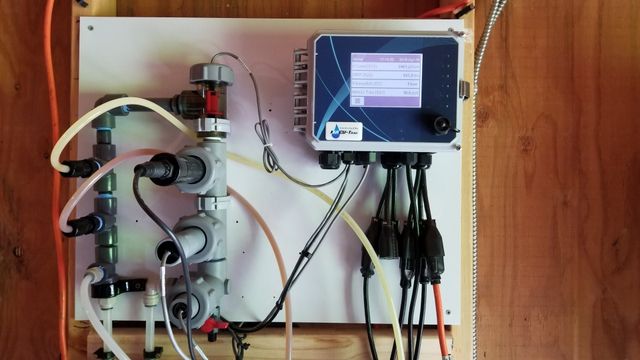
Smart monitoring involves integrating IoT-enabled sensors, automated data collection, and predictive analytics into cooling tower systems. These systems continuously track:
Water temperature and flow rates
Conductivity and chemical levels
Corrosion and scaling potential
Energy usage
With real-time insights, operators can make data-driven decisions that optimize water cycles, reduce chemical consumption, and prevent costly downtime.
Water efficiency affects more than just utility bills. Inefficient water use can:
Reduce heat transfer efficiency
Increase the frequency of maintenance
Accelerate wear and corrosion of tower components
Raise operational and environmental costs
Incorporating smart monitoring ensures water is used wisely, chemicals are optimized, and heat exchange operates at peak performance.
Mineral buildup from hard water reduces heat transfer efficiency, requiring more water and energy to maintain temperatures.
Chemical imbalances can lead to corrosion, causing leaks and shortened equipment life.
Unchecked microbial growth threatens water quality, potentially creating safety hazards and inefficiencies.
Inefficient blowdown cycles and poor monitoring can lead to excess water use and wasted energy.
Advanced sensors track water chemistry, temperature, flow, and equipment health in real-time.
Data collected is analyzed to identify trends, predict problems, and optimize operations.
Early warnings allow operators to address potential issues before they escalate, preventing downtime and water waste.
By continuously measuring conductivity and water quality, smart systems minimize unnecessary blowdown, conserving water.
Predictive analytics detect early signs of scale or corrosion, enabling timely chemical adjustments.
Smart dosing systems optimize chemical inputs, lowering costs while ensuring safe water conditions.
Well-maintained water quality improves thermal exchange, reducing the energy required for cooling.
Mach Cooling implemented IoT-enabled sensors and predictive analytics, reducing water consumption by 20% while preventing microbial growth in the cooling loops.
A large data center integrated smart monitoring to adjust blowdown cycles automatically, cutting chemical usage by 15% and improving energy efficiency by 10%.
Modern monitoring solutions should seamlessly connect to your current equipment without major modifications.
Dashboards and alerts allow operators to make quick decisions and generate compliance reports.
Reliable suppliers like Mach Cooling provide ongoing technical support, ensuring system longevity and optimal water efficiency.
AI-driven systems predict water chemistry changes, enabling automated preventive action.
Remote monitoring allows multi-site oversight, improving operational efficiency and water management.
Smart systems integrate eco-friendly chemicals and water reuse strategies, reducing environmental impact.

Mach Cooling specializes in smart cooling tower monitoring solutions that enhance water efficiency. Their services include:
IoT-based real-time monitoring
Predictive maintenance and analytics
Customizable treatment programs
Full compliance with environmental regulations
Learn more at https://www.machcooling.com/
Q1: How often should monitoring data be reviewed?
Data should be reviewed daily, with trend analysis weekly and monthly for compliance reporting.
Q2: Can smart monitoring reduce water treatment costs?
Yes. Optimized chemical dosing and minimized blowdown reduce both chemical and water expenses.
Q3: Is it compatible with older cooling towers?
Most smart monitoring systems can retrofit existing towers, providing immediate efficiency improvements.
Smart monitoring is transforming cooling tower operations. By providing real-time data, predictive analytics, and automated alerts, these systems significantly enhance cooling tower water efficiency, reduce operational costs, and support sustainability goals.
With Mach Cooling, industrial facilities gain a reliable partner to implement smart monitoring solutions, optimize water usage, and protect both equipment and the environment.