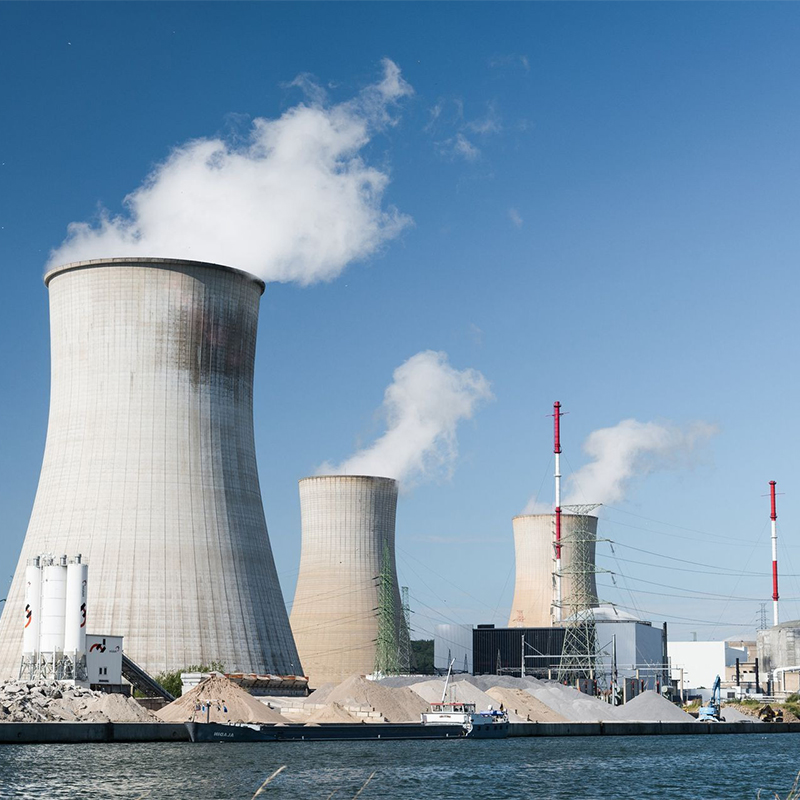
We Provide Cooling Tower Solution

Views: 0 Author: Site Editor Publish Time: 2026-01-22 Origin: Site


In any cooling tower system, the fan, motor, and gearbox work together like a well-rehearsed orchestra. When one instrument falls out of tune, performance drops, energy consumption rises, and failure becomes only a matter of time. That’s why fan, motor, and gearbox inspection is one of the most critical aspects of cooling tower operation.
This article provides a practical, industry-proven inspection guide used by operators, maintenance teams, and cooling tower manufacturers worldwide. Whether you manage an industrial plant, HVAC system, or power facility, this guide will help you inspect smarter, prevent failures, and extend equipment life.
A cooling tower may look like a static structure, but inside it’s constantly in motion. The fan pulls air, the motor delivers power, and the gearbox controls speed and torque. Together, they form the mechanical drive system.
Inspection focuses on:
Mechanical condition
Electrical health
Alignment and balance
Lubrication quality
Early failure indicators
Skipping inspections is like driving a car without checking the oil—everything seems fine until it suddenly isn’t.
Most unexpected cooling tower shutdowns don’t start with structural damage. They start quietly—with vibration, heat, or lubrication problems.
Regular inspection helps you:
Avoid unplanned downtime
Maintain stable airflow and heat rejection
Reduce repair and replacement costs
Improve energy efficiency
Extend the overall service life of the cooling tower
For industrial users, inspection is not a cost—it’s insurance.
Before inspecting individual components, it’s important to understand how they interact.
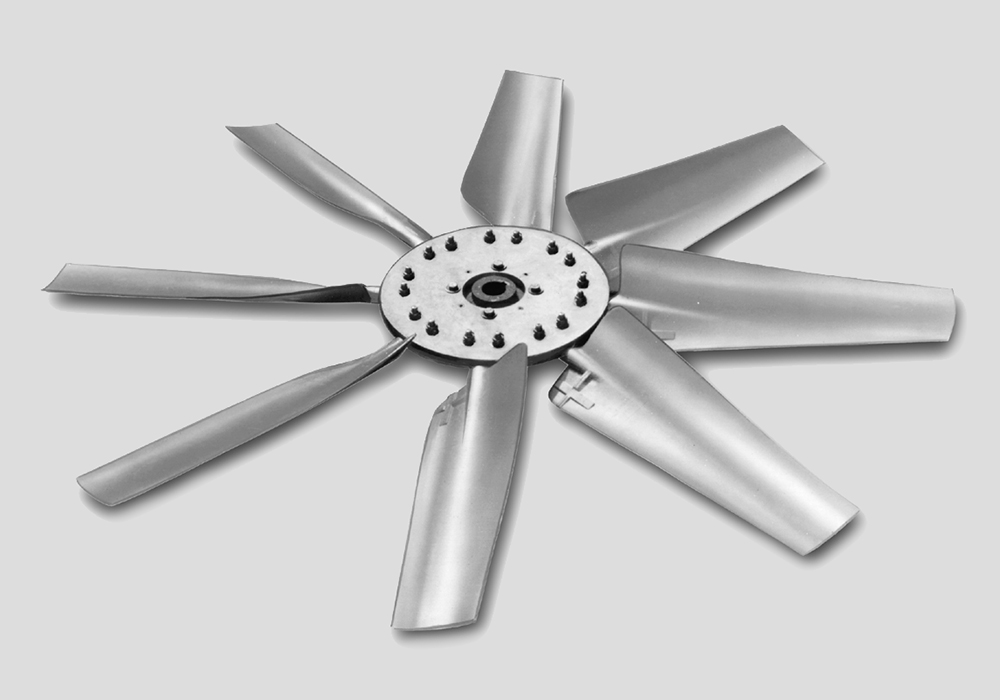
The fan moves air through the tower, enabling evaporation and heat transfer. Any defect in the fan directly reduces cooling performance.
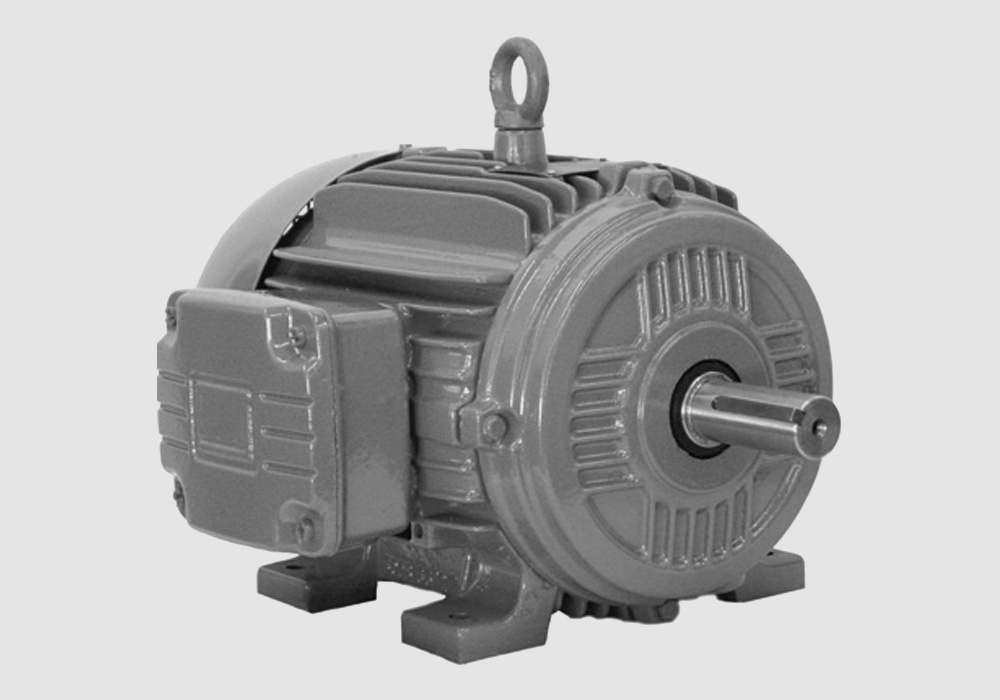
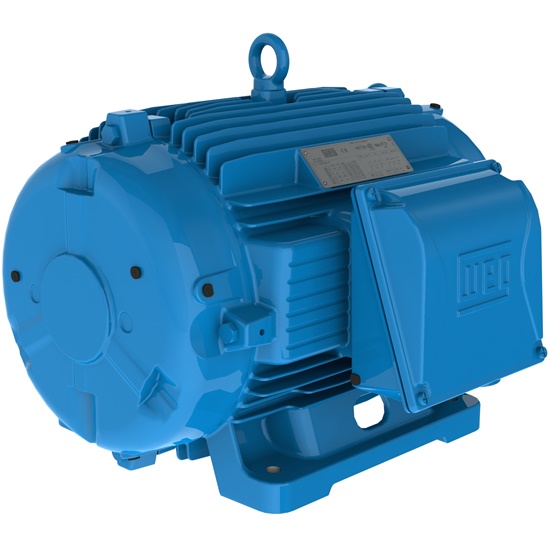
The motor converts electrical energy into mechanical motion. Motors must operate continuously in humid, harsh environments, making inspection essential.
The gearbox adjusts motor speed to the optimal fan RPM while increasing torque. It is one of the most expensive and sensitive components.
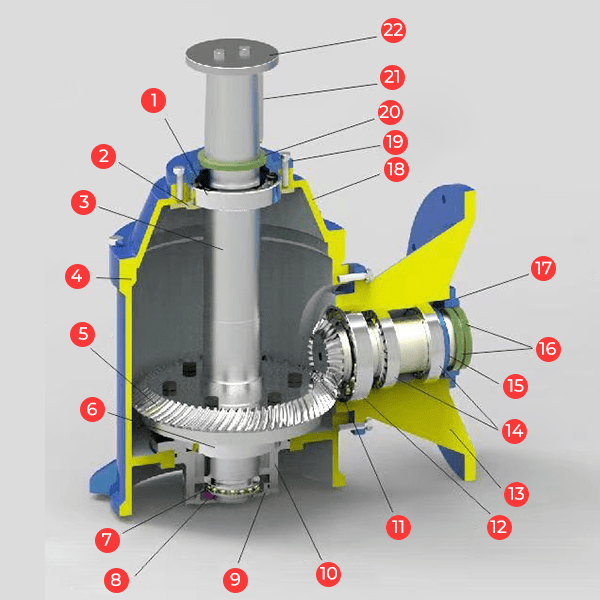

Fan-related failures are often mechanical and highly destructive if ignored.
Inspect blades for:
Cracks or fractures
Erosion on leading edges
UV or chemical degradation
Scale or debris buildup
Even small defects can lead to imbalance and vibration.
An unbalanced fan behaves like an off-center flywheel.
Watch for:
Excessive vibration
Uneven blade pitch
Shaft misalignment
Correcting balance early protects bearings, motors, and gearboxes.
Loose or corroded fasteners are a common failure point.
Ensure:
All bolts are torqued correctly
No corrosion at hub connections
No elongation or deformation of bolt holes
Motors usually give warning signs before failure—if you know what to look for.
Check:
Voltage and current balance
Insulation resistance
Terminal tightness
Signs of moisture ingress
Electrical imbalance increases heat and shortens motor life.
Bearings are often the first motor component to fail.
Inspect for:
Grease contamination
Over- or under-lubrication
Abnormal noise or temperature
Common warning signs include:
Burnt insulation smell
Discolored windings
Frequent thermal protection trips
Overheating drastically reduces motor lifespan.
Gearboxes are robust—but unforgiving when neglected.
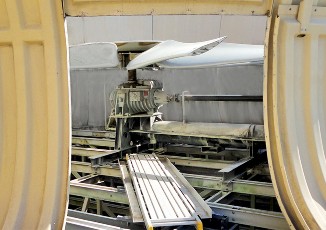

Oil condition reflects gearbox health.
Inspect:
Oil level
Color and clarity
Presence of metal particles
Water contamination
Milky or dark oil indicates internal problems.
During scheduled shutdowns:
Inspect gear teeth for pitting or scoring
Measure backlash
Check seals and breathers
Unusual noise is never normal.
Grinding, whining, or knocking often points to:
Bearing wear
Gear misalignment
Lubrication failure
A practical inspection schedule includes:
Daily: Visual and audible checks
Monthly: Vibration, temperature, lubrication
Quarterly: Alignment and electrical checks
Annually: Comprehensive mechanical inspection
Leading manufacturers like MACH Cooling often tailor inspection schedules based on cooling tower design, operating hours, and environmental conditions.
Typical issues include:
Fan blade erosion or cracking
Motor bearing wear
Gearbox oil contamination
Loose fasteners
Shaft misalignment
The key advantage of inspection is that most of these problems are easy to fix when found early.
Inspection must always be safe.
Follow best practices:
Lockout/tagout (LOTO)
Use proper PPE
Apply fall protection
Never inspect rotating equipment
Safety is part of professionalism.
In-house inspections handle routine monitoring
Professional inspections provide advanced diagnostics like vibration analysis, oil testing, and laser alignment
A combined approach delivers the best reliability.
A well-designed cooling tower is easier to inspect.
MACH Cooling (https://www.machcooling.com/) supports long-term inspection and maintenance through:
Durable fan and drive system design
Inspection-friendly layouts
High-quality motors and gearboxes
Technical documentation and support
Design-for-maintenance reduces lifecycle cost significantly.
Modern inspection is becoming smarter.
Advanced systems now include:
Online vibration monitoring
Thermal imaging
Oil condition sensors
Predictive maintenance software
These tools shift maintenance from reactive to predictive.
Fan, motor, and gearbox inspection is not optional—it’s essential.
With consistent inspection:
Failures are detected early
Efficiency remains stable
Maintenance costs drop
Equipment life is extended
Supported by experienced manufacturers like MACH Cooling, a disciplined inspection strategy keeps cooling towers reliable, efficient, and ready for long-term operation.