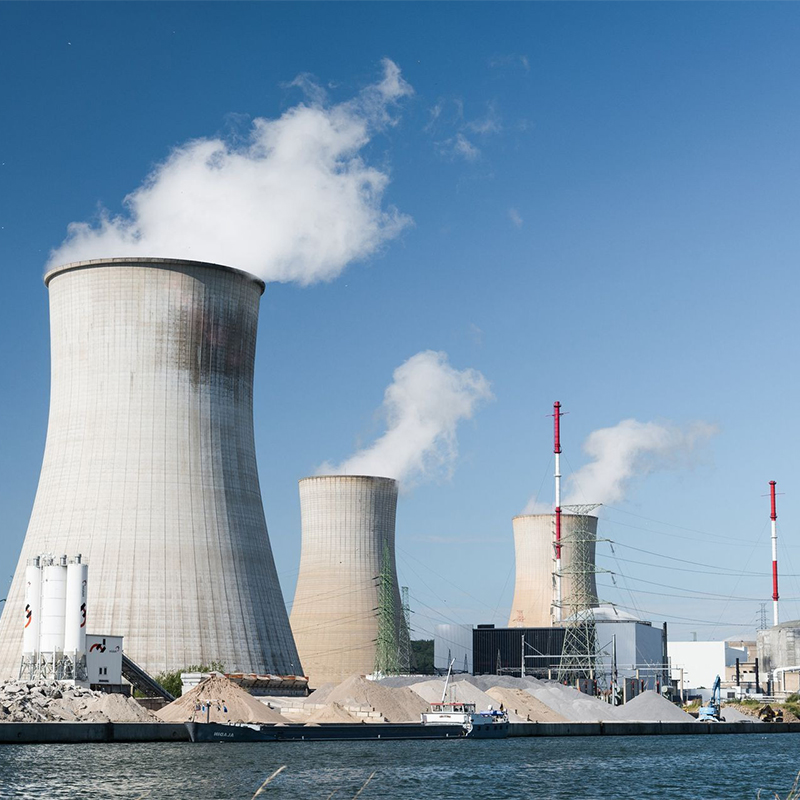
We Provide Cooling Tower Solution

Views: 0 Author: Site Editor Publish Time: 2026-01-30 Origin: Site


When people search for the phrase “cooling tower means”, they are usually looking for a clear, no-nonsense explanation. In simple terms, a cooling tower means evaporative cooling technology—a highly efficient way to remove heat from water by using the natural process of evaporation.
This technology has been used for decades in power plants, HVAC systems, chemical factories, and heavy industries. It’s reliable, energy-efficient, and surprisingly simple once you understand how it works. In this article, we’ll break it all down step by step, in plain English.
A cooling tower is a heat-rejection device. Its job is to cool down hot water so it can be reused in an industrial or commercial system.
Here’s the easiest way to think about it:
A cooling tower works the same way your body cools itself when you sweat.
When sweat evaporates, it takes heat away from your skin. In a cooling tower, a small portion of hot water evaporates, and that evaporation carries heat away from the remaining water. The result? Cooler water goes back into the system.
That’s why cooling tower means evaporative cooling technology—not refrigeration, not freezing, just smart use of physics.
Without evaporation, a cooling tower would simply be a large water tank with a fan. Evaporation is the key mechanism that makes cooling towers so effective.
Evaporation requires energy. When water changes from liquid to vapor, it absorbs heat from its surroundings. That heat leaves the system along with the water vapor.
Only about 1–2% of circulating water needs to evaporate to achieve a significant temperature drop. Compared to mechanical refrigeration, this process consumes far less energy.

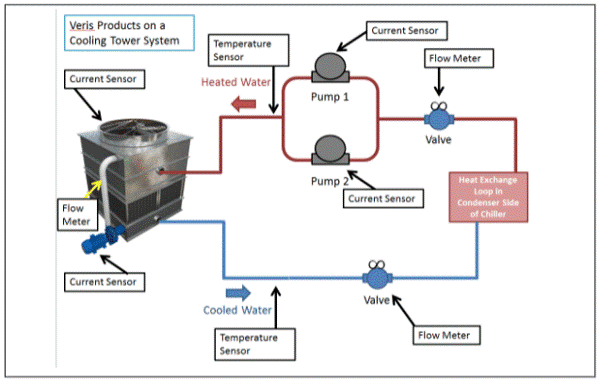
Understanding the operating process makes the meaning of a cooling tower crystal clear.
Hot water from chillers, condensers, or industrial processes enters the cooling tower from the top.
The water flows over fill media, which increases surface area. At the same time, air is drawn through the tower by natural draft or mechanical fans.
As air passes through the falling water, a small portion evaporates. Heat is transferred from the water to the air.
The cooled water collects in the basin and is pumped back into the system to absorb heat again.
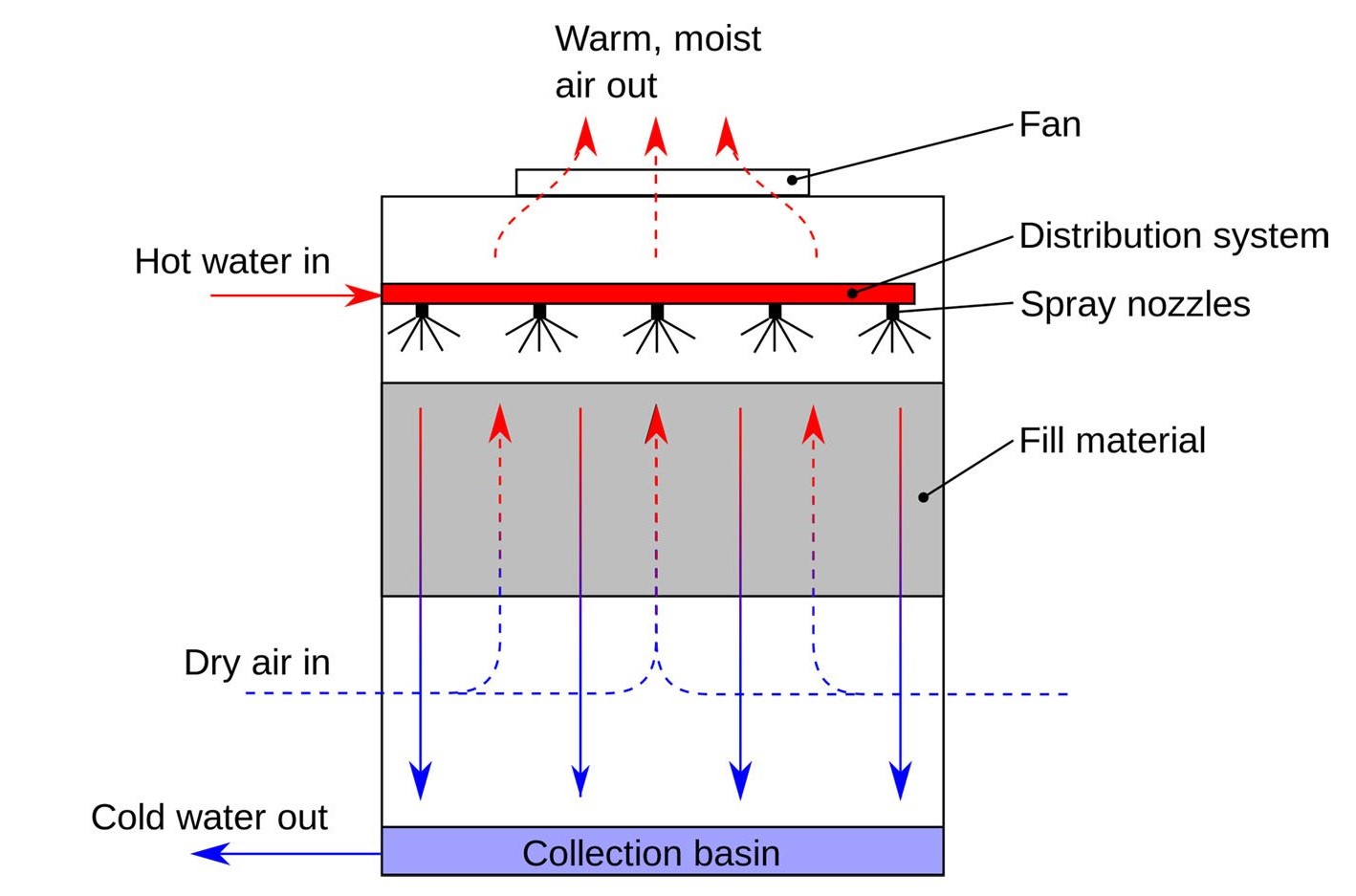
Evaporative cooling only works efficiently when each component is properly designed.
Fill media slows down water flow and increases air-water contact time, maximizing evaporation.
Fans control airflow volume and direction, directly influencing cooling performance.
These components capture water droplets before they exit the tower, reducing water loss.
Ensures even water spreading, preventing dry spots and uneven cooling.

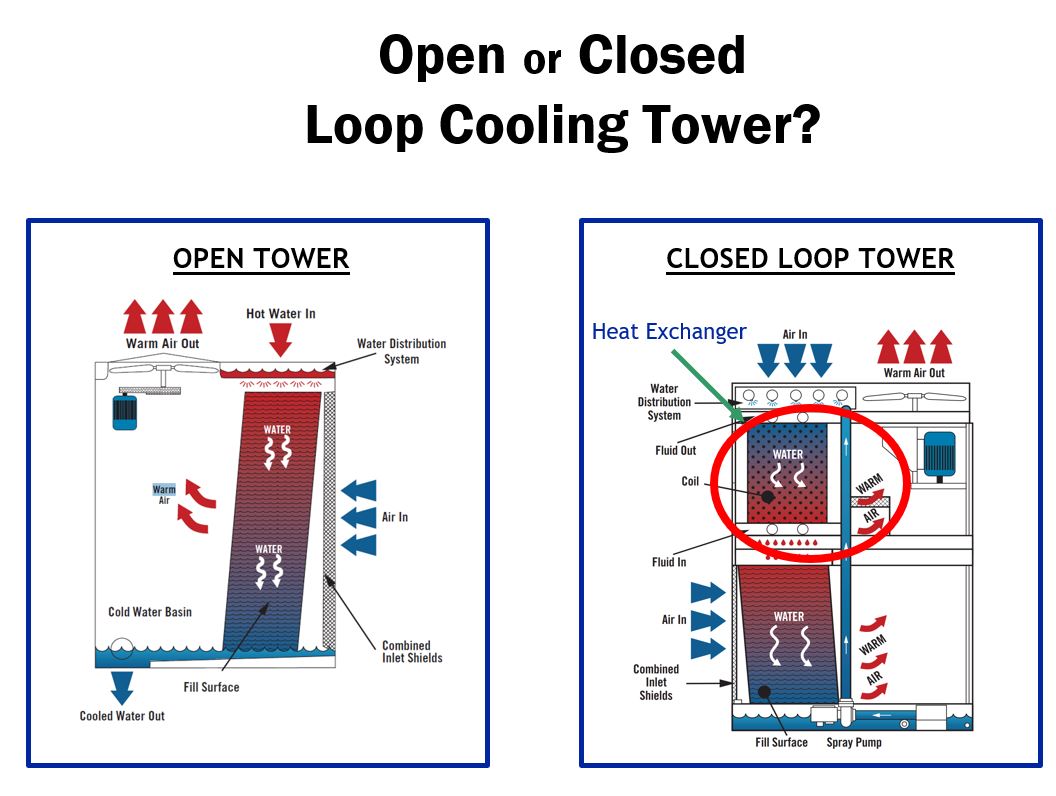
Hot water directly contacts air. These are the most common and cost-effective designs.
Process fluid flows inside coils, while spray water evaporates externally to remove heat.
Natural draft towers rely on height and buoyancy
Mechanical draft towers use fans for precise airflow control
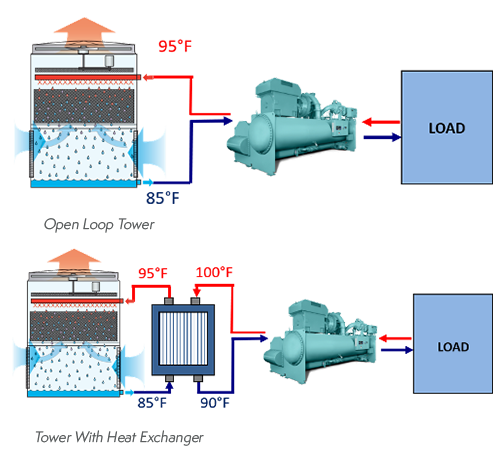
Cooling towers reject heat from chilled water systems in large buildings.
Steam condensation and turbine efficiency depend heavily on evaporative cooling.
Steel, chemical, plastic, pharmaceutical, and food industries all rely on cooling towers.
High-density servers generate massive heat loads that evaporative cooling can handle efficiently.
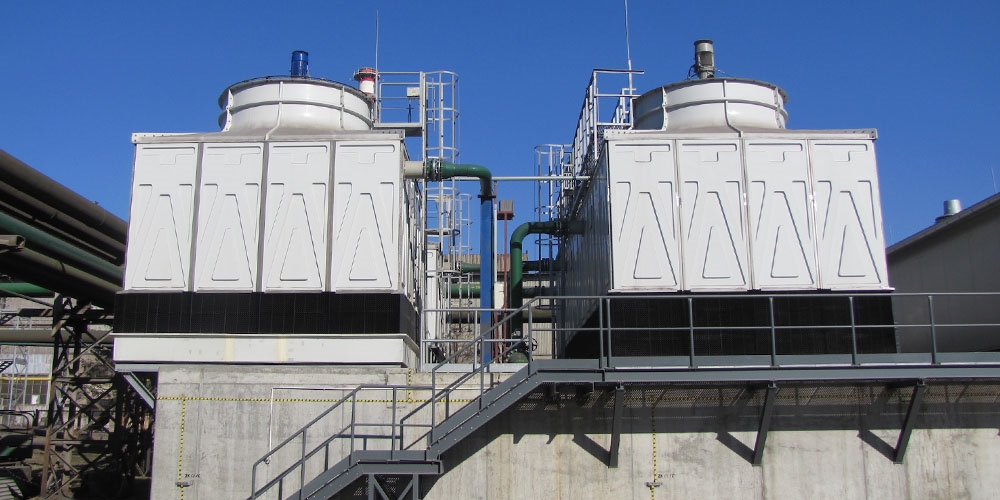

Evaporative cooling uses air and water instead of energy-intensive compressors.
Reduced electricity consumption means long-term savings.
Lower power demand leads to reduced carbon emissions.
Cooling towers do not create cold water
Cooling towers are not refrigeration machines
Cooling towers remove heat, allowing water to be reused efficiently
Understanding this clears up most confusion around the phrase “cooling tower means.”
Match the tower design to your heat load and required approach temperature.
Evaporative cooling performs best in dry or moderate climates, but works worldwide with proper design.
Good water treatment prevents scaling, corrosion, and biological growth.
Professional manufacturers understand that performance depends on engineering, not just size.
Mach Cooling specializes in industrial evaporative cooling tower solutions designed for efficiency, durability, and global applications. Through optimized airflow design, high-quality fill media, and reliable structural materials, Mach Cooling systems deliver stable heat rejection across a wide range of industries.
Learn more at https://www.machcooling.com/.
Hybrid wet-dry cooling systems
Water-saving and low-drift designs
Smart monitoring and automation
Noise-reduction technologies
Evaporative cooling continues to evolve, becoming smarter and more sustainable.
It works best in dry climates but can be adapted for most environments.
Only the portion that evaporates and small drift losses.
Yes, especially compared to traditional mechanical cooling systems.
So, what does cooling tower means really point to?
Cooling tower means evaporative cooling technology—simple, efficient, and proven.
By using the natural power of evaporation, cooling towers provide one of the most reliable and cost-effective ways to manage industrial heat. That’s why they remain a cornerstone of modern cooling systems worldwide.