We Provide Cooling Tower Solution

Views: 0 Author: Site Editor Publish Time: 2026-01-22 Origin: Site


Cooling towers are the unsung heroes of industrial and commercial HVAC systems. They may look simple from the outside, but inside, they perform critical tasks that keep facilities running efficiently. Whether you’re managing a power plant, a chemical factory, or a large HVAC system, understanding the cooling tower definition, structure, and key components is essential.
In this guide, we’ll break it all down using easy-to-understand language, practical examples, and insights from manufacturers like MACH Cooling (https://www.machcooling.com/).
Ever wonder how huge factories or data centers keep machines from overheating? That’s where cooling towers come in. They help remove heat from water-cooled systems, prevent equipment failure, and save energy. Without them, modern industrial operations would literally overheat.
A cooling tower is a specialized heat exchanger that removes heat from water by using air. Warm water from industrial processes is cooled through contact with air, often with a small portion of the water evaporating to carry away heat.
Cooling towers are vital for:
Reducing water temperature efficiently
Maintaining equipment reliability
Improving energy efficiency
Minimizing environmental impact
Without proper cooling towers, heat would build up, leading to costly shutdowns.
Cooling towers come in various types, each designed for specific applications.
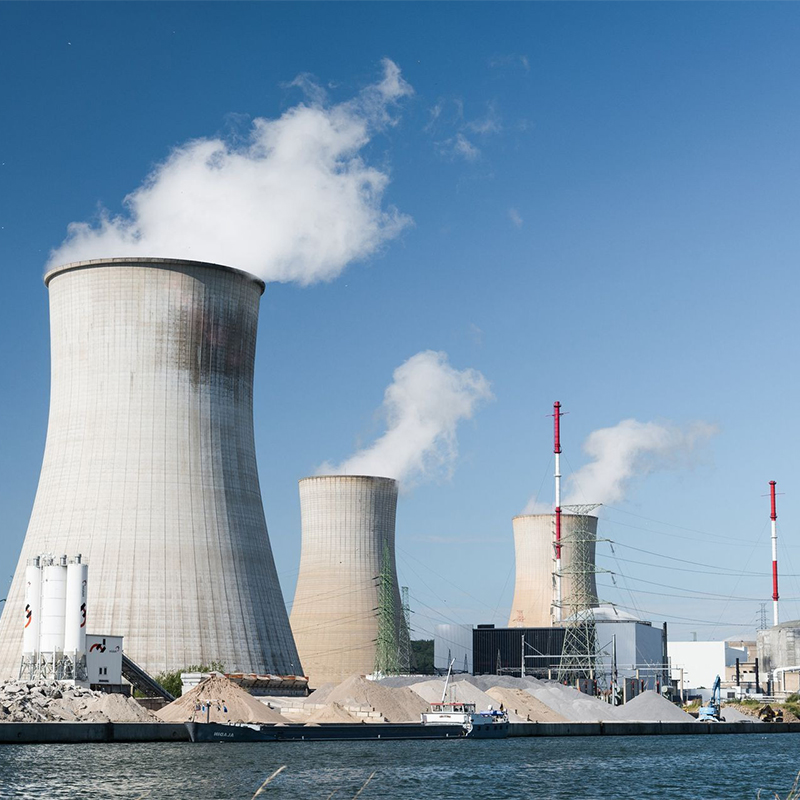
Natural draft towers rely on the principle of hot air rising to create airflow. These are typically tall, hyperbolic structures often used in power plants. No fans are required; the height and shape generate the airflow naturally.
Mechanical draft towers use fans to force or pull air through the system. They are compact, flexible, and common in HVAC and industrial processes.
Fans at the top pull air upward, reducing recirculation of hot air and increasing efficiency.
Fans push air into the tower from the bottom or side, often used in smaller HVAC systems.
Open Cooling Towers: Water directly contacts air for evaporation. Simple and efficient, but water chemistry must be carefully managed.
Closed Cooling Towers: Water circulates inside tubes; air passes outside. This reduces contamination and is ideal for sensitive processes.
Cooling towers generally consist of:
Tower casing
Fan deck
Water basin
Support framework
These elements ensure durability and optimal airflow.
Common materials include:
Fiberglass Reinforced Plastic (FRP)
Galvanized steel
Concrete
Wood (less common today)
Material choice affects longevity, maintenance, and chemical resistance.
Fans move air through the tower, powered by electric motors. Reliable motors and well-balanced fans are critical for consistent performance.
Fill increases the water-air contact area to enhance heat transfer. Splash fill and film fill are two main types.
Drift eliminators capture water droplets escaping with airflow, preventing water loss and environmental impact.
The basin collects cooled water while piping distributes water evenly across the fill. Proper design prevents uneven cooling and water pooling.
Pumps move water from the basin to the top of the tower, and the distribution system ensures uniform flow through the fill.
Cooling towers remove heat using evaporation and sensible heat transfer. Warm water releases heat to air, cooling it for recirculation.
A small portion of water evaporates, taking heat away. This process is highly efficient and central to the tower’s operation.
Routine inspections prevent issues like fan imbalance, motor wear, or clogged fill that can reduce efficiency.
Best practices include:
Cleaning basins and fill
Checking fan alignment
Monitoring water chemistry
Lubricating motors and bearings
Regular maintenance extends service life and ensures optimal cooling.
Optimizing cycles of concentration, preventing leaks, and using high-efficiency fill reduces water consumption.
Properly maintained drift eliminators and correctly adjusted fans minimize water loss and environmental impact.
MACH Cooling (https://www.machcooling.com/) provides high-quality cooling towers designed for:
Durability
Low maintenance
High efficiency
Environmental compliance
Their designs make it easier to inspect, maintain, and operate towers reliably.
Understanding the definition, structure, and key components of cooling towers is the first step to selecting the right system for your facility. Whether you need natural draft towers for power plants or mechanical draft towers for HVAC systems, focusing on quality, maintenance, and efficiency ensures long-term reliability. Partnering with expert manufacturers like MACH Cooling guarantees professional support, optimal performance, and compliance with modern industrial standards.