We Provide Cooling Tower Solution

Views: 0 Author: Site Editor Publish Time: 2026-01-28 Origin: Site


Cooling towers are the unsung heroes of many industrial and commercial systems. They silently dissipate heat, keep processes stable, and ensure chillers operate efficiently. But here’s the catch: choosing the right cooling tower capacity isn’t just about picking the biggest one on the market. Oversized or undersized towers can cause headaches—higher energy bills, increased maintenance, and reduced system life.
This article dives deep into the relationship between cooling tower capacity and system load, offering practical guidance and real-world insights. Working with experienced manufacturers like Mach Cooling (https://www.machcooling.com) can make the difference between an optimized system and a costly one.
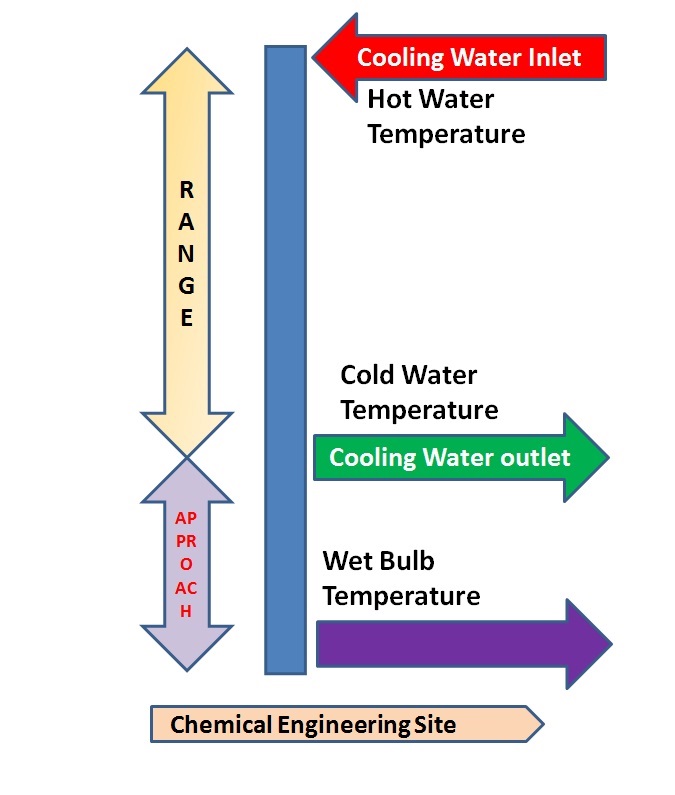
Cooling tower capacity is the amount of heat a tower can reject from a system over a given period, usually expressed in tons of refrigeration (TR) or megawatts (MW). It essentially answers: “How much heat can this tower remove to keep my process or building comfortable?”
Several factors impact actual capacity:
Water flow rate through the tower
Temperature difference between hot water inlet and cold water outlet
Airflow through the tower
Wet bulb temperature of the surrounding environment
These variables determine whether a cooling tower can meet the system’s demand at any given time.

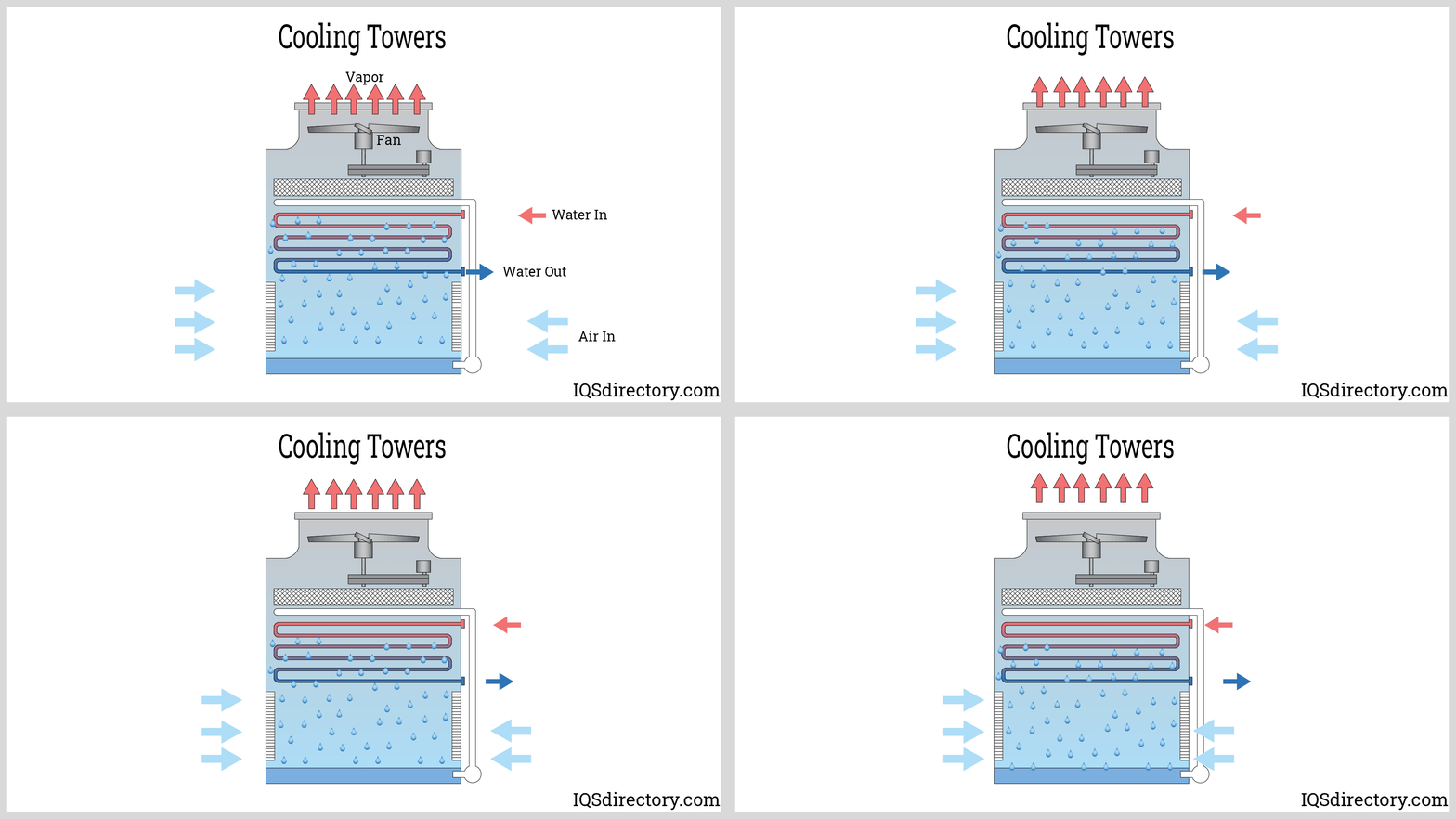
Cooling load refers to the total heat energy that needs to be removed from a system to maintain the desired temperature. In industrial systems, this may include process heat, equipment heat, or solar gain in buildings.
Cooling demand isn’t constant. Seasonal changes, production schedules, and fluctuating occupancy in commercial buildings mean the load varies over time. A tower that only meets peak load without flexibility may be inefficient most of the year.
Too large a tower wastes energy because fans and pumps operate at low efficiency under part-load conditions. Too small a tower can’t maintain required temperatures, forcing chillers to work harder or risking system overheating.
Properly matched capacity reduces electricity use, prolongs equipment life, and minimizes water and chemical consumption. Energy savings alone can justify the investment in correctly sized systems.
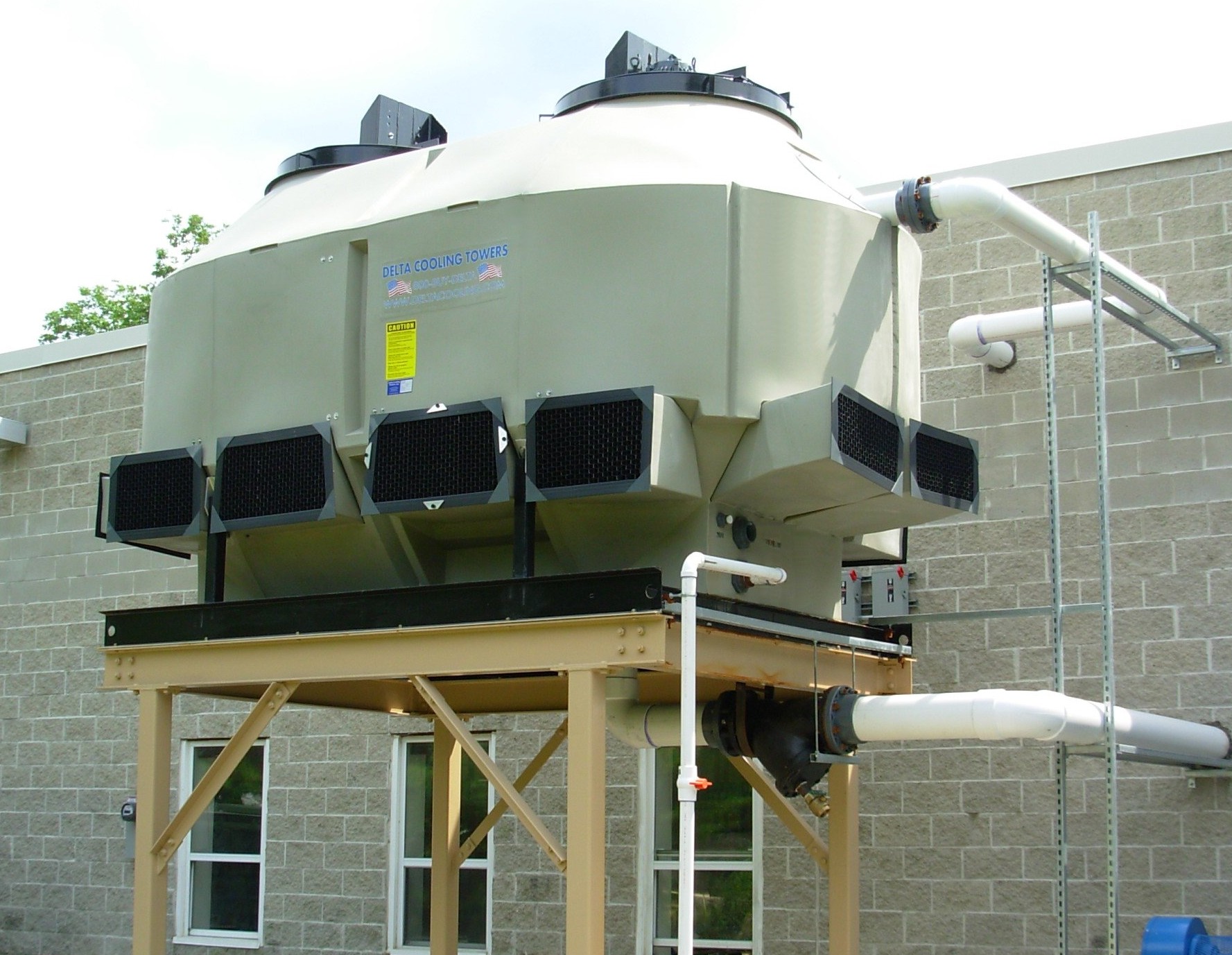
Capacity can be calculated using the formula:
Q = ρ × Cp × ΔT × Flow Rate
Where:
Q = heat load (BTU/hr or kW)
ρ = water density
Cp = specific heat of water
ΔT = temperature difference (hot water in vs. cold water out)
This formula helps engineers size towers accurately based on process or building requirements.
Ambient wet bulb temperature plays a critical role. Towers operating in hot, humid climates have lower capacity compared to cooler, dry environments.
The approach temperature (difference between cooled water and wet bulb) directly affects performance. Lower wet bulb temps improve efficiency; higher temps may require larger or additional towers.
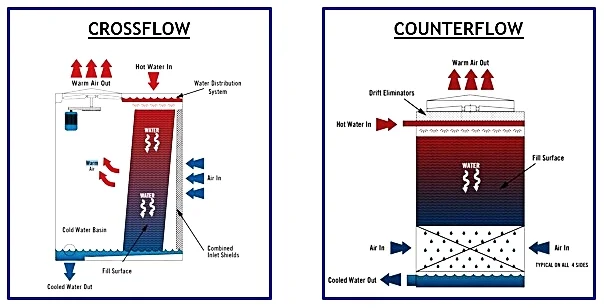
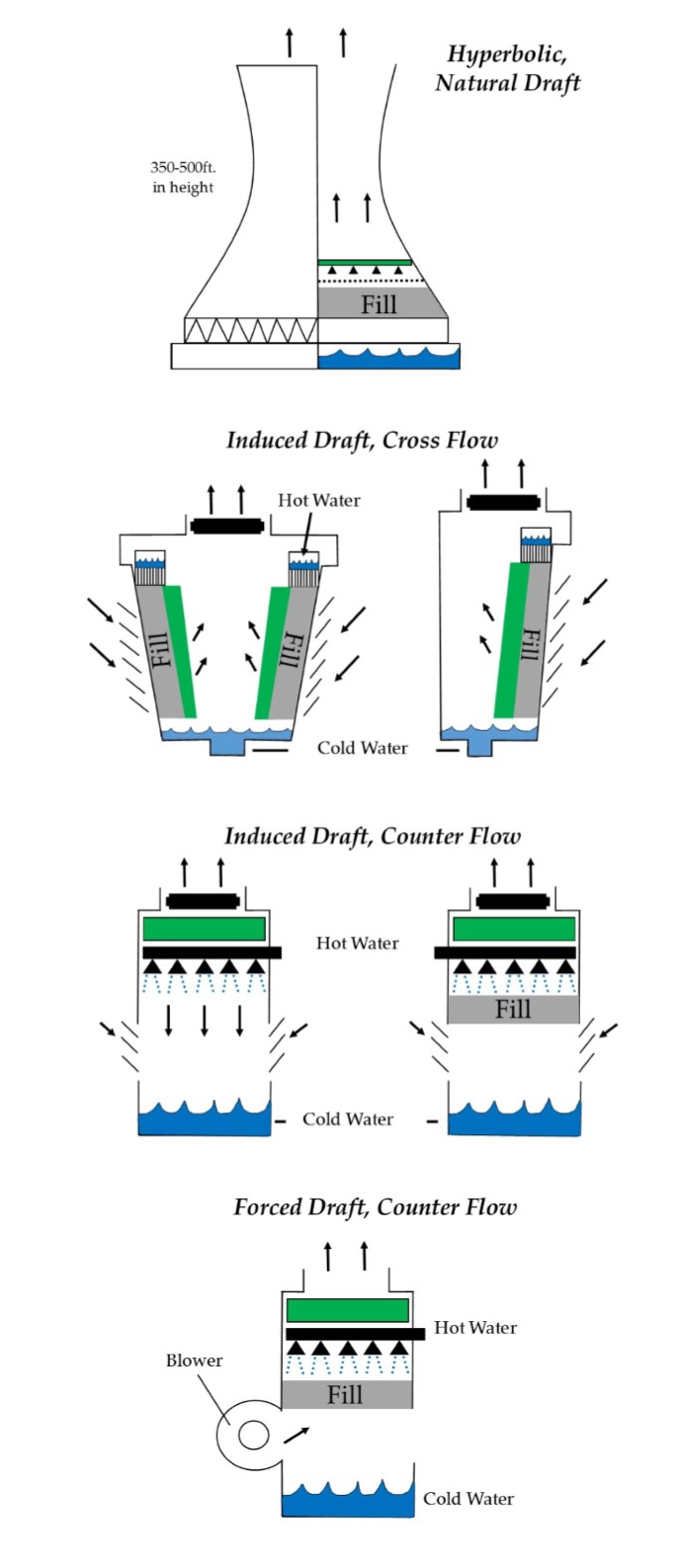
Air moves opposite to water flow, maximizing heat transfer. Counterflow towers are highly efficient, especially for high-capacity applications.
Air moves perpendicular to water flow. Crossflow designs are easier to maintain and handle variable loads effectively but may need a larger footprint for the same capacity.
Instead of one large tower, multiple smaller towers can be staged to match varying loads. This strategy allows better energy management and redundancy.
VFD-controlled fans and pumps adjust speed based on load. At part-load conditions, VFDs save significant energy while maintaining optimal performance.
In chemical plants or refineries, cooling demand fluctuates with production rates. Modular towers with VFD fans provide precise capacity matching and reduce operating costs.
Large office buildings experience variable occupancy. A properly sized cooling tower ensures energy-efficient operation year-round without overcooling.

Mach Cooling (https://www.machcooling.com) specializes in towers that adapt to varying loads:
Customized designs for industrial or commercial needs
Modular configurations for flexible operation
Efficient fan and pump systems with VFD options
Easy maintenance and long-term reliability
Partnering with experienced manufacturers ensures towers are not only correctly sized but also energy-efficient and low-maintenance.
Continuous monitoring of water temperature, flow, and system load ensures capacity matches demand. Scheduled inspections prevent fouling, scaling, and performance degradation.
As system demands grow, modular towers can be added, and controls can be optimized to maintain efficiency. Future-proofing capacity avoids expensive replacements.
Matching cooling tower capacity to load is essential for energy efficiency, cost savings, and reliable operation. Oversized towers waste energy; undersized towers compromise performance.
By understanding your system’s cooling load, considering ambient conditions, and working with experts like Mach Cooling, operators can ensure towers deliver optimal performance for years to come. Smart capacity selection is not just engineering—it’s an investment in efficiency, reliability, and long-term savings.