We Provide Cooling Tower Solution

Views: 0 Author: Site Editor Publish Time: 2026-01-03 Origin: Site


Cooling towers quietly operate behind the scenes, removing heat from industrial or commercial systems day in and day out. Because they’re out of sight and often taken for granted, cooling tower water treatment is frequently overlooked. But ignoring water treatment can be extremely costly.
Think of it like skipping routine maintenance on a car. Miss a few oil changes, and it’s not a problem. Ignore it for months, and suddenly you’re facing engine damage. Poor cooling tower water treatment doesn’t fail loudly—it fails expensively.
From skyrocketing energy bills to corrosion, biological fouling, and potential health risks, the consequences ripple through your entire HVAC or industrial cooling system. In this article, we’ll explore the most common problems caused by inadequate water treatment, and why investing in proper treatment is always the smarter choice.
Cooling tower water treatment refers to controlling scale, corrosion, biological growth, and suspended solids in circulating water. Since cooling towers work by evaporation, dissolved minerals in the water gradually concentrate. Without treatment, these minerals build up, leading to a range of operational problems.
Water isn’t just a heat-transfer medium—it’s also a chemical environment. Poor water quality accelerates corrosion, promotes biological growth, and clogs system components. In short: bad water equals bad performance.
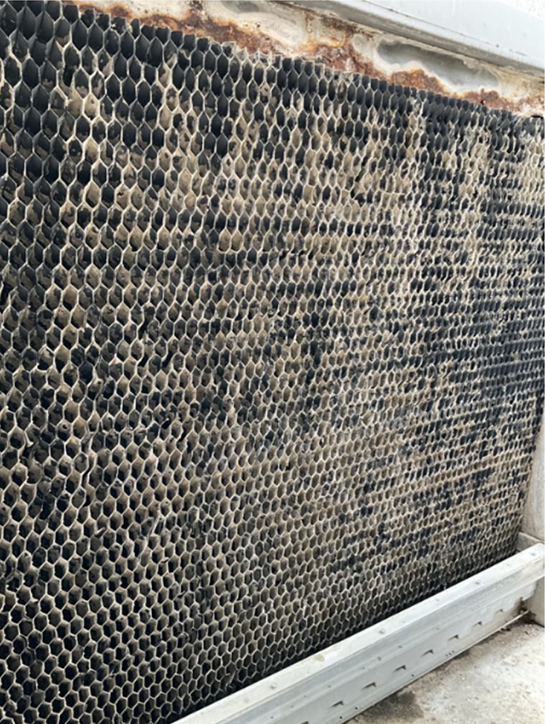
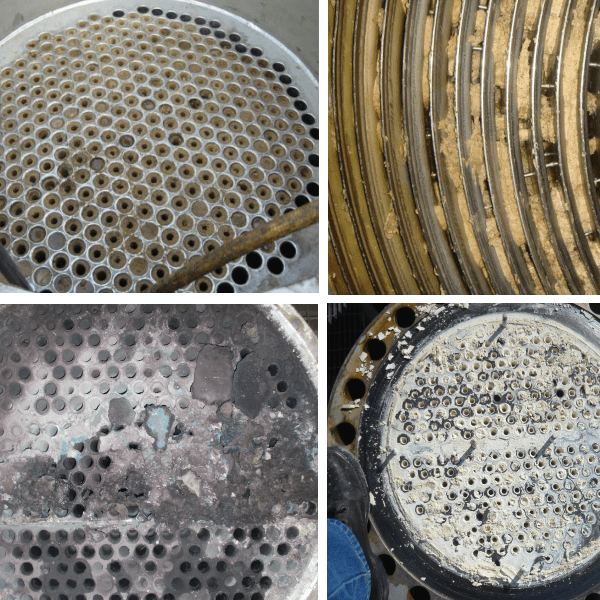
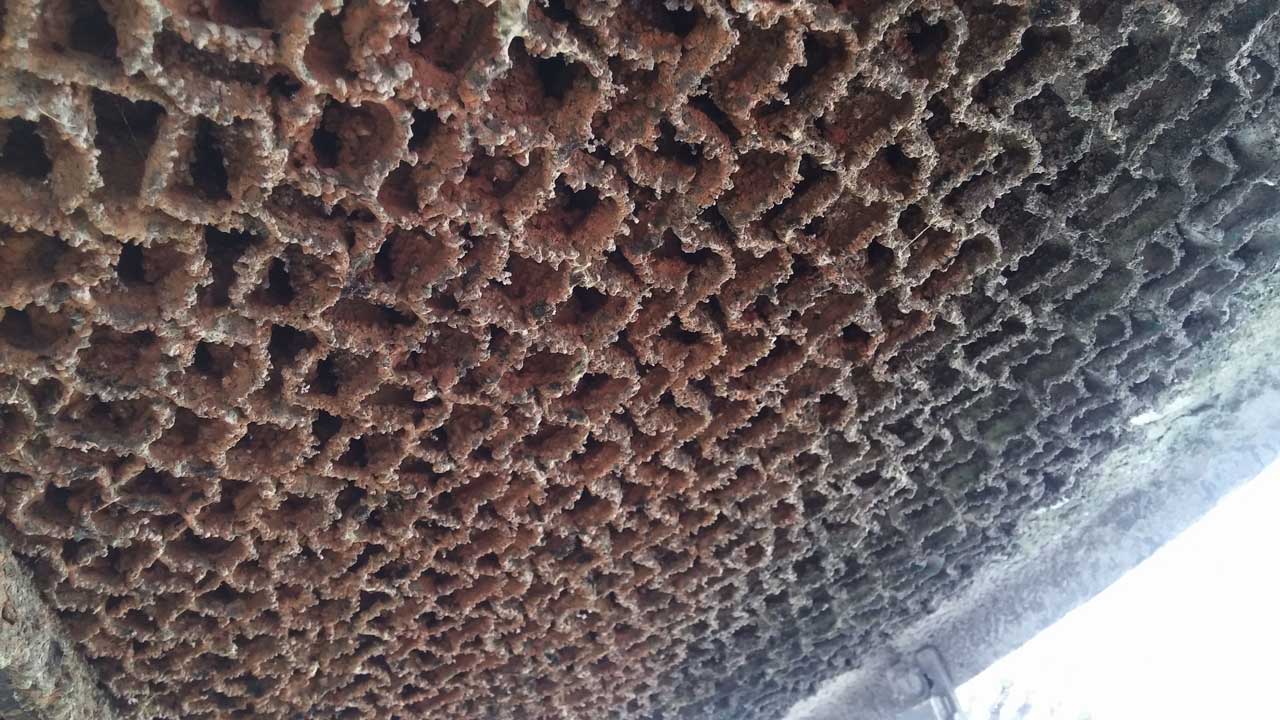
As water evaporates, minerals like calcium and magnesium are left behind. Without proper chemical control, these minerals crystallize into hard scale on heat exchanger surfaces, spray nozzles, and piping. Over time, this scale becomes rock-hard and highly insulating.
Even 1 millimeter of scale can reduce heat transfer efficiency by 10–15%. Your chiller has to work harder, fans run longer, pumps consume more energy, and your electricity bills spike. It’s like trying to cool your house while wearing a winter coat in the middle of summer.
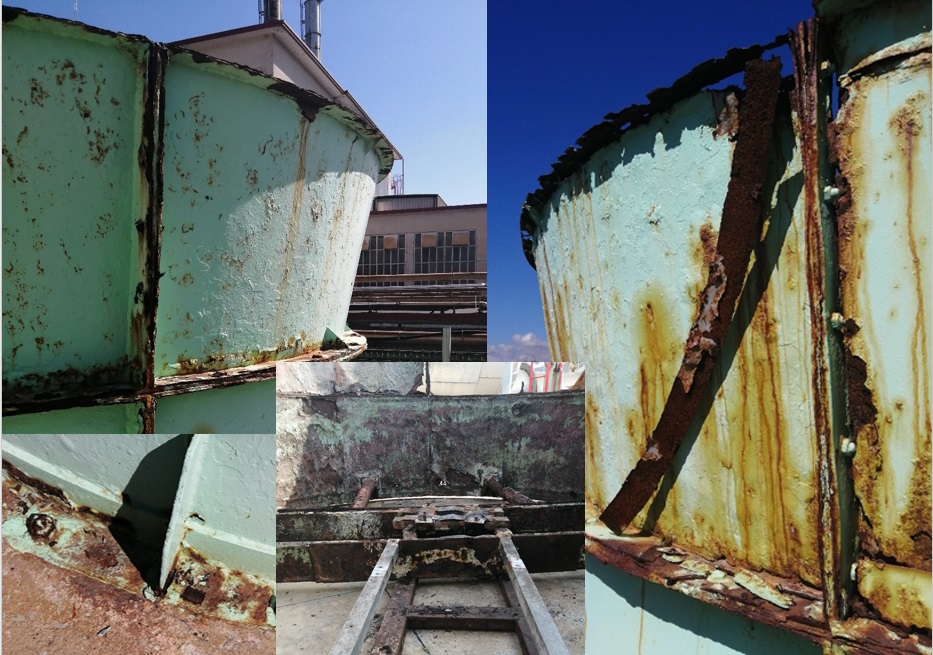
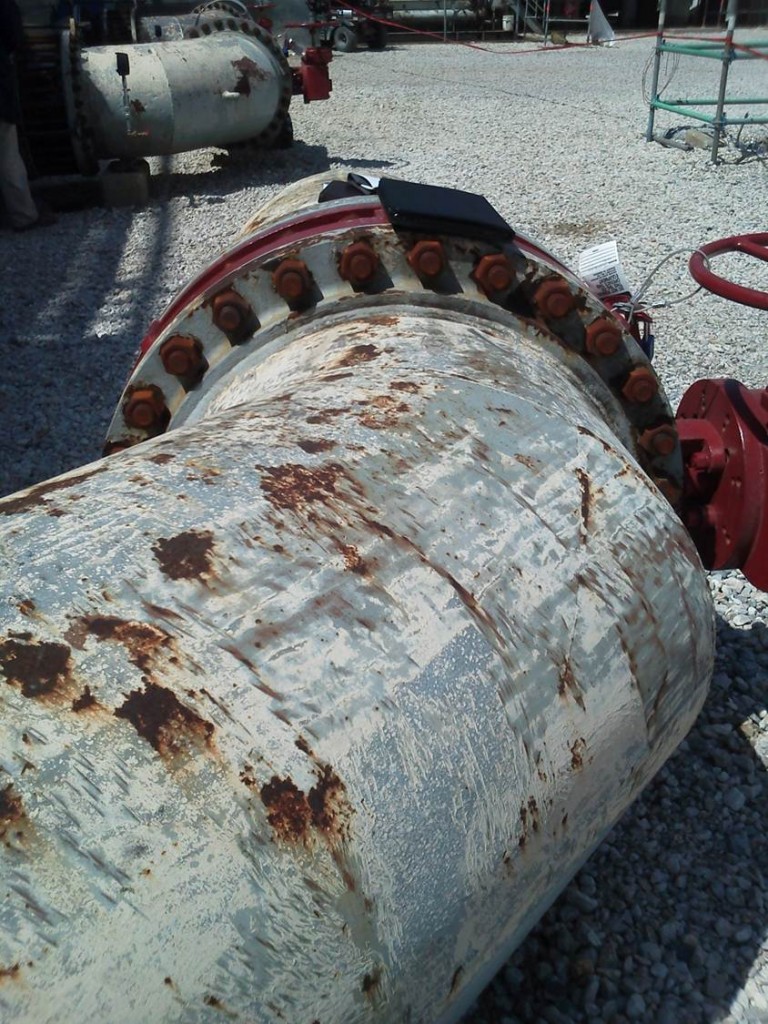
Poor water treatment can lead to several types of corrosion:
General corrosion – uniform material loss over time
Pitting corrosion – small but deep holes forming in metal surfaces
Galvanic corrosion – accelerated corrosion due to dissimilar metals in contact
Microbiologically influenced corrosion (MIC) – caused by bacteria
Corrosion attacks not just pipes, but pumps, heat exchangers, structural steel, and basins. The result is leaks, system downtime, and costly replacements. Even high-quality cooling towers, like those from Mach Cooling, require proper water treatment to maintain longevity.

Warm, nutrient-rich water is a paradise for microorganisms. Without proper biocide programs, cooling towers become breeding grounds for:
Algae
Slime-forming bacteria
Legionella pneumophila
Legionella isn’t just a maintenance issue—it’s a serious public health risk. Poor water treatment has been linked to outbreaks worldwide, often resulting in regulatory penalties and system shutdowns.
Scale, corrosion, and biofouling act like insulation where you don’t want it. Heat rejection efficiency drops, forcing chillers to work harder and fans to run at higher speeds. Pumps consume more power, and operating costs climb steadily.
When water chemistry isn’t controlled, operators increase blowdown to flush contaminants. This leads to:
Higher makeup water usage
Increased water bills
More chemical usage
Proper water treatment allows higher cycles of concentration, reducing both water and chemical consumption.
Poor water treatment accelerates wear on:
Cooling tower fill
Spray nozzles
Heat exchangers
Circulation pumps
Unexpected failures often result in unplanned downtime, which is usually more expensive than preventive maintenance.
Discharging untreated or poorly treated blowdown water can violate environmental regulations. This can lead to fines, forced upgrades, and reputational damage. Mach Cooling designs cooling towers with water-treatment-friendly features to help meet global environmental standards.
Skipping preventive water treatment doesn’t save money—it shifts costs:
Emergency cleanings
Acid descaling
Component replacements
Increased chemical usage
Preventive water treatment is like routine car maintenance—small investments prevent major expenses.
A well-designed cooling tower:
Promotes uniform water distribution
Reduces dead zones where bacteria thrive
Uses corrosion-resistant materials
These design features make chemical control easier and more effective, reducing the likelihood of scale, corrosion, and biofouling.
Mach Cooling (https://www.machcooling.com/) specializes in industrial cooling towers engineered for efficiency, durability, and easy maintenance. Their towers are designed to support effective water treatment programs, helping users prevent costly problems while maintaining optimal system performance.
Key benefits include:
Superior materials to reduce corrosion
Optimal water distribution to prevent dead zones
Designs compatible with modern water treatment chemicals
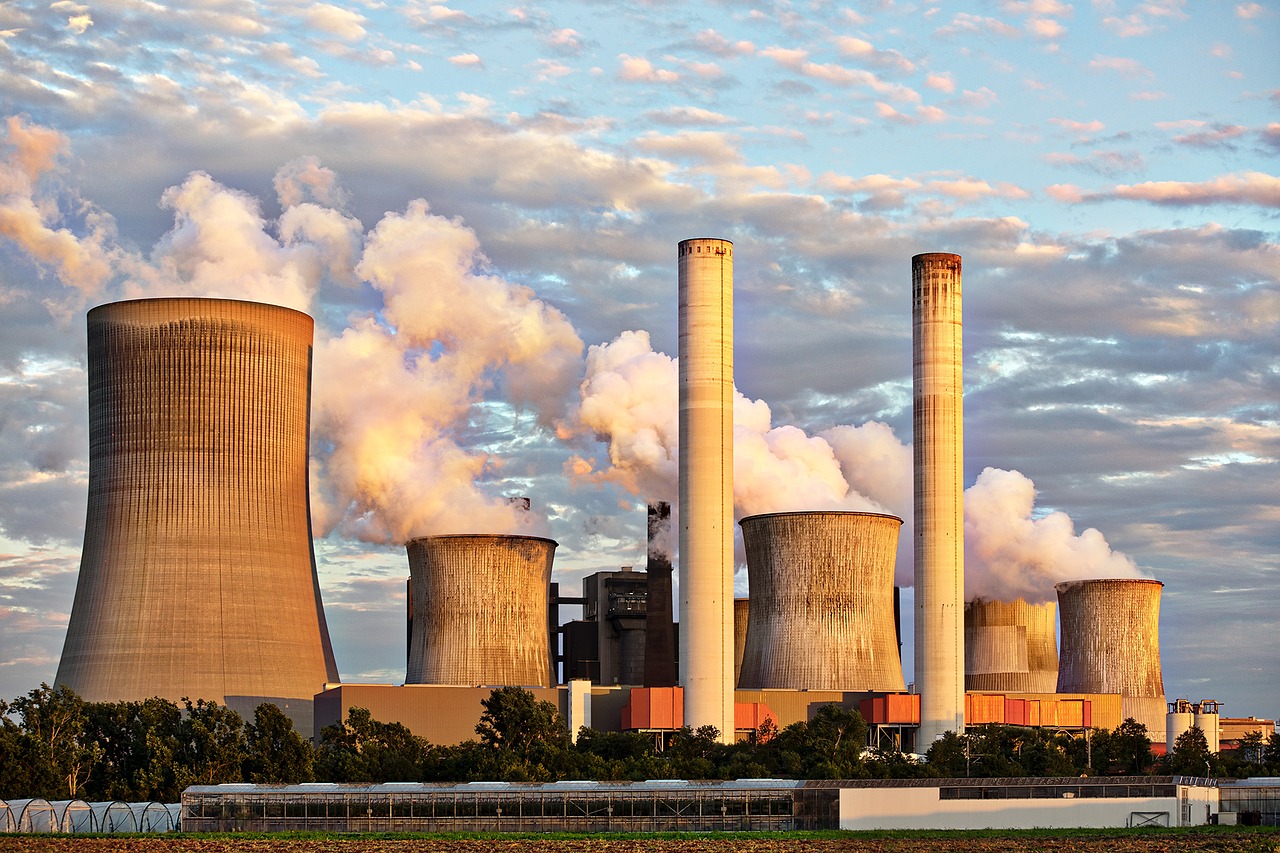
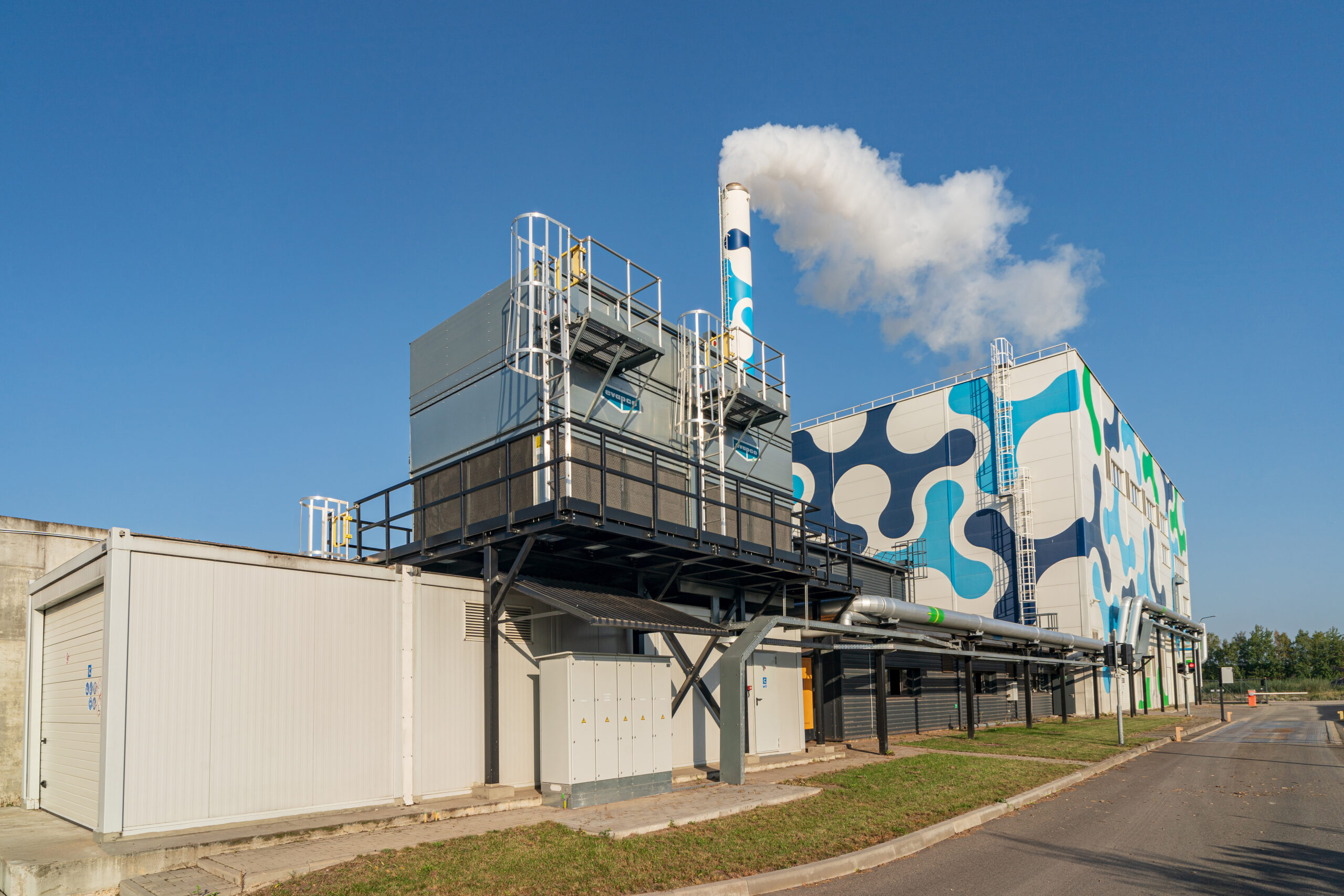
Poor cooling tower water treatment is like a slow leak in your budget—it starts small, then steadily drains resources. From scale and corrosion to biological growth and energy waste, the risks are predictable and preventable.
By combining proper water treatment practices with high-quality cooling towers from Mach Cooling, operators can protect:
Equipment longevity
Energy efficiency
Water usage
Operational budgets
Clean, well-managed water is not optional—it’s essential for a reliable and cost-effective cooling system.