We Provide Cooling Tower Solution

Views: 0 Author: Site Editor Publish Time: 2026-01-21 Origin: Site


Walk into any modern office building and you’ll notice the obvious things first—glass façades, open workspaces, quiet meeting rooms. What you won’t see is the system working nonstop behind the scenes to keep everyone comfortable: the commercial cooling tower.
For office buildings, a cooling tower isn’t just mechanical equipment. It’s a long-term investment in comfort, efficiency, reliability, and operating cost control. Let’s take a deep, practical look at how commercial cooling towers for office buildings work, why they matter, and how to choose the right one.
Commercial cooling towers are heat rejection devices used primarily in water-cooled HVAC systems. Their job is simple but critical: remove heat from condenser water so chillers can operate efficiently.
In office buildings, where cooling loads fluctuate throughout the day and year, cooling towers must be:
Reliable
Energy efficient
Quiet
Easy to maintain
When designed correctly, they quietly do their job while occupants focus on theirs.
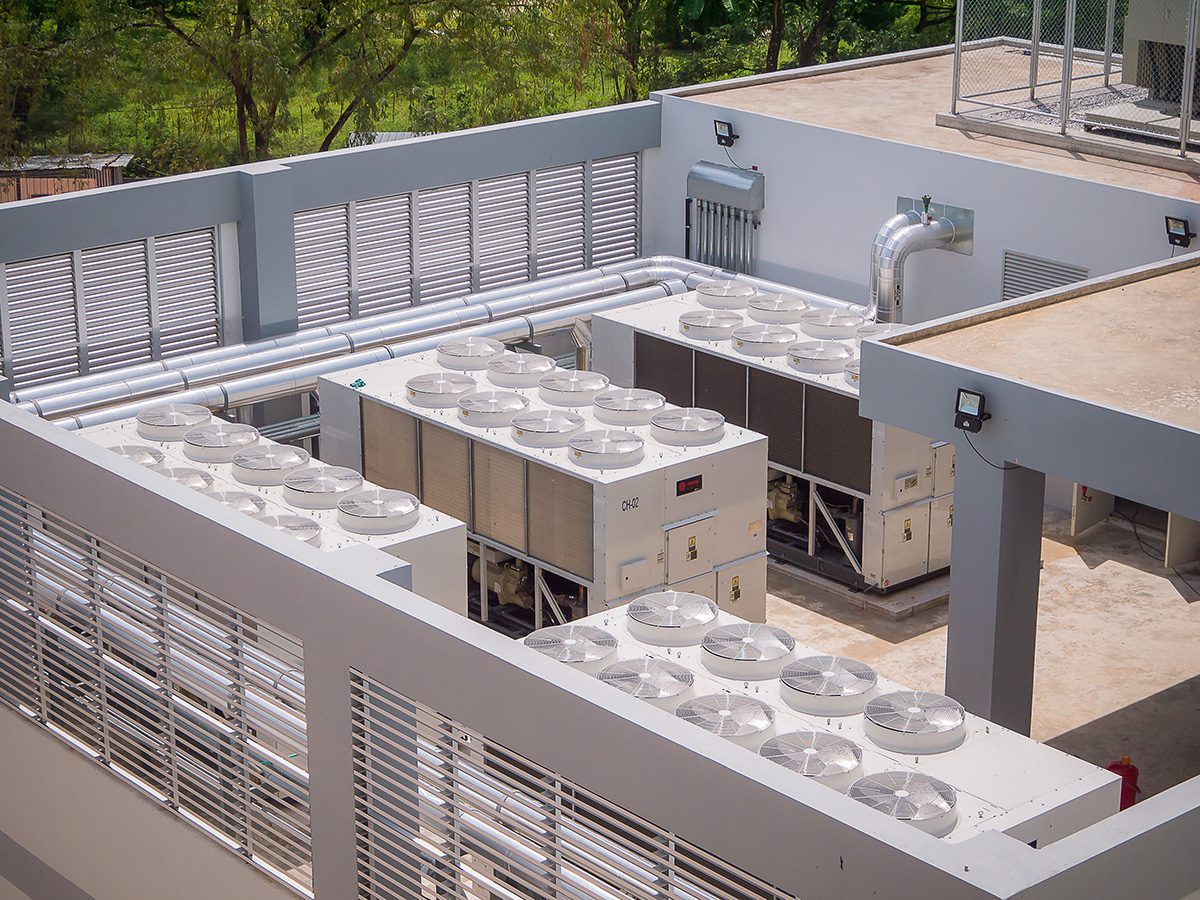
Office buildings generate heat constantly—from people, computers, lighting, elevators, and solar gain through windows. As buildings grow larger, air-cooled systems become inefficient and expensive to operate.
A commercial cooling tower for office buildings allows:
Lower chiller energy consumption
Better performance in hot climates
Reduced long-term operating costs
Think of it as giving your HVAC system room to breathe.
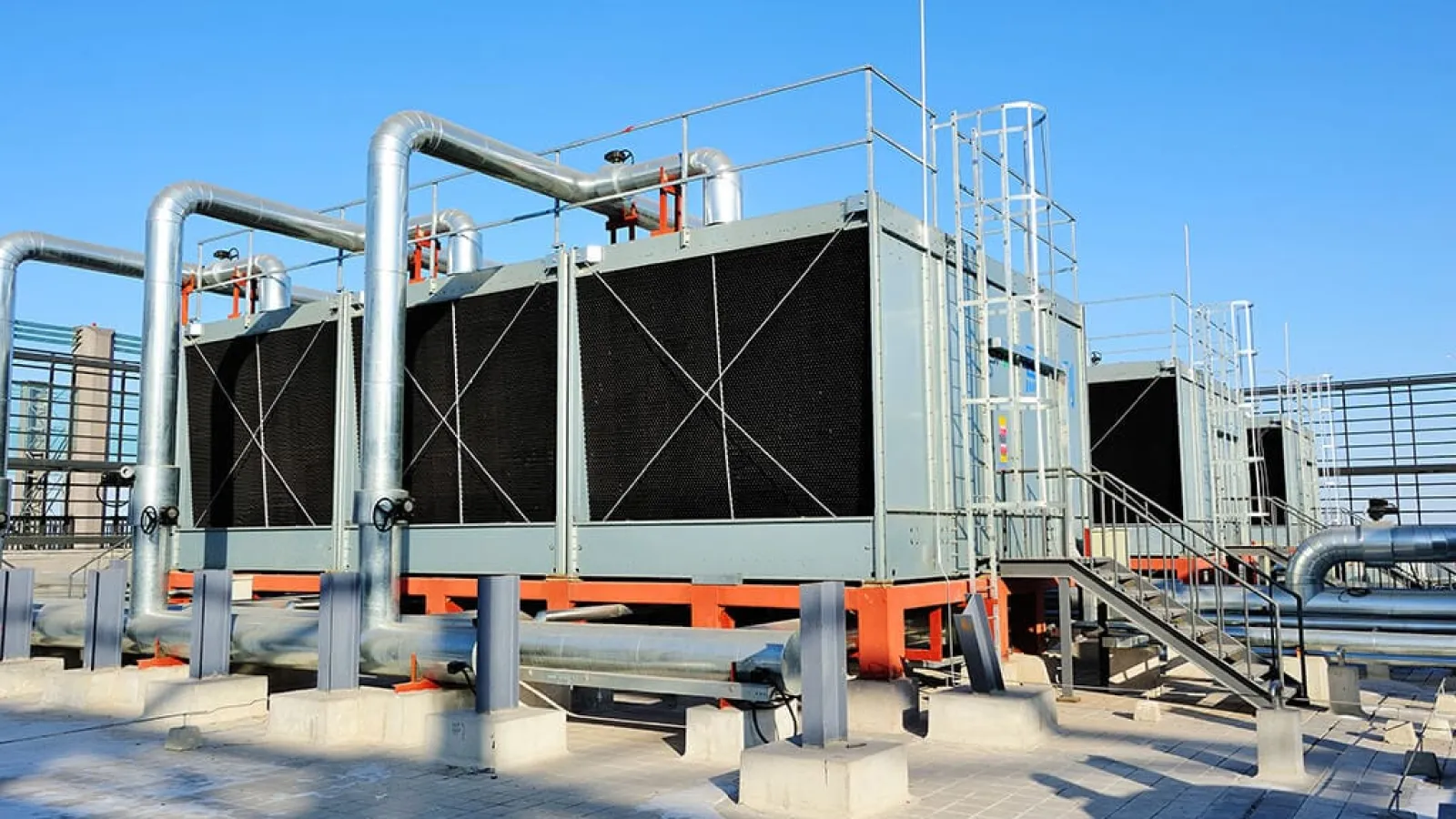
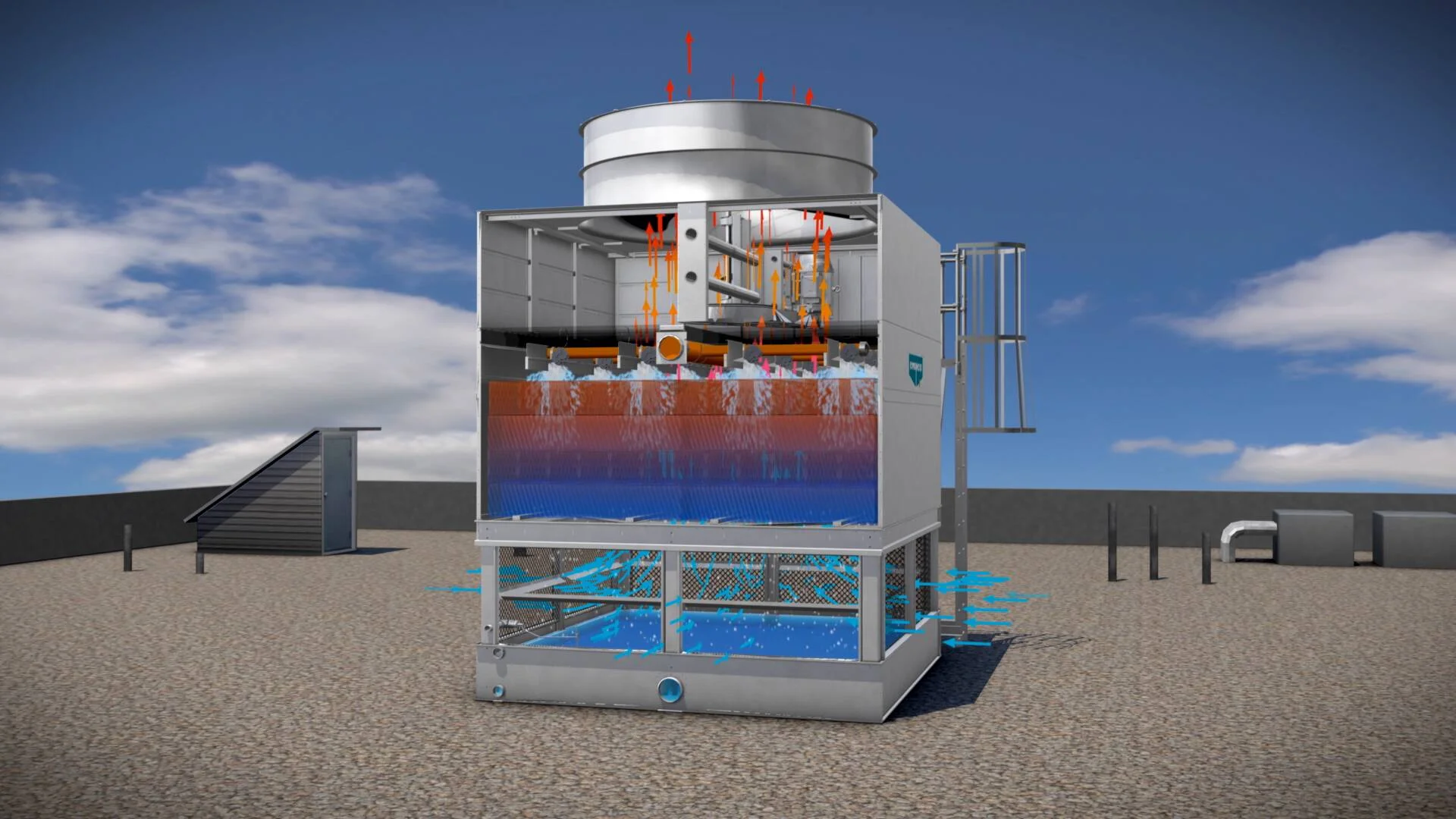
A commercial cooling tower removes heat from warm condenser water by using evaporative cooling. A small portion of water evaporates, carrying heat into the air, while the remaining water cools down and returns to the chiller.
Warm water enters the cooling tower
Water spreads over high-efficiency fill media
Air passes through the tower
Evaporation removes heat
Cooled water returns to the HVAC system
Simple in principle—powerful in execution.

Cooling towers and chillers work as a team. One can’t perform efficiently without the other.
The cooler the condenser water, the less work the chiller compressor must do. A good cooling tower reduces chiller lift, improving system efficiency and extending equipment life.
Office buildings rarely operate at full load all day. A properly designed cooling tower must handle:
Morning ramp-up
Afternoon peak loads
Part-load evening operation
Flexibility is key.
Not all office buildings need the same solution.
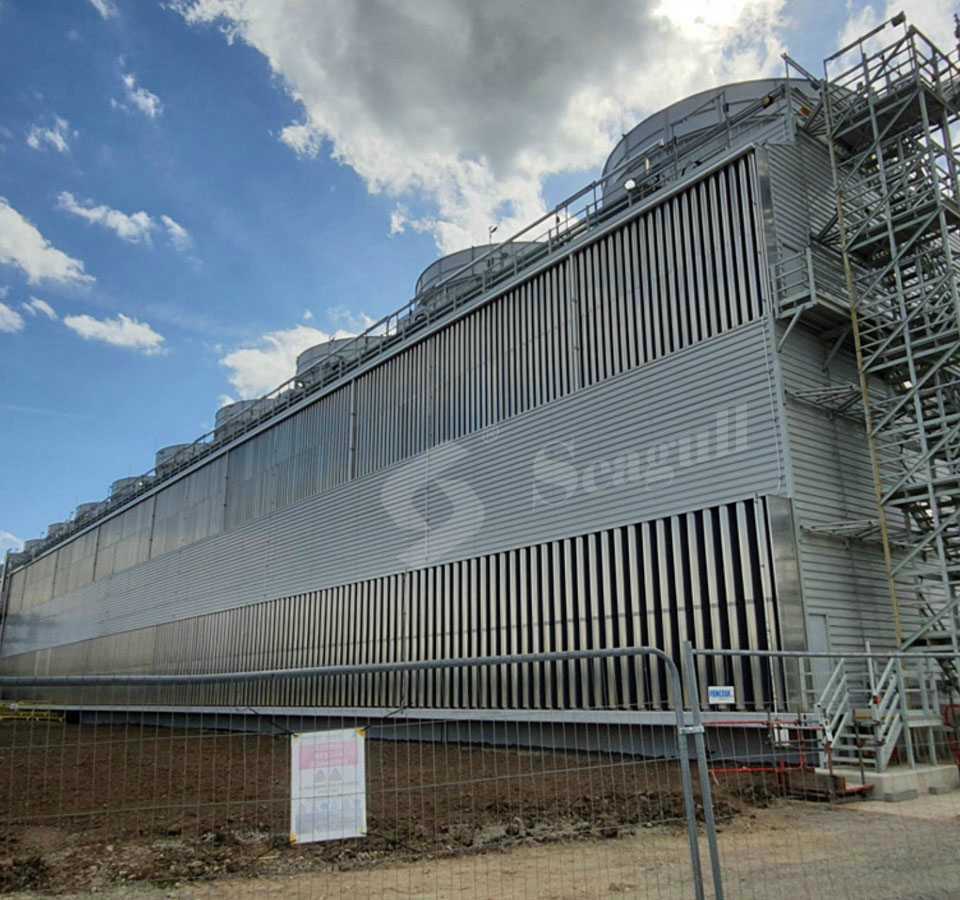
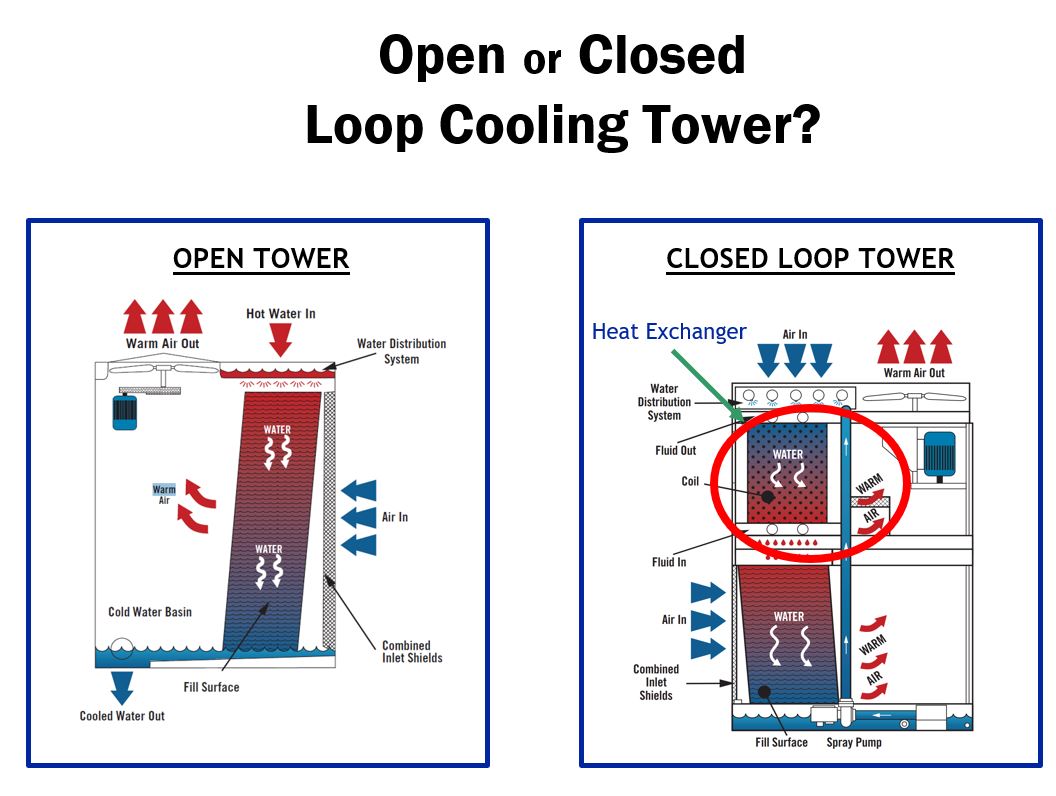
Open circuit towers are widely used in office HVAC systems. They are:
Cost-effective
Easy to maintain
Proven and reliable
Ideal where water treatment is properly managed.
Closed circuit towers (fluid coolers) keep process water isolated from air. They offer:
Cleaner systems
Reduced maintenance
Higher initial cost
They’re often chosen for premium buildings or sensitive environments.
Induced draft cooling towers are quieter and more efficient
Forced draft towers are compact but noisier
For office buildings, induced draft designs are usually preferred.
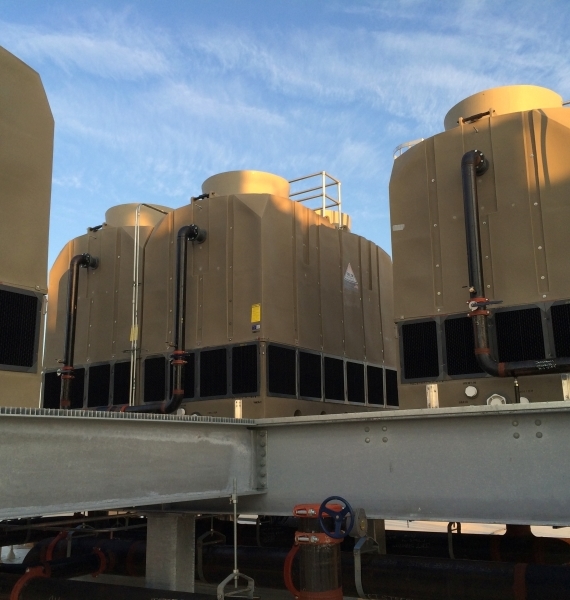
A cooling tower that looks good on paper can fail in real life if design factors are ignored.
Oversizing wastes energy. Undersizing causes comfort complaints. The right design matches real building load—not worst-case guesses.
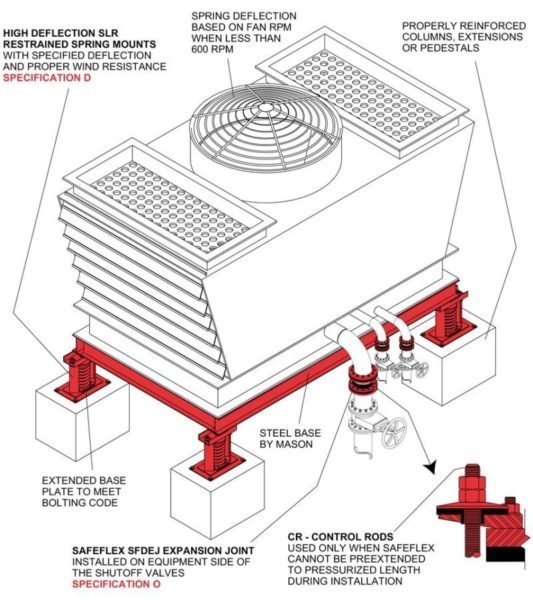
Noise matters in office environments. Low-noise fans, vibration isolation, and acoustic treatments are essential—especially for rooftop installations.
Office buildings often have limited rooftop or ground space. Compact footprints and lightweight structures can make or break a project.
High-efficiency commercial cooling towers:
Reduce electrical demand
Improve chiller COP
Support green building certifications
Lower energy use means lower operating cost—and happier owners.
Material choice affects lifespan and maintenance.
FRP cooling towers resist corrosion, require less maintenance, and offer long service life
Galvanized steel towers have lower upfront cost but may need more maintenance over time
For office buildings with long ownership cycles, FRP is often the smarter choice.
Saves ground space
Requires lightweight design
Needs noise and vibration control
Easier access for maintenance
Requires longer piping runs
Needs noise planning for nearby offices
Each option has trade-offs.
Office buildings demand minimal disruption. A well-designed cooling tower requires:
Routine inspection
Proper water treatment
Seasonal checks
Preventive maintenance keeps tenants comfortable and avoids costly surprises.
Typical issues include:
Scale buildup
Biological growth
Airflow restriction
Good design, proper operation, and quality manufacturing eliminate most problems before they start.
Ask the right questions:
What is the local wet bulb temperature?
How strict are noise limits?
What is the expected operating schedule?
Is future expansion planned?
Selection is about balance—not extremes.
MACH Cooling (https://www.machcooling.com/) is a professional manufacturer specializing in commercial cooling towers for office buildings. With advanced engineering, customized solutions, and global project experience, MACH Cooling delivers systems that are:
Quiet
Energy-efficient
Durable
Designed for real-world conditions
Their focus isn’t just equipment—it’s long-term performance.
Initial cost matters—but lifecycle cost matters more. Energy savings, reduced maintenance, and longer service life define the true value of a commercial cooling tower.
Are cooling towers safe for office buildings?
Yes, when properly designed, operated, and maintained.
Can cooling towers be customized for building constraints?
Absolutely. Customization is common in commercial projects.
A commercial cooling tower for office buildings is more than HVAC equipment—it’s the backbone of indoor comfort and energy efficiency. When designed correctly and supplied by an experienced manufacturer like MACH Cooling, it delivers quiet, reliable performance year after year.
In the end, the best cooling tower is the one nobody notices—because it just works.