We Provide Cooling Tower Solution

Views: 0 Author: Site Editor Publish Time: 2026-01-06 Origin: Site


In modern industrial facilities, cooling systems are expected to do more than just remove heat. They must operate efficiently, reliably, quietly, and sustainably—often under continuous load. Among the many cooling technologies available today, cross flow cooling towers stand out as a proven and widely adopted solution.
So what makes cross flow cooling towers such a popular choice in industrial applications? Let’s take a closer look at their working principles, structural advantages, energy-saving benefits, and why manufacturers and plant operators around the world continue to rely on them.
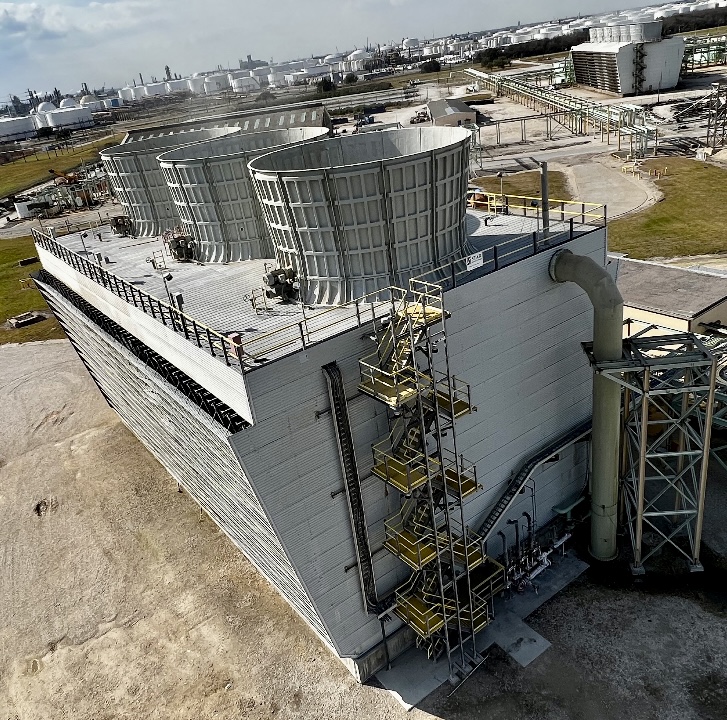
A cross flow cooling tower is a type of evaporative cooling tower designed so that air flows horizontally across the falling water, rather than vertically upward. This seemingly simple change in airflow direction creates a range of performance and operational advantages that are especially valuable in industrial environments.
From HVAC systems to power plants and manufacturing facilities, cross flow cooling towers deliver consistent cooling performance with lower operating costs and easier maintenance.
In a cross flow cooling tower, hot process water enters distribution basins located at the top of the tower. The water then flows downward over the fill media by gravity. At the same time, ambient air enters through large louvers on the sides of the tower and moves horizontally across the descending water.
As air and water interact, heat is transferred from the water to the air through evaporation, reducing the water temperature before it is collected in the cold-water basin and returned to the process.
Industrial users favor cross flow cooling towers because they offer a balanced combination of:
Energy efficiency
Mechanical simplicity
Stable thermal performance
Low maintenance requirements
These features make cross flow cooling towers especially suitable for facilities that operate continuously or experience fluctuating cooling loads.

The defining feature of a cross flow cooling tower is the perpendicular relationship between air and water flow. Water falls vertically while air passes horizontally through the fill. This configuration reduces airflow resistance and allows large volumes of air to move through the tower efficiently.
Unlike pressurized spray systems, cross flow cooling towers use open hot-water basins with gravity-fed distribution. Water flows evenly through large orifices, spreading gently over the fill surface.
This design minimizes clogging, reduces pump pressure requirements, and simplifies routine maintenance—an important advantage in industrial settings.
Because water distribution relies on gravity rather than pressure, cross flow cooling towers require significantly lower pump head. This leads to:
Reduced pumping energy
Less mechanical stress on pumps
Longer equipment service life
Over years of operation, these savings can be substantial.
Cross flow cooling towers typically feature fewer spray nozzles and a simpler mechanical layout than other tower designs. With fewer moving parts and less complexity, the risk of mechanical failure is reduced, improving overall system reliability.
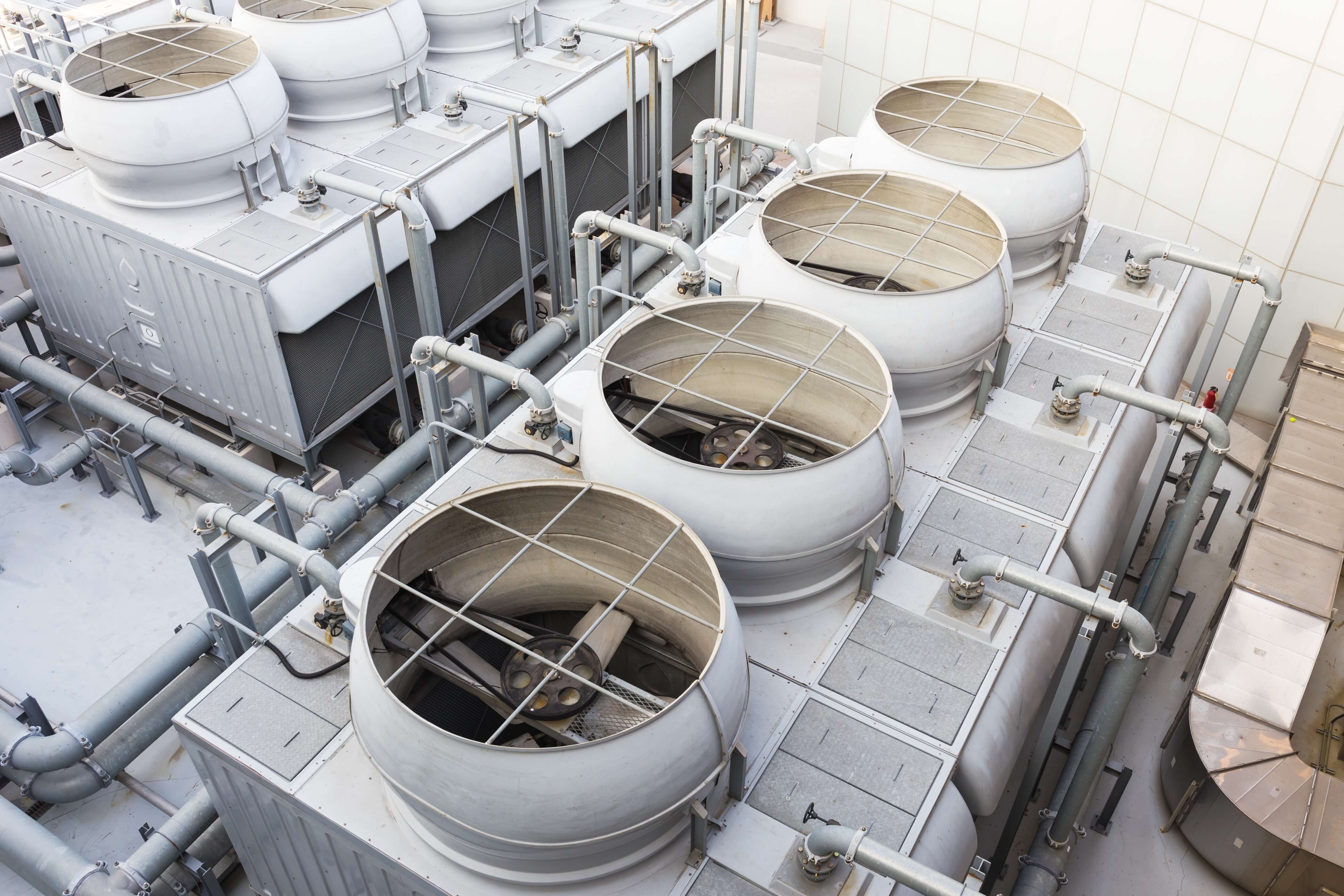
The horizontal airflow path in a cross flow cooling tower creates a lower pressure drop across the fill. As a result, fans can operate at lower static pressure, reducing motor power consumption and overall energy use.
The gravity-based water distribution system significantly reduces pumping energy. For industrial plants operating 24/7, even small reductions in pump power translate into meaningful long-term cost savings.
Cross flow cooling towers provide even water distribution across the entire fill surface. This uniform loading improves heat transfer efficiency and reduces localized scaling or dry spots that can degrade performance over time.
Consistent air–water contact across the fill allows cross flow cooling towers to maintain stable cooling performance, even when process loads fluctuate.
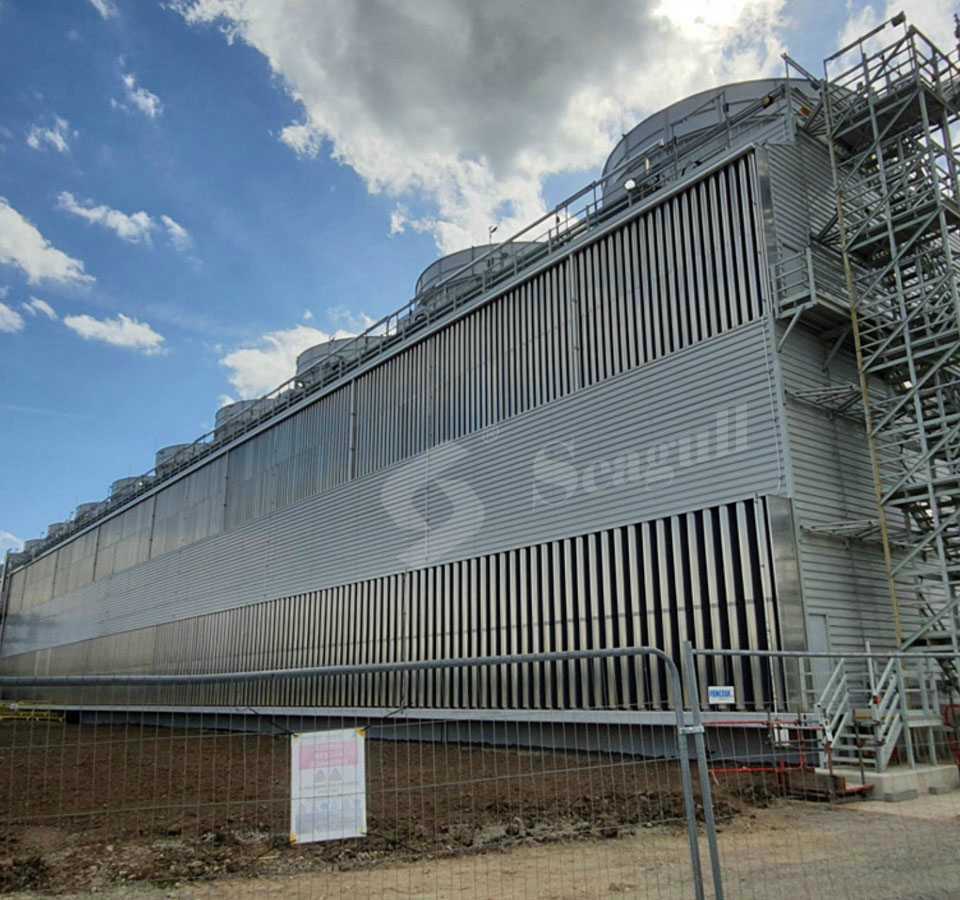
Because air enters the tower at low velocity through large side openings, cross flow cooling towers generate less noise than many alternative designs. This makes them ideal for:
Urban industrial facilities
Commercial HVAC systems
Noise-sensitive locations
In many cases, additional sound attenuation is unnecessary.
Cross flow cooling towers typically offer large access doors and open basin designs, allowing maintenance personnel to easily inspect water distribution systems, fill media, and internal components.
Lower operating pressures, simpler mechanics, and easy access combine to reduce maintenance time and cost. This means less downtime and more reliable cooling performance over the life of the system.
Industrial processes rarely operate at constant load. Cross flow cooling towers handle load variations smoothly, maintaining consistent performance without frequent adjustments or operational instability.
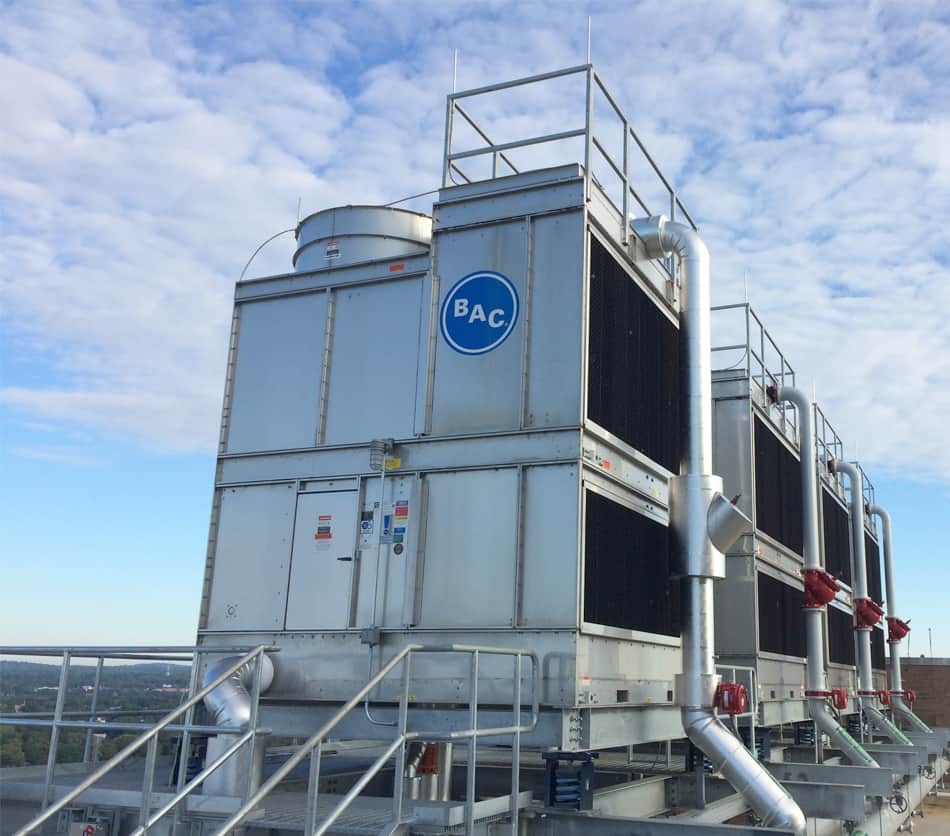
Large commercial and industrial HVAC systems commonly use cross flow cooling towers due to their quiet operation, energy efficiency, and ease of maintenance.
In power generation, petrochemical processing, and manufacturing, cross flow cooling towers provide the reliability and capacity required for continuous, high-demand operation.
Efficient heat transfer and stable water distribution allow cross flow cooling towers to operate at higher cycles of concentration. This reduces blowdown and overall water consumption—an increasingly important advantage in regions facing water scarcity.
Mach Cooling (https://www.machcooling.com/) is a professional cooling tower manufacturer specializing in high-performance industrial cooling solutions. Mach Cooling cross flow cooling towers are engineered for:
Optimized airflow and water distribution
Robust structural integrity
Easy maintenance and long service life
Reliable performance under demanding industrial conditions
Choosing the right manufacturer is just as important as choosing the right cooling tower design—and Mach Cooling delivers both.

Cross flow cooling towers offer a compelling combination of efficiency, simplicity, and durability. With lower energy consumption, quieter operation, easier maintenance, and long-term reliability, they remain one of the most practical and cost-effective cooling solutions for industrial applications.
For facilities seeking dependable cooling performance and sustainable operation, cross flow cooling towers are a smart, proven investment.