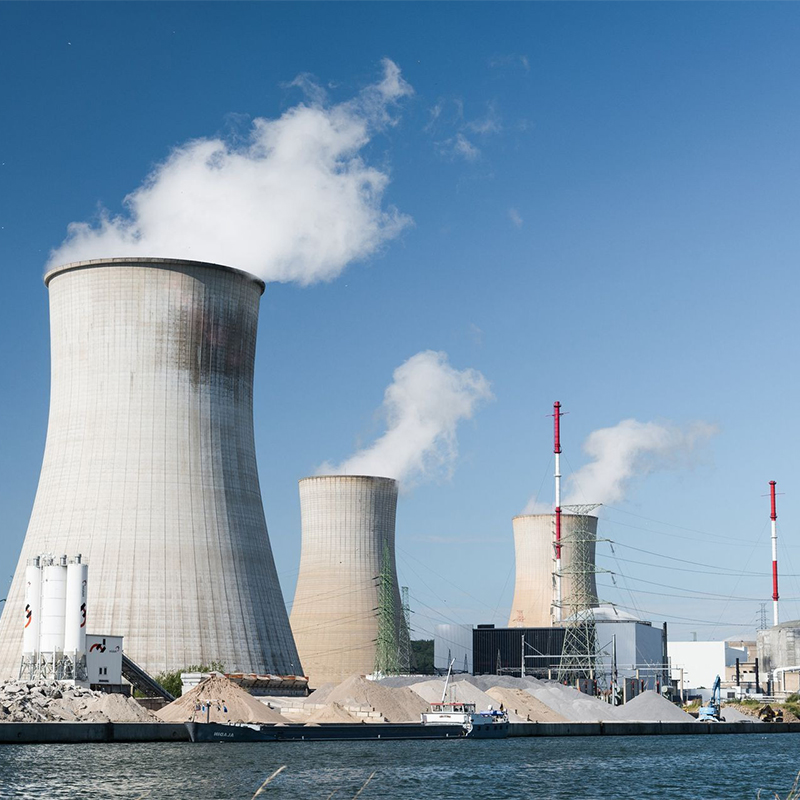
We Provide Cooling Tower Solution

Views: 0 Author: Cindy Publish Time: 2026-11-11 Origin: Site


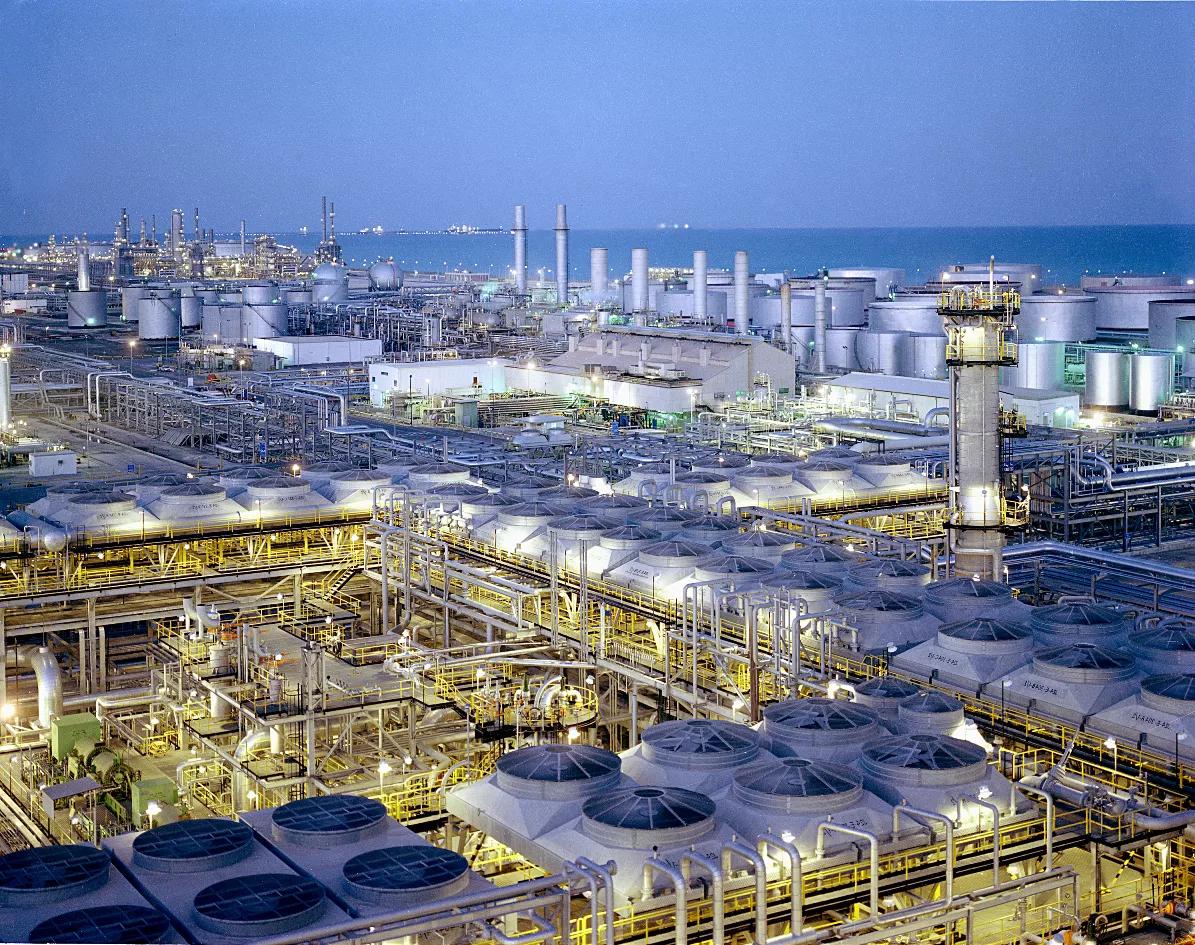
Saudi Arabia has a diverse and rapidly developing industrial economy. Oil and gas facilities, petrochemical plants, power stations, manufacturing factories, and large commercial developments all depend on reliable cooling systems. In many of these operations, industrial cooling towers play a critical role.
Why is cooling so important? Industrial equipment generates heat continuously. If that heat is not removed efficiently, production performance can decline, equipment may experience unnecessary stress, and operating costs can increase.
Saudi Arabia presents additional challenges for cooling system design. High outdoor temperatures, dust, strong sunlight, and pressure on water resources all influence equipment selection and operation. A cooling tower that performs well in a mild climate may not deliver the same results under different local conditions.
This buyer’s guide explains how industrial cooling towers work, which types are commonly used, what buyers should consider before purchasing, and how to maintain long-term performance.
If you are comparing cooling tower manufacturers or planning an industrial cooling project in Saudi Arabia, understanding these factors will help you make a more informed decision.
An industrial cooling tower is a heat-rejection device that removes unwanted heat from circulating water. It transfers heat from the water into the surrounding air, mainly through evaporation.
Cooling towers are commonly connected to industrial process equipment, heat exchangers, chillers, condensers, and other systems that require continuous heat removal.
Unlike a simple radiator, a cooling tower uses airflow and water distribution to create effective heat exchange. A portion of the circulating water evaporates, carrying heat away from the remaining water.
The operating principle is straightforward:
Warm water enters the cooling tower from the industrial process.
A distribution system spreads the water over the fill or heat-transfer surface.
Air moves through the tower and contacts the falling water.
A small amount of water evaporates, removing heat.
Cooler water collects in the basin and returns to the process.
Think of it as a continuous heat-exchange cycle. The tower receives warm water, transfers its heat to the atmosphere, and sends cooler water back to the equipment.
Actual cooling performance depends on several factors, including entering water temperature, leaving water temperature, water flow rate, airflow, ambient wet-bulb temperature, and tower design.
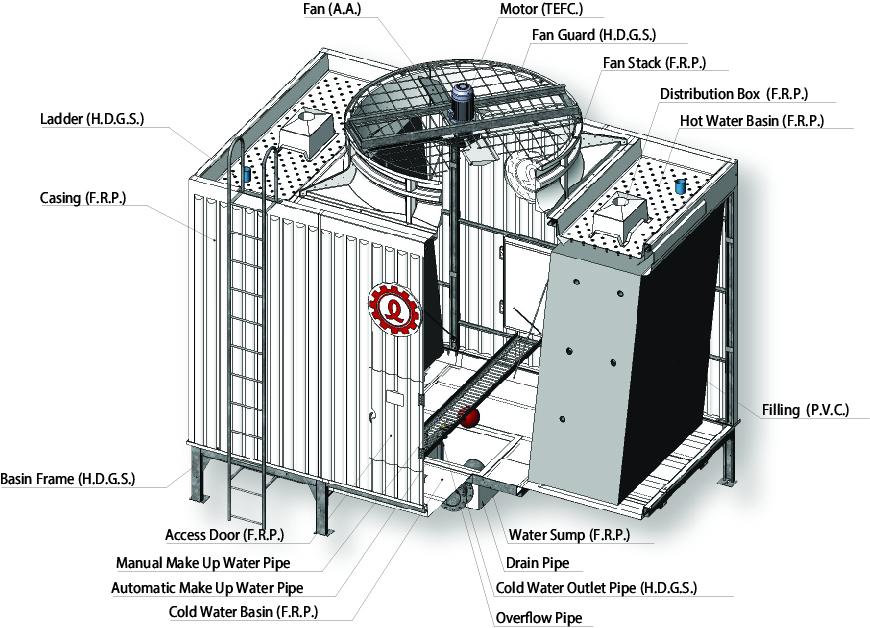
A typical industrial cooling tower includes several important components:
Casing and structure: Support and protect the tower.
Cooling tower fill: Creates a large contact area between air and water.
Water distribution system: Spreads water evenly across the fill.
Fan and motor: Move air through mechanical-draft towers.
Drift eliminators: Reduce water droplets carried out with exhaust air.
Cold water basin: Collects cooled water.
Louvers: Help control incoming airflow and reduce water splash-out.
Every component contributes to overall performance. Poor water distribution, damaged fill, or an incorrectly selected fan can reduce cooling efficiency even when the tower itself is properly sized.
Saudi Arabia's climate and industrial operating conditions make cooling system selection particularly important. Buyers should evaluate the actual project environment rather than choosing equipment based only on nominal capacity.
Many regions of Saudi Arabia experience very high outdoor temperatures during the summer. This creates demanding conditions for industrial cooling systems.
However, dry-bulb temperature alone does not determine cooling tower performance. The wet-bulb temperature is especially important because it represents the theoretical lower temperature limit that an evaporative cooling tower approaches under ideal conditions.
A higher design wet-bulb temperature generally makes it harder to achieve a low cold-water temperature.
For this reason, buyers should provide manufacturers with the project's local design conditions. The cooling tower should be selected using the expected operating range, not an assumed standard climate.
Water is an important operating resource for evaporative cooling towers. Water is lost through evaporation, drift, and blowdown.
Saudi industrial projects should consider water availability, water treatment requirements, and the cost of maintaining suitable circulating-water quality.
A well-designed system can help reduce unnecessary water consumption through effective drift control, appropriate cycles of concentration, and a suitable water treatment program.
Dust and airborne sand can affect cooling tower operation. They may accumulate around air inlets, louvers, fill surfaces, and mechanical components.
In coastal locations, salt-laden air may also increase corrosion risks. Strong sunlight and high temperatures can affect exposed materials over time.
When selecting a tower for Saudi Arabia, consider material durability, corrosion protection, access for cleaning, and the availability of replacement components.
Different industrial projects require different cooling tower configurations. The right choice depends on heat load, available space, water conditions, maintenance access, and project budget.
In a counterflow cooling tower, air moves upward while water flows downward. The two streams travel in opposite directions, creating a heat-transfer arrangement that can provide effective thermal performance.
Counterflow designs are often considered when a compact footprint is important.
Potential advantages include:
Compact installation layout.
Effective air-water contact.
Flexible configurations for different capacities.
Suitability for many industrial cooling applications.
However, the tower's fan, water distribution system, and internal layout must be designed as a complete system.
In a crossflow cooling tower, air moves horizontally across the falling water. Water is distributed above the fill and flows downward while air passes through the fill at approximately a right angle.
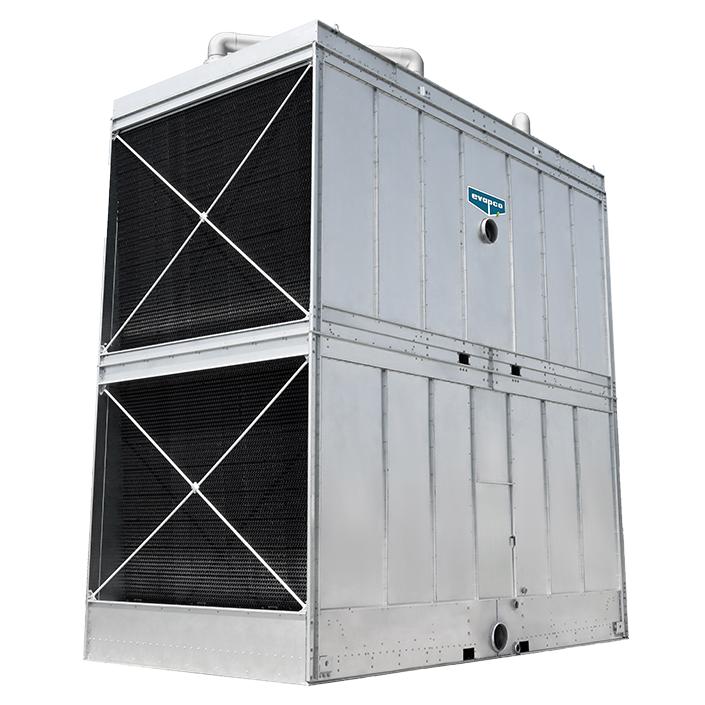
Crossflow towers often provide convenient access to certain internal components and water distribution areas.
They can be suitable for industrial projects where maintenance access and layout are important considerations.
The final choice between crossflow and counterflow should be based on thermal performance, site conditions, operating requirements, and total project cost.
Mechanical draft cooling towers use fans to move air through the tower. They are widely used in industrial and commercial cooling applications.
Two common arrangements are:
Induced draft: The fan is installed near the air outlet and pulls air through the tower.
Forced draft: The fan pushes air into the tower.
Mechanical draft systems allow airflow to be controlled more directly than natural-draft designs. Fan selection, motor efficiency, vibration, and maintenance access are important factors.
FRP stands for fiber-reinforced plastic. FRP cooling towers use composite materials for some or most of their structural and casing components.
FRP is attractive in many industrial environments because it is relatively lightweight and can offer good corrosion resistance when properly manufactured and specified.
For projects in Saudi Arabia, buyers should confirm the resin system, structural design, UV resistance, temperature limits, and suitability for the actual operating environment.
FRP is not automatically the best material for every application. The correct material depends on water chemistry, temperature, mechanical loads, and site exposure.
Cooling towers support many industries across Saudi Arabia. Although their basic function remains the same, each application has different operating requirements.
Oil and gas facilities use cooling systems for heat exchangers, compressors, process equipment, and auxiliary systems.
These operations often require reliable cooling during extended operating periods. Equipment selection should consider process heat load, water quality, corrosion risks, and maintenance requirements.
Petrochemical and chemical facilities may operate multiple processes that generate substantial heat.
Cooling towers help remove this heat and maintain suitable operating temperatures. Depending on the process, buyers may need to consider special materials, water treatment requirements, and redundancy arrangements.
Power generation facilities use cooling systems to reject heat from condensers and auxiliary equipment.
The required cooling capacity can be substantial. Engineers should evaluate seasonal operating conditions, water availability, system reliability, and the consequences of reduced cooling performance.
Manufacturing facilities may use cooling towers for production machinery, industrial chillers, injection molding equipment, compressors, and other heat-generating processes.
Large commercial and industrial HVAC systems also use cooling towers to reject heat from water-cooled chillers.
For these applications, the correct tower capacity and stable water flow help maintain comfortable building conditions and dependable production.
Choosing a cooling tower is not simply a matter of comparing prices or selecting the largest model. A suitable system must match the actual thermal load and operating conditions.
Start by calculating the heat load that the cooling tower must reject.
The basic relationship is:
Heat Load = Water Flow Rate × Specific Heat × Temperature Difference
For water, engineers commonly use the following simplified metric relationship:
Q (kW) ≈ 1.163 × Flow Rate (m³/h) × Range (°C)
Here, the range is the difference between the hot-water temperature entering the tower and the cold-water temperature leaving it.
For example, a system circulating 100 m³/h of water with a 5°C temperature range has an approximate heat load of 581.5 kW.
This is a simplified thermal calculation, not a complete tower selection. The manufacturer must also consider wet-bulb temperature, approach, airflow, and other design factors.
The wet-bulb temperature is one of the most important factors in cooling tower selection.
Buyers should provide:
Project location.
Design wet-bulb temperature.
Hot-water inlet temperature.
Required cold-water outlet temperature.
Water circulation rate.
Expected operating hours.
Seasonal load variations.
The difference between the cold-water outlet temperature and the design wet-bulb temperature is called the approach.
A smaller approach generally requires a larger or more capable cooling tower. It may also increase equipment and operating costs.
Do not ask a manufacturer to quote only by tonnage. Provide the full operating conditions for a more accurate selection.
Water quality has a direct effect on cooling tower performance and maintenance.
Important parameters include:
Hardness and scaling potential.
Suspended solids.
pH.
Chloride concentration.
Conductivity.
Biological growth potential.
High mineral content can cause scale formation, while suspended solids may block fill passages and water distribution nozzles.
A water treatment program should be developed according to the actual source water and operating conditions.
Material selection affects service life, maintenance, and corrosion resistance.
FRP, galvanized steel, stainless steel, PVC, and polypropylene may all be used in different cooling tower components.
The correct choice depends on water chemistry, temperature, exposure, mechanical requirements, and budget.
For outdoor installations in Saudi Arabia, buyers should pay particular attention to UV exposure, corrosion protection, and the suitability of materials for local environmental conditions.
Cooling tower energy consumption mainly comes from fans and associated pumps.
A tower with a high initial purchase price may deliver lower operating costs if it uses efficient fans, motors, and properly designed heat-transfer components.
When comparing suppliers, ask for fan power, motor efficiency, expected operating conditions, and performance data.
Variable-frequency drives may also help adjust fan speed to changing cooling loads, where appropriate.
A cooling tower is only as reliable as its individual components. Buyers should evaluate the quality and compatibility of the complete system.
FRP casing and structural components can reduce weight and provide corrosion resistance in suitable applications.
For hot and sunny locations, confirm that the selected material and surface protection are suitable for long-term outdoor exposure.
Also check structural strength, connection design, installation requirements, and access for inspection.
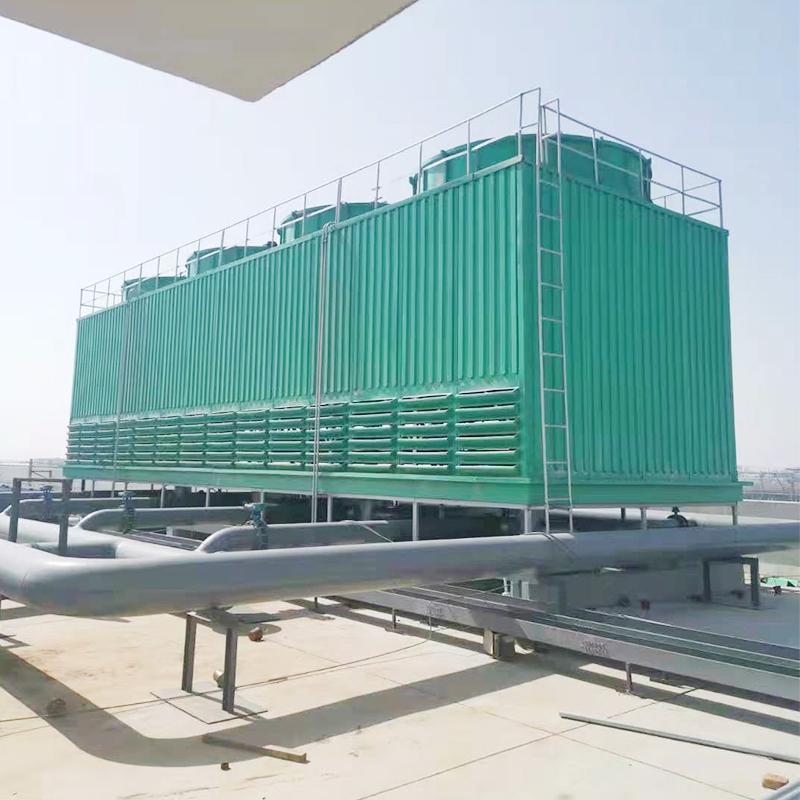
Cooling tower fill increases the contact area between water and air, improving heat transfer.
Two common material choices are PVC and PP.
PVC fill is widely used in many conventional cooling tower applications. It offers practical thermal performance and is available in different sheet and block configurations.
PP fill may be considered for applications with higher water temperatures or specific chemical requirements, subject to the manufacturer's temperature and compatibility limits.
Fill selection should consider:
Operating water temperature.
Water quality and scaling risk.
Suspended solids.
Chemical compatibility.
Fill geometry and pressure drop.
Cleaning and replacement requirements.
Choosing the correct fill is especially important in dusty environments. Fill passages should be suitable for the water quality and maintenance conditions of the site.
The fan system provides the airflow needed for heat rejection.
A suitable fan should match the tower's airflow requirement while maintaining acceptable noise, vibration, and power consumption.
Check the following before purchasing:
Fan diameter and blade material.
Motor power and efficiency.
Gearbox or belt-drive arrangement.
Operating speed.
Vibration limits.
Maintenance access.
Availability of replacement parts.
Incorrect fan selection can increase energy consumption and reduce cooling performance.
The water distribution system should spread water evenly over the fill.
Depending on the tower design, it may use spray nozzles, distribution pipes, or gravity-fed basins.
Poor distribution creates dry areas and uneven heat transfer. Buyers should ask about nozzle design, filtration requirements, inspection access, and the ability to clean blocked components.
Even a correctly selected cooling tower can underperform if the installation site is poorly planned.
Before installation, evaluate the available footprint, foundation design, equipment access, electrical supply, piping layout, and maintenance clearance.
Airflow is particularly important. Avoid placing the tower where nearby walls, buildings, or other equipment may obstruct air intake or exhaust. Poor positioning can contribute to hot-air recirculation, reducing cooling performance.
For outdoor installations, consider sun exposure, wind direction, dust accumulation, and corrosion risks.
The foundation must support the operating weight of the tower, including water and dynamic loads. Structural requirements should be confirmed by qualified project engineers.
For larger projects, installation planning should also include lifting arrangements, commissioning procedures, water treatment preparation, and safe access for future maintenance.
Regular maintenance helps protect cooling performance and reduce unexpected downtime. In Saudi Arabia, maintenance plans should account for dust, high temperatures, water quality, and actual operating hours.
Inspect the cooling tower according to a planned schedule.
Important inspection points include:
Fan blades and hubs.
Motors, gearboxes, and bearings.
Fill blocks and supports.
Water distribution nozzles.
Louvers and drift eliminators.
Basin condition and water level.
Structural connections and corrosion protection.
Unusual noise, vibration, uneven water flow, or changes in motor current may indicate a developing problem.
Water treatment is essential for controlling scale, corrosion, and biological growth.
A suitable program may include filtration, chemical treatment, conductivity monitoring, and controlled blowdown.
The exact treatment method should be determined by water analysis and operating conditions. Cooling tower water should also be managed in accordance with applicable health, safety, and environmental requirements.
Dust and suspended solids can accumulate in the basin and on internal surfaces. Deposits may also block nozzles or restrict fill passages.
Cleaning frequency should be based on inspection results, water quality, and site conditions.
Damaged fill, worn fan components, leaking pipes, and deteriorated drift eliminators should be repaired or replaced when necessary.
Replacing a worn component at the right time can prevent a relatively small problem from affecting the entire cooling system.
The purchase price of an industrial cooling tower varies according to capacity, configuration, materials, components, and project requirements.
A small packaged tower and a large industrial cooling system are not directly comparable. Even towers with similar nominal capacities may have different prices because of their design conditions and included equipment.
Common cost factors include:
Cooling capacity and water flow rate.
Counterflow or crossflow configuration.
FRP, steel, or other construction materials.
Fan, motor, and gearbox specifications.
Fill and drift eliminator quality.
Water distribution system.
Transportation and installation.
Commissioning and water treatment.
Spare parts and long-term maintenance.
Buyers should compare the total cost of ownership rather than focusing only on the initial quotation.
A low-cost tower may require more maintenance or consume more electricity. A well-designed system may cost more initially but offer better operating value over its service life.
Ask suppliers to clearly identify what is included in the quotation, what is excluded, and which performance conditions are guaranteed.
Some purchasing mistakes can create problems long after installation.
Choosing a tower based only on nominal tonnage: Cooling tower capacity depends on design conditions. Always provide water flow, inlet and outlet temperatures, and wet-bulb temperature.
Ignoring local environmental conditions: Dust, heat, sunlight, and water chemistry can affect equipment selection.
Comparing quotations without checking specifications: Two suppliers may quote different fan systems, materials, fill configurations, or performance conditions.
Overlooking maintenance access: A tower that is difficult to inspect or clean may create higher maintenance costs.
Focusing only on initial price: Energy consumption, spare parts, cleaning, and service life all affect long-term cost.
Not confirming replacement part availability: Ask about drawings, component specifications, spare parts, and technical support before placing an order.
An experienced manufacturer can help buyers move beyond basic product comparisons and select a cooling tower that matches the project.
A reliable supplier should be able to review operating data, recommend a suitable configuration, provide technical drawings, and explain the performance assumptions behind the quotation.
Before choosing a manufacturer, consider:
Experience with industrial cooling tower projects.
Product range and customization capabilities.
Quality control and material specifications.
Technical documentation.
Performance selection support.
Spare parts availability.
Export packing and shipping experience.
Communication during installation and after-sales support.
For international projects, clear documentation is particularly important. Buyers should confirm delivery terms, packaging details, inspection arrangements, warranty conditions, and the scope of technical assistance.
For industrial buyers comparing cooling tower manufacturers, Mach Industry (Zhejiang) Co.,Ltd provides an option to consider when evaluating cooling equipment and project requirements.
Mach Cooling focuses on industrial cooling tower solutions and supports customers who need equipment matched to their operating conditions.
When planning a cooling tower project in Saudi Arabia, buyers should prepare the relevant technical information before requesting a quotation. This helps the manufacturer evaluate the required capacity and recommend a suitable configuration.
Useful information to provide includes:
Project location in Saudi Arabia.
Required cooling capacity.
Circulating water flow rate.
Hot-water inlet temperature.
Required cold-water outlet temperature.
Design wet-bulb temperature.
Water quality information.
Installation space and layout.
Preferred materials and project requirements.
With these details, the technical team can assess the application more accurately and discuss an appropriate cooling tower solution.
To learn more about Mach Cooling's products and manufacturing capabilities, visit the official website:
Mach Industry (Zhejiang) Co.,Ltd – www.machcooling.com

When comparing suppliers, request detailed technical specifications and confirm that the proposed equipment meets your project's required operating conditions.
There is no single best type for every project. Counterflow, crossflow, mechanical-draft, and FRP cooling towers can all be suitable depending on capacity, site layout, water quality, maintenance requirements, and design conditions.
The best option is the one that meets the project's thermal requirements and operating priorities.
High wet-bulb temperatures can limit the cold-water temperature an evaporative cooling tower can achieve. Dust, sunlight, and coastal conditions may also affect maintenance needs and material selection.
Manufacturers should use project-specific local design conditions when selecting equipment.
At minimum, provide the required water flow rate, hot-water inlet temperature, cold-water outlet temperature, and design wet-bulb temperature.
Project location, water quality, installation space, operating schedule, and preferred materials are also useful.
FRP towers can be suitable for many Saudi industrial applications because properly specified FRP components offer useful corrosion resistance and relatively low weight.
However, buyers should confirm UV resistance, temperature limits, structural strength, and compatibility with the operating environment.
There is no universal cleaning interval. Frequency depends on water quality, dust exposure, operating hours, and inspection results.
A planned maintenance program should include regular checks of the basin, fill, nozzles, louvers, and drift eliminators.
Start by ensuring that the tower is correctly selected for the actual heat load. Maintain clean fill and nozzles, optimize fan operation, manage water treatment, and repair damaged components promptly.
Energy and water consumption should be monitored over time to identify opportunities for improvement.
Range is the difference between the hot-water temperature entering the tower and the cold-water temperature leaving it.
Approach is the difference between the cold-water outlet temperature and the entering-air wet-bulb temperature.
Both values are essential for cooling tower selection and performance evaluation.
Yes. International manufacturers can supply cooling tower equipment for Saudi industrial projects, subject to project specifications, applicable requirements, shipping arrangements, and import procedures.
Buyers should confirm technical documentation, packaging, delivery terms, warranty conditions, and after-sales support before ordering.
Industrial cooling towers are essential for many sectors in Saudi Arabia, including oil and gas, petrochemicals, power generation, manufacturing, and HVAC.
However, selecting the right tower requires more than choosing a capacity or comparing quotations. Buyers need to consider local wet-bulb conditions, water quality, dust exposure, materials, energy consumption, maintenance access, and long-term operating costs.
A carefully selected cooling tower can support stable production, efficient heat rejection, and dependable operation.