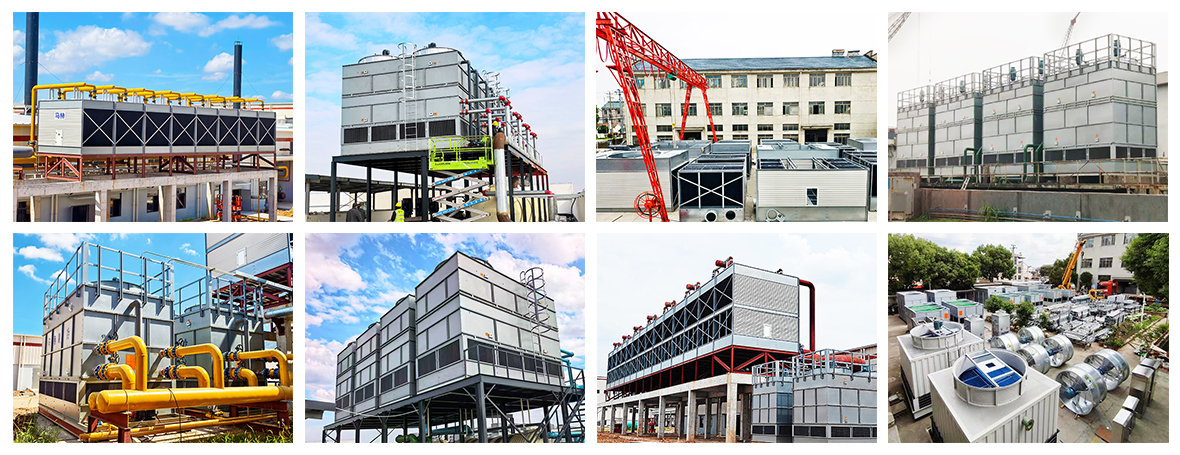
We Provide Cooling Tower Solution

Views: 0 Author: Cindy Publish Time: 2026-11-12 Origin: Site


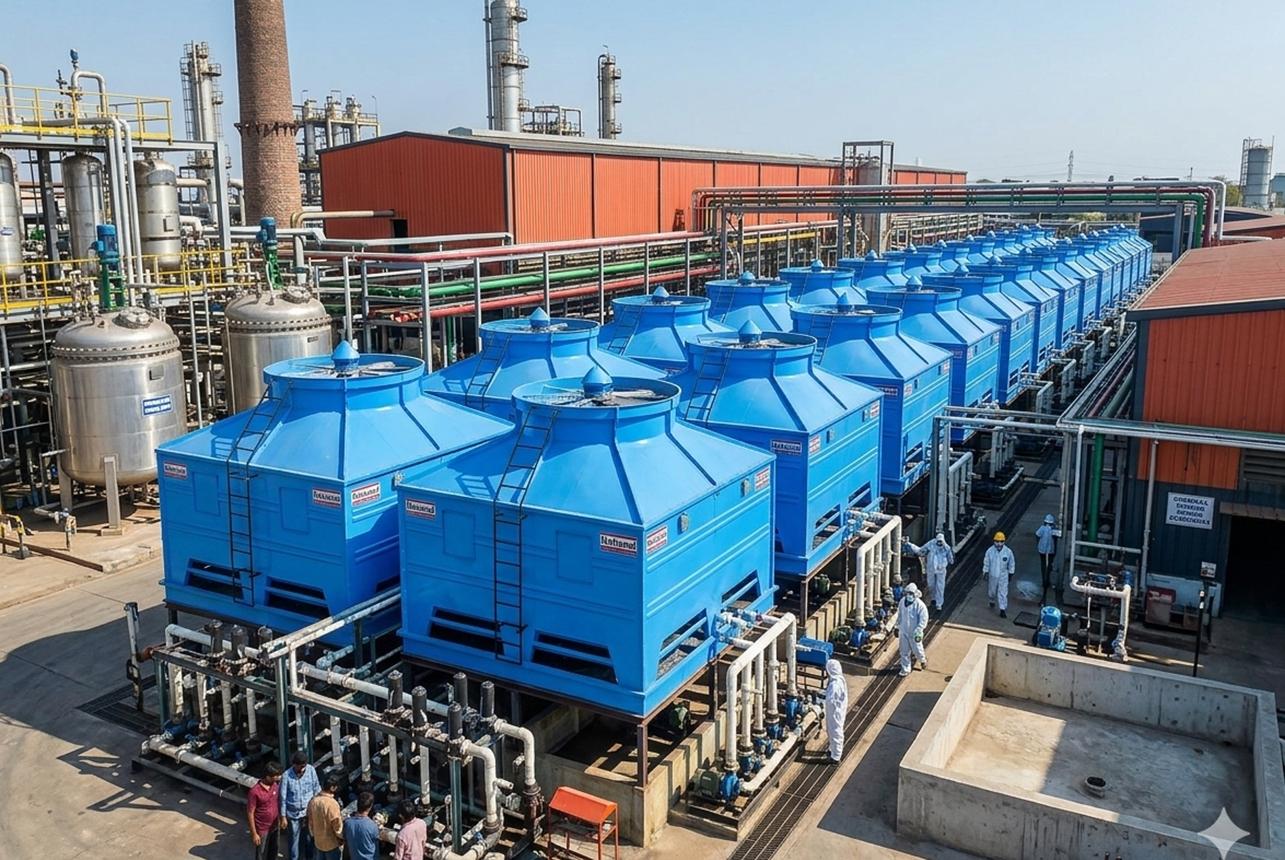
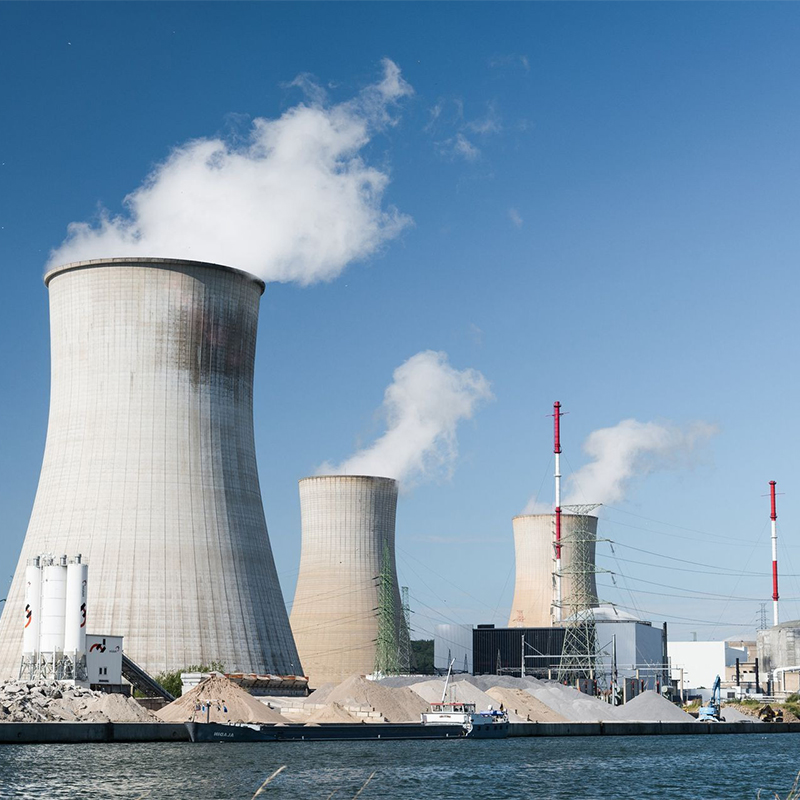
Choosing the right cooling tower service company is about much more than finding someone who can repair a fan or clean a water basin. Your cooling tower plays a critical role in heat rejection, production stability, equipment protection, and operating costs. When it fails, the impact can spread across your entire facility.
So, how do you find a company that understands your equipment, responds to your needs, and helps you avoid expensive downtime?
The answer starts with understanding your requirements. You need to evaluate technical experience, service capabilities, spare parts availability, quality standards, safety procedures, and long-term support. You should also understand whether you need a local maintenance contractor, a cooling tower manufacturer, or both.
In this guide, we'll walk through the most important factors to consider before choosing a cooling tower service company. We'll also explain how Mach Industry (Zhejiang) Co.,Ltd, known as Mach Cooling, can be considered when your project involves cooling tower equipment selection, manufacturing, or replacement.
An industrial cooling tower operates under demanding conditions. Water, air, heat, vibration, chemical treatment, and outdoor exposure all affect its performance. Even a relatively small problem can gradually become a major operational issue.
For example, blocked fill can reduce heat transfer. Incorrect fan operation can increase energy consumption. Damaged drift eliminators may allow excessive water droplets to escape. A poorly maintained gearbox can eventually cause an unexpected shutdown.
A qualified service partner helps you identify these problems before they become serious.
The right company can help you:
Maintain stable cooling performance.
Reduce unplanned equipment downtime.
Identify damaged or aging components.
Improve energy and water efficiency.
Plan repairs and replacement work.
Extend the useful life of cooling tower equipment.
Think of a cooling tower service company as a long-term partner rather than a one-time repair provider. The best choice is the one that understands your operating conditions and provides practical solutions.
Before contacting suppliers, define the work you expect them to perform. Not every cooling tower service company provides the same services.
Some contractors focus on cleaning and routine maintenance. Others specialize in mechanical repairs, water treatment, structural refurbishment, or complete cooling tower installation. Equipment manufacturers may provide product selection, replacement equipment, technical documentation, and after-sales assistance.
Routine maintenance helps keep the cooling tower operating as designed. Typical tasks include checking water distribution, inspecting the fill, cleaning strainers, examining the fan system, and checking electrical connections.
A maintenance plan should be based on the equipment manufacturer's recommendations, operating hours, water quality, and site conditions.
Ask the company to explain exactly what is included in each maintenance visit. A vague promise to "check the tower" is not a detailed maintenance scope.
Inspection is more than looking at the outside of the equipment. A proper assessment should consider the tower's mechanical condition and thermal performance.
Depending on the project, inspections may cover:
Fan blade condition and pitch.
Motor and gearbox operation.
Vibration and unusual noise.
Fill condition and water distribution.
Drift eliminator condition.
Basin cleanliness and leakage.
Corrosion and structural damage.
Operating temperatures and water flow.
If cooling performance has declined, ask whether the company can help investigate the cause rather than simply recommending a full equipment replacement.
Cooling towers contain several components that may wear out or become damaged over time. Common replacement items include fill media, drift eliminators, fan blades, motors, gearboxes, bearings, nozzles, and water distribution components.
A reliable provider should identify the failed component, explain why it needs repair or replacement, and confirm that the proposed part is compatible with your tower.
Do not assume that a component will fit simply because it looks similar. Dimensions, material, operating conditions, and equipment design all matter.
Some facilities need more than routine maintenance. Their cooling demand may have increased, existing equipment may be outdated, or energy costs may have become difficult to manage.
In these cases, you may need a company that can coordinate equipment upgrades, replacement projects, or system optimization.
Before signing a contract, clarify whether the provider performs installation directly, manages subcontractors, supplies equipment only, or provides technical guidance. These are different responsibilities and should be stated clearly.
A service provider cannot recommend a suitable solution without understanding your facility. Prepare basic equipment and operating information before requesting a quotation.
Start with the cooling tower's required heat rejection capacity and operating conditions.
Useful information includes:
Required cooling capacity or heat load.
Circulating water flow rate.
Hot water inlet temperature.
Cold water outlet temperature.
Design wet-bulb temperature.
Operating hours and seasonal load changes.
Available installation space.
These details help a supplier determine whether the existing tower is correctly sized and whether a proposed replacement can meet the required duty.
If you do not have complete technical data, provide the equipment nameplate, existing drawings, photographs, and available operating records. A technically capable company should tell you what additional information is needed.
Different cooling tower designs have different maintenance and replacement requirements.
For example, an open cooling tower allows circulating water to contact air directly. A closed-circuit cooling tower keeps the process fluid inside a coil while a separate water circuit provides evaporative cooling.
You should also identify whether your equipment uses crossflow or counterflow air and water arrangements.
Why does this matter? The internal layout affects access, water distribution, fill arrangement, fan configuration, and maintenance procedures.
A company familiar with your specific tower type is more likely to recommend compatible components and practical repair methods.
Water quality has a direct influence on cooling tower maintenance. High mineral content can contribute to scaling, while suspended solids may block nozzles or collect in the fill. Corrosion and biological growth can also affect equipment condition.
The surrounding environment matters too. Coastal facilities may face salt exposure, while chemical plants may operate in corrosive atmospheres. Dust, high ambient temperatures, and restricted airflow can create additional challenges.
Tell potential service providers about these conditions. They may influence material selection, cleaning frequency, water treatment requirements, and component replacement intervals.
A company may have an attractive website and competitive prices, but can it solve your actual cooling tower problems?
Technical experience should be one of your main selection criteria.
Look for experience with equipment similar to yours and applications comparable to your facility.
Cooling towers used in power generation, chemical processing, steel production, plastics manufacturing, and commercial HVAC systems may have very different operating requirements.
Ask for relevant project references, equipment types, and examples of work completed. A supplier should be able to explain its experience without relying only on broad marketing statements.
A strong technical team should be able to understand the relationship between heat load, water flow, airflow, heat transfer surfaces, and mechanical components.
For example, poor cooling performance does not automatically mean that the fan needs replacement. The problem could involve insufficient water flow, blocked fill, incorrect fan rotation, poor air distribution, or an operating condition outside the original design.
Ask how the company investigates performance problems. Does it collect operating data? Does it review the equipment design? Can it explain the difference between the observed symptom and the likely root cause?
A provider that investigates before recommending expensive work can help you make better decisions.
A cooling tower service company should understand the parts required for the equipment it supports. If replacement components are needed, compatibility and availability can affect project timing.
Depending on your tower, important components may include:
Cooling tower fill.
Drift eliminators.
Water distribution nozzles.
Fan blades and fan assemblies.
Motors and gearboxes.
Bearings and drive components.
Structural supports and casing panels.
Basin and piping accessories.
Ask whether the company can identify parts using your tower model, drawings, dimensions, or photographs.
You should also check whether replacement components meet the required material and performance specifications. A low-cost part may not provide good value if it wears quickly or causes additional maintenance problems.
For a large replacement project, request a complete parts list and confirm which items are included in the quotation.
Quality should be supported by evidence, not just promises.
When evaluating a manufacturer or service provider, ask what quality control procedures apply to the equipment or components being supplied.
Depending on the project, useful documentation may include:
Product specifications and technical drawings.
Material information.
Inspection and testing records.
Installation and operating instructions.
Maintenance recommendations.
Applicable certificates and compliance documents.
Warranty terms.
Make sure any certificate or test report actually applies to the proposed product, facility, or manufacturing process. Do not assume that a company-wide certificate automatically covers every component or service.
Clear documentation also makes future maintenance easier. Your facility team should be able to identify installed components, understand inspection requirements, and keep a record of repairs.
Cooling tower maintenance should be planned around the operating schedule of your facility.
Ask potential providers whether they can develop a preventive maintenance plan based on equipment condition, operating hours, water quality, and seasonal demand.
A useful maintenance plan may include:
Routine visual inspections.
Mechanical checks of fans, motors, and gearboxes.
Cleaning and inspection of water distribution components.
Fill and drift eliminator condition checks.
Water basin and structural inspections.
Performance monitoring and maintenance records.
Response time is another important consideration. If your cooling tower supports a continuous production process, an unexpected shutdown may have a significant financial impact.
Ask whether the company offers emergency support, what geographic areas it covers, and whether replacement parts can be supplied quickly.
Get the response-time commitment in writing if it is important to your operation.
Price matters, but the lowest quotation is not always the most economical choice.
A service proposal should clearly explain the work scope, materials, labor, delivery, exclusions, warranty, and payment terms.
When comparing quotations, review the following:
| Cost Item | What to Check |
|---|---|
| Inspection | Is the initial equipment assessment included? |
| Labor | Are maintenance and installation labor costs listed separately? |
| Components | Are materials, specifications, and quantities identified? |
| Transportation | Are delivery and freight costs included? |
| Installation | Does the price include lifting, fitting, and site work? |
| Testing | Are inspection and commissioning activities included? |
| Warranty | What is covered, and for how long? |
| Exclusions | Which activities or materials are not included? |
Make sure every supplier is quoting against the same technical conditions and scope of work. Otherwise, you may compare a basic parts supply quotation with a complete installation proposal.
It is also useful to consider lifecycle cost. A more efficient tower or better-quality component may cost more initially but reduce energy use, maintenance frequency, or downtime over time.
Cooling tower work can involve electrical equipment, rotating machinery, elevated platforms, confined spaces, chemicals, and wet surfaces.
A professional service contractor should have suitable safety procedures for the work it performs. Ask about risk assessments, work permits, lockout and tagout procedures, fall protection, and worker training.
Environmental management is equally important. Cooling tower operation involves water consumption, evaporation, blowdown, and the potential release of water droplets.
Depending on your location and industry, you may need to follow specific requirements for water treatment, discharge, air quality, and biological risk management.
Do not rely on general statements such as "we follow all standards." Ask which standards, regulations, and site procedures apply to your project, and request relevant evidence where necessary.
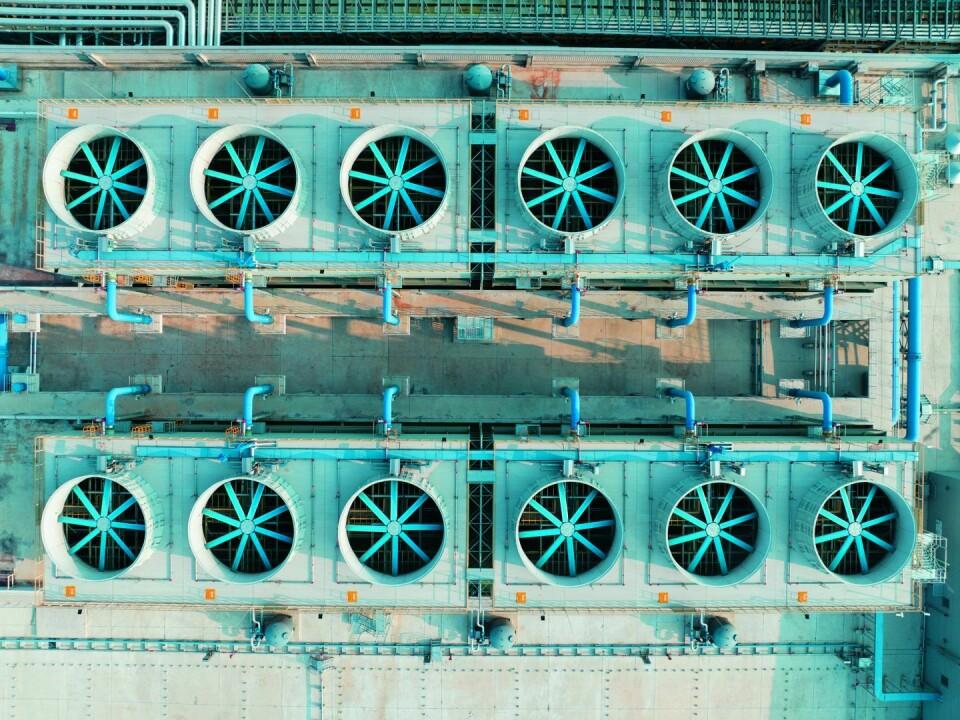
This is one of the most important points when choosing a cooling tower service company.
A cooling tower manufacturer designs and supplies equipment. A maintenance contractor performs field inspections, cleaning, repairs, and other on-site work. Some businesses offer both, while others focus on only one area.
A manufacturer may be particularly useful when you need:
New cooling tower equipment.
Customized equipment configurations.
Replacement cooling towers.
Technical product information.
Compatible components and spare parts.
Manufacturing quality documentation.
Equipment-related technical support.
A field service contractor may be more suitable when you need:
On-site inspections.
Routine cleaning and maintenance.
Mechanical repairs.
Installation labor.
Emergency troubleshooting.
Local maintenance coverage.
Water treatment management.
Neither type of company automatically replaces the other. A manufacturer may not provide every on-site service in your region, while a local contractor may not manufacture the equipment or components it installs.
For some projects, the best solution is to work with both: a manufacturer for equipment and technical specifications, and a qualified local contractor for site execution.
When your project involves selecting, replacing, or sourcing cooling tower equipment, Mach Industry (Zhejiang) Co.,Ltd, operating under the Mach Cooling brand, is a manufacturer worth considering.
Mach's official website presents a range of cooling tower products for industrial and commercial applications. Its product portfolio includes industrial cooling towers, open cooling towers, closed-circuit cooling towers, and different crossflow and counterflow configurations.
You can explore the company's products and submit a project inquiry at:
Website: https://www.machcooling.com
Different facilities have different cooling requirements. A commercial HVAC system may need a different configuration from a chemical plant or manufacturing facility.
Mach's published product range includes:
Industrial cooling towers.
Open cooling towers.
Closed-circuit cooling towers.
Crossflow cooling towers.
Counterflow cooling towers.
Related cooling equipment and components.
This product range gives buyers options to discuss when comparing equipment configurations for a new project or replacement application.
A standard product may not fit every facility. Installation space, cooling capacity, water conditions, ambient temperature, and process requirements can all influence equipment selection.
Mach states that it provides customized cooling tower solutions. When contacting the company, prepare the main technical details of your project, including:
Required cooling capacity.
Water flow rate.
Inlet and outlet water temperatures.
Local design wet-bulb temperature.
Cooling tower type and preferred configuration.
Available installation dimensions.
Site environment and water quality.
If you are replacing an existing tower, also provide photographs, nameplate information, drawings, and details of the current operating problems.
The more complete your information, the easier it is for the manufacturer to assess the project and discuss a suitable configuration.
Good communication is essential when purchasing industrial cooling equipment from an overseas manufacturer.
Before placing an order, ask Mach to clarify the proposed equipment specifications, manufacturing scope, inspection arrangements, delivery schedule, documentation, warranty, and after-sales support.
If your project requires on-site installation, commissioning, or emergency maintenance, confirm whether these services are available directly or need to be arranged through a local contractor or project partner.
This distinction helps avoid misunderstandings after the equipment arrives.
Before signing a service agreement or purchasing replacement equipment, ask practical questions that reveal how the company works.
Here are ten useful questions:
Have you worked with cooling towers similar to ours?
Can you provide references for comparable projects?
What inspection or troubleshooting process do you follow?
Which maintenance and repair services do you provide directly?
Can you identify compatible replacement components?
Are technical drawings and product specifications available?
What quality inspections are performed?
What are your normal and emergency response times?
What exactly does the warranty cover?
Which services are included in the quotation, and which are excluded?
Pay attention to how the company answers. Clear, specific answers are usually more useful than broad promises.
Even experienced facility managers can make mistakes when selecting a cooling tower service provider.
A low quotation may exclude important work, use unsuitable materials, or provide limited warranty coverage. Compare the full scope rather than the headline price.
A replacement fan, fill, or motor must match the equipment requirements. Confirm dimensions, operating conditions, materials, and technical specifications before ordering.
A manufacturer may supply equipment without providing local installation or emergency maintenance. Confirm who is responsible for each task.
Ask for relevant project experience and verify that the company's capabilities match your application.
The contract should identify who handles inspection, lifting, electrical work, piping, commissioning, testing, and handover. Unclear responsibilities can create delays and disputes.
Choosing a service provider is only the beginning. You also need a maintenance strategy that supports reliable operation over the life of your equipment.
Start by creating an equipment record for each cooling tower. Include the model, design capacity, installation date, component details, drawings, and maintenance history.
Next, establish inspection intervals based on the manufacturer's recommendations and actual operating conditions. Record important observations such as vibration, unusual noise, water leakage, corrosion, fill condition, and cooling performance.
Use the records to identify recurring problems. If the same component repeatedly fails, investigate the underlying cause rather than continuing to replace it without analysis.
You should also plan ahead for major replacement work. Fans, motors, gearboxes, fill media, and other components may have different service lives. Budgeting for these items helps reduce the risk of emergency purchasing.
A good maintenance strategy turns equipment care from a reactive expense into a planned part of facility management.
Before making your final decision, use this checklist:
The company understands your cooling tower type and application.
Its technical experience matches your project requirements.
The service scope is clearly defined.
Replacement parts are compatible with your equipment.
Quality documents and technical specifications are available.
Maintenance and emergency response arrangements are clear.
Safety and environmental responsibilities are understood.
The quotation identifies inclusions and exclusions.
Warranty conditions are provided in writing.
Installation and after-sales responsibilities are confirmed.
If a company cannot answer several of these questions, take time to clarify the details before committing.
Choosing the best cooling tower service company requires more than comparing prices or selecting the first provider that appears in a search result. You need to understand your equipment, define the service scope, evaluate technical experience, check component compatibility, and confirm the responsibilities included in the contract.
For routine inspections and on-site repairs, a qualified local service contractor may be the right choice. For new equipment, customized cooling tower solutions, or major replacement projects, an experienced manufacturer can provide valuable product and engineering support.
Mach Industry (Zhejiang) Co.,Ltd, through its Mach Cooling brand, is an option for buyers exploring industrial and commercial cooling tower equipment. Visit https://www.machcooling.com to review its product range and contact the company about your project requirements.
Ultimately, the best partner is not simply the company that offers the lowest price. It is the one that understands your facility, communicates clearly, provides the right technical solution, and helps you maintain dependable cooling performance over the long term.