We Provide Cooling Tower Solution

Views: 0 Author: Site Editor Publish Time: 2026-01-14 Origin: Site


When people think about cooling towers, they usually picture tall structures, roaring fans, or complex airflow systems. But down at the bottom lies a component that quietly keeps everything running smoothly—the cooling tower basin. Without a properly designed basin, even the most advanced cooling tower would struggle to operate efficiently.
In many ways, the basin is the heart of the cooling tower’s water circulation system. It collects, stores, and regulates cooled water before it begins the cycle all over again.
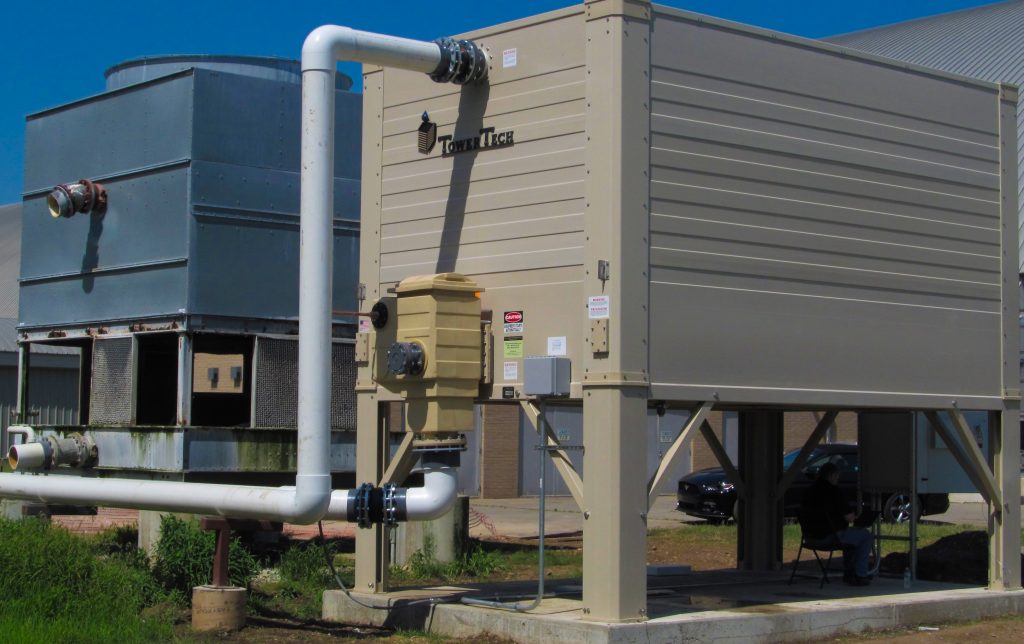

A cooling tower basin—also known as a cold water basin—is the section located at the bottom of the cooling tower where cooled water accumulates after flowing through the fill media. This water is then pumped back to chillers or industrial processes to absorb heat once again.
Think of it as a reset point in the cooling loop. Without this collection area, consistent circulation would be impossible.
The basin plays several critical roles at once:
Ensuring a stable water supply to circulation pumps
Preventing air entrainment and pump cavitation
Allowing sediment and debris to settle
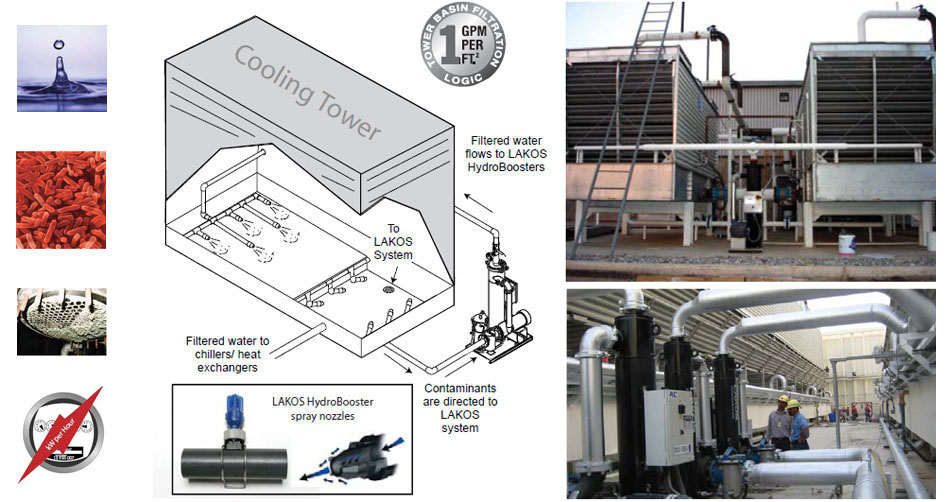
Supporting water treatment and filtration systems
A poorly designed or poorly maintained basin can reduce cooling efficiency, increase energy consumption, and shorten equipment life.
Hot process water enters the cooling tower from the top and spreads across the fill. As air passes through, heat is removed. Gravity then pulls the cooled water downward into the basin, where it is collected for reuse.
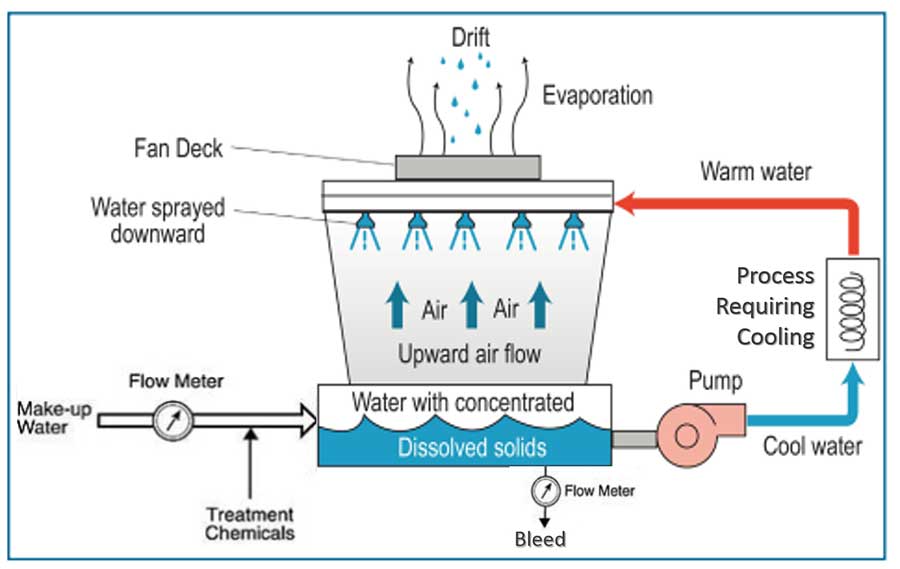
The basin holds enough water to maintain steady pump suction even when system loads fluctuate. This buffer effect keeps the entire cooling system stable and responsive.
Concrete basins are commonly used in large, field-erected cooling towers.
Extremely durable
Suitable for very large volumes
Require proper sealing and waterproofing
Steel basins are widely used in packaged cooling towers.
Faster installation
Cost-effective
Often protected with galvanization or coatings
FRP (Fiber Reinforced Plastic) basins are ideal for corrosive environments.
Lightweight
Excellent corrosion resistance
Low maintenance requirements
Material selection directly affects basin lifespan and reliability. Common materials include:
Galvanized steel
Stainless steel
Reinforced concrete
FRP composites
Choosing the right material is like choosing the right foundation for a building—it determines how long everything above it will last.
Proper depth ensures adequate pump suction and prevents vortex formation. Sloped basin floors help guide sediment toward drain points, making cleaning easier.
Automatic level controls, overflow outlets, and make-up water valves keep the basin operating within optimal limits.
Evaporation losses are replaced with make-up water, while blowdown removes concentrated minerals. Both processes are managed directly within the basin.
Dust, debris, and biological growth naturally settle in the basin. Without cleaning, these contaminants can restrict flow and degrade water quality.
Improper materials or failed coatings can lead to corrosion, leaks, and structural damage—often hidden until serious problems arise.
Routine maintenance keeps basins performing at their best:
Scheduled cleaning and inspection
Monitoring of water chemistry
Prompt repair of coatings or seals
Ignoring basin maintenance is like skipping routine engine checks—it may work for a while, but failure is inevitable.
A clean, well-designed basin ensures smooth water circulation and stable pump operation. Conversely, a neglected basin increases energy use, accelerates wear, and reduces overall cooling efficiency.
HVAC systems prioritize compact design and consistent water levels
Industrial cooling towers require higher capacity, stronger materials, and resistance to chemicals and heat loads
Each application demands a tailored basin solution.
Today’s cooling towers often feature:
Integrated side-stream filtration
Advanced corrosion-resistant coatings
Automated water level and quality monitoring
These technologies significantly extend basin life and reduce operating costs.
Mach Cooling (https://www.machcooling.com/) applies practical engineering to basin design, focusing on:
Optimized hydraulic flow
Durable, application-specific materials
Easy access for inspection and maintenance
Their basin designs support long-term reliability across HVAC and industrial cooling tower applications.
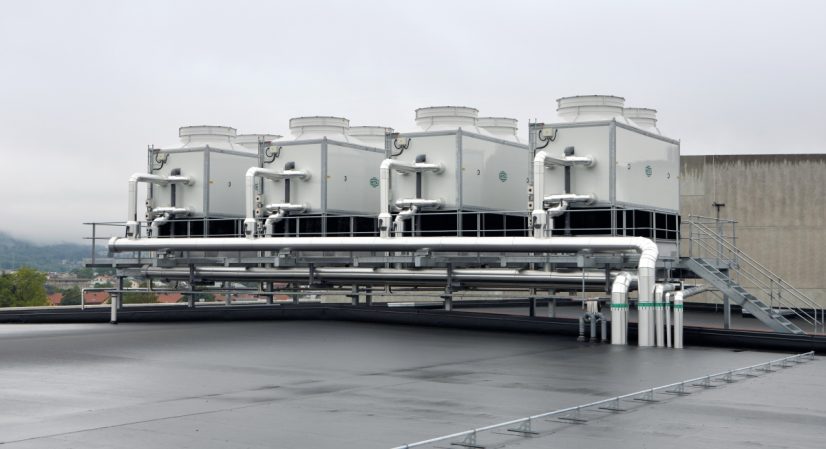
The basin may be located at the bottom of the cooling tower, but its importance sits at the very top of system performance priorities. From water collection and storage to flow stability and maintenance efficiency, the basin is essential to reliable cooling tower operation.
By investing in proper basin design and working with experienced manufacturers like Mach Cooling, operators can achieve higher efficiency, lower maintenance costs, and longer equipment life.