We Provide Cooling Tower Solution

Views: 0 Author: Site Editor Publish Time: 2026-01-14 Origin: Site


When it comes to cooling tower performance, design and capacity often steal the spotlight. But behind every efficient and reliable system lies something far more fundamental—the materials used in its components. For Baltimore Aircoil cooling tower parts, material selection directly determines durability, efficiency, maintenance needs, and overall lifecycle cost.
Think of materials as the foundation of a building. If the foundation is weak, everything above it eventually cracks. The same logic applies to cooling towers.
Cooling towers operate in extreme conditions: continuous moisture, fluctuating temperatures, chemical exposure, and constant airflow. Materials must withstand corrosion, mechanical stress, and long-term fatigue—often all at once.
Choosing the wrong material is like wearing flip-flops on a construction site. It might work for a moment, but failure is inevitable.
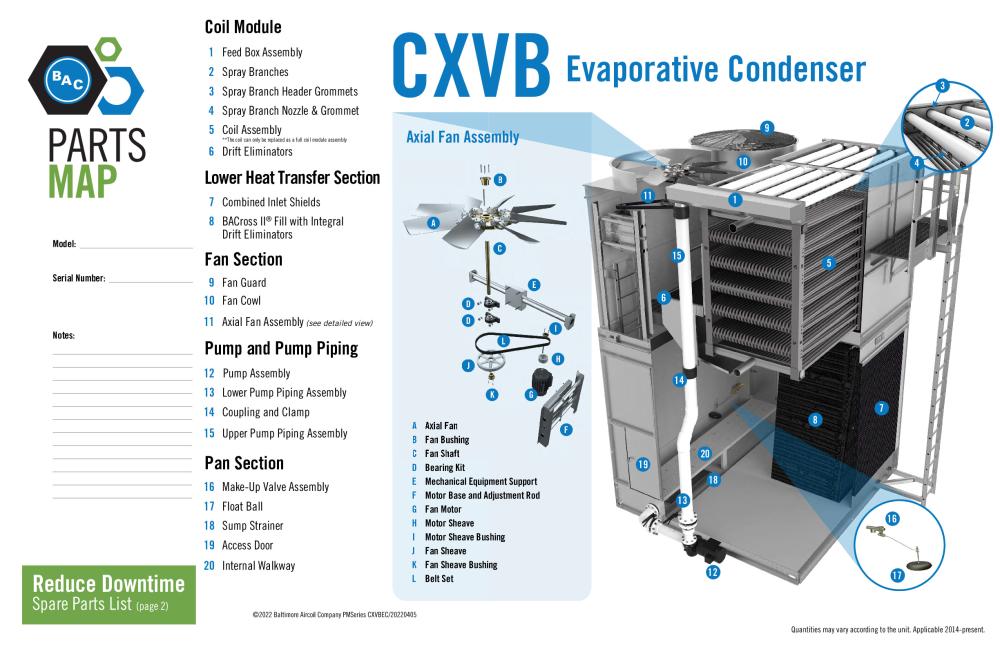
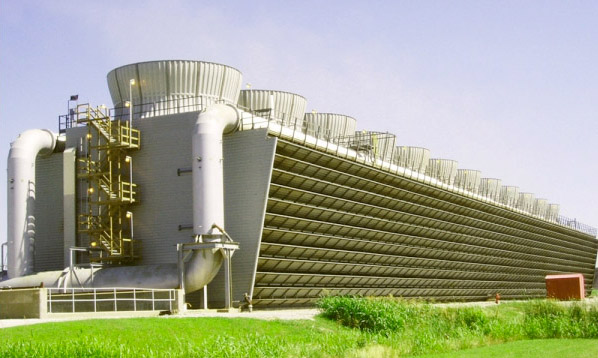
Baltimore Aircoil cooling towers consist of multiple functional parts, each exposed to different operating stresses:
Structural framework and casing
Cooling tower fill media
Drift eliminators
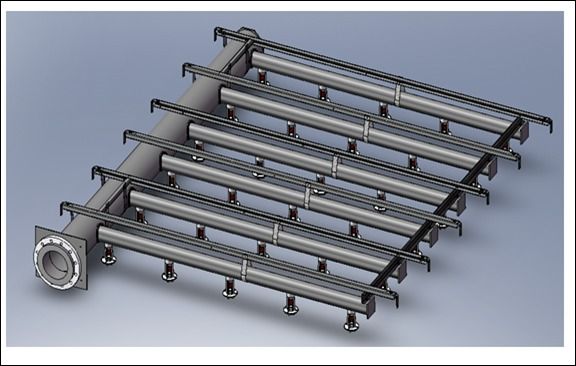
Spray nozzles and water distribution systems
Fans, motors, and mechanical drives
Each component demands a specific material solution tailored to its role.
Before diving into individual parts, let’s look at the most commonly used materials in cooling tower construction.
Galvanized steel is widely used for frames, panels, and cold water basins.
Key advantages:
Zinc coating provides basic corrosion protection
Strong and cost-effective
Suitable for standard HVAC environments
However, galvanized steel may struggle in aggressive water chemistry or coastal applications.
Stainless steel is often chosen for high-performance or corrosive environments.
Why stainless steel stands out:
Exceptional corrosion resistance
Long service life
Minimal maintenance requirements
While more expensive upfront, stainless steel often delivers lower total lifecycle costs.
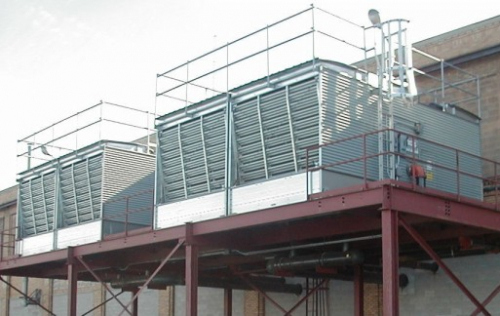
FRP is a lightweight composite material commonly used in cooling tower panels and casings.
Benefits of FRP include:
Complete resistance to rust
Excellent chemical durability
Lightweight and easy to install
FRP is ideal where corrosion is a major concern.
Plastics dominate internal cooling tower components.
PVC (Polyvinyl Chloride): Excellent balance of cost, durability, and heat transfer
PP (Polypropylene): Superior resistance to high temperatures and aggressive chemicals
These materials are essential for long-term reliability inside the tower.
Now let’s break down material choices for specific Baltimore Aircoil cooling tower parts.
Fill media is the heart of heat exchange.
PVC fill is the industry standard because it offers:
High heat transfer efficiency
Resistance to biological fouling
Long operational life
PP fill is preferred for:
High-temperature applications
Chemically aggressive water conditions

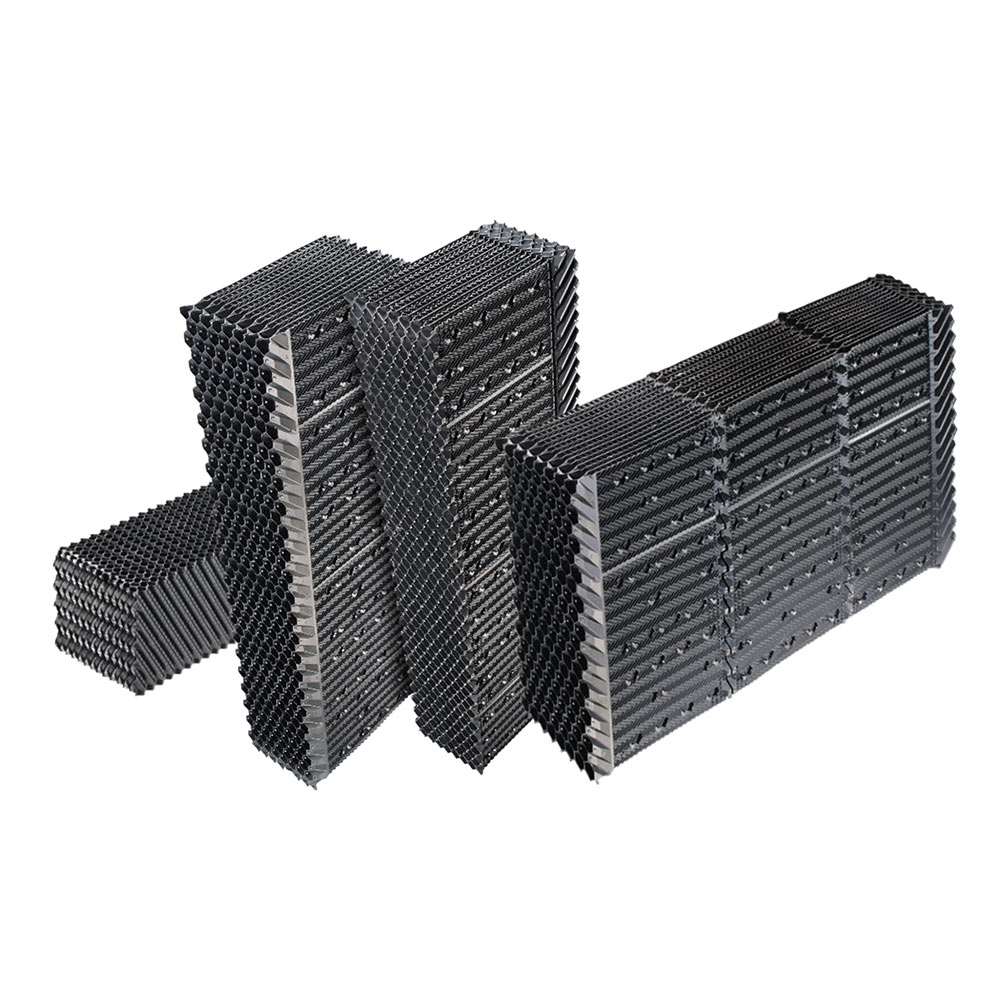
Drift eliminators are usually manufactured from PVC or PP.
Material advantages include:
Lightweight structure
High water droplet capture efficiency
Resistance to UV and chemical exposure
Effective drift eliminators reduce water loss and help meet environmental regulations.
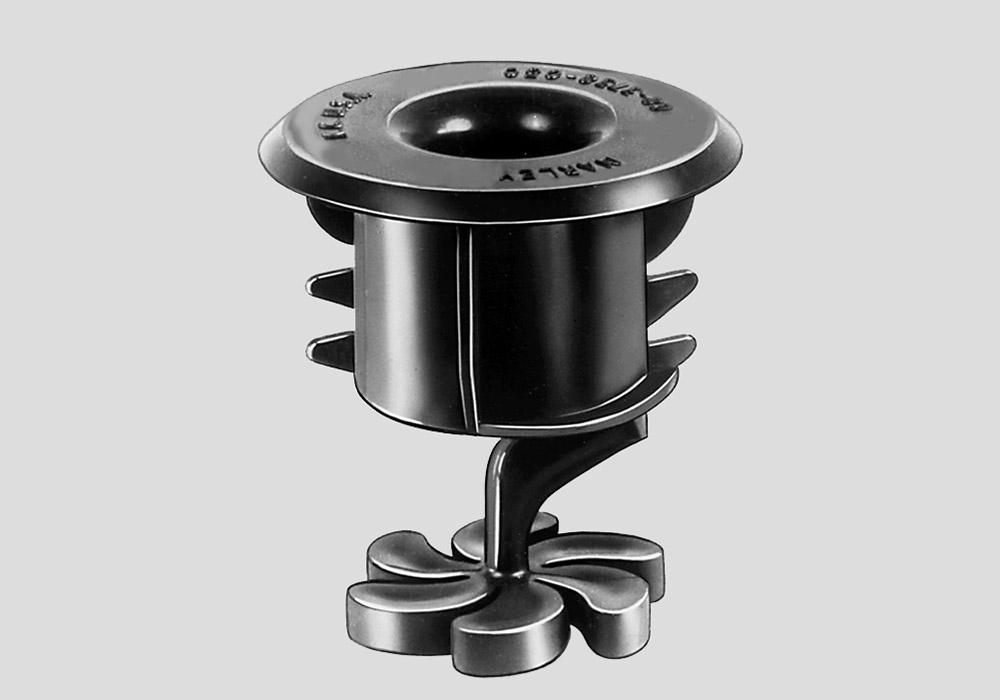
Spray nozzles must resist clogging, scaling, and corrosion.
Common materials include:
ABS plastic
PP plastic
Stainless steel (for high-pressure systems)
Plastic nozzles dominate due to their durability and ease of maintenance.
Fans and mechanical systems must balance strength and weight.
Typical materials include:
FRP fan blades
Aluminum hubs
Steel or stainless steel shafts
These combinations ensure stable operation and long service life.
Environmental factors play a huge role in material performance:
Coastal areas demand higher corrosion resistance
Industrial sites require chemical-resistant materials
Hot climates benefit from thermally stable plastics
Material selection should always match the operating environment.
Commercial HVAC systems: PVC, galvanized steel, FRP
Industrial cooling: Stainless steel, PP, FRP
Chemical and power plants: High-grade plastics and stainless steel
There is no “one-size-fits-all” solution—only the right material for the right job.

OEM parts are often expensive, but that doesn’t automatically mean they use superior materials. High-quality compatible replacement parts can meet or exceed OEM material standards when engineered correctly.
The real question is not who made the part—but what it’s made of.
Mach Cooling (https://www.machcooling.com/) specializes in material-optimized cooling tower parts compatible with Baltimore Aircoil systems.
Their approach includes:
Evaluating water chemistry and temperature
Matching materials to real operating conditions
Balancing performance, durability, and cost
This ensures long-lasting parts without unnecessary expense.
Better materials mean:
Less frequent maintenance
Reduced downtime
Lower long-term operating costs
In cooling towers, investing in quality materials always pays off over time.
Materials are the unsung heroes of Baltimore Aircoil cooling tower parts. From PVC fill media and PP drift eliminators to stainless steel structures and FRP components, every material choice directly affects performance and longevity.
By understanding these materials—and working with experienced manufacturers like Mach Cooling—operators can ensure reliable, efficient cooling tower performance for years to come.